How to Watch the 2026 Midterm Election Results Live Online and on Television

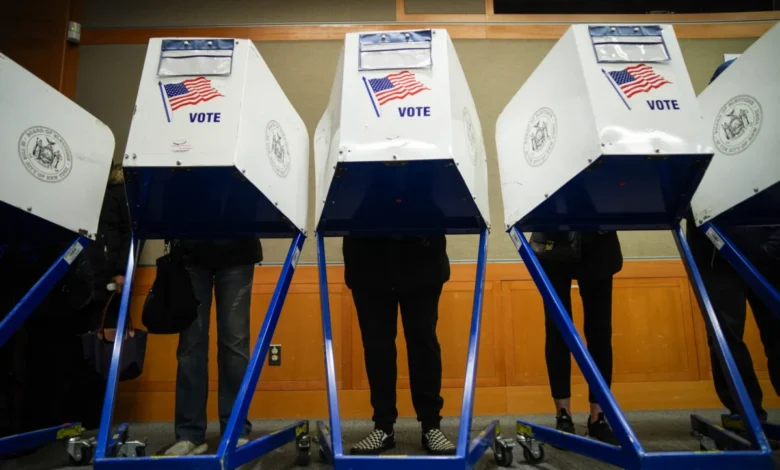
Election Day 2026 has officially arrived, marking a pivotal moment in the American political landscape as voters head to the polls to determine the future composition of Congress and various state-level offices. As the ballots are cast and the counting begins, major news networks have mobilized their full resources to provide real-time coverage, in-depth analysis, and projected outcomes throughout the night. For millions of Americans, this day represents the culmination of months of intense campaigning, heated debates, and shifting public sentiment on key national issues ranging from economic policy to healthcare and foreign relations.
The broadcast landscape is dominated by dedicated election specials designed to distill complex data into accessible updates for the viewing public. NBC is leading with its comprehensive 13-hour broadcast, Decision ’26, which promises to leverage the network’s expansive reporting infrastructure to track trends as they emerge from key battleground states. Similarly, ABC’s Vote 2026, CBS News’ America Decides: Election 2026, CNN’s Election Night in America, and Fox News’ Democracy 26 are providing exhaustive round-the-clock coverage. These programs serve as the primary conduits for citizens seeking verified information, exit poll data, and candidate reactions as the results unfold.
The Evolution of Digital Election Coverage
The accessibility of this news has evolved significantly in recent years. While traditional cable and satellite packages remain the standard for many households, the rise of live TV streaming services has dismantled the barriers that previously required long-term contracts for access to real-time news. Modern viewers now have a variety of options to access high-quality journalism, often without the need for a physical cable box.
For those looking to stream these major networks, services like DirecTV, Fubo, and Hulu + Live TV have become essential tools. DirecTV offers a five-day free trial, allowing new users to watch election night coverage at no cost. Similarly, Fubo provides a five-day free trial for its live streaming service, though it is important to note that its channel lineup does not include CNN. Hulu + Live TV, while requiring a paid subscription, offers a comprehensive package that includes all major networks mentioned, as well as access to the Disney+ and ESPN+ bundles, providing a broader entertainment ecosystem alongside its news coverage.

Contextualizing the 2026 Midterm Landscape
To understand the significance of today’s reporting, one must look at the structural context of the 2026 midterms. Midterm elections historically serve as a referendum on the sitting administration’s performance, often resulting in shifts in congressional power. Political analysts frequently point to the "midterm curse," a historical trend where the party of the incumbent president loses seats in the House of Representatives and, occasionally, the Senate.
In 2026, the stakes are elevated by tight margins in both chambers of Congress. Recent polling data suggests that voter turnout is expected to be a deciding factor, with both major parties emphasizing the importance of securing local, state, and federal victories to influence legislative agendas for the remainder of the decade. The issues appearing on the ballots—ranging from tax reform and infrastructure investment to environmental policy—are deeply polarizing, and the results of tonight’s count will determine which political faction holds the power to shape the federal agenda leading into the next presidential cycle.
A Chronology of the Election Day Process
The process of reporting on election night follows a rigid, yet high-stakes, chronology. In the early hours of the day, media outlets focus on voter turnout, weather impacts, and potential logistical hurdles at polling stations. As the polls begin to close across the country, starting with the Eastern time zone, networks utilize "decision desks"—teams of statisticians, political scientists, and analysts—to review exit polls and initial vote tallies.
These desks are responsible for the critical task of calling races. A race is only "called" when the statistical evidence indicates that the trailing candidate cannot bridge the gap with the remaining uncounted votes. This is a rigorous process designed to prioritize accuracy over speed. Viewers can expect a flow of information that begins with local, non-competitive races and slowly moves toward the national congressional contests as the night progresses.
The middle of the night often presents the most critical phase: the counting of mail-in and early voting ballots. Depending on state laws, these votes may be counted before, during, or after in-person votes, leading to fluctuations in vote margins that some observers describe as the "blue shift" or "red shift." Network anchors and correspondents are trained to explain these fluctuations to viewers to prevent confusion regarding the integrity of the process.

Supporting Data and Voter Trends
Data from the Federal Election Commission and various non-partisan research groups highlight that voter participation in midterm elections has seen a steady upward trend over the past decade. This surge in civic engagement has forced news networks to invest more heavily in real-time mapping technology and interactive data visualization. These tools allow viewers to see, at a granular level, how different demographics are shifting their support.
For instance, analysts are closely monitoring suburban voting patterns, which have proven to be the "swing" demographic in recent cycles. Furthermore, economic indicators—such as inflation rates and employment statistics—are being cross-referenced with regional vote totals to provide a narrative of why specific districts are leaning toward particular candidates. This integration of economic data with political outcomes has transformed the nature of television news, shifting the focus from simple scorekeeping to comprehensive analysis of the American socioeconomic condition.
Official Responses and Campaign Strategies
As the results begin to trickle in, campaigns operate in a state of high-alert. Official statements from candidate headquarters are typically guarded, with spokespeople emphasizing the importance of "counting every vote" or, conversely, expressing confidence in early leads. The rhetoric used by campaigns on election night is carefully scripted to influence public perception and ensure that supporters remain engaged regardless of the outcome.
Beyond the candidates, national party chairs are expected to hold briefings to frame the results in the best possible light. These responses are crucial, as they set the tone for the post-election period, which often involves litigation, recounts, or the beginning of transition planning. Reporters stationed at these headquarters play a vital role in relaying these official stances, serving as the bridge between the political elite and the general public.
Implications for the Future
The implications of the 2026 midterm results are far-reaching. A shift in control in either the House or the Senate could lead to gridlock, or conversely, a mandate for the majority party to push through aggressive legislative changes. If the current power balance remains, the status quo is likely to continue, with the focus shifting toward executive actions and judicial appointments.

Furthermore, the results of the 2026 cycle will heavily influence the recruitment of candidates for the next general election. Successful campaigns will be studied for their messaging and fundraising strategies, while those that failed will likely face a period of internal restructuring. The data gathered tonight will also be used by pollsters to refine their models for future cycles, as the discrepancy between predicted outcomes and actual results will provide a roadmap for improving future political forecasting.
Navigating the Coverage
For those who wish to follow the night’s events, the sheer volume of information can be overwhelming. To stay informed, it is recommended to utilize a multi-screen approach or to stick with a single, trusted network that provides clear, data-driven insights. While social media provides immediate, raw data, the major networks offer the benefit of professional vetting, which is essential for filtering out misinformation that often circulates during the high-stress environment of election night.
Whether tuning into NBC’s Decision ’26 or monitoring the updates on CBS or ABC, viewers are participating in a fundamental democratic process. The ability to watch these proceedings live from home, thanks to platforms like DirecTV, Fubo, and Hulu + Live TV, ensures that transparency remains a cornerstone of the American electoral system. As the night continues and the electoral map begins to fill with color, the nation waits for the final count, knowing that the results will define the legislative path of the United States for the next two years.
In summary, the 2026 midterms stand as a testament to the ongoing evolution of both American politics and the media landscape. Through the lens of major news networks, the complexities of the democratic process are brought into sharp focus, providing the public with the information necessary to understand the shifting tides of power. With access to streaming services, every citizen has the tools to remain informed, regardless of their location or traditional cable status, ensuring that the democratic dialogue remains accessible to all. As the polls conclude and the focus shifts to the final tally, the nation’s attention remains firmly fixed on the results that will inevitably shape the trajectory of the country’s political future.