The Blind Ants marks a significant cinematic milestone as the latest feature from director Igor Legarreta

The Blind Ants, titled Inurri Itsuak in its original Basque, celebrated its world premiere on September 18 at the 74th San Sebastián International Film Festival. The film, which is currently competing for the prestigious Irizar Award for Basque Cinema within the festival’s Zinemira section, represents a sophisticated fusion of local cultural heritage and high-stakes, large-scale production. Scheduled for a nationwide theatrical release in Spain on October 9 through Buena Vista International, the film is poised to be a major entry in the autumn cinema circuit.
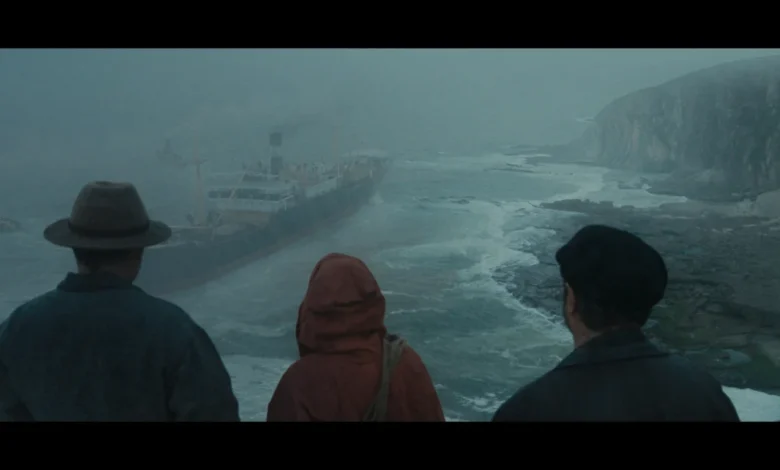
Set against the rugged, unforgiving landscape of the Basque Country in 1930, the narrative draws inspiration from the literary works of renowned author Ramiro Pinilla. The plot centers on a catastrophic maritime incident: an English freighter is run aground on the shores of Biscay during a ferocious storm. As the local community in Algorta faces the existential threat of a brutal winter, the desperation for resources leads them to the stranded vessel—which is laden with tons of coal. The Jauregui family, the central protagonists of the story, make a fateful decision to brave the lethal weather conditions to secure this "black gold." This choice initiates a downward spiral of tragic consequences that irrevocably alters the fabric of their lives.
A Chronology of Artistic Development
The journey of The Blind Ants from page to screen is a testament to the growth of the Basque film industry over the past decade. The project began as a development effort to capture the distinct "coastal Western" atmosphere that characterizes Pinilla’s writing.
- Pre-production (2023): The project solidified its financial and creative framework, bringing on board major production houses including Lamia Producciones, Lazona Zinema, and Buendía Estudios Bizkaia. The incorporation of international partners, such as Belgium’s Caviar, allowed the production to scale its ambition.
- Production (Early-Mid 2024): Filming was conducted entirely in Bizkaia. To maintain authenticity while managing the logistical nightmare of a maritime storm sequence, the team opted to construct massive, controlled sets. This allowed production designer Mikel Serrano to exert total creative control over the aesthetic, while ensuring the safety of the cast and crew.
- Post-production (Late 2024): The film underwent extensive editing to preserve the emotional intensity of the Jauregui family’s struggle, culminating in its final edit for the festival circuit.
- World Premiere (September 2026): The film premiered at the 74th San Sebastián International Film Festival, positioning it as a frontrunner for the Irizar Award.
Casting and Performance Dynamics
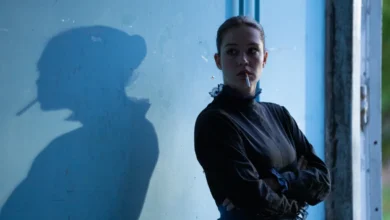
The film boasts an ensemble cast of significant pedigree in Spanish and Basque cinema. Urko Olazábal, whose performance in Maixabel earned him a Goya Award for Best Supporting Actor, leads the cast. He is joined by Itziar Ituño, a globally recognized name due to her work in the international phenomenon Money Heist, as well as her acclaimed roles in Intimacy and Irati.
The supporting cast, featuring Josean Bengoetxea, Miren Gaztañaga, and Carlos Santos, was meticulously selected to foster a sense of genuine familial cohesion. According to Legarreta, the chemistry between the actors was not merely an act of performance but a result of the cast bonding throughout the arduous filming process. The goal was to create a portrayal of the Jauregui family that felt authentic, grounded in the historical reality of 1930s rural Basque society.

Production Values and Industry Implications
Luis Ferrón, a producer at Lazona Zinema, has framed the project as a deliberate attempt to elevate Basque-language cinema to a higher tier of international visibility. By partnering with Playtime for international sales, the production team is signaling a move toward global distribution rather than relying solely on domestic success.
"We launched a production company in the Basque Country with a clear vision: to combine our strengths with local talent to create films that are artistically ambitious and uncompromising in their production values," Ferrón noted. "We achieved this with Inurri Itsuak: a Basque-language film with international appeal and high production value that tells a story as deeply rooted in the local context as that of Ramiro Pinilla."
The film serves as a case study for the "coastal Western" genre, a term coined by Legarreta to describe the film’s visual and thematic scope. It explores the intersection of human desperation, the struggle for dignity, and the harsh, indifferent power of nature.
Literary Adaptation: The Director’s Perspective
Adapting Ramiro Pinilla’s work presented unique challenges for the creative team. Legarreta emphasizes that while the book provided a robust roadmap—complete with themes, characters, and plot—the transition to film required a degree of separation from the source material to honor the medium of cinema.
"Adapting a novel is a double-edged sword," Legarreta explained. "On the one hand, you have all the necessary materials. But on the other, you have to transfer a literary universe to a very different world such as cinema. It is a long and complex process where you must try to separate yourself from the initial material, but without ever betraying it."
The director specifically highlights that Pinilla’s writing style was heavily influenced by American fiction from the first half of the 20th century. By maintaining a visual strength that pays homage to this era, Legarreta believes the film stands apart from typical contemporary period dramas.

Economic and Cultural Context of the Zinemira Section
The inclusion of The Blind Ants in the Zinemira section at San Sebastián is significant. Zinemira is exclusively dedicated to Basque-language productions and serves as a vital platform for promoting regional cinema on an international stage. The competition for the Irizar Award for Basque Cinema is historically intense, reflecting the region’s robust and increasingly competitive film industry.
The production involved a massive network of stakeholders, including Lamia Films, Lazona Producciones, and Sideral Cinema, alongside the co-production support from Belgium. This collaborative model is increasingly common in the European film market, as it allows smaller national industries to pool resources for high-budget, high-quality projects. The involvement of Buendía Estudios Bizkaia and Bruja del Norte AIE highlights the institutional support for regional content that can compete globally.
Analysis of Thematic Resonance
At its core, The Blind Ants examines the fragility of human dignity under extreme duress. The "blind ants" metaphor refers to the collective, desperate nature of the villagers who, like insects driven by instinct, scramble to harvest the coal from the shipwreck without regard for the impending disaster. The Jauregui family’s struggle is a microcosm of the larger historical and socio-economic pressures of the 1930s.
The film’s reliance on practical effects and a tangible, coastal environment serves to reinforce the gravity of the story. By shunning excessive digital augmentation in favor of a massive, physical set for the storm sequence, the production team has prioritized a visceral, tactile viewing experience. This decision aligns with the current trend in European prestige cinema to prioritize authentic location work and practical set design to anchor historical narratives in reality.
Looking Ahead
As the October 9 release date approaches, industry analysts are watching the performance of The Blind Ants closely. With the backing of a major distributor like Buena Vista International, the film is expected to have a substantial footprint in Spanish theaters. If the film succeeds in balancing its local cultural roots with the universal themes of struggle and survival, it could serve as a model for future Basque-language productions aiming to capture the interest of global audiences.
The success of the film will likely rely on its ability to bridge the gap between regional historical specificity and the broader, more accessible emotional resonance that characterizes successful period dramas. For director Igor Legarreta, the film is the culmination of years of development and a tribute to the resilience of the Basque spirit, captured through the lens of a classic, haunting tragedy.
Related posts: