
Hochul Ny Cannabis Marijuana Shops
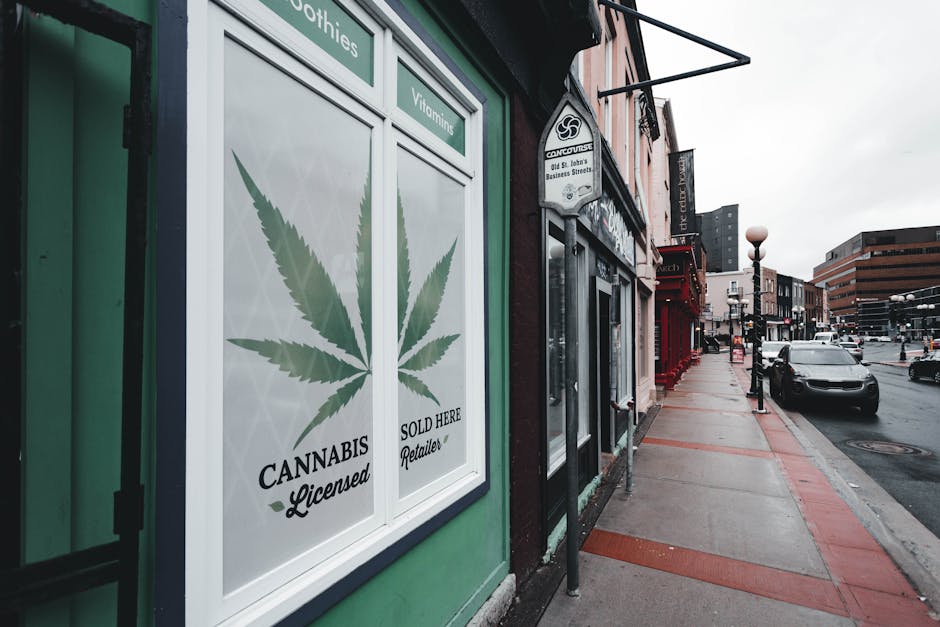
Navigating Hochul NY Cannabis Marijuana Shops: A Comprehensive Guide
New York State, under Governor Kathy Hochul’s administration, has embarked on a significant transformation of its cannabis landscape, moving from a decades-long prohibition to a regulated market. The advent of legal adult-use marijuana dispensaries, often referred to as "Hochul NY cannabis marijuana shops," represents a pivotal shift, offering consumers access to tested, safe, and regulated products while simultaneously aiming to foster economic opportunity and social equity. This article provides an in-depth exploration of these establishments, covering their regulatory framework, operational aspects, product diversity, consumer experience, and the broader impact on New York State. Understanding the nuances of these dispensaries is crucial for both consumers seeking legal access and stakeholders observing the market’s evolution.
The establishment of Hochul NY cannabis marijuana shops is rooted in the Marijuana Regulation and Taxation Act (MRTA), signed into law in March 2021. This legislation legalized adult-use cannabis for individuals 21 years and older, allowing for possession and personal cultivation. Crucially, the MRTA established the Office of Cannabis Management (OCM) to oversee the licensing and regulation of all cannabis businesses, including retail dispensaries, cultivation facilities, and processing centers. The OCM’s mandate is to ensure a safe, responsible, and equitable cannabis market. This regulatory body plays a critical role in setting standards for product testing, packaging, labeling, advertising, and operational security for all licensed entities, including the burgeoning network of Hochul NY cannabis marijuana shops. The OCM’s approval process is rigorous, involving extensive vetting of applicants to ensure compliance with state laws and regulations, thereby safeguarding public health and safety.
One of the core tenets guiding the development of Hochul NY cannabis marijuana shops is the commitment to social equity. The MRTA prioritizes individuals and communities disproportionately impacted by past cannabis prohibition enforcement. This includes those with prior cannabis convictions, their families, and residents of areas that bore the brunt of drug arrests. To facilitate this, the state has implemented programs designed to provide technical assistance, financial support, and prioritized licensing opportunities for social equity applicants. This focus aims to create a more inclusive cannabis industry, allowing those historically marginalized by drug laws to participate in and benefit from the legal market. Consequently, many of the initial Hochul NY cannabis marijuana shops are owned and operated by individuals or groups dedicated to this social equity mission, reflecting a deliberate effort to rectify past injustices.
The operational framework of Hochul NY cannabis marijuana shops is designed to mirror the regulated environments of other legal industries, with strict protocols in place. Dispensaries must adhere to stringent security measures, including surveillance systems, secure storage of inventory, and controlled access points. Budtenders, the trained staff who assist customers, undergo specific training on product knowledge, responsible serving practices, and state regulations. The sales process is carefully managed, with limits on the amount of cannabis a consumer can purchase per transaction. Age verification is paramount, with strict policies requiring valid government-issued identification to confirm customers are 21 or older. Furthermore, dispensaries are prohibited from operating near schools or in residential areas without specific zoning approvals, ensuring community integration and minimizing potential negative externalities.
The product diversity available at Hochul NY cannabis marijuana shops is a significant departure from the unregulated market. Consumers can expect to find a wide array of cannabis products, meticulously tested for potency, purity, and the absence of harmful contaminants. This includes various strains of flower, differentiated by their cannabinoid profiles (THC and CBD) and terpene compositions, which contribute to unique aromas and effects. Beyond flower, dispensaries offer a comprehensive selection of concentrates, such as shatter, wax, and live resin, for more experienced users. Edibles, including gummies, chocolates, and beverages, provide an alternative consumption method, with clear labeling on dosage and onset times. Additionally, topicals, tinctures, and vape cartridges cater to a broad spectrum of consumer preferences and needs. The emphasis on testing and labeling ensures consumers can make informed decisions about their cannabis consumption, prioritizing safety and desired outcomes.
The consumer experience at Hochul NY cannabis marijuana shops is designed to be informative and comfortable. Upon entering a licensed dispensary, customers are typically greeted by a receptionist who verifies their age and may provide an overview of the store’s layout and offerings. Budtenders act as knowledgeable guides, engaging with customers to understand their experience level, desired effects, and any specific preferences. They can explain the differences between various strains, consumption methods, and cannabinoid ratios, offering recommendations tailored to individual needs. The retail environment is often designed to be modern and welcoming, with clear signage and displays showcasing product information. Unlike the clandestine nature of the illicit market, these dispensaries provide a transparent and professional setting for purchasing cannabis.
The economic impact of Hochul NY cannabis marijuana shops extends beyond the direct revenue generated from sales. The establishment of this legal industry creates numerous job opportunities across the supply chain, from cultivation and processing to retail and distribution. These jobs often come with benefits and fair wages, contributing to the state’s economy. Furthermore, the tax revenue generated from cannabis sales is earmarked for specific public services, including education, public health initiatives, and reinvestment in communities that have been historically disadvantaged by drug prohibition. This fiscal contribution offers a significant opportunity for New York State to fund critical social programs and infrastructure improvements, demonstrating the potential for a well-regulated cannabis market to be a net positive for the state.
However, the rollout of Hochul NY cannabis marijuana shops has not been without its challenges. The initial phase of licensing has been complex and at times slow, leading to a slower-than-anticipated expansion of legal dispensaries. This has, in turn, allowed the illicit market to persist, as consumers may still turn to unregulated sources due to convenience or lack of accessible legal options. The state has been actively working to address these bottlenecks, streamlining the licensing process and increasing enforcement against unlicensed operators. Furthermore, the long-term sustainability of social equity initiatives requires ongoing support and adaptation as the market matures. Issues such as access to capital, real estate acquisition, and navigating complex regulations continue to be hurdles for many social equity applicants.
Looking ahead, the trajectory of Hochul NY cannabis marijuana shops suggests continued growth and refinement. As more dispensaries become licensed and operational, consumer access will broaden, and the market will become more competitive. This increased competition is expected to drive innovation in product development and potentially lead to more competitive pricing. The state’s commitment to social equity will remain a critical factor in shaping the industry’s ethical foundation. Ongoing efforts to combat the illicit market through education, enforcement, and increased availability of legal products will be crucial for the long-term success of the regulated market. The evolution of cannabis laws and regulations at both the state and federal levels will also undoubtedly influence the future landscape of these dispensaries.
The regulatory oversight by the OCM is a continuous process, involving the development and enforcement of regulations that adapt to emerging market trends and public health considerations. This includes ongoing monitoring of product safety, marketing practices, and dispensing protocols. The state also emphasizes consumer education, providing resources to help individuals understand the risks and benefits associated with cannabis use, responsible consumption, and the legal framework surrounding Hochul NY cannabis marijuana shops. This educational component is vital in fostering a responsible and informed consumer base, mitigating potential harms, and ensuring that the legal market serves its intended purposes.
In conclusion, Hochul NY cannabis marijuana shops represent a significant step forward for New York State, symbolizing a commitment to a regulated, safe, and equitable cannabis industry. While the journey has involved navigating complex regulatory processes and addressing ongoing challenges, the establishment of these dispensaries offers a pathway for economic development, social justice, and consumer safety. As the market continues to mature, an understanding of the underlying regulations, operational standards, and product offerings of these establishments is paramount for anyone interacting with or observing this transformative sector of the New York economy. The ongoing evolution of these dispensaries will continue to shape the state’s approach to cannabis, influencing public health, economic policy, and social equity for years to come.
