The Tragic Loss of Harmony Ball-Stribling and the Uphill Battle to Reopen a Mississippi Delta Hospital

Harmony Ball-Stribling’s journey toward motherhood was a testament to resilience, marked by the challenges of endometriosis, a demanding in vitro fertilization process, and dangerously high blood pressure. As the summer of 2021 approached, her health seemed to stabilize, offering a beacon of hope as her due date neared. “It was just too perfect,” recalled her mother, Shenelle Ball-Green, of those serene, sweltering weeks. However, this period of calm was tragically short-lived. In the early hours of July 5, just four days before her scheduled cesarean section, Ball-Stribling experienced a severe complication from preeclampsia, a potentially fatal condition characterized by elevated blood pressure. Her husband, driving at speeds of up to 110 mph, raced her to the nearest hospital, a facility 25 miles away from their home in Belzoni, a small Mississippi Delta town with a population of approximately 1,900. Tragically, minutes before reaching the hospital, Ball-Stribling suffered a seizure. Her husband pulled her from the car and attempted CPR on the shoulder of U.S. Route 49. It was too late. Both Harmony Ball-Stribling and her unborn daughter, Harper, lost their lives on the side of the road.
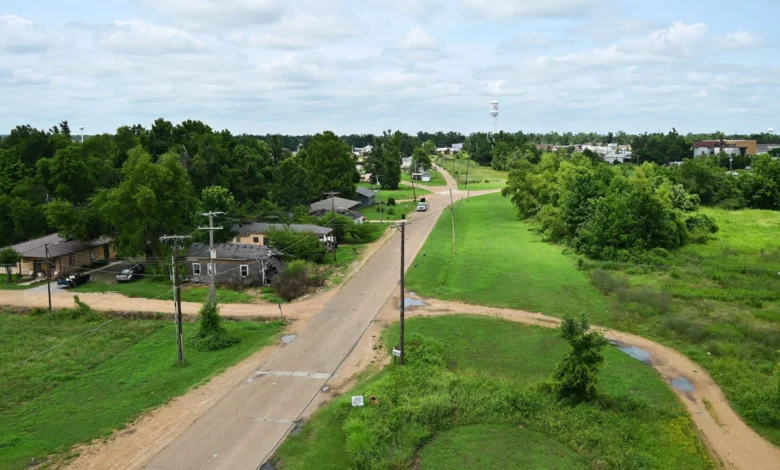
This devastating loss might have been averted had the hospital in Belzoni, a mere five-minute drive from the couple’s home, not been shuttered 13 years prior. Today, Humphreys County is a stark example of the rural healthcare crisis gripping the nation. It has no hospital, no emergency room, no urgent care clinic, and no county health department. Humphreys County is one of over 100 rural hospitals in the United States that have ceased operations entirely since 2005, leaving vast swathes of the country without essential medical services.
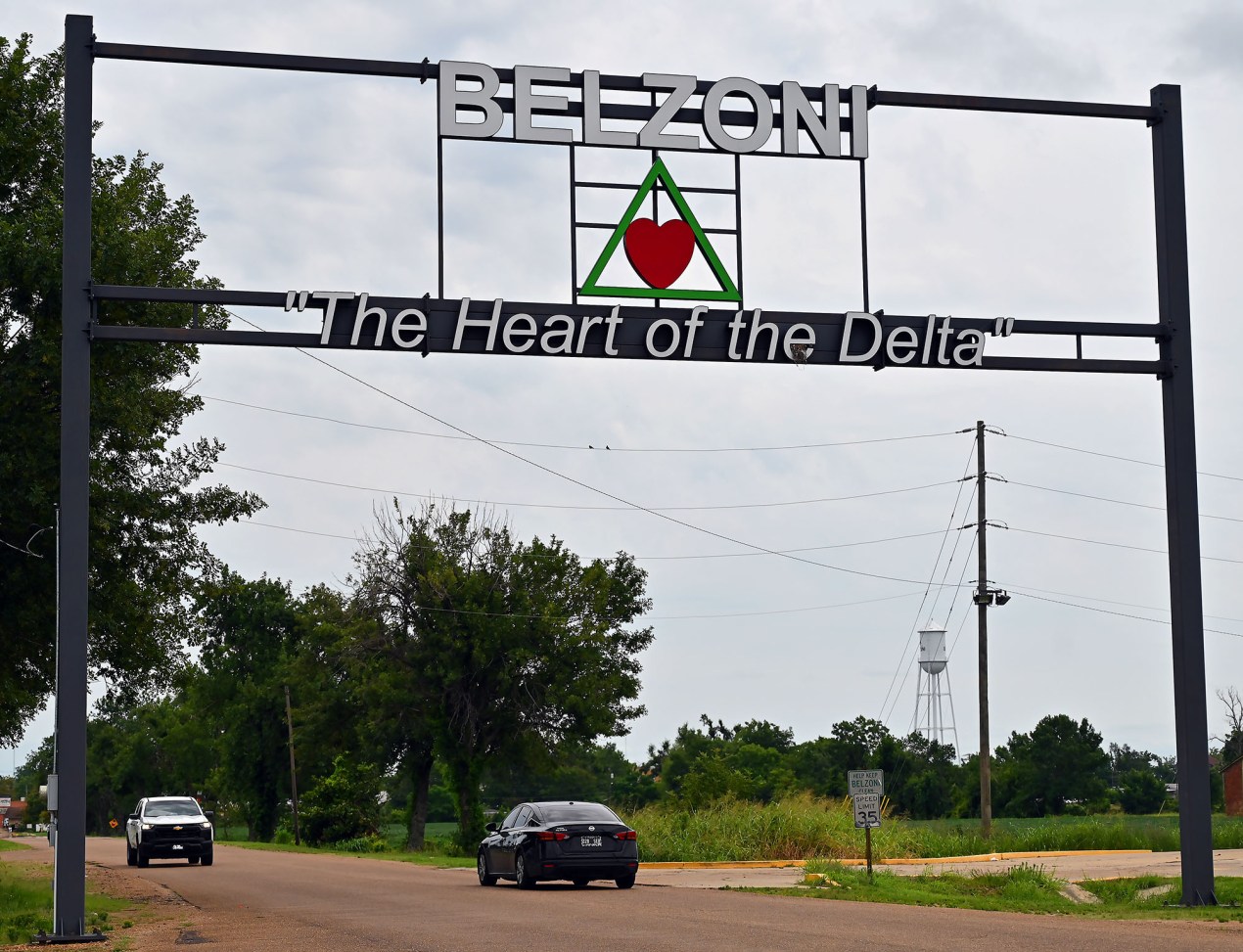
In Belzoni, a community that proudly calls itself “The Heart of the Delta,” the close-knit fabric of life means that Harmony’s story has become a painful, shared memory. Her death has now become a catalyst, galvanizing local and state leaders who are determined to bring a hospital back to a county that has endured profound suffering due to its absence. “It was a tremendous eye-opener for this community,” stated State Representative Timaka James-Jones, a Democrat representing the district that includes Belzoni and is also Ball-Stribling’s aunt. “It brought to light how we are so without.”
Deep-Rooted Disparities: Poverty and Health in Humphreys County
The health disparities experienced by residents of Humphreys County are deeply intertwined with pervasive poverty. According to recent data, approximately one in seven residents under the age of 65 lack health insurance coverage, a significantly higher rate than the national average of about one in eleven. Furthermore, Humphreys County exhibits the highest rate of Medicaid enrollment in Mississippi, a stark indicator of the economic challenges faced by many of its inhabitants. These socioeconomic factors directly impact health outcomes, as evidenced by the county’s infant mortality rate, which stands among the highest in the state, with roughly 15 deaths for every 1,000 births.

Representative James-Jones has personally witnessed the profound influence of these circumstances on the lives, and indeed the deaths, of her loved ones. She has set a personal goal to see a hospital reestablished in the county before her current four-year term concludes in early 2028. However, the path to achieving this goal is fraught with complexity. Local leaders in Belzoni aiming to restore healthcare services are navigating a labyrinth of policy challenges, particularly demanding for a small town with limited resources. Their struggle mirrors the grim reality often highlighted by healthcare policy experts: once a rural community loses its hospital, the prospect of reopening one becomes exceedingly difficult, if not nearly impossible.
A History of Healthcare Loss in Humphreys County
Humphreys County Memorial Hospital first opened its doors in Belzoni in 1951, a product of the nationwide hospital construction boom spurred by the Truman-era Hill-Burton Act. This landmark legislation provided substantial grants and loans for the development and modernization of healthcare facilities. At the time of its inception, approximately 40% of U.S. counties were without a hospital. By 1970, this figure had significantly decreased, with all but seven Mississippi counties boasting at least one hospital.
However, by the dawn of the 21st century, many rural hospitals across the United States found themselves in dire financial straits. Factors such as declining patient volumes, a shift towards outpatient care, and meager revenues created a precarious financial environment for these institutions. Many struggled with high numbers of uninsured patients or those covered by government programs like Medicaid, which typically reimburse healthcare providers at lower rates than private insurers.
Humphreys County’s hospital was among these struggling facilities. Burdened by millions of dollars in debt, county officials sold the hospital in 2008 to a private company, which subsequently renamed it Patients’ Choice Medical Center. The facility’s doors closed permanently just five years later, following the conviction of the company’s CEO, Ray Shoemaker, on healthcare fraud charges related to another hospital he owned. In a recent text message to Mississippi Today, Shoemaker expressed a desire for the hospital to reopen, stating, "I do hope they reopen. The community needs a hospital." He also noted that he had stepped down from his company before beginning his prison sentence in 2012.
In 2017, a glimmer of hope emerged when the University of Mississippi Medical Center (UMMC), in partnership with county supervisors and U.S. Representative Bennie Thompson, secured a federal grant of nearly $1 million from the U.S. Department of Agriculture. This funding was intended to establish an after-hours acute care clinic in Belzoni. However, the clinic ceased operations in 2020, with UMMC officials declining to provide specific reasons for its closure.

G.A. Carmichael Family Health Center, a federally qualified health center based in Canton with several other locations in Mississippi, took over the facility. However, they did not maintain the extended hours, once again leaving Humphreys County residents without crucial after-hours care. The erosion of public health services in the county has been a persistent trend. Three years ago, the county health department discontinued its clinical services, according to Greg Flynn, a spokesperson for the Mississippi State Department of Health. The department itself closed entirely last year, citing chronic staffing shortages and insufficient patient volumes.
The exodus of healthcare services has had a palpable impact on the county’s population. In the years since the hospital’s closure, Humphreys County has seen a quarter of its residents depart, with its population shrinking to just 7,000, according to U.S. Census Bureau data. Representative James-Jones believes that the community cannot expect to achieve growth or revitalization until essential healthcare services are reestablished. “I don’t know how I can see us growing any other way,” she asserted.
A Mother’s Plea and a Community’s Renewed Resolve
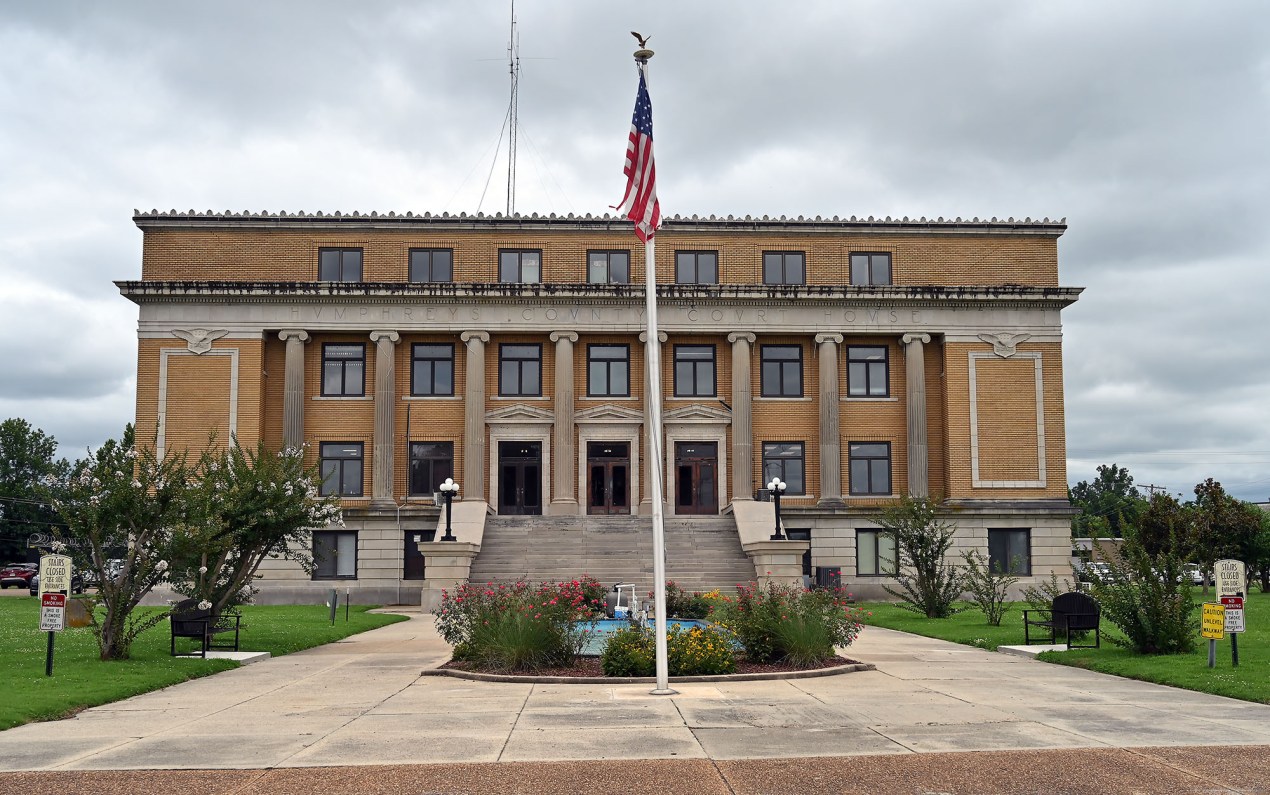
Months after the unfathomable loss of her daughter and unborn granddaughter, Shenelle Ball-Green stood before the Humphreys County Board of Supervisors, her voice resonating in the stately, tan brick courthouse. She implored the supervisors to reinstate emergency healthcare services, urging them to protect other residents from suffering similar fates. “I wanted to let them know at any given moment that could be your child, your mother,” she stated, emphasizing the profound interconnectedness of their small community. “We’re a small town. Everyone knows everyone.”
Ball-Green recalled the initial disappointment when the supervisors indicated they were powerless to act. However, a shift in the board’s composition following the 2023 elections brought a renewed sense of purpose and a change in attitude. Among the newly elected officials was Reggie Pinkston, who now presides as the board president. Pinkston possesses firsthand experience with the consequences of limited healthcare access, having previously worked as an EMT when the hospital was operational. His own family has experienced the devastating impact of delayed medical care. In 2021, a cousin living in Louise, a town approximately 20 miles south of Belzoni, suffered a stroke. The ambulance took an hour to arrive, and she passed away two days later. Witnessing these tragic delays has made expanding healthcare access a paramount priority for Pinkston. “We’re losing too many people in our county because of lack of healthcare,” he declared.
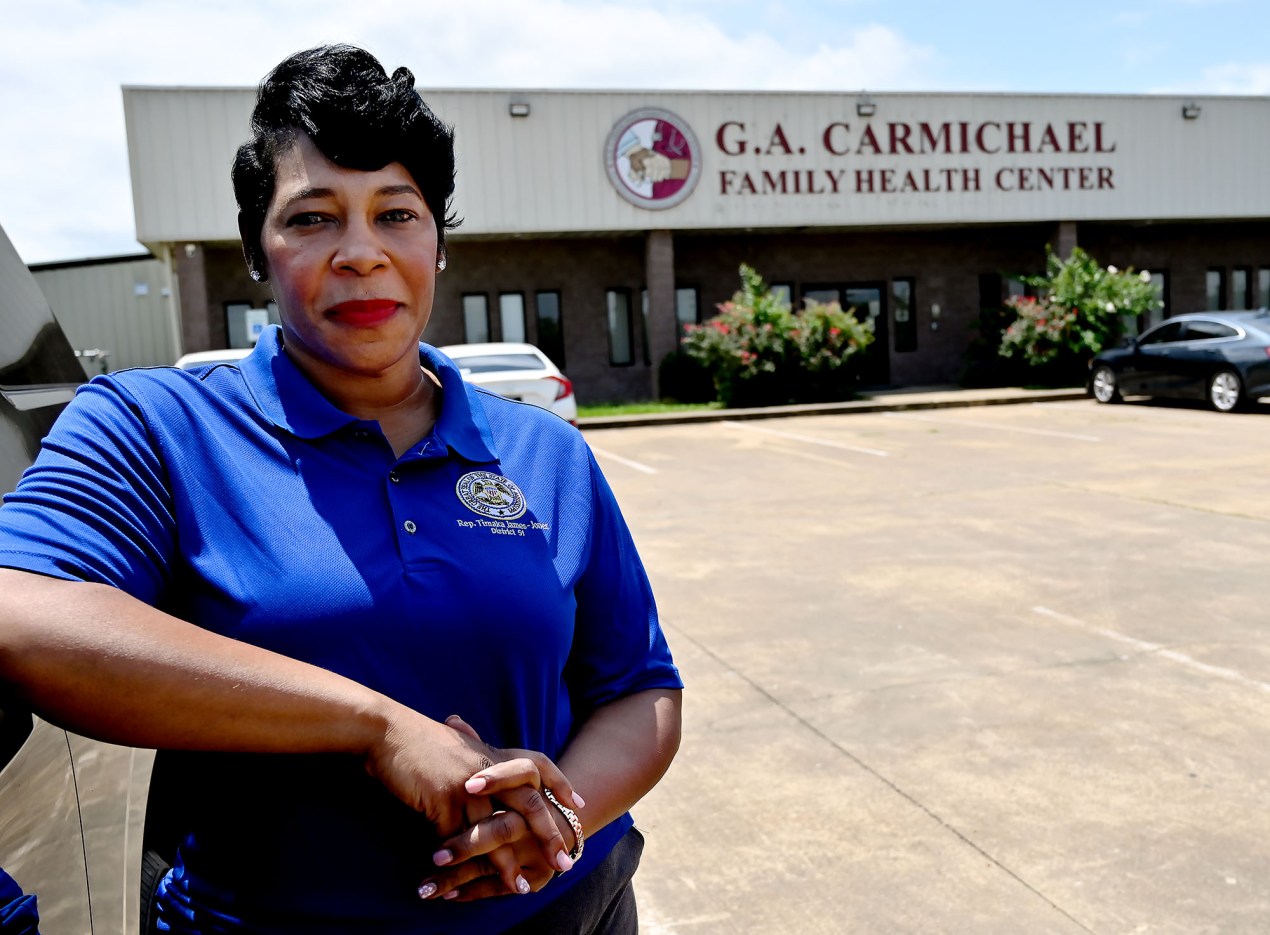
To address the crisis, the board has engaged several consultants to develop a comprehensive strategy for improving healthcare access and identifying sustainable funding sources. In late 2025, U.S. Representative Bennie Thompson successfully secured approximately $1 million for Humphreys County through the congressional Community Project Funding process, a mechanism that allows lawmakers to advocate for federal support for specific local initiatives. These funds are slated for the expansion of services at the G.A. Carmichael Family Health Center’s Belzoni location, utilizing a county-owned building on U.S. Route 49. Plans include extending the center’s operating hours to 5 a.m., acquiring new equipment, and potentially renovating the facility. James Coleman Jr., CEO of the health center, indicated that expanded operations could commence as early as September. Representative James-Jones views the establishment of an after-hours urgent care clinic as a critical first step toward the eventual reestablishment of emergency care services or a full-fledged hospital. “Something’s way better than nothing,” she affirmed.
Navigating the Steep Climb: Obstacles to Reopening a Hospital
Despite this promising initial development, Humphreys County faces formidable challenges in its quest to reopen a hospital. George Pink, a senior research fellow at the Cecil G. Sheps Center for Health Services Research at the University of North Carolina-Chapel Hill, who meticulously tracks rural hospital closures nationwide, notes that very few communities have successfully reopened hospitals after they have closed. “I can count that on one hand,” Pink stated, estimating only about five such instances.
The hurdles to reestablishing a hospital are substantial. These include securing the immense financing required for construction or renovation, attracting and retaining qualified medical professionals, and covering significant operating expenses during the lengthy licensing process before a facility can begin treating patients and generating revenue, according to Brock Slabach, Chief Operations Officer of the National Rural Health Association and a former rural hospital administrator in Mississippi. “Reopening a hospital is not for the faint of heart,” Slabach warned. “Once they close, it’s very difficult to reopen them.”
Local and state leaders in Humphreys County plan to pursue funding for a potential hospital project through the Rural Health Transformation Program, a federal initiative designed to disburse $50 billion to states over five years. Mississippi received nearly $206 million in December for the program’s inaugural year. This program aims to offset budget cuts enacted by federal legislation that could negatively impact rural hospitals. The One Big Beautiful Bill Act, passed by Republicans, is projected to reduce federal Medicaid spending by $911 billion over a decade and increase the number of uninsured individuals by 10 million, according to Congressional Budget Office estimates. Mississippi hospitals are anticipated to experience annual losses of approximately $160 million beginning in 2029, as projected by Cindy Bradshaw, executive director of the Mississippi Division of Medicaid.
However, federal guidelines stipulate that the Rural Health Transformation Program funds cannot be allocated for construction or major building expansions. Consequently, county officials are considering applying for funds from this program to support the recruitment of healthcare professionals.
Another potential avenue for rural communities to retain emergency and outpatient services is the federal Rural Emergency Hospital (REH) designation. Hospitals operating under this program receive over $3 million annually from the federal government and benefit from higher Medicare reimbursement rates. However, a significant limitation is that they are prohibited from offering inpatient care. Research conducted by George Pink’s team indicates that many hospitals converting to the REH model, established in 2023, have experienced increased profitability.
A critical prerequisite for REH designation is that the hospital must have been operational in 2020, a criterion that renders Humphreys County ineligible. U.S. Senator Cindy Hyde-Smith, a Mississippi Republican, introduced legislation in 2024 to extend this cutoff to 2014, a threshold that would still exclude Humphreys County. Representative James-Jones confirmed that county leaders have implored Senator Hyde-Smith to amend the proposed legislation to allow Humphreys County to qualify. Senator Hyde-Smith’s office did not respond to a request for comment for this article.
Charting a Course Through Policy and Funding Challenges
For the leaders of Humphreys County, the journey toward enhancing healthcare access necessitates navigating a complex landscape of state and federal policies, funding streams, and regulatory obstacles. Recent policy changes at the state level have, however, created some opportunities. In March, Mississippi Governor Tate Reeves, a Republican, signed legislation exempting Humphreys County from the state’s certificate of need (CON) requirements, which are intended to prevent unnecessary healthcare expansions. This exemption could potentially make the county more appealing to prospective healthcare providers. Nevertheless, the fundamental financial challenges that contributed to the closure of Patients’ Choice Medical Center in 2013 persist. Furthermore, Mississippi lawmakers have consistently rejected Medicaid expansion, thereby limiting a crucial source of reimbursement for rural hospitals and clinics.
Industry officials anticipate that the financial pressures on hospitals will intensify as Medicaid funding cuts are implemented. Predicting the precise impact of these cuts on the financial health of these facilities and the possibility of further reductions remains a significant challenge, according to Richard Roberson, president and CEO of the Mississippi Hospital Association. “If someone’s trying to run a business, they’ve got to be able to know what those numbers look like,” Roberson stated. “And it’s really hard to try to project that out right now.”
A Legacy of Resilience: Understanding the Deeper Meaning
For Shenelle Ball-Green, succumbing to the overwhelming obstacles would represent a profound disservice to the residents of Humphreys County who face health emergencies akin to the one her daughter endured. Five years have passed since Harmony Ball-Stribling’s funeral, a day that remains vividly etched in her mother’s memory. The weather was stormy, yet attendees brightened the somber occasion by wearing yellow, Harmony’s favorite color.
As friends and family gathered to pay their respects, Ball-Green recalled a funeral for a relative held four months prior. At that service, Harmony had sung the gospel classic "You Are My Strength" to a room filled with mourners. “She was singing, and she looked at me,” Ball-Green recounted, describing a peaceful yet eerie expression on her daughter’s face at that moment—a premonition of what was to come, though its full significance was yet unknown. “She turned around, and it was just that look, you know?”
Months later, at her daughter’s funeral, Ball-Green began to interpret that foreboding glance in a new light. She came to believe it was a sign that Harmony’s gift for helping others by sharing her story would transcend her own life. This purpose had manifested years earlier in her work as a teacher and continued as she shared candid social media posts about her fertility struggles and IVF journey in the final months of her life. Ball-Green noted that the community had become deeply invested in her and Harper’s story. In the intervening years, this legacy of connection has endured. Harmony Ball-Stribling’s story continues to resonate throughout Humphreys County, serving as a poignant reminder of what residents stand to lose if a hospital is not reestablished. “I think back on when she looked back at me,” Ball-Green said, her voice filled with a quiet understanding. “Now I understand.”