Sam’s Club Enters the Cruise Market in a Bold Partnership to Digitize an Offline Industry

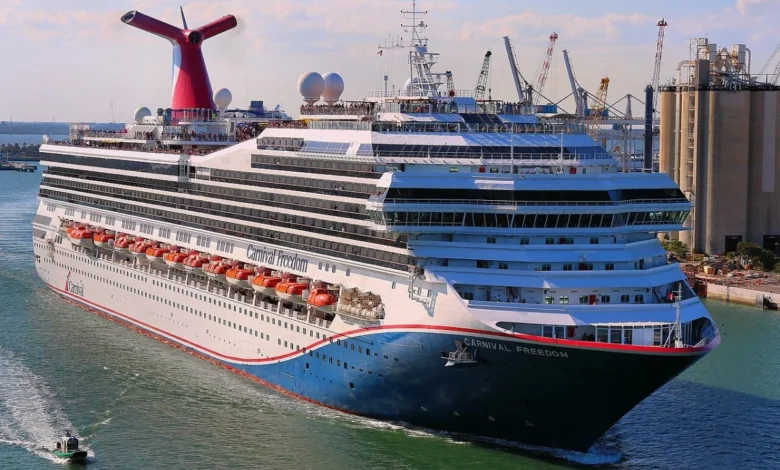
Sam’s Club, the prominent warehouse retail chain owned by retail behemoth Walmart, has officially entered the competitive cruise booking sector through a strategic partnership with Boundless Labs, a specialized cruise-booking technology firm. By relaunching Sam’s Club Travel with a newly integrated digital cruise reservation platform, the warehouse club is taking direct aim at one of the travel industry’s most stubborn strongholds: offline ticket sales.
While the broader travel ecosystem—including flights, hotels, car rentals, and standard vacation packages—has shifted overwhelmingly toward online self-service over the past two decades, cruises and multi-destination experiences remain significant holdouts. Industry estimates indicate that a vast majority of cruise bookings still occur offline, facilitated by traditional travel agencies or direct phone calls with cruise line representatives. Sam’s Club, leveraging its massive consumer base of cost-conscious shoppers, aims to demonstrate that advanced travel technology can successfully simplify complex marine itineraries for the mass market.
The collaboration centers on Boundless Labs, a five-year-old travel technology enterprise known for powering digital vacation booking systems for high-profile clients such as Kayak and PerkSpot. By integrating Boundless Labs’ proprietary software into the revamped Sam’s Club Travel portal, the retail giant hopes to replicate the success its technology partner has achieved elsewhere. According to internal data from Boundless Labs, more than 90 percent of the cruise bookings processed through its digital infrastructure for various partners successfully complete the transaction entirely online, bypassing the traditional human intermediary entirely.
The Complexity of Cruise Bookings and the Digital Shift
To understand the magnitude of what Sam’s Club and Boundless Labs are attempting, one must examine why the cruise sector has resisted the digital transformation that revolutionized air travel and hotel reservations in the late 1990s and early 2000s. Booking a cruise is fundamentally different from purchasing an airline ticket or reserving a standard hotel room. It is rarely a standalone transaction.
A comprehensive cruise booking involves a multitude of interlocking variables. Consumers must navigate the core sailing itinerary, select from dozens of specialized cabin categories—ranging from interior staterooms and ocean-view rooms to expansive balcony suites and exclusive ship-within-a-ship luxury enclaves—and choose among increasingly intricate meal plans and beverage packages. Furthermore, the logistics often extend far beyond the vessel itself. Travelers frequently require integrated flights to the embarkation port, pre-cruise and post-cruise hotel accommodations, ground transportation transfers between airports and cruise terminals, and pre-booked shore excursions at multiple ports of call.
Historically, this multi-layered complexity convinced consumers that human travel agents were indispensable for avoiding costly mistakes. Travel agents provided a layer of reassurance, ensuring that flight arrival times aligned safely with ship departure schedules and that families or groups were properly accommodated.
However, changing consumer behaviors, driven by millennial and Generation Z demographics who prioritize digital convenience, have created an opening for change. Modern travelers increasingly expect the same frictionless, transparent, and self-directed booking experience for cruises that they enjoy when purchasing consumer goods on e-commerce platforms. By offering curated itineraries, handpicked sailings, and top-tier destinations packaged in an intuitive digital interface, Sam’s Club is betting that its members are ready to embrace online cruise shopping.
Chronology and Background of Sam’s Club Travel
The evolution of Sam’s Club Travel reflects a broader corporate strategy by Walmart to diversify its revenue streams, enhance member retention, and offer high-value ancillary services to its millions of warehouse club members.
In the years leading up to the current partnership with Boundless Labs, Sam’s Club operated various iterations of a travel portal, often outsourcing fulfillment to traditional legacy travel providers. While these platforms offered basic discounts on hotels and rental cars, they frequently lacked the sophisticated inventory management and specialized interface required to handle complex cruise itineraries seamlessly.
The timeline for the current transformation began taking shape over the past two years as Boundless Labs expanded its B2B2C (business-to-business-to-consumer) white-label technology offerings. Recognizing that large membership organizations and loyalty programs possessed untapped audiences eager for travel discounts, Boundless Labs refined its software to handle the intricate pricing structures, real-time cabin availability updates, and dynamic promotional offers utilized by major cruise lines such as Royal Caribbean, Carnival Cruise Line, Norwegian Cruise Line, and Celebrity Cruises.
In late 2023 and early 2024, preliminary discussions between Sam’s Club executives and Boundless Labs laid the groundwork for a technological overhaul of the retail club’s travel division. The objective was clear: create a streamlined, members-only travel portal that combines the deep discounting power associated with the Sam’s Club brand with the frictionless digital user experience pioneered by modern travel tech startups.
The newly redesigned Sam’s Club Travel site officially went live, marking a major milestone for both companies. Rather than overwhelming users with an uncurated ocean of thousands of global sailings—a common pitfall of early online travel agencies that often paralyzed consumers with too many choices—the platform takes a curated approach. Sam’s Club explicitly curates specific itineraries, sailings, and destinations tailored to the demographic preferences of its membership base, emphasizing family-friendly value, Caribbean getaways, and popular Alaskan and European deployments.
Analyzing the Strategic Implications for Retail and Travel
The entry of Sam’s Club into the digital cruise booking space carries significant implications for both the retail sector and the broader travel industry.
From a retail perspective, this move underscores the ongoing blurring of lines between traditional retail and lifestyle services. Warehouse clubs like Sam’s Club, Costco, and BJ’s Wholesale Club have long understood that membership retention relies on delivering exceptional value across a wide spectrum of consumer spending. While groceries, electronics, and household goods form the foundation of their business, high-margin ancillary services such as travel, optical centers, pharmacies, and financial services create a sticky ecosystem that discourages members from canceling their annual subscriptions.
Costco Travel has long served as the gold standard in this arena, proving that warehouse clubs can become formidable players in the vacation booking space, particularly for cruises and resort packages. By partnering with Boundless Labs, Sam’s Club is mounting a more aggressive challenge to capture a larger share of its members’ travel budgets, utilizing cutting-edge technology to leapfrog older legacy systems.
For the cruise industry, the implications are equally profound. Cruise lines have experienced a remarkable post-pandemic demand boom, setting successive passenger volume records. However, cruise executives are acutely aware that attracting new-to-cruise demographics is essential for long-term industry growth. Traditional brick-and-mortar travel agencies, while still vital for luxury and complex group bookings, have a limited reach among younger, digitally native consumers who prefer to research and purchase vacations independently late at night on their smartphones or laptops.
By placing cruise options directly in front of millions of Sam’s Club members through a trusted retail portal, the partnership effectively opens a massive new demographic funnel for cruise lines. If Boundless Labs’ technology can successfully convert offline-leaning shoppers into online cruise buyers at scale, other major retailers and consumer ecosystems may look to replicate the model, accelerating the long-awaited digital transformation of the cruise sector.
Industry Reactions and Market Outlook
While formal statements from competing travel agencies and cruise lines remain measured, industry analysts view the Sam’s Club initiative as a watershed moment for niche travel tech integration.
Market observers note that the success of the platform will hinge on two primary factors: customer service and post-booking support. While digital interfaces excel at the initial discovery and checkout phases, cruise travelers frequently require assistance post-purchase—whether for modifying cabin selections, adding dining reservations, handling medical emergencies prior to departure, or managing flight disruptions. Boundless Labs and Sam’s Club have reportedly structured their customer support protocols to include dedicated call-center backup, blending automated digital convenience with human problem-solving capabilities when complex issues arise.
Furthermore, the economic climate plays a favorable role. As consumers navigate shifting macroeconomic conditions and inflationary pressures, the demand for high-value travel packages bundled with exclusive member perks—such as onboard spending credits, reduced deposit requirements, or complimentary shore excursions—has intensified. By leveraging the collective buying power of the Sam’s Club membership base, the platform can negotiate competitive pricing structures that appeal directly to budget-conscious travelers without sacrificing perceived quality.
Looking ahead, the collaboration between Sam’s Club and Boundless Labs serves as a clear signal to the travel industry: even the most complex, offline-dominated sectors are ultimately susceptible to technological modernization if the user experience is designed correctly. As the newly relaunched portal gains traction, travel technology developers and major retail brands alike will be closely monitoring conversion rates, user feedback, and booking volumes to determine whether the final major frontier of offline travel booking is finally ready to set sail into the digital age.