
The annual ritual of selecting gifts for fathers and father figures has evolved significantly over the past decade, moving away from generic consumer goods toward items that emphasize shared experiences, long-term utility, and meaningful personal connection. As the 2026 holiday shopping season commences, market data suggests a shift in consumer behavior: buyers are increasingly prioritizing quality-over-quantity, favoring brands with transparent supply chains and charitable initiatives. This guide synthesizes current consumer trends, logistical considerations for holiday gifting, and expert-recommended items for the 2026 season.

The Evolution of the Modern Gift Economy
The gift-giving sector has experienced a notable transformation due to the integration of e-commerce personalization and a renewed focus on sustainability. According to retail analysts, the "dad gift" category—traditionally dominated by novelty items—has pivoted toward "functional luxury." Consumers are now more likely to invest in high-quality staples, such as premium eyewear, artisanal apparel, and experiences that facilitate family bonding. This transition reflects broader economic shifts, where the value of a gift is increasingly measured by its longevity and the emotional return on investment.
Curated Recommendations for 2026
The following selections have been identified based on high consumer ratings, supply chain reliability, and their alignment with contemporary lifestyle trends.

Functional Accessories and Personal Care
High-utility items remain at the forefront of the 2026 gift landscape. Warby Parker’s latest collection of frames, for example, highlights a move toward classic aesthetics, such as the iconic styles popularized by mid-century cinema, while maintaining modern manufacturing standards. Pricing for these items typically starts around $95, reflecting a mid-market tier that balances accessibility with brand prestige.
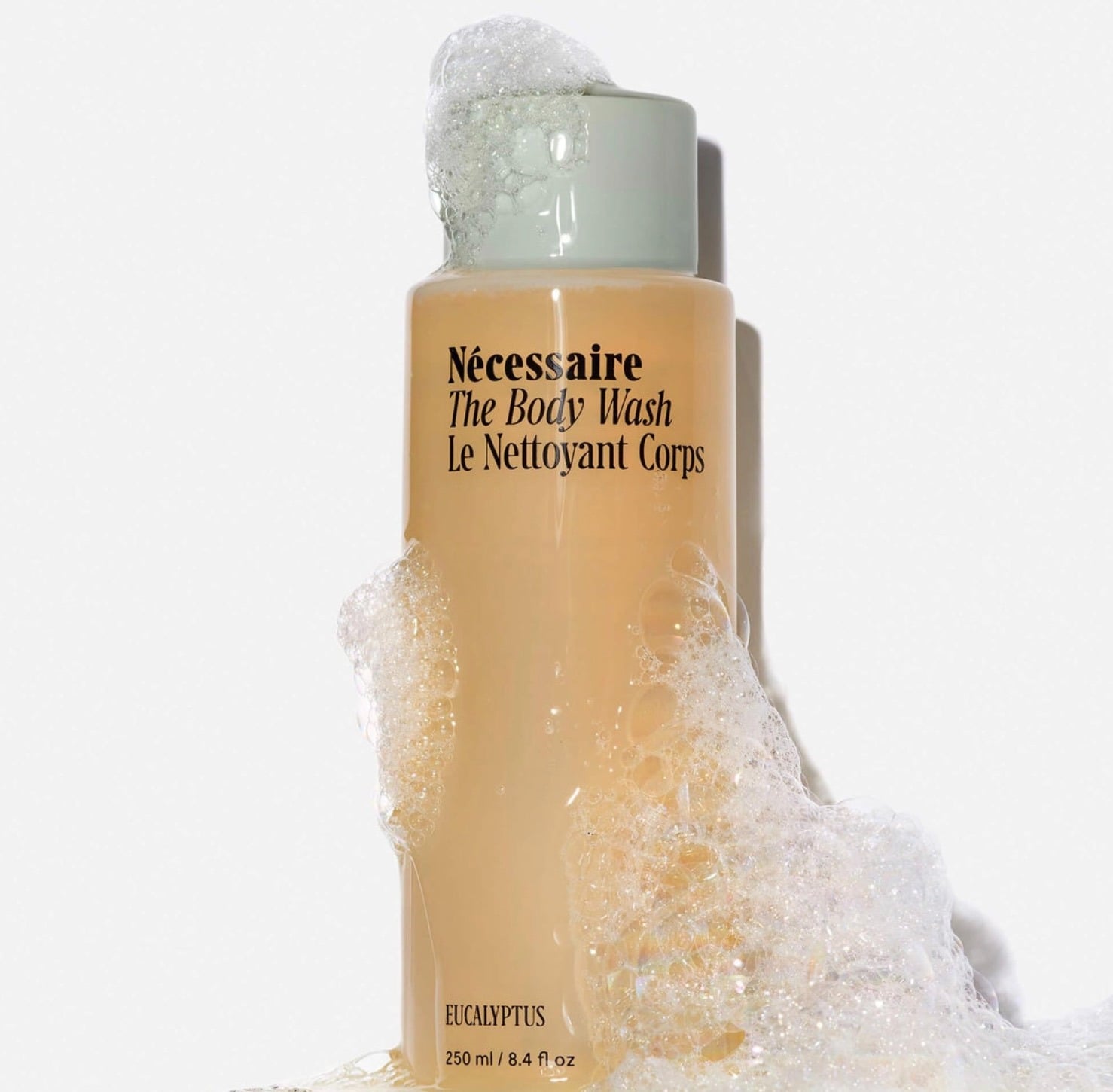
In the realm of personal grooming, there is a measurable trend toward "scent-scape" marketing, where consumers gravitate toward products that offer sensory experiences. Premium body washes, often priced near $28, have become staples in gift baskets, signaling a move toward affordable self-care products that were previously overlooked in traditional gift guides. Additionally, the rise of specialized wellness technology—such as the $26 cold therapy cap for tension management—illustrates how consumers are prioritizing home-based health solutions that offer immediate relief after demanding work cycles.

Apparel and Comfort
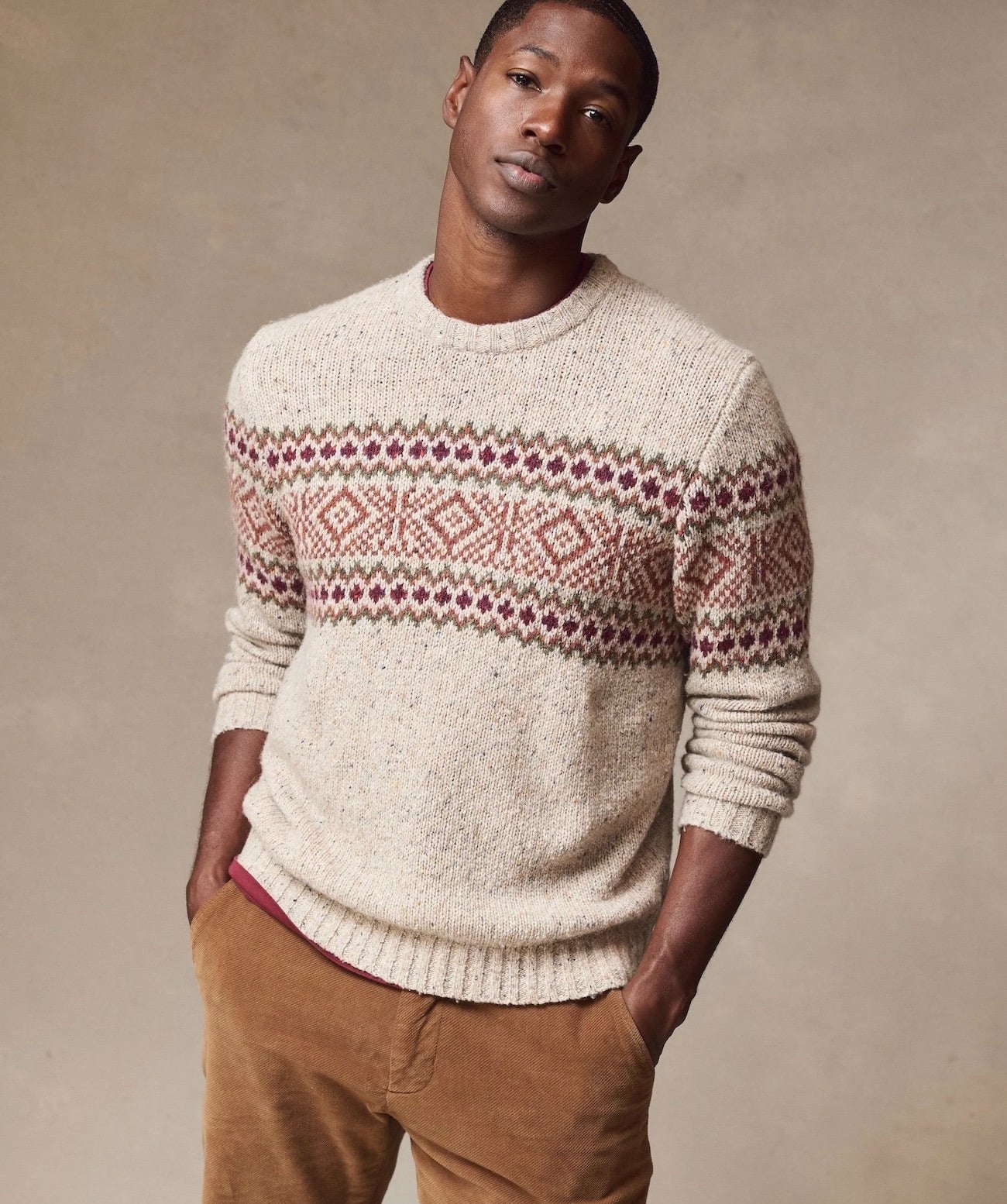
Textile quality remains a primary driver for apparel purchases. Sweaters and outerwear designed with a focus on regional aesthetics—such as the California coastal-inspired collections—are currently seeing high demand. With an average price point of $188, these garments are positioned as "investment pieces." The popularity of such items is often tied to the "cozy economy," a phenomenon where consumers prioritize indoor comfort as a response to fluctuating household energy costs and the prevalence of hybrid work environments.
Intellectual and Recreational Engagement
True crime and historical non-fiction continue to dominate the literary gift category. Publications like Patrick Radden Keefe’s London Falling satisfy a growing demographic of readers interested in investigative journalism and socio-political history. These gifts are not merely products but serve as catalysts for conversation.
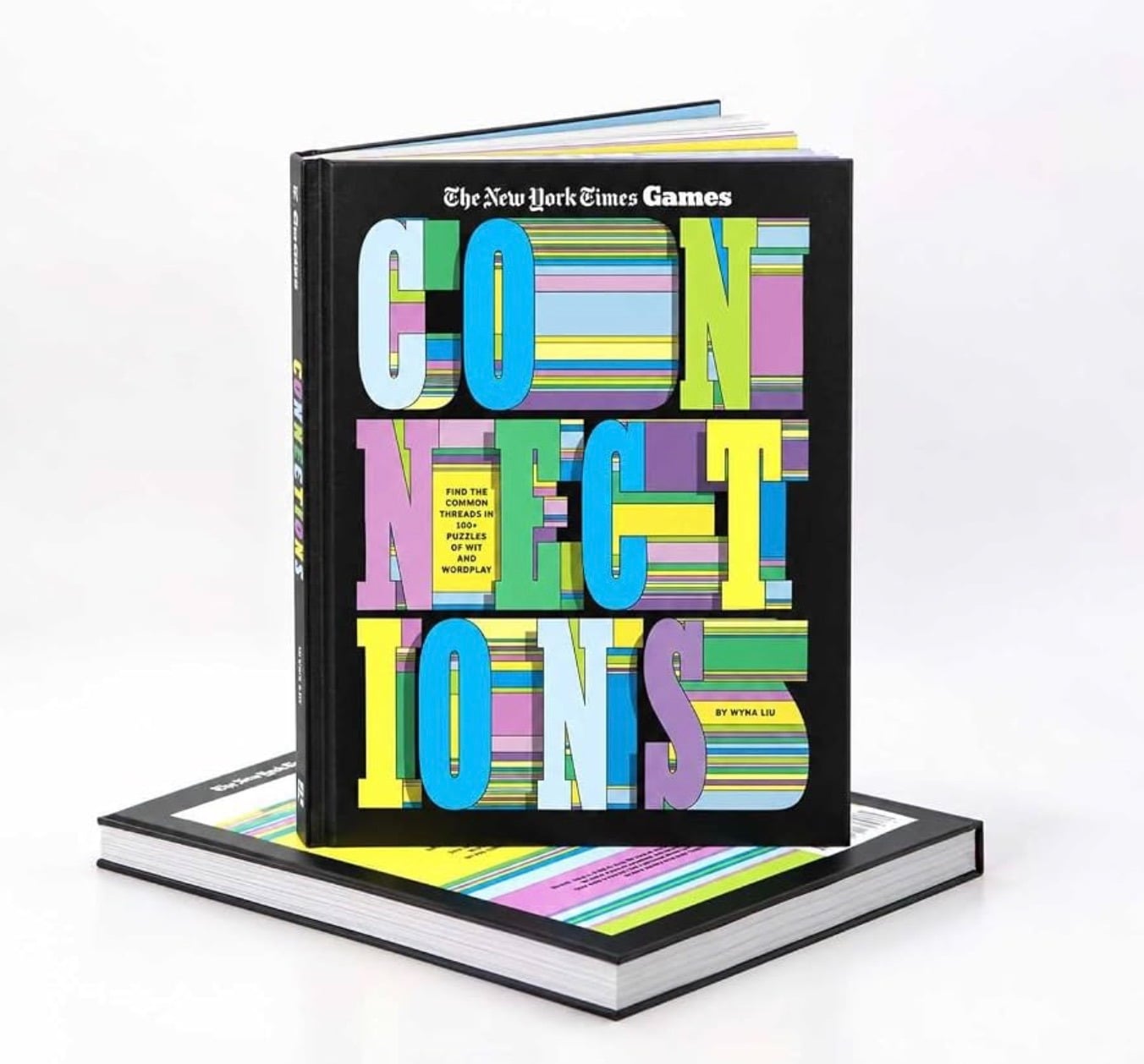
Furthermore, the surge in popularity of digital-to-physical crossovers, such as the Connections book (retailing at $20), underscores a trend toward "analog play." These products encourage collaborative activity during the holidays, providing a structured way for multi-generational families to engage with one another. Customization options, which allow families to embed inside jokes or personal milestones into these games, are increasingly sought after, adding a layer of sentimentality that mass-market products cannot replicate.
Logistics and Timing: Ensuring Holiday Success
The 2026 shopping calendar is tighter than in previous years, with supply chain experts advising consumers to finalize purchases by mid-December to avoid potential shipping delays. For those looking to support local economies or avoid shipping altogether, retail experiences—such as visiting a brick-and-mortar optical shop to try on frames—are recommended. This "phygital" approach (a blend of physical and digital) allows the recipient to be involved in the selection process, reducing the likelihood of returns and increasing the personal value of the gift.
Charitable Giving and Social Responsibility
A significant development in the 2026 gifting landscape is the rise of the "philanthropic gift." Donations made in a recipient’s name to organizations like World Central Kitchen are becoming a preferred choice for individuals who value social impact over physical consumption. This trend is supported by data from the philanthropic sector, which indicates that younger generations are more likely to view a charitable donation as a "gift" than previous cohorts. By supporting organizations that address global food security or emergency relief, donors provide a gift that carries lasting societal value.
The Value of Personal Correspondence
Despite the technological advancements in gift-giving, physical media remains the gold standard for emotional expression. High-quality, thoughtfully written greeting cards continue to be the most highly-valued component of any gift. The inclusion of niche, culturally relevant items, such as commemorative postage stamps (e.g., the U.S. Postal Service’s lowrider series), allows for a personalized touch that elevates a standard card into a collectible item.

Market Implications and Future Outlook
The 2026 holiday season serves as a bellwether for the retail industry. As inflation and supply chain volatility remain constant factors, companies that offer "timeless" products—those that do not follow fleeting fads—are expected to outperform their competitors. The success of items like the Italian money box or the "world’s most difficult puzzle" highlights that consumers are looking for objects that possess either long-term utility or the potential to create a shared, humorous experience.
Looking ahead, the integration of technology into traditional gift categories will likely continue. Whether through custom-printed games, specialized cold-therapy equipment, or charitable portals, the goal for the 2026 consumer is clear: to find items that bridge the gap between necessity and novelty.
Summary of Best Practices for Gifting
- Prioritize Utility: Focus on items that improve daily routines, such as high-quality grooming products or comfort-focused apparel.
- Facilitate Connection: Choose gifts that encourage interaction, such as books, games, or collaborative experiences.
- Incorporate Sentiment: Always pair a physical gift with a personal note, or consider a charitable donation that reflects the recipient’s values.
- Plan Early: Utilize retail calendars to ensure timely delivery and to take advantage of in-store services that provide a more interactive shopping experience.
By focusing on these principles, gift-givers can navigate the 2026 retail landscape with confidence, ensuring that their choices are both practical and deeply meaningful to the fathers and father figures in their lives. The season’s emphasis on thoughtful, high-quality selections represents a return to the foundational purpose of gifting: to acknowledge the individual and strengthen the familial bond.