How a Revolutionary Propeller Design Is Quietting the World’s Oceans and Saving Marine Life

When people visualize environmental pollution, images of smog-choked city skies, plastic-strewn coastlines, and toxic industrial runoff typically come to mind. Yet beneath the surface of the world’s oceans, a pervasive, invisible form of environmental degradation has been escalating for decades: underwater noise pollution. Driven by commercial shipping lanes, offshore resource extraction, seismic testing, and deep-sea mining, the acoustic landscape of the global marine environment has fundamentally transformed. An ecosystem that once echoed with the complex, low-frequency songs of whales and the subtle clicking of fish now increasingly resembles an endless, high-decibel heavy metal concert.
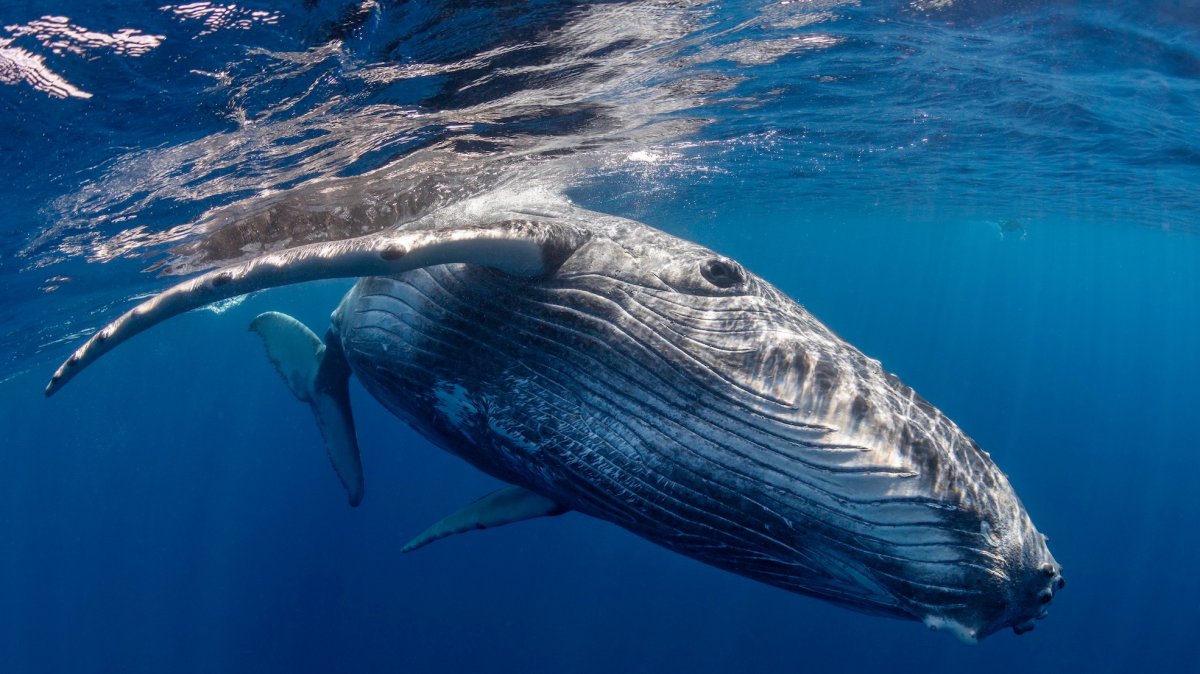
This acoustic saturation presents a severe biological crisis for marine mammals, particularly baleen and toothed whales. These animals rely on sound as their primary sense, utilizing low-frequency bandwidths—roughly between 10 and 300 Hertz—to navigate, locate prey, attract mates, and maintain social cohesion across vast expanses of ocean. Unfortunately, the acoustic footprint generated by modern commercial shipping shares this exact frequency range. The resulting overlap creates a masking effect that blinds marine life acoustically, hindering their day-to-day survival and pushing vulnerable populations toward ecological tipping points.
The Genesis of Marine Noise Pollution
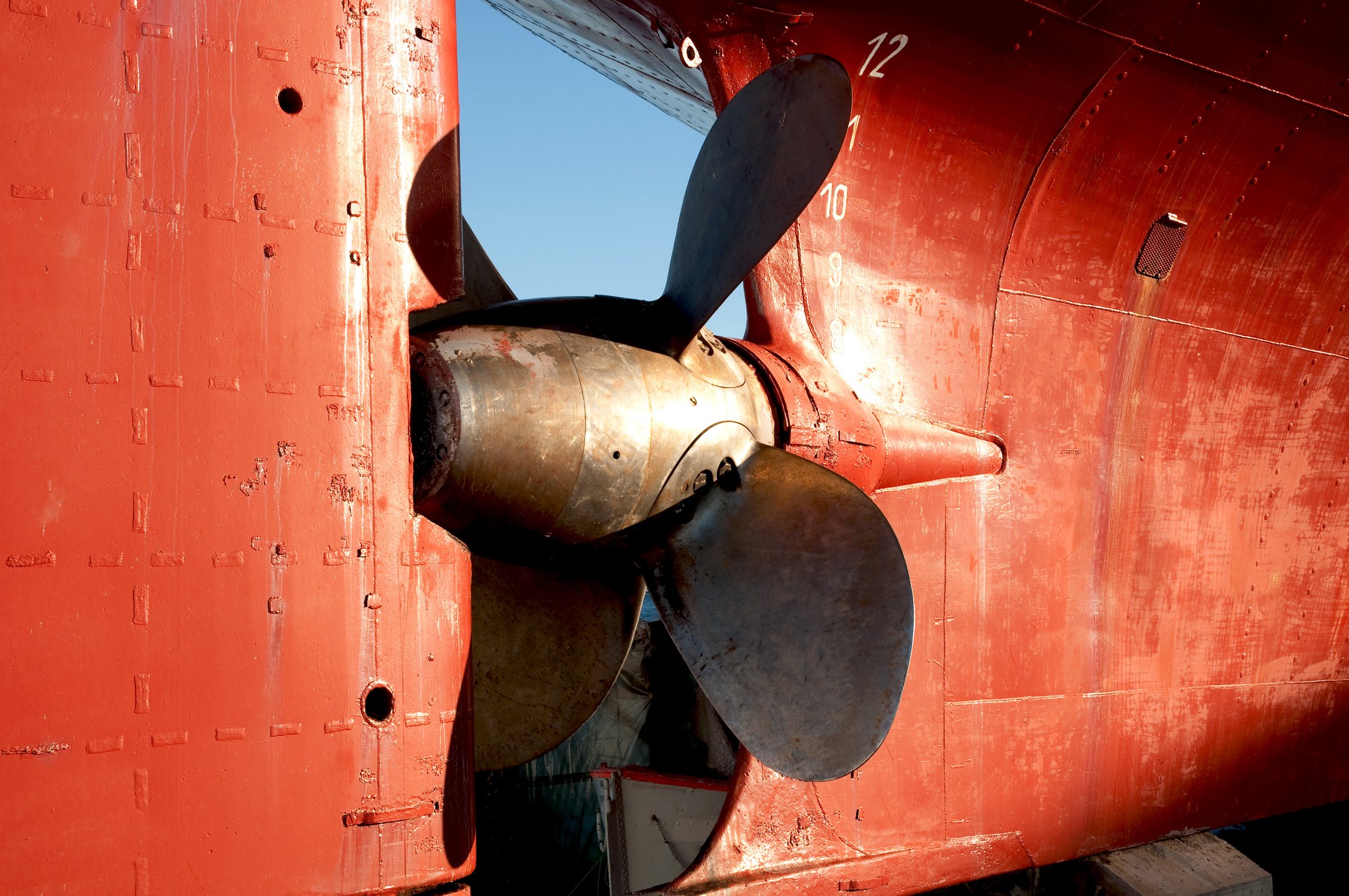
To understand the scale of the crisis, marine scientists point to the sheer volume of global maritime traffic. Every day, hundreds of thousands of vessels traverse international waters, ranging from local fishing boats and whale-watching charters to massive container ships that anchor global supply chains. Roughly 6,000 of these leviathans operate continuously, moving goods across oceans while emitting an unrelenting, low-frequency hum that travels thousands of miles through dense seawater.
In marine ecology, this phenomenon is not merely an inconvenience; it is a physiological and behavioral disruptor. Research indicates a direct correlation between ambient noise levels and the foraging success of apex predators like orcas. Studies show that for every single-decibel increase in ambient noise surrounding killer whales, their likelihood of initiating a foraging effort increases by four percent, while their actual success rate in catching prey drops by 12.5 percent.
Acoustic ecologists liken the experience of marine mammals in noisy waters to a human trying to function normally while having a blinding floodlight beamed directly into their eyes twenty-four hours a day. The constant auditory assault forces these animals to expend vital energy shouting over engine noise, compromising their immune systems, interrupting resting periods, and reducing reproductive rates.
The Science of Cavitation and the Traditional Screw Propeller
The primary mechanical driver of this underwater din is a physics phenomenon known as cavitation. Invented in the 1830s by engineers Francis Pettit Smith and John Ericsson, the modern screw propeller has remained virtually unchanged for nearly two centuries. While remarkably effective at converting engine torque into forward thrust, traditional propellers have a significant aerodynamic flaw when operating underwater.
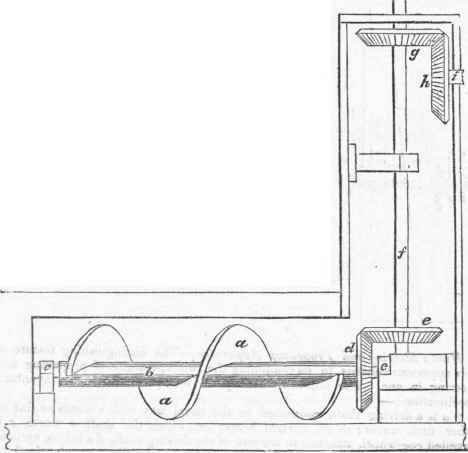
As a conventional screw-shaped propeller spins at high velocities, the pressure differential across its blades drops dramatically, generating a trail of microscopic vapor bubbles immediately behind it. These bubbles possess immense latent energy. When they violently collapse or "pop" fractions of a second later, they release sharp shockwaves that manifest as a crackling, hissing sound. A standard commercial propeller can generate and implode millions of these bubbles every second, creating a cacophony that propagates outward through the water column.
A Quiet Revolution: The Sharrow Propeller Breakthrough
Addressing this nearly two-century-old engineering challenge required a completely unconventional approach. Enter Greg Sharrow, a former classical composition executive producer and broadcasting director who originally set out to solve an entirely different acoustic problem: building a silent drone capable of filming a violinist from within the middle of a live orchestra.
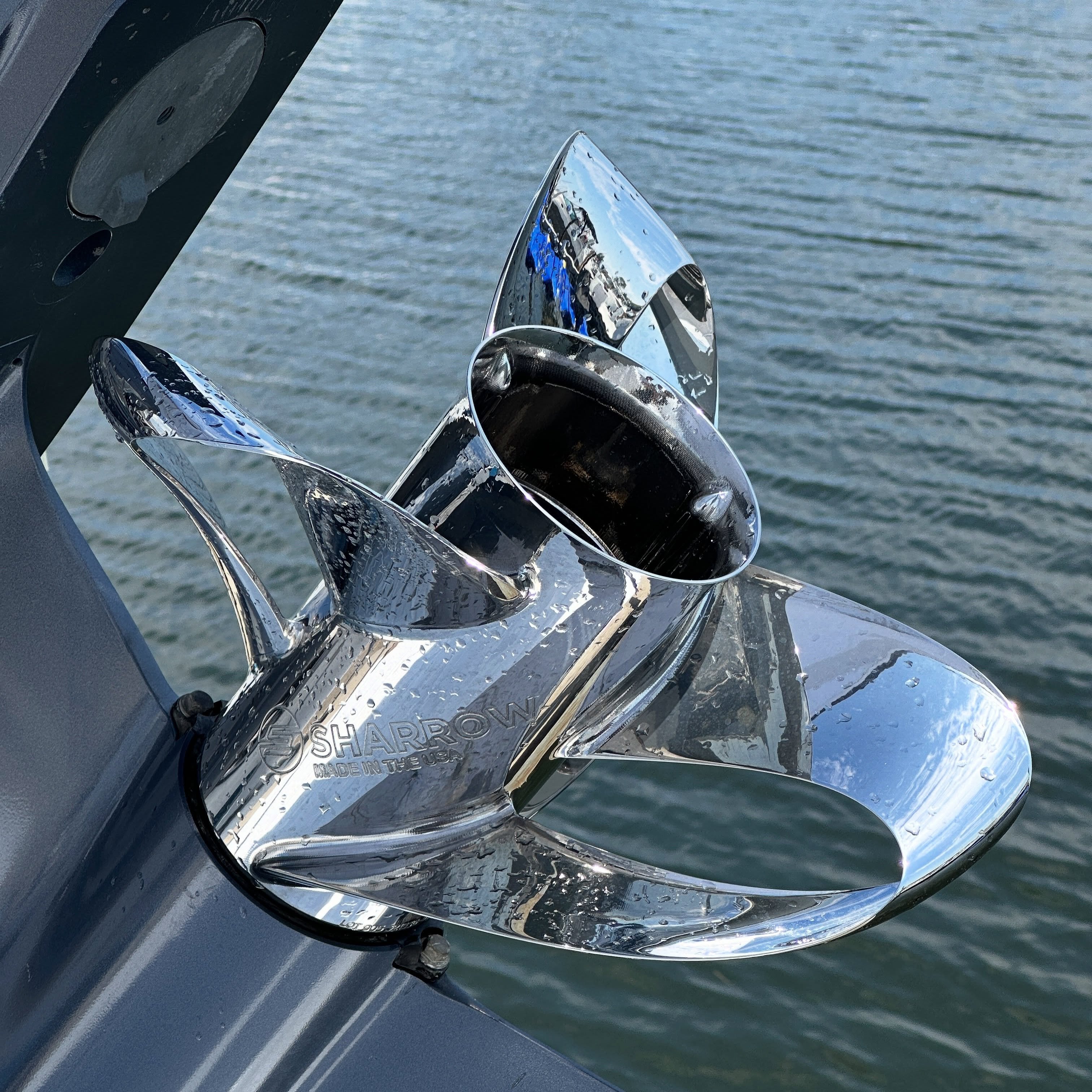
Recognizing that the high-pitched, beehive-like whine of drones stemmed from the tip vortices of their spinning blades, Sharrow asked a fundamental question that had eluded engineers for generations: What would a tipless propeller look like and how would it function?
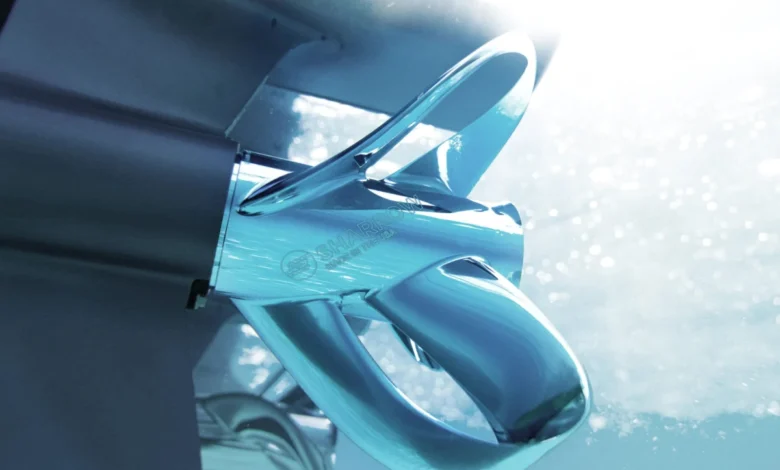
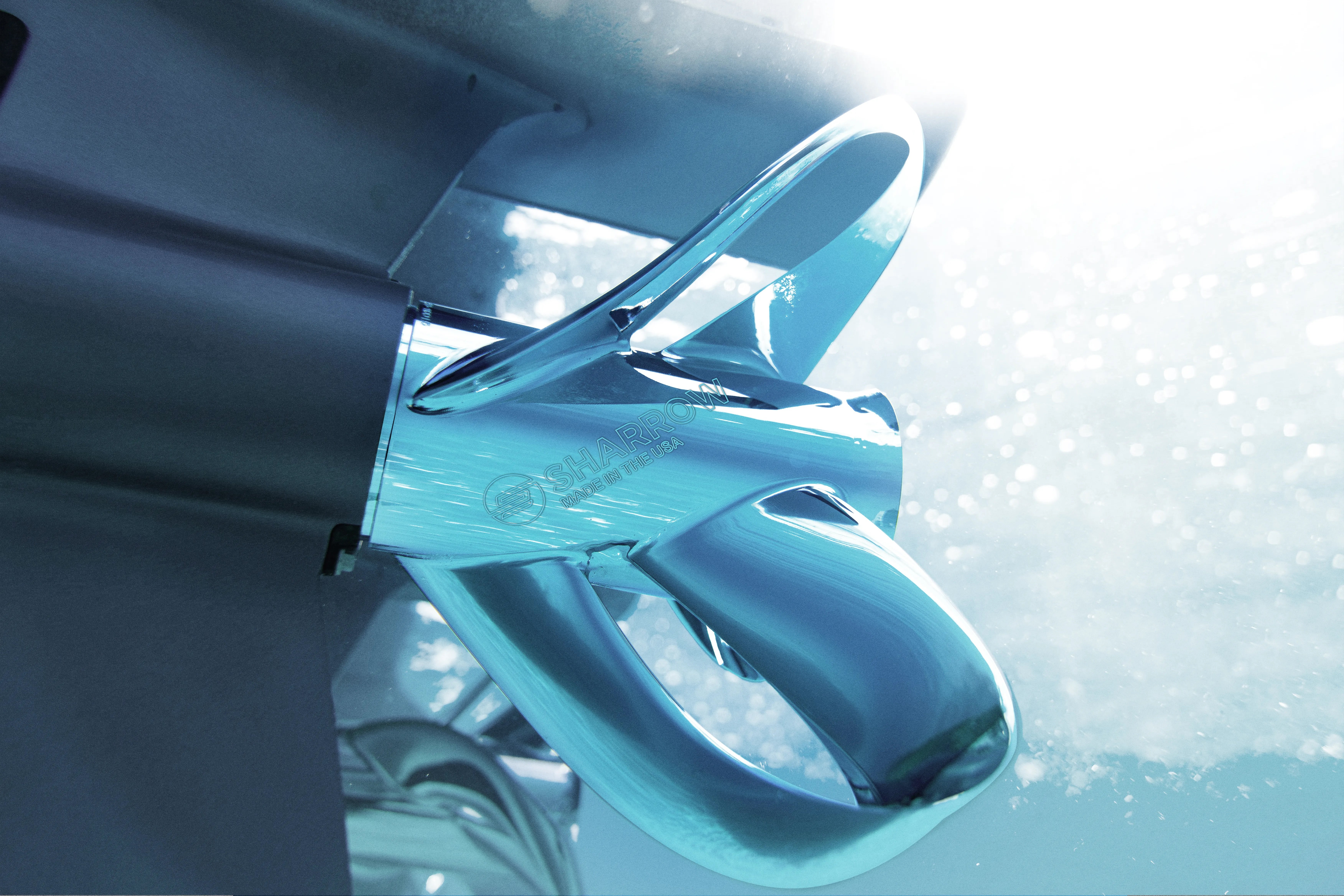
Years of geometric experimentation followed, beginning with rudimentary prototypes tested in a fish tank, progressing through more than 640 iterations, and culminating in a partnership with the University of Michigan. The resulting design discarded the free-hanging blade tips of traditional propellers in favor of a looped, ribbon-like geometry. By eliminating the blade tips, the design drastically suppresses tip vortices and subsequently neutralizes the cavitation bubbles responsible for the vast majority of underwater vessel noise.
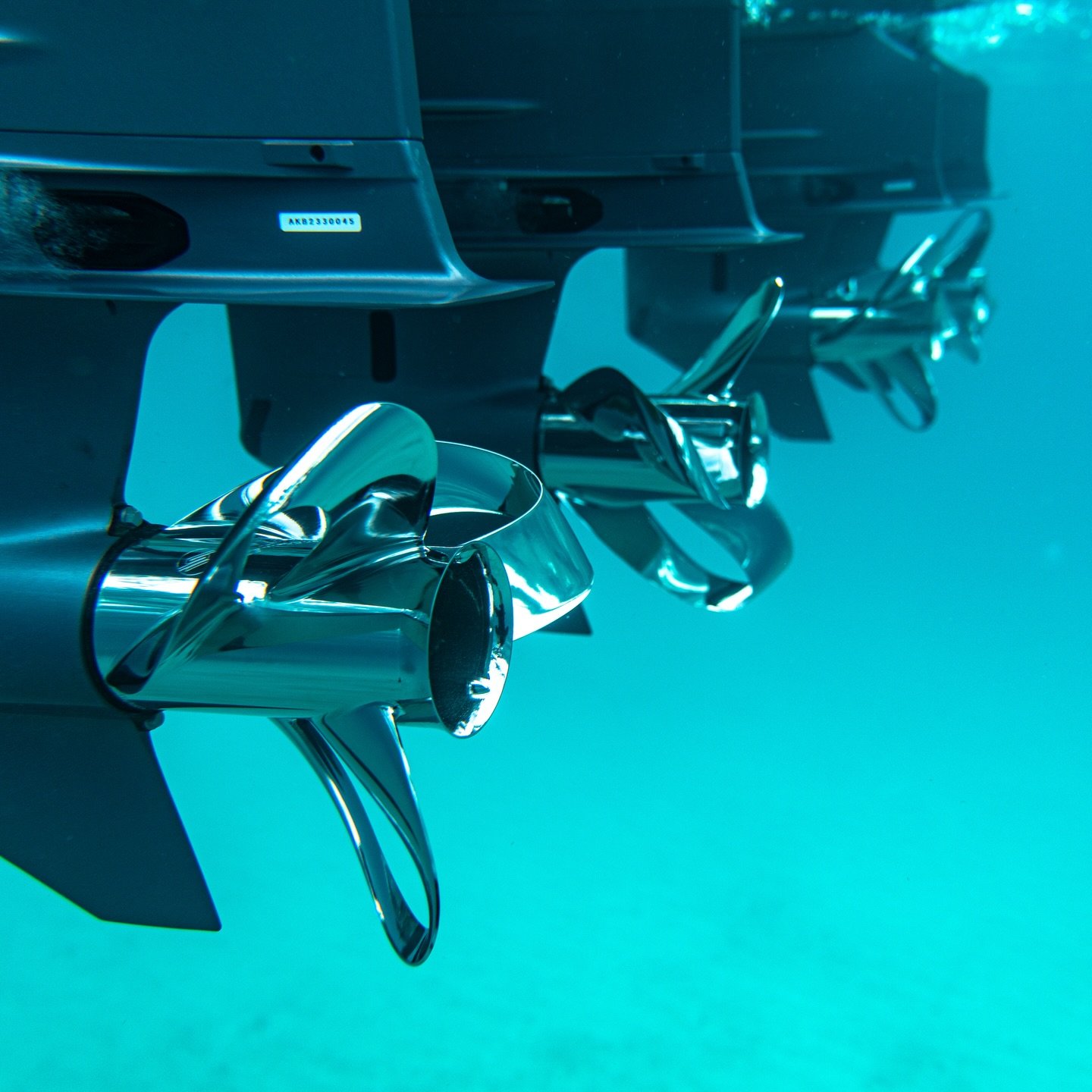
Expanding from his initial focus on drones, Sharrow realized his invention had far more profound implications for the maritime industry. Supported by the Ford Motor Company and operating out of a 60,000-square-foot manufacturing facility in Detroit, Sharrow Marine began producing commercial marine propellers designed to dramatically quiet boats while simultaneously improving fuel efficiency.
Real-World Testing and Marine Conservation Partnerships
To validate the technology outside of controlled laboratory environments, Sharrow Marine partnered with Ocean Alliance, a prominent marine conservation nonprofit founded in 1971 by environmentalist Roger Payne. Iain Kerr, CEO of Ocean Alliance and a former boat captain, initially approached the claims of quiet propulsion with healthy skepticism. However, after outfitting a research vessel with the looped propeller and taking it on a 75-mile expedition, Kerr described the results as crystal clear.
The vessel exhibited noticeably less vibration, increased fuel efficiency, and a drastic reduction in visible cavitation wakes. For Ocean Alliance, which frequently uses innovative technologies like the "SnotBot" drone to collect non-invasive biological samples from whale blowholes, quieter engines offer a dual benefit. Not only do they reduce anthropogenic stress on marine wildlife, but they also allow researchers to approach animals for study without triggering flight responses.
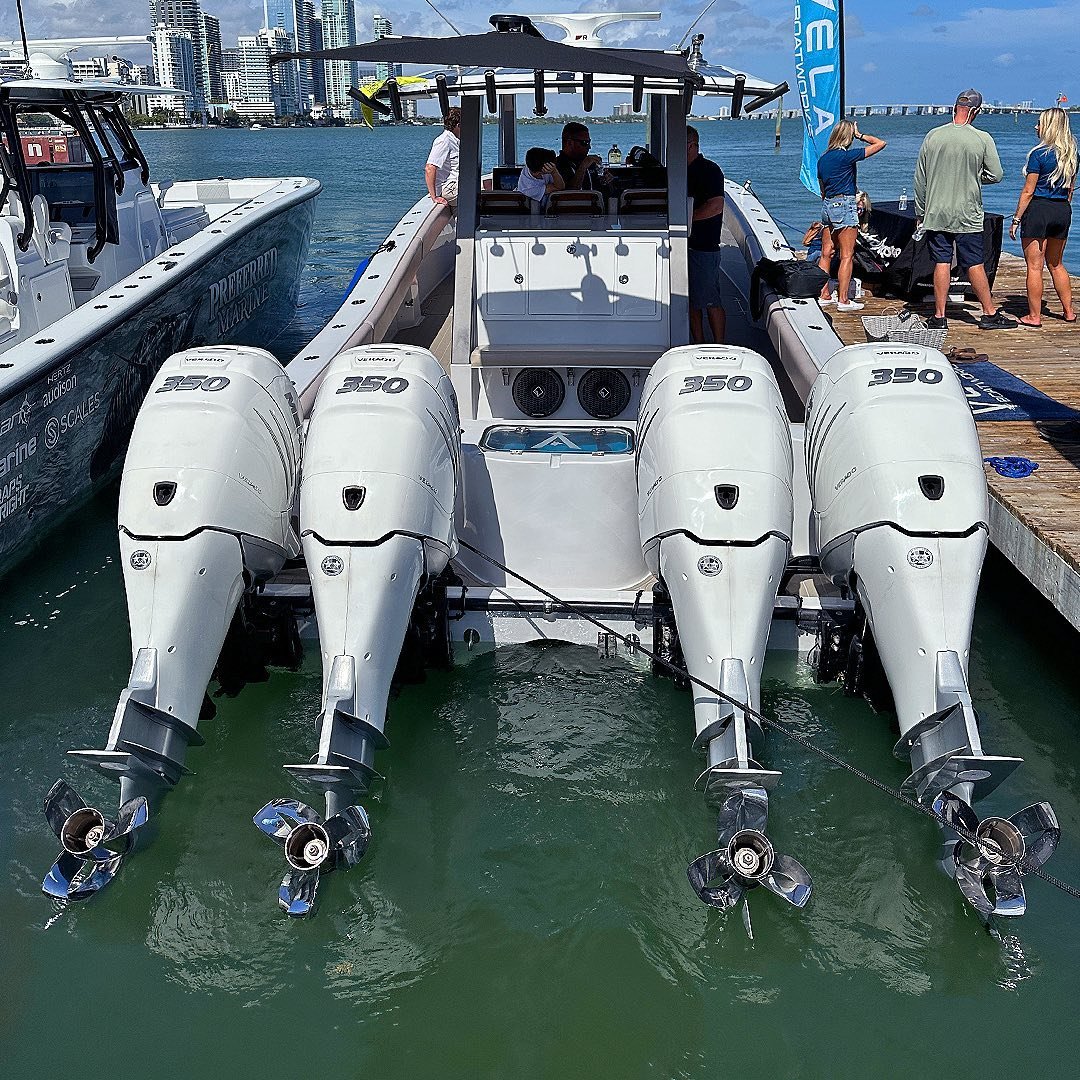
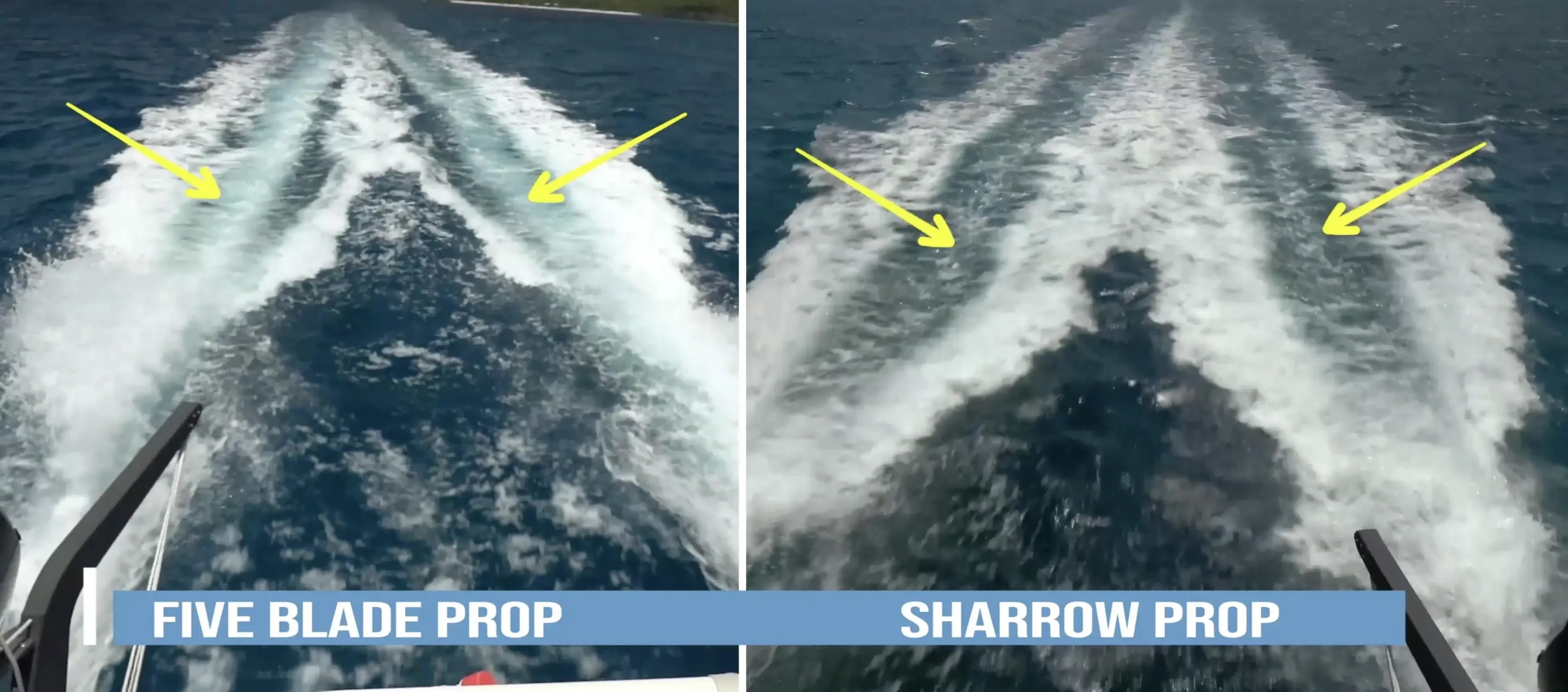
Independent testing and company data indicate that vessels equipped with Sharrow propellers can reduce underwater noise output by up to 7 to 24 decibels across various frequencies, directly overlapping the critical communication bandwidths used by whales. Anecdotal reports from commercial whale-watching operators using the technology suggest that marine life appears less startled and more frequently sighted near vessels utilizing the looped blades.
Micro-Cures and Broader Industry Challenges
While the adoption of advanced propeller designs on recreational and mid-sized research vessels represents a promising step forward, experts caution that it is not a silver bullet for the global ocean noise crisis. Scaling this intricate geometry to fit the massive drive shafts of container ships remains a formidable engineering hurdle. Although Sharrow Marine has expressed confidence in eventually manufacturing large-scale propellers for commercial shipping freighters, the transition period for the global merchant fleet will take decades.

Consequently, marine biologists emphasize the necessity of a multi-pronged mitigation strategy. Regulatory bodies and maritime authorities can implement immediate operational changes, such as mandatory speed restrictions for cargo vessels navigating biologically sensitive areas. Lowering vessel speed inherently reduces cavitation and sound output. Additionally, establishing temporal shipping lanes—routings that incorporate designated quiet windows where maritime traffic is paused—can provide marine mammals with essential periods of acoustic respite.
Lessons from the Pandemic Silence
The remarkable resilience of marine ecosystems when granted even temporary relief from noise was starkly demonstrated during the spring of 2020. As global COVID-19 lockdowns halted cruise ship traffic and whale-watching charters across Southeast Alaska, acoustic ecologist Michelle Fournet and her research team monitored humpback whale populations experiencing their first quiet summer in half a century.
The behavioral shift was immediate and profound. Freed from the constant acoustic masking of commercial engines, the humpback whales became significantly more vocal. Rather than relying on repetitive, simplified distress calls, the whales utilized a richer, more complex repertoire of social communication that closely mirrored archival recordings from the 1970s. The findings confirmed that marine mammals possess a remarkable capacity for acoustic recovery if given the opportunity.
The Consumer Connection to Ocean Acoustics
Ultimately, the crisis of underwater noise pollution is inextricably linked to global consumption patterns. Container ships do not traverse the oceans in a vacuum; they carry the goods demanded by modern consumer markets worldwide. Experts note that everyday citizens can indirectly contribute to marine conservation by opting for locally sourced goods, thereby reducing reliance on transoceanic shipping networks.
As acoustic researchers and innovative manufacturers continue to refine propulsion technologies, the path forward relies on a combination of engineering ingenuity, regulatory policy, and consumer awareness. The industrial revolution filled the world’s oceans with an unprecedented roar, but as emerging technologies demonstrate, human ingenuity also holds the keys to restoring peace to the deep.