New England’s Music Elite Unite, Urging Massachusetts to Cap Ticket Resale Prices

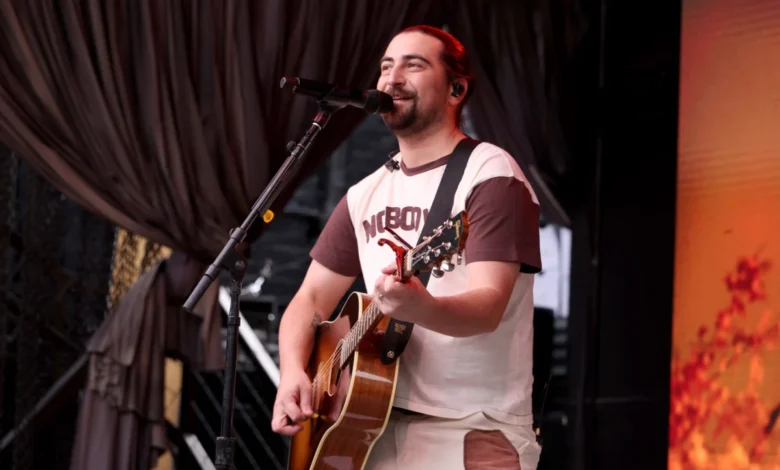
A powerful chorus of New England’s most prominent recording artists has amplified their call for legislative action, penning an impassioned letter urging Massachusetts to approve a landmark bill aimed at curbing the predatory practices of ticket scalpers. Spearheaded by chart-topping artist Noah Kahan, whose latest album lent its title to the proposed legislation, the coalition includes a diverse array of musical heavyweights such as Aimee Mann, The Pixies, Goose, and the Dropkick Murphys, alongside a significant contingent of metal and hardcore bands deeply rooted in the region’s vibrant music scene.
The artists’ collective plea, delivered on Wednesday, underscores a growing concern within the music industry that has seen the dream of attending live performances transform into an unattainable luxury for many dedicated fans. Their unified stance highlights a fundamental belief that artistic creations should not be subjected to exorbitant markups by intermediaries who contribute nothing to the creative process or the live event itself. "Live performance should not be a luxury," the 16 artist-signees declared in their statement. "Our art is not a commodity to be bought and resold at extreme markups against our wishes. People who contribute nothing to live performance should not profit more than the artists, venues, crews, and workers who bring these shows to life."
This unified front emerges just one week after Massachusetts Governor Maura Healey officially announced "The Great Divide Act," the legislative measure designed to bring order to the chaotic secondary ticket market. The bill, fittingly named after Kahan’s critically acclaimed album, proposes a strict cap on ticket resale prices, limiting them to a maximum of 110 percent of the original face value. For a ticket initially priced at $100, this would mean a maximum resale price of $110, a stark contrast to the often astronomically inflated prices seen in the current market. Furthermore, the legislation aims to impose caps on fees charged by secondary ticketing platforms and explicitly outlaw speculative ticketing – the dubious practice of brokers listing tickets for sale before they have even acquired them.
The artists’ letter eloquently articulates the profound emotional toll that exploitative ticket resale takes on both creators and their audience. "Few things hurt an artist more than seeing a fan exploited by a ticket reseller," the statement read, expressing a shared sentiment of helplessness. "It’s heartbreaking to read comments from fans who paid outrageous resale prices, knowing there’s little we can do to help. Every artist signing this letter has experienced that feeling. Predatory resale, scalping, ticket touting, whatever you choose to call it, does more than exploit fans financially. It erodes the trust between artists and the people who support us." This sentiment resonates deeply within an industry that thrives on the connection between performers and their fans.
Noah Kahan, in particular, has emerged as a vocal advocate for ticketing reform in recent months. His unwavering commitment to this cause has extended beyond the confines of Massachusetts, as he has also lent his significant platform to support a similar ticketing law recently enacted in his home state of Vermont. Kahan’s active engagement highlights a broader movement within the artist community to reclaim control over how their work is accessed by the public.
The support for "The Great Divide Act" extends beyond the artistic community, garnering endorsements from influential industry organizations such as the Music Artist Coalition, the National Independent Talent Organization, and the Future of Music Coalition. These groups represent a powerful collective voice advocating for a more equitable and sustainable ticketing ecosystem.
Ron Gubitz, Executive Director of the Music Artists Coalition, expressed his organization’s strong backing for the bill, emphasizing the shared interests of artists and fans. "Artists and fans want the same thing: a fair shot at getting into the room where the music happens," Gubitz stated. "Speculative tickets and runaway resale fees break that deal for everyone except the industrial-scale ticket flippers. The Great Divide Act draws that line clearly. Massachusetts, led by Gov. Healey and Sen. Fernandes, is leading the country here with this strong set of reforms." His words underscore the bill’s potential to set a precedent for national ticketing reform.
The legislative efforts in Massachusetts are indicative of a burgeoning national trend as states increasingly grapple with the pervasive issue of ticket scalping. This past year has seen a surge in legislative action across the country aimed at addressing the problem. Maine enacted price caps on resale tickets in the previous year, while California and New York have both introduced similar bills in the current legislative session. Demonstrating the accelerating momentum, Washington, D.C., also approved a price cap on concert ticket resales just last week, signaling a growing bipartisan consensus on the need for intervention.
The Genesis of "The Great Divide Act" and the Artists’ Stand
The introduction of "The Great Divide Act" in Massachusetts represents a direct response to years of fan frustration and artist concern over an increasingly inaccessible live music market. The secondary ticket market, once a niche for genuine resale of unwanted tickets, has evolved into a sophisticated industry dominated by large-scale brokers and automated bots that snatch up vast quantities of tickets at face value, only to resell them at vastly inflated prices. This practice often leaves genuine fans unable to secure tickets for their favorite artists, even for local shows, forcing them to choose between paying exorbitant sums or missing out entirely.
The naming of the bill after Noah Kahan’s album, "The Great Divide," is a deliberate and symbolic choice. It reflects the widening chasm between the accessibility of live music and the financial realities faced by many consumers, as well as the perceived disconnect between artists and their fans created by the opaque and exploitative ticketing system. Kahan’s personal involvement, alongside other prominent artists, lends significant weight and visibility to the legislative push.
Key Provisions of "The Great Divide Act"
At its core, "The Great Divide Act" seeks to re-establish a more equitable balance in the ticket market through several key provisions:
- Resale Price Cap: The most significant element of the bill is the proposed cap on resale ticket prices, limiting them to 110% of the original face value. This measure directly addresses the most egregious instances of price gouging.
- Fee Regulation: The legislation also targets the often-obscure and substantial fees levied by secondary ticketing platforms. By capping these fees, the bill aims to ensure transparency and reduce the overall cost for consumers.
- Ban on Speculative Ticketing: The act explicitly prohibits brokers from listing tickets for sale that they do not currently possess. This practice, known as speculative ticketing, contributes to market manipulation and creates uncertainty for buyers.
- Enhanced Enforcement: While not explicitly detailed in the initial announcement, such legislation typically includes provisions for enhanced enforcement mechanisms to ensure compliance and penalize violators.
A Timeline of Action and Support
The journey towards "The Great Divide Act" has been building for some time, marked by increasing artist advocacy and legislative proposals across the country.
- Recent Months: Noah Kahan and other artists begin to more vocally champion ticketing reform, highlighting their experiences with fan exploitation.
- Early 2024: Massachusetts Governor Maura Healey announces "The Great Divide Act," directly addressing the issue of ticket scalping.
- Week Prior to Article: The coalition of New England artists pens and submits their open letter to Massachusetts legislators.
- Ongoing: Similar legislative efforts are underway in states like California and New York, with Maine and Washington D.C. having already enacted related measures.
The support from industry organizations like the Music Artist Coalition and the National Independent Talent Organization is crucial, providing a professional lobbying arm and industry expertise to complement the artists’ public appeals. These groups represent thousands of musicians and professionals who are directly impacted by the current ticketing landscape.
Broader Implications and the Future of Live Music Access
The passage of "The Great Divide Act" in Massachusetts could have significant implications, not only for the state’s residents but also as a potential blueprint for other jurisdictions seeking to address ticket scalping. The legislation’s focus on a multi-pronged approach – capping resale prices, regulating fees, and banning speculative practices – offers a comprehensive strategy for reforming the secondary market.
The involvement of such a diverse group of artists, from Grammy-nominated singer-songwriters to iconic rock bands and prominent figures in the metal and hardcore scenes, underscores the widespread nature of the problem. It suggests that ticket scalping is not an issue confined to one genre or demographic but a systemic challenge affecting the entire live music ecosystem.
The successful implementation of "The Great Divide Act" could lead to increased accessibility for fans, potentially fostering stronger relationships between artists and their audiences. By making live performances more affordable, the bill could encourage greater participation from a wider range of socioeconomic backgrounds, enriching the concert experience for everyone involved. Moreover, it could shift revenue back towards artists, venues, and the myriad of workers who contribute to making live events possible, rather than allowing a disproportionate share to flow to intermediaries.
The artists’ letter concludes with a direct appeal to Massachusetts legislators, urging them to prioritize fair access to live performances. "We respectfully ask Massachusetts legislators to stand up for their constituents by protecting fair access to live performances and supporting these reforms." The collective voice of these artists, amplified by the legislative momentum in Massachusetts and across the nation, signals a critical moment in the ongoing debate about how to ensure that the magic of live music remains within reach for all.
The full letter, as submitted by the artists, further elaborates on their convictions:
"We write as artists who believe deeply in the power of live performance. Shows are where families make memories, where young people discover who they are, and where entire rooms of people share something that cannot be recreated anywhere else. We want these moments to be accessible to everyone, not just those who can afford prices driven by a broken ticket resale market.
Live performance should not be a luxury. Our art is not a commodity to be bought and resold at extreme markups against our wishes. People who contribute nothing to live performance should not profit more than the artists, venues, crews, and workers who bring these shows to life.
Few things hurt an artist more than seeing a fan exploited by a ticket reseller. It’s heartbreaking to read comments from fans who paid outrageous resale prices, knowing there’s little we can do to help. Every artist signing this letter has experienced that feeling. Predatory resale, scalping, ticket touting, whatever you choose to call it, does more than exploit fans financially. It erodes the trust between artists and the people who support us.
We know how much our fans give to be part of these moments. They plan, they save, and they show up. Our fans support us without hesitation, and we owe it to them to stand up for a system that doesn’t shut them out.
Massachusetts is acting to protect our fans by capping resale at 110%, banning speculative tickets and cracking down on deceptive websites. We respectfully ask Massachusetts legislators to stand up for their constituents by protecting fair access to live performances and supporting these reforms.
Noah Kahan
Dropkick Murphys
The Pixies
Goose
Aimee Mann
Killswitch Engage
Shadows Fall
Four Year Strong
New England Metal and Hardcore Fest
A Loss For Words
All That Remains
Flawed Mangoes
Mark Erelli
Melissa Ferrick
Mission of Burma
Ryan Montbleau"