Legendary Filmmaker Werner Herzog Honored at Politically Charged Opening of the 2026 San Sebastian Film Festival

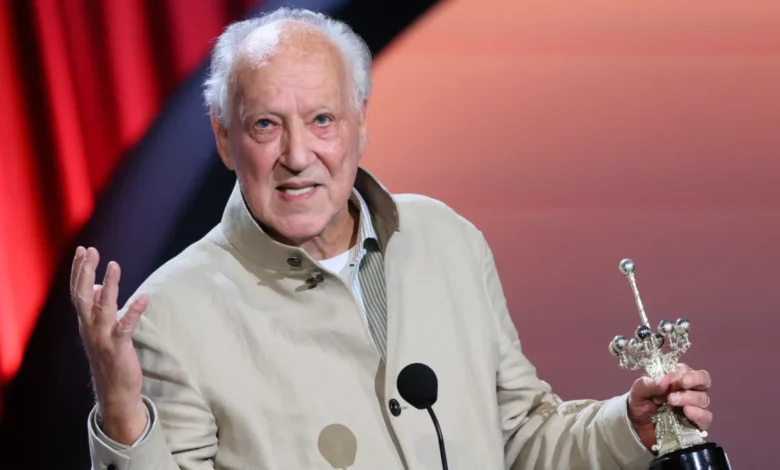
The 2026 San Sebastian International Film Festival commenced this past Friday with a dual focus on the celebration of cinematic mastery and the urgent intersection of art and global geopolitics. At the heart of the opening night at the Kursaal Theatre in northern Spain was the presentation of the Donostia Award, the festival’s most prestigious lifetime achievement honor, to German auteur Werner Herzog. Yet, the celebratory atmosphere was punctuated by a series of pointed political declarations from the stage, signaling that this year’s edition of the storied Basque festival would be as much a platform for activism as it is a showcase for global cinema.
A Tribute to a Cinematic Icon
Werner Herzog, the visionary director behind seminal works such as Aguirre, the Wrath of God (1972), Fitzcarraldo (1982), Grizzly Man (2005), and Cave of Forgotten Dreams (2010), was met with a thunderous, raucous standing ovation from an audience of European filmmakers, critics, and industry leaders. The award was presented to him by actor Orlando Bloom, who stars in Herzog’s latest feature, Bucking Fastards, alongside Kate Mara, Rooney Mara, and Domhnall Gleeson.
Herzog, known for his idiosyncratic and often profound public persona, displayed his characteristic wit and humility during his acceptance speech. Expressing genuine surprise and gratitude at receiving the honor from Bloom, Herzog remarked, "What an honor to receive it from the very hands of Orlando Bloom. He’s a living legend at his young age already. He is a treasure of cinema."
Reflecting on his deep, long-standing affinity for the Basque region, Herzog recalled a transformative journey taken decades ago. "I’m here standing in front of you, not as a foreigner," he told the crowd. "I’ve had a connection to you, the Basque people, through an early film of mine—Aguirre, the Wrath of God." He recounted a trek he undertook on foot, spanning over 1,000 kilometers, beginning at the Cannes Film Festival and moving through the Pyrenees. With a self-deprecating laugh, he noted, "But I must confess, I ended up in Biarritz, not San Sebastian."
Herzog’s connection to the region transcended geography, rooting itself in a shared appreciation for the human condition. "I met your people in the mountains, and I was always intrigued," he stated, further noting that he maintains a keen interest in Spain’s national poetry competitions. "I feel like I belong here. It is a country of poetry. It’s a country of poets, and I receive this here from the poets."
The Political Backdrop of the 2026 Festival
While the evening began with accolades for Herzog, the ceremony quickly shifted toward the pressing realities of global conflict. Festival hosts Fariba Sheikhan and Mariona Terés utilized the opening platform to address the ongoing crisis in Gaza and the broader state of international human rights.
"We join the myriad of voices calling for an end to genocide, like the one happening in Gaza," the hosts declared to sustained applause. They explicitly voiced their support for directors Yuval Abraham and Rachel Szor, the creators of the controversial and highly acclaimed documentary NAZA. The film, which features harrowing testimony from 24 Israeli military officers detailing the protocols used to target civilians in Gaza, has become a focal point of intense international debate.
The recognition of NAZA at the San Sebastian festival follows its powerful reception at the Venice Film Festival, where it achieved the longest standing ovation in the festival’s history and secured the Special Jury Prize. However, the success of the film has brought significant professional and personal risk to its directors. Israeli Culture Minister Miki Zohar has publicly threatened to revoke the citizenship of both Abraham and Szor, citing the film’s critical portrayal of the Israeli military. The festival’s stance—echoing its firm position from the previous year, when it formally demanded an immediate ceasefire—highlights the increasing pressure on cultural institutions to take public stands on humanitarian crises.
Chronology and Context of the San Sebastian Festival
The San Sebastian International Film Festival, one of the oldest and most prestigious in Europe, has historically balanced its role as a high-end industry hub with a commitment to sociopolitical discourse. The 2026 edition, running from September 18 to September 26, marks a continuation of this tradition.
Following the ceremony, the festival opened with Fatih Akin’s Ghost Song. The film, which demonstrates a thematic departure for the award-winning director by drawing heavily on anime and manga aesthetics, serves as a poignant exploration of loss and love. It tells the story of two students whose relationship is abruptly severed by a sudden death, setting a somber and reflective tone for the week’s programming.
Analytical Perspective: The Intersection of Art and Activism
The decision by festival organizers to highlight the plight of filmmakers facing government retribution is not merely symbolic; it represents a growing trend in the international film circuit where festivals are increasingly acting as defenders of artistic freedom and human rights. The case of Abraham and Szor is particularly illustrative of the friction between national governments and the documentary filmmaking community.
From a data-driven perspective, the San Sebastian festival reaches an audience of hundreds of thousands of industry professionals and cinema enthusiasts. By platforming the discourse around NAZA, the festival ensures that the conversation regarding international law and military accountability remains at the forefront of the global cultural agenda.
Observers note that the festival’s commitment to these issues is consistent with the broader Basque cultural identity, which often emphasizes self-determination and the protection of civil liberties. By pairing the celebration of a titan like Werner Herzog with the urgent pleas for human rights in Gaza, the San Sebastian Film Festival is positioning itself as a vital forum where the aesthetic and the ethical are inextricably linked.
The Broader Impact
As the festival continues through September 26, the industry is watching closely to see how these political tensions will shape the reception of subsequent films and the nature of the remaining awards. The festival’s leadership has made it clear that "unilateral breaking of international law, colonialist looting, and sexual violence" remain top-tier concerns for the organization.
The inclusion of these topics in the official opening ceremony serves as a barometer for the state of the film industry in 2026. Directors, producers, and actors are increasingly expected to leverage their platforms to address systemic injustices. For a filmmaker like Werner Herzog, who has spent his career exploring the extremes of human endeavor and the beauty of the natural world, the recognition by the San Sebastian audience feels both like a career capstone and a reminder of the enduring power of cinema to connect, challenge, and inspire.
In the days ahead, the festival will continue to host a diverse array of international premieres, panels, and masterclasses. Yet, the shadow of the opening night’s declarations will likely persist. The 2026 San Sebastian Film Festival has effectively declared that it is not merely a place for watching movies; it is a place for engaging with the most difficult questions of our time. Whether through the lens of a documentary on military protocols or the poetic meditations of a director who treks across the Pyrenees, the festival remains a crucial nexus for the global dialogue on what it means to be human in an increasingly fractured world.
As the curtains rise on the remaining days of the event, the festival serves as a testament to the fact that while the landscape of global cinema is constantly shifting, the responsibility of the storyteller—to observe, to document, and to speak—remains the industry’s most vital and enduring contribution to the public consciousness.