US Secures Historic Arctic Military Rights in Landmark Greenland Agreement Without Changing Sovereignty

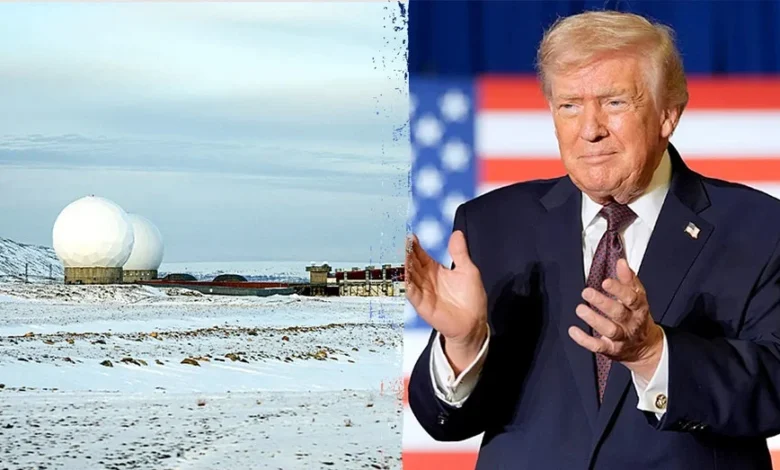
WASHINGTON — In a sweeping geopolitical breakthrough that permanently reshapes the security architecture of the high north, the United States has successfully finalized a landmark tripartite agreement with Denmark and the self-governing territory of Greenland. The accord grants the United States permanent military access, basing, and overflight rights across the strategically vital Arctic island, addressing long-standing national security priorities for Washington while bypassing the complex fiscal and diplomatic hurdles of outright territorial acquisition.
According to senior U.S. administration officials who outlined the parameters of the pact, the agreement features no expiration date and is specifically structured to remain fully binding even if Greenland eventually votes to transition from an autonomous territory of Denmark into a fully independent sovereign nation. Crucially, the arrangement was secured at zero financial cost to American taxpayers, achieving the core strategic objectives that President Donald Trump’s administration pursued without requiring the multi-billion-dollar purchase proposals that initially drew skepticism from European capitals.
Strategic Provisions and Territorial Safeguards
The core of the agreement centers on expanding America’s defense footprint in the Arctic circle. Under the terms of the treaty, the United States obtains the permanent right to establish additional military installations across Greenland as deemed necessary by the Pentagon. Unlike previous defense arrangements that required extensive multi-lateral consultations and local vetoes, the new framework allows the U.S. to build and deploy new military infrastructure following standard operational consultation, preserving American agility in a rapidly militarizing theater.
Furthermore, the accord erects a formidable geopolitical firewall around the island. The text explicitly bars China, Russia, and any other non-NATO states from establishing military bases, deploying troops, or maintaining a permanent security presence in Greenland or its immediate surrounding maritime zones.
In addition to traditional military exclusions, the agreement imposes strict regulatory limitations on foreign investments. It restricts geopolitical adversaries from acquiring stakes in sensitive sectors that could introduce strategic vulnerabilities. Specifically, the pact restricts sensitive investments to the U.S. and its trusted allies, focusing heavily on critical infrastructure such as telecommunications networks, undersea fiber-optic cables, deep-water ports, and the extraction or processing of critical minerals.
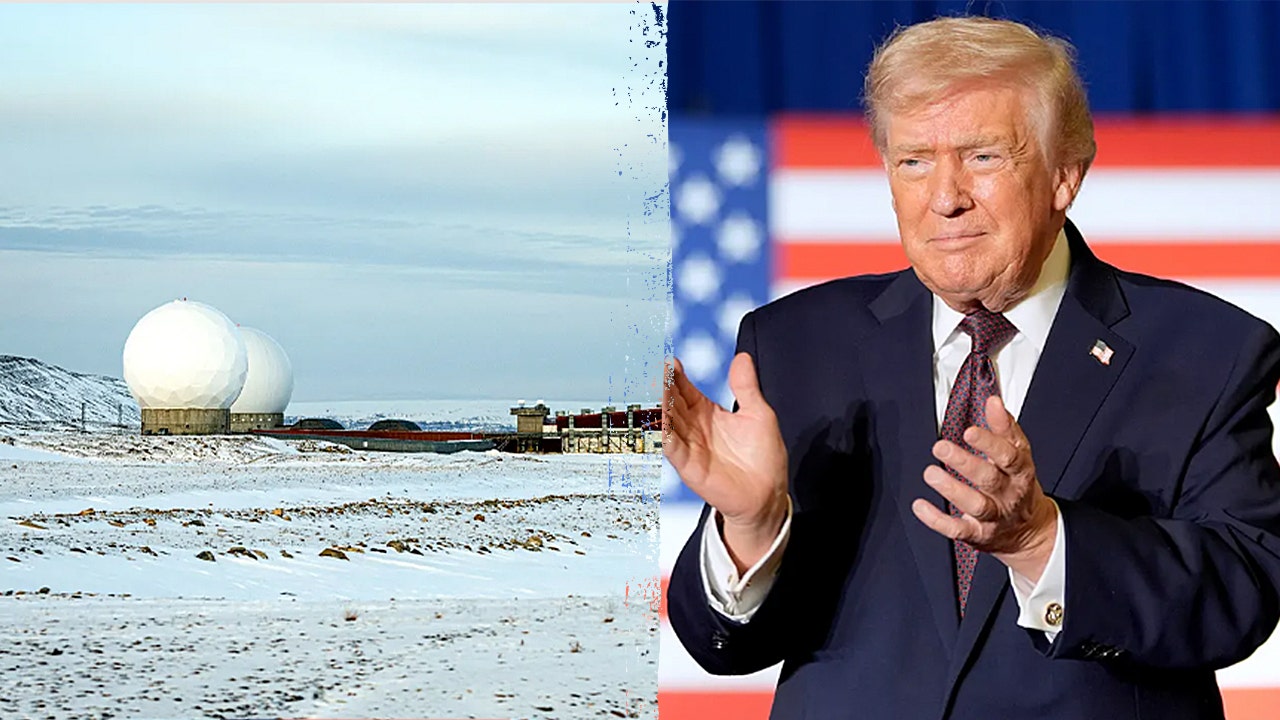
Administration officials explicitly linked these defensive economic measures to lessons learned from other strategic bottlenecks globally, pointing to concerns over Chinese commercial influence surrounding the Panama Canal. By locking down Greenland’s critical infrastructure, Washington aims to preempt any future attempts by adversarial states to leverage civilian commercial projects for dual-use military intelligence gathering or logistical control.
Background and Context: The Evolution of Arctic Competition
The successful conclusion of this pact marks the culmination of years of escalating focus on the Arctic, a region warming at nearly four times the global average and opening up unprecedented maritime shipping lanes, untapped natural resources, and contested geopolitical pathways between the Atlantic and Pacific oceans.
For decades, the United States maintained a localized defense footprint on the island, most notably anchored by the Pituffik Space Base (formerly known as Thule Air Base) in northwestern Greenland. Operating under a bilateral defense agreement signed between Washington and Copenhagen in 1951, the base has long served as a critical node for North American Aerospace Defense Command (NORAD) operations, ballistic missile early warning systems, and satellite tracking.
However, as ice receded and great-power competition intensified in the late 2010s and early 2020s, both Moscow and Beijing ramped up their Arctic ambitions. Russia aggressively reopened and modernized Soviet-era military installations along its northern coastline, deploying advanced icebreakers and quieter nuclear submarines capable of patrolling undetected near North American maritime approaches. Simultaneously, China declared itself a "near-Arctic state," aggressively pursuing scientific outposts, infrastructure investments, and mining concessions across Greenland and Iceland, setting off alarm bells within the Pentagon and the U.S. State Department.
President Trump’s initial public push to acquire Greenland, first floated during his previous term, was widely mocked by international diplomats and dismissed by Danish leadership as an anachronistic concept of statecraft. Yet, behind the scenes, national security planners maintained that the physical defense of North America required absolute denial of the island to foreign adversaries. The transition from a purchase model to a permanent military access and denial treaty represents a pragmatic diplomatic synthesis that achieves military security without disturbing European sovereignty frameworks.
Chronology of Negotiations
The path toward the final agreement was forged through months of secretive, high-stakes diplomacy that successfully avoided public leaks and political posturing.
- February 2026: Quiet, back-channel exploratory talks commence between U.S., Danish, and Greenlandic representatives. Recognizing the mutual benefits of deterrence, the parties establish a confidential negotiating track.
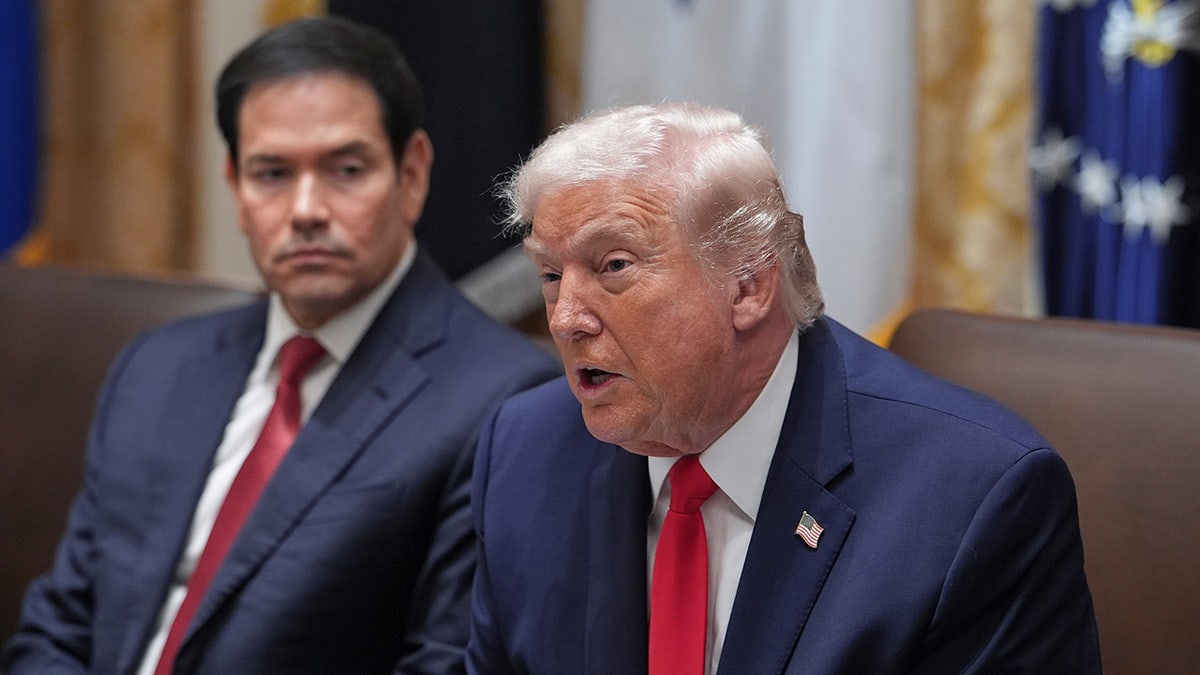
- Spring 2026: Secretary of State Marco Rubio, alongside senior White House national security adviser Stephen Miller and specialized teams from the National Security Council and the State Department, spearheads intensive roundtables with Copenhagen and Nuuk.
- July 2026: Public tensions flare momentarily during the NATO Leaders Summit in Ankara, Turkey, where Danish Prime Minister Mette Frederiksen issues a robust defense of Greenlandic autonomy in response to renewed U.S. strategic assertions.
- Late Summer/Fall 2026: Negotiations pivot toward burden-sharing realities. Danish and Greenlandic leadership acknowledge that their own sovereign budgets cannot sustainably finance the level of modern conventional and technological defense required to deter great-power incursions in the high north.
- December 2026: The final text is ironed out, preserving Danish and Greenlandic sovereignty while completely ceding strategic defense, overflight, and sensitive investment vetting authorities to the United States and its allies.
Official Reactions and Diplomatic Perspectives
The announcement drew praise from U.S. leadership, who framed the treaty as a generational victory for Western security.
"This historic deal is a huge win for the United States and the American people," Secretary of State Marco Rubio told Fox News Digital. "Thanks to President Trump’s vision and leadership, this historic agreement permanently guarantees U.S. security interests in the Arctic at zero cost to the U.S. taxpayer."
Rubio emphasized the totality of the arrangement, noting that Greenland is now permanently locked into the North American strategic defense perimeter. "Greenland will forever be part of the strategic defense area of North America and exclude any adversary from it and the surrounding area. This deal permanently and completely addresses our national security concerns in Greenland," Rubio stated.
From the European and Greenlandic perspective, the agreement reflects a realistic accommodation of hard power dynamics. While Danish leaders historically bristled at suggestions of transferring territorial ownership, negotiators ultimately recognized that the financial and military burden of securing the sprawling, sparsely populated island against modern hypersonic, submarine, and drone threats far exceeded local capabilities.
"Denmark and Greenland understand that they don’t have the financial means necessary to defend Greenland if it were to come under attack or be threatened," Rubio noted. "The United States has the power to do that."
Broader Impact and Implications for Global Defense
The implications of the U.S.-Denmark-Greenland accord extend far beyond regional Arctic defense, carrying substantial weight for the future of NATO cohesion and multi-layered missile defense architecture.
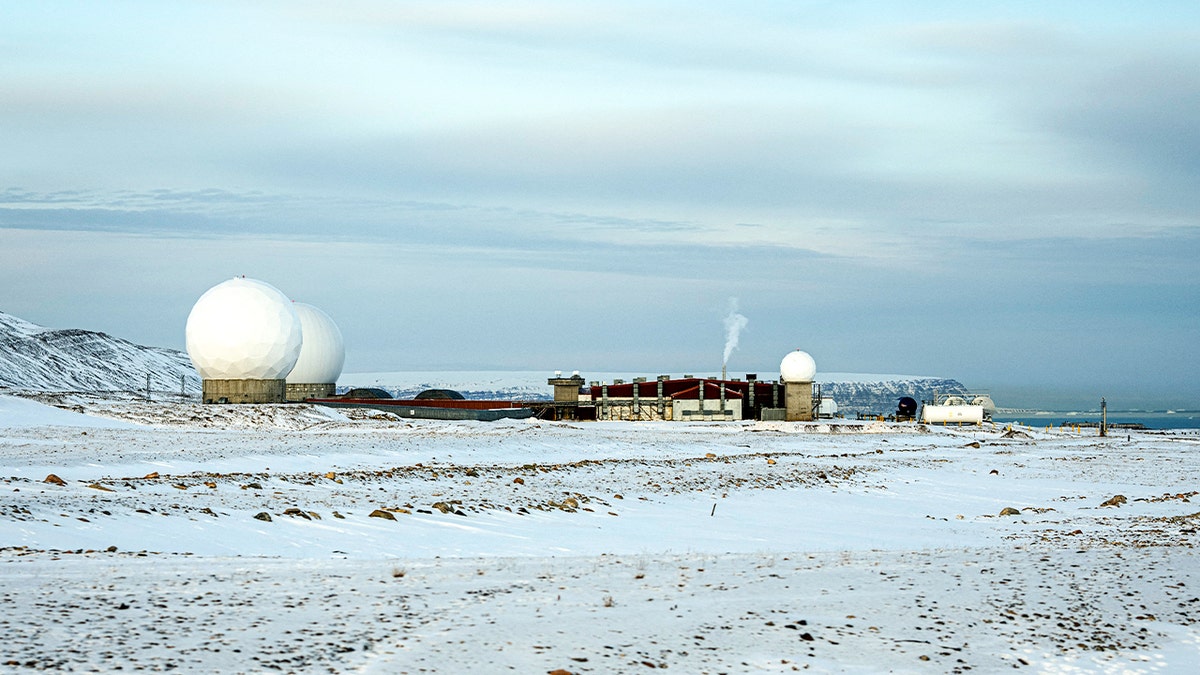
First, the permanent basing rights provide the United States with critical geographic depth. Military analysts anticipate that the expanded footprint will play an integral operational role in the realization of President Trump’s proposed "Golden Dome" missile defense system. By positioning advanced sensor arrays, interceptor batteries, and early-warning radars further north on the Greenlandic ice sheet, the U.S. can significantly shorten response times against incoming intercontinental ballistic missiles or cruise missiles traversing polar trajectories.
Second, the treaty establishes a powerful precedent for how bilateral security guarantees can overlay complex indigenous and colonial governing structures without triggering destructive political crises. By respecting the eventual self-determination aspirations of the Greenlandic people while legally tethering their defense and economic infrastructure to North America, the agreement ensures that any future independent Greenlandic state will remain safely aligned with the Western democratic alliance.
Finally, the pact deals a severe strategic setback to both Beijing and Moscow. By locking down sensitive telecommunications, rare earth minerals, and deep-water port access, the agreement effectively halts China’s Polar Silk Road initiatives in North America’s backyard, ensuring that the Arctic remains an asset for collective deterrence rather than an exposed vulnerability for the West.