The first few months of 2026 saw a flurry of significant developments and ongoing trends shaping the American healthcare landscape, from the affordability of insurance and access to care to advancements in medical technology and persistent challenges in public health. KFF Health News, through its "Health Minute" segments, offered a consistent stream of timely and impactful reporting that highlighted these critical issues. This compilation revisits some of the most prominent stories, providing deeper context, supporting data, and analysis of their broader implications.
The Affordability Crisis and Shifting Insurance Landscapes
A recurring theme throughout early 2026 was the persistent struggle with healthcare costs, particularly for middle-aged adults and those navigating the complexities of insurance. Reports indicated that rising health expenses were compelling some individuals to delay seeking medical attention until they became eligible for Medicare, a move that could have significant consequences for early disease detection and management. This trend underscores a fundamental challenge: the gap in affordable coverage for those not yet eligible for Medicare or Medicaid, and who may not have access to employer-sponsored insurance.
Data Point: While specific national figures for this exact behavior in early 2026 are not detailed in the original segments, broader trends in delayed care due to cost are well-documented. For instance, surveys from organizations like the Kaiser Family Foundation (KFF) have historically shown a correlation between high healthcare costs and foregoing medical services. The implication is a potential increase in the burden of chronic diseases and more complex, expensive treatments down the line.
The expiration of enhanced Affordable Care Act (ACA) subsidies also continued to cast a shadow. Consumers, it was reported, were aware of the political ramifications of Congress failing to extend these crucial provisions, which had helped to lower monthly premiums for millions. In their place, some Republicans were advocating for expanded Health Savings Accounts (HSAs) as an alternative. While HSAs can offer tax advantages for healthcare expenses, critics argue they are not a sufficient substitute for direct subsidies, particularly for lower-income individuals who may not have the disposable income to contribute significantly to an HSA or the means to cover higher upfront costs.
Analysis: The debate over ACA subsidies versus HSAs reflects a deeper ideological divide in healthcare policy. While subsidies aim to make insurance more immediately affordable and accessible, HSAs empower individuals with more control over their healthcare spending, albeit with the inherent risk of underfunding. The ongoing tension suggests a continued political battle over the future of health insurance affordability and access in the United States.
Furthermore, the emergence of individuals seeking health insurance options outside of the ACA marketplaces, while potentially offering lower premiums, came with noted downsides. These alternative plans, often referred to as "short-term" or "limited-duration" plans, typically offer less comprehensive coverage, exclude pre-existing conditions, and lack essential health benefits mandated by the ACA. This creates a two-tiered system where those who can afford ACA-compliant plans have more robust protections, while others are left with less secure coverage.
The Shifting Demographics of Healthcare Needs
Beyond affordability, early 2026 saw reports highlighting changing demographics and their impact on healthcare services. An interesting development was the increasing number of older Americans, those 65 and older, who were becoming homeless. This presented a unique challenge for traditional homeless shelters, which often lack the capacity or specialized resources to accommodate the specific health needs of this population. This trend points to the intersection of economic insecurity, aging, and healthcare access, suggesting a growing need for integrated support services.
Context: The aging population in the U.S. is a well-established demographic trend. However, the increasing homelessness among seniors is a more recent and concerning development, often linked to a lack of affordable housing, insufficient retirement savings, and escalating healthcare costs that can deplete assets.
In a related vein, the healthcare workforce itself was showing signs of strain and adaptation. More doctors, it was reported, were choosing to continue working into their retirement years. This phenomenon could be attributed to a combination of factors, including the desire to remain professionally engaged, the need for continued income, and potentially the lack of adequate retirement savings for some. While experienced physicians are invaluable, an aging physician workforce also raises questions about succession planning and the integration of new medical talent.
Public Health Concerns and Medical Breakthroughs
The early months of 2026 also brought attention to critical public health issues and the pace of medical innovation. A concerning rise in measles cases led to warnings from doctors about a potential increase in children experiencing serious, even life-threatening, complications. This surge underscored the importance of widespread vaccination and the challenges posed by vaccine hesitancy and declining vaccination rates in certain communities.
Data Point: The Centers for Disease Control and Prevention (CDC) has consistently tracked measles outbreaks. While specific data for early 2026 would be detailed in public health reports, the trend of increasing cases in preceding years provided a clear warning signal. For example, 2019 saw the largest number of measles cases in the U.S. in more than two decades, a statistic that underscored the vulnerability of populations with low vaccination coverage.
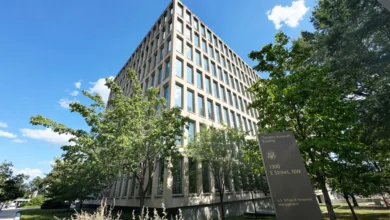
On the research front, concerns were raised about potential setbacks at the National Institutes of Health (NIH). Scientists warned that staff losses within the agency could lead to a slowdown in medical breakthroughs. The NIH plays a pivotal role in funding and conducting groundbreaking research, and any disruption to its operations could have long-term implications for the development of new treatments and cures for a wide range of diseases.
Analysis: The NIH’s funding and operational stability are crucial for the advancement of medical science. Reductions in staff or funding can directly impede the progress of research projects, delaying the translation of scientific discoveries into clinical applications that benefit patients.
Technological Advancements and Their Applications
The integration of technology into healthcare continued to be a significant story. Artificial intelligence (AI) was being explored and implemented in various ways. Some health systems were leveraging AI tools to enhance patient access to primary care, potentially streamlining appointment scheduling, symptom assessment, and providing initial guidance. This offers a promising avenue for addressing primary care shortages and improving efficiency.
Context: AI in healthcare is a rapidly evolving field, with applications ranging from diagnostic imaging analysis to drug discovery and personalized medicine. The use of AI for patient engagement and access is a more recent development, aiming to alleviate pressure on human healthcare providers and improve patient experience.
Furthermore, AI was making strides in restoring voice for individuals who had undergone voice box removal. The development of AI-powered voices that could help these patients sound more like themselves offered a profound improvement in their quality of life, enabling more natural and personal communication.
Specific Health Initiatives and Policy Impacts
The period also saw significant policy discussions and their impact on specific health initiatives. The potential for looming Medicaid cuts raised concerns about states discontinuing dental coverage for adults. This would disproportionately affect low-income individuals who rely on Medicaid for essential oral healthcare, potentially leading to a worsening of dental health problems and associated systemic health issues.
Analysis: Dental care is often considered a luxury by individuals facing economic hardship. When Medicaid benefits for dental services are cut, it can lead to a cascade of negative health outcomes, including pain, infection, difficulty eating, and exacerbation of other chronic conditions.
In a contrasting development, an expensive new gene therapy with the potential to cure sickle cell disease was slated for coverage by Medicaid, albeit with specific stipulations. This indicated a willingness to invest in innovative, high-cost treatments when they offer significant therapeutic benefit, though the condition of coverage "only when it works for patients" highlights the ongoing debate around value-based pricing and evidence of efficacy for novel therapies.
Broader Implications and the Path Forward
The reporting from early 2026 painted a complex picture of the U.S. healthcare system. It underscored the persistent challenges of affordability and access, exacerbated by political decisions regarding subsidies and the structure of insurance options. Simultaneously, it highlighted the ongoing pursuit of medical innovation, the critical role of public health infrastructure, and the transformative potential of new technologies.
The trend of middle-aged adults delaying care due to cost, the debate over ACA subsidies versus HSAs, and the increasing number of uninsured seeking alternative plans all point to a system under considerable financial pressure for a significant portion of the population. The impact of these trends on long-term health outcomes and the overall burden on the healthcare system will likely be a critical area of focus in the years to come.
The concerns raised about staff losses at the NIH and the potential slowdown in medical breakthroughs serve as a stark reminder of the importance of sustained investment in scientific research. The surge in measles cases, conversely, emphasizes the ongoing need for robust public health initiatives and effective communication strategies to ensure widespread immunization.
As AI continues to integrate into healthcare, its potential to improve access, enhance patient care, and restore quality of life for individuals facing significant health challenges offers a beacon of hope. However, it also raises important questions about equitable access to these technologies and the ethical considerations surrounding their use.
The KFF Health News Minute, through its consistent reporting, provided a vital service in illuminating these multifaceted issues. The stories from early 2026 serve as a critical snapshot, underscoring the dynamic nature of healthcare policy, the ongoing scientific endeavors, and the profound impact of these developments on the lives of Americans. The conversations initiated by these reports are essential for informing public discourse and guiding the future direction of healthcare in the United States.