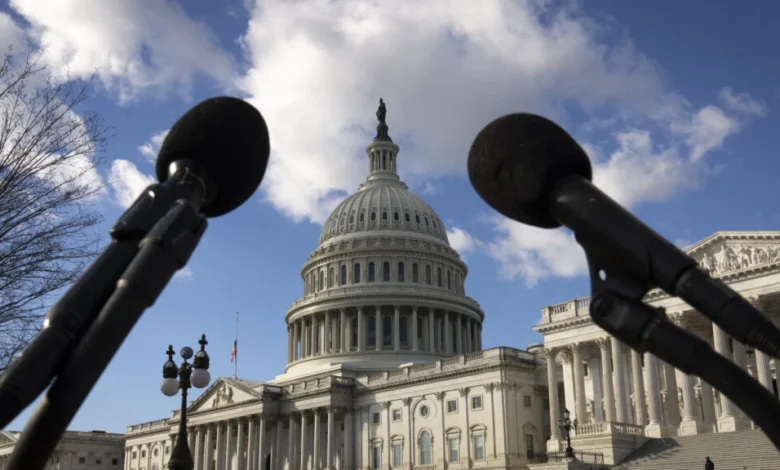
As Congress reconvenes following a two-week recess, the nation’s capital is bracing for a flurry of activity on the health care front. The legislative calendar is dense with a range of critical issues, from ongoing debates surrounding pharmaceutical pricing and Medicare reforms to the persistent challenges of the Affordable Care Act and the burgeoning impact of artificial intelligence on the medical landscape. Lawmakers are returning to a Washington environment charged with the urgency of addressing these multifaceted concerns, which directly impact the health and economic well-being of millions of Americans.
AI and Image Control: A Glimpse into the Evolving Digital Landscape
The political sphere has already been touched by the rapidly advancing capabilities of artificial intelligence, as evidenced by a recent incident involving former President Donald Trump. Trump reportedly removed an AI-generated image of himself depicted in a manner reminiscent of Jesus Christ from his social media platform, Truth Social. This action followed swift criticism from some conservative Christian groups who perceived the imagery as blasphemous. According to reports, Trump clarified his intent behind the image, stating it was meant to portray him as a doctor. This episode highlights the growing intersection of AI technology with public discourse and the potential for such powerful tools to generate both unintended consequences and public relations challenges. The incident serves as an early indicator of how AI-generated content might become a recurring theme in political messaging and public perception, requiring careful consideration of its ethical and societal implications.
Recess Concludes: A Deep Dive into the Health Care Agenda
The period of legislative recess offered a brief respite from the intense scrutiny of Capitol Hill, but the underlying pressures and complexities of the health care sector remain. As members of Congress re-emerge, they face a daunting array of legislative priorities. The ongoing efforts to rein in prescription drug costs continue to be a central focus, with lawmakers exploring various strategies to increase transparency, promote competition, and negotiate lower prices. Simultaneously, the long-term sustainability of Medicare and Medicaid, the bedrock programs for millions of seniors and vulnerable populations, remains a subject of continuous debate and potential reform.
Furthermore, the enduring debates surrounding the Affordable Care Act (ACA) are likely to resurface. Despite legislative attempts to repeal and replace it in previous years, the ACA continues to be a significant factor in the nation’s health insurance landscape. Discussions may revolve around strengthening its provisions, expanding coverage options, or addressing persistent affordability issues for individuals and families.
The rapid advancement of artificial intelligence in healthcare presents a new frontier of policy challenges and opportunities. From diagnostic tools and personalized medicine to administrative efficiencies and drug discovery, AI promises to revolutionize the industry. However, it also raises critical questions about data privacy, algorithmic bias, regulatory oversight, and the potential impact on the healthcare workforce. Lawmakers will need to grapple with establishing frameworks that foster innovation while ensuring patient safety and equitable access.
Key Legislative Battles on the Horizon

The upcoming legislative session is expected to be dominated by several key health care battles. One of the most prominent will be the continued push for drug price negotiation. Building on recent legislative successes, efforts are likely to intensify to grant Medicare greater power to negotiate prices for a wider range of prescription drugs. This initiative, championed by Democrats, aims to alleviate the financial burden on patients and the federal budget. However, it faces staunch opposition from the pharmaceutical industry, which argues that such measures could stifle innovation and reduce the availability of new treatments. Supporting data from organizations like the Congressional Budget Office (CBO) often highlights the potential cost savings associated with drug price negotiation, while industry-backed analyses frequently emphasize the potential impact on research and development.
Another critical area of focus will be Medicare and Medicaid reform. As the U.S. population ages, the financial sustainability of these entitlement programs is a recurring concern. Discussions may involve proposals to adjust eligibility requirements, modify benefit structures, or explore new funding mechanisms. These reforms are often politically charged, given the vast number of beneficiaries and the intricate stakeholder interests involved. Analyzing demographic trends and projected healthcare expenditures from sources like the Centers for Medicare & Medicaid Services (CMS) provides crucial context for these debates.
The Affordable Care Act (ACA), often referred to as Obamacare, continues to be a source of legislative contention. While the core tenets of the ACA remain in place, lawmakers may consider measures to enhance its effectiveness, such as expanding subsidies to make insurance more affordable, strengthening consumer protections, or addressing the "family glitch" that can impact employer-sponsored insurance. Conversely, proposals to introduce more market-based reforms or to encourage alternative insurance models may also emerge, reflecting ongoing ideological divisions.
The burgeoning field of health care AI will demand significant attention. Policymakers will need to address the regulatory landscape for AI-powered medical devices and diagnostic tools, ensuring their safety, efficacy, and ethical deployment. Issues such as data governance, intellectual property rights for AI-generated discoveries, and the potential for job displacement within the healthcare sector will likely be part of the discourse. Reports from government agencies like the Food and Drug Administration (FDA) and research from academic institutions are vital in shaping this policy discussion.
Chronology of Key Health Care Developments
To understand the current landscape, it is helpful to consider a brief chronology of significant health care policy developments:
- 2010: The Affordable Care Act (ACA) is signed into law, significantly expanding health insurance coverage through individual mandates, subsidies, and Medicaid expansion.
- 2016-2017: Attempts to repeal and replace the ACA fail in Congress, highlighting the program’s entrenched position.
- 2020: The COVID-19 pandemic underscores the vulnerabilities of the U.S. healthcare system and leads to increased federal spending and policy adjustments related to public health, vaccine distribution, and telehealth.
- 2021-2022: The Inflation Reduction Act (IRA) includes provisions allowing Medicare to negotiate prices for a limited number of high-cost prescription drugs, a landmark achievement for drug pricing reform advocates.
- Ongoing: Debates continue regarding the future of the ACA, the financial stability of Medicare and Medicaid, and the ethical and regulatory implications of emerging technologies like artificial intelligence in healthcare.
Supporting Data and Evidence
The decisions made by Congress have tangible impacts on the lives of Americans. For instance, data from the Centers for Disease Control and Prevention (CDC) consistently shows significant disparities in health outcomes based on socioeconomic status, race, and geographic location, underscoring the need for equitable access to care. The Kaiser Family Foundation (KFF) regularly publishes data on insurance coverage rates, healthcare costs, and public opinion on various health policy issues, providing invaluable context for legislative debates.
Regarding prescription drug costs, data from the CBO has estimated substantial savings that could be achieved through Medicare’s negotiation of drug prices. For example, analyses have indicated that allowing negotiation for a broader range of drugs could save the federal government billions of dollars over a decade. Conversely, the pharmaceutical industry often cites data from organizations like the U.S. Chamber of Commerce’s Global Innovation Policy Center to argue that price controls could lead to a significant reduction in the development of new life-saving medications.

The impact of AI in healthcare is still being quantified, but early studies suggest its potential to improve diagnostic accuracy and efficiency. A report by Accenture predicted that AI could potentially save the U.S. healthcare economy $150 billion annually by 2026 through improved efficiency and outcomes. However, concerns about data security and the potential for biased algorithms, as highlighted in research from institutions like the National Institutes of Health (NIH), necessitate careful oversight.
Official Responses and Stakeholder Reactions
The health care agenda is characterized by a diverse array of stakeholders with often competing interests. Advocacy groups representing patients, such as AARP, frequently voice strong support for measures that lower prescription drug costs and protect Medicare benefits, emphasizing the financial strain on seniors. Conversely, industry groups like the Pharmaceutical Research and Manufacturers of America (PhRMA) typically express concerns about the potential negative impacts of price controls on innovation and investment in drug development.
Professional medical organizations, such as the American Medical Association (AMA), often engage in nuanced discussions, supporting initiatives that improve patient care and access while also raising concerns about potential administrative burdens or changes to physician reimbursement. Technology companies and healthcare providers are also active participants, advocating for policies that support the adoption of new technologies, including AI, while also addressing concerns about data privacy and cybersecurity.
As Congress returns, the administration’s role is also pivotal. The White House often articulates its policy priorities and works to build consensus among lawmakers. Statements from the Department of Health and Human Services (HHS) and other relevant agencies provide insights into the administration’s strategic direction on various health care issues.
Broader Impact and Implications
The legislative battles unfolding in Washington have profound implications for the health and economic well-being of the nation. Decisions made on drug pricing can directly affect the affordability of medications for millions of Americans. Reforms to Medicare and Medicaid can reshape the safety net for the elderly and vulnerable populations. The ongoing evolution of the ACA influences access to insurance and the overall structure of the healthcare market.
The integration of AI into healthcare presents a paradigm shift, with the potential to revolutionize treatment, diagnosis, and patient care. However, it also raises critical ethical, legal, and societal questions that will require careful consideration and robust policy frameworks. The effectiveness with which Congress navigates these complex issues will determine not only the future of healthcare policy but also the health and prosperity of the nation for years to come. The coming months are poised to be a period of intense negotiation and significant policy development in the critical sector of health and medicine.