First Look At Bong Joon Ho Sci-Fi Film Mickey 17 Starring Robert Pattinson

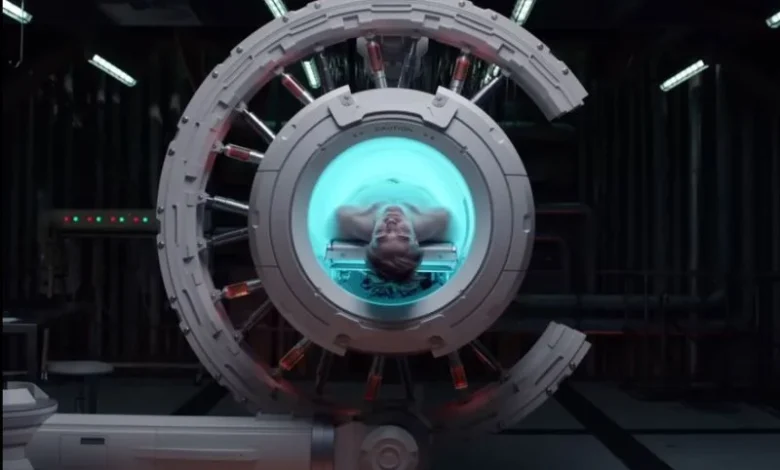
The cinematic landscape is bracing for the next visionary project from South Korean auteur Bong Joon Ho. Following his historic, multi-Academy Award-winning triumph with the dark social satire "Parasite," the celebrated filmmaker has turned his distinct lens toward the realm of science fiction. His upcoming feature film, titled "Mickey 17," has officially generated widespread anticipation following the release of its first promotional imagery and teaser footage. Slated to arrive in movie theaters on March 29, 2024, the project adapts Edward Ashton’s acclaimed 2022 speculative fiction novel, "Mickey 7." With a star-studded ensemble cast led by Robert Pattinson and a behind-the-scenes creative team featuring top-tier industry talent, "Mickey 17" stands as one of the most highly anticipated cinematic releases of the coming year.
Main Facts and Production Overview
"Mickey 17" represents Bong Joon Ho’s first feature-length directorial effort since "Parasite" captured global attention and redefined the boundaries of international cinema in 2020. Based on the narrative framework established in Edward Ashton’s novel, the screenplay has been written and adapted by Bong himself. Industry observers and literary fans have noted that while the film draws heavily from the source material, the director’s unique storytelling sensibilities will likely introduce creative divergences from the original text, a stylistic choice common in Bong’s cinematic adaptations.
The film’s production is being spearheaded by Plan B Entertainment, the acclaimed production company co-founded by Brad Pitt, Dede Gardner, and Jeremy Kleiner, which has a strong track record of producing prestige and boundary-pushing cinema. Furthermore, the sonic landscape of the film is being crafted by composer Jae-il Jung. Jung previously collaborated with Bong on "Parasite," delivering an iconic and tense musical score that significantly heightened the atmosphere of the Best Picture winner.
The ensemble cast assembled for "Mickey 17" features a roster of internationally recognized talent. Alongside Robert Pattinson in the demanding dual or multi-layered title role, the film stars Steven Yeun, Naomi Ackie, Toni Collette, and Mark Ruffalo. This diverse and critically acclaimed cast signals the film’s ambition to blend high-concept science fiction with complex, character-driven dramatic performances.
Chronology and Development Timeline
The journey toward "Mickey 17" began long before the cameras started rolling, rooted in the monumental success of Bong Joon Ho’s previous works and a multi-faceted development pipeline.
In February 2020, Bong Joon Ho achieved an unprecedented milestone at the 92nd Academy Awards. His film "Parasite" made history by becoming the first non-English-language film to win the Oscar for Best Picture. In addition to the top prize, the film secured three other major awards: Best Director for Bong, Best International Feature Film, and Best Original Screenplay. This historic sweep elevated Bong from an internationally revered cult favorite and master of modern genre cinema to a globally dominant creative force with nearly unprecedented sway over studio greenlights.
Following the awards circuit, Hollywood studios vied for the director’s next project. The partnership with Warner Bros. Pictures and Plan B Entertainment eventually crystallized around Edward Ashton’s novel "Mickey 7." Notably, Bong was handed an early manuscript of the book before its official publication in early 2022, recognizing its cinematic potential immediately.
Production on the film officially commenced in the latter half of 2022, utilizing major production facilities in the United Kingdom. Warner Bros. subsequently slated the film for an exclusive theatrical release on March 29, 2024. However, as with many major Hollywood productions during this period, industry-wide strikes and shifting release strategies across the major studios led to subsequent calendar adjustments, keeping cinephiles eagerly awaiting concrete promotional materials until the unveiling of the initial promotional screengrabs and teasers.
Plot Premise and Narrative Background
At the narrative core of "Mickey 17" is a high-concept science fiction premise that explores themes of mortality, identity, and the expendability of human life in the name of corporate-backed colonization.
The story centers on a protagonist named Mickey—specifically designated as Mickey 7 in the source novel. Mickey serves as an "Expendable," a disposable employee on a dangerous human expedition dispatched from Earth to colonize Niflheim, a hostile, ice-covered alien world. Whenever a mission proves too hazardous, lethal, or suicidal for standard crew members, Mickey is deployed. Upon his inevitable death, a new body is regenerated with most of his previous memories intact, allowing the mission to continuously utilize a worker without losing institutional knowledge or incurring the costs of standard space travel recruitment and training.
The central conflict of the narrative ignites when Mickey 7 survives what was supposed to be a fatal mission, only to return to the base and discover that a successor clone, Mickey 8, has already been printed and activated. The existence of simultaneous iterations—dubbed "multiples"—is strictly forbidden by the authoritarian protocols governing the colony, forcing the two Mickeys to hide their existence from the authorities while navigating the perilous environment of Niflheim and the political machinations of the expedition’s leadership.
While the original novel deals heavily with these existential and satirical elements, Bong Joon Ho’s cinematic interpretation is expected to weave in his signature social commentary regarding class disparity, bureaucratic absurdity, and the devaluation of labor—themes that heavily permeated his earlier works such as "Snowpiercer," "Okja," and "Parasite."
Supporting Data and Industry Context
The financial and cultural stakes surrounding "Mickey 17" are substantial, reflecting a broader industry trend where studios entrust visionary international auteurs with massive budgets to produce original or high-concept intellectual property.
Warner Bros. Pictures has positioned "Mickey 17" as a cornerstone of its theatrical slate, reflecting confidence in Bong’s commercial viability on a global scale. "Parasite" grossed over $263 million worldwide against an estimated production budget of roughly $15 million, representing an extraordinary return on investment and proving that subtitles and foreign-language narratives are no longer barriers to mainstream, worldwide box office success.
With "Mickey 17," the scale has expanded dramatically. While official figures have not been formally disclosed by the studio, industry estimates place the budget for the sci-fi epic significantly higher than any of Bong’s previous South Korean productions, aligning it with major Hollywood studio tentpoles. This financial backing allows for elaborate set designs, cutting-edge visual effects to bring the frozen world of Niflheim to life, and the assembly of an A-list ensemble cast capable of drawing audiences across multiple global territories.
Furthermore, the involvement of Robert Pattinson marks another major career chapter for the actor, who has successfully transitioned from blockbuster franchise stardom in his youth to a critically acclaimed career working exclusively with visionary auteurs, including Christopher Nolan ("Tenet"), Matt Reeves ("The Batman"), Robert Eggers ("The Lighthouse"), and Claire Denis ("High Life"). Pattinson’s willingness to embrace strange, complex, and physically demanding roles makes him an ideal collaborator for Bong Joon Ho’s eccentric storytelling style.
Official Responses and Creative Expectations
While traditional full-length trailers and press junkets roll out closer to the premiere date, the initial promotional rollout has elicited strong reactions from industry analysts and fans alike. The first look imagery—featuring Pattinson looking weary, bruised, and distinctly out of place within a sterile, futuristic industrial setting—immediately trended globally across social media platforms.
Collaborators and studio executives have consistently praised Bong’s meticulous pre-production process and his unique ability to storyboard entire films in his head before stepping onto a set. This level of preparation has historically allowed him to execute complex sequences efficiently, despite the massive scale of his productions.
Cast members have frequently highlighted the intense, collaborative atmosphere fostered on set. Actors such as Mark Ruffalo and Toni Collette have noted in previous interviews that working under Bong requires a delicate balance of heightened theatricality and grounded emotional truth, a hallmark of the director’s unique cinematic tone that seamlessly shifts between dark comedy, thriller, and deep human tragedy.
Broader Impact and Implications
The release of "Mickey 17" carries significant implications for the contemporary film industry, particularly concerning the viability of original, director-driven science fiction in an era dominated by established superhero franchises and established cinematic universes.
As major studios increasingly rely on recognizable intellectual property to mitigate financial risk, projects like "Mickey 17" serve as a crucial barometer for whether original literary adaptations helmed by auteur directors can still command massive theatrical footprints. By bridging commercial star power—such as Robert Pattinson and Mark Ruffalo—with the uncompromising artistic vision of a master filmmaker like Bong Joon Ho, Warner Bros. is attempting a formula that balances artistic prestige with broad commercial appeal.
Moreover, the film continues a larger cultural movement toward greater global integration in Hollywood filmmaking. The massive success of "Parasite" permanently altered industry perceptions, opening doors for international talent to command top-tier Hollywood resources without sacrificing their cultural identities or creative autonomy. "Mickey 17" stands as a direct beneficiary and continuation of that paradigm shift.
As the March 29, 2024 theatrical release approaches, anticipation continues to build across critical and fan communities. Whether "Mickey 17" will replicate the unprecedented awards-season dominance of "Parasite" remains to be seen, but its arrival marks a major cinematic event that promises to challenge, entertain, and provoke audiences worldwide.
Related posts: