Adam Aron’s Compensation Surges Amidst AMC’s Box Office Rebound and Strategic Shifts

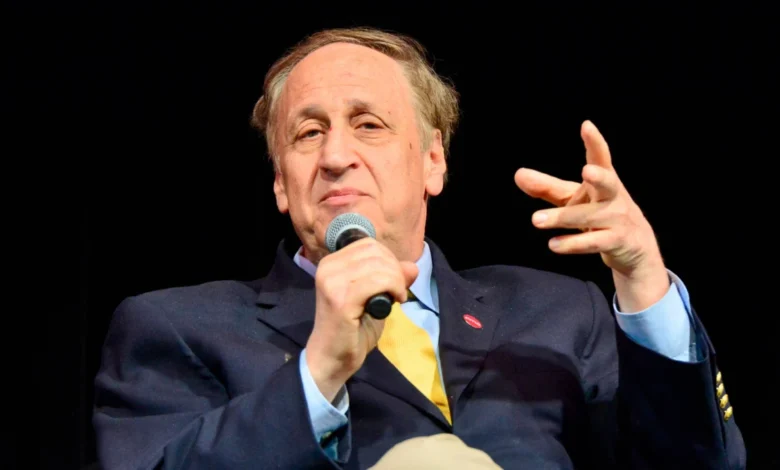
Adam Aron, the chief executive of the world’s largest movie theater chain, AMC Theatres, experienced a substantial increase in his compensation, rising by nearly 30 percent year-over-year. This financial uplift for the 71-year-old executive coincides with AMC’s navigation of a complex and often unpredictable box office landscape, marked by both significant challenges and recent encouraging signs of recovery. Aron’s total compensation for 2025 reached $14.97 million, a notable jump from the $11.3 million reported for 2024. However, this figure remains below the compensation levels seen in the post-"meme stock" frenzy years of 2022 and 2023, when he received $23.7 million and $25.4 million, respectively.
The latest filing with the Securities and Exchange Commission (SEC) on Thursday detailed the breakdown of Aron’s 2025 earnings. His base salary accounted for $1.55 million, while a significant portion, $7.38 million, was derived from stock awards. An additional $6 million came from the company’s non-equity incentive plan, reflecting performance-based bonuses tied to strategic objectives and financial outcomes. Aron is currently in his tenth year leading AMC, an entertainment giant that boasts an expansive network of 860 theater locations across the globe.
Navigating the Box Office Rollercoaster
The past year presented a mixed bag for the theatrical exhibition industry. The domestic box office in 2025 saw a modest increase, reaching approximately $8.87 billion. This slight uptick was attributed to a diverse slate of films, including anticipated releases like Disney’s Lilo & Stitch and Legendary/Warner Bros.’ A Minecraft Movie. Despite these efforts, AMC’s stock faced considerable headwinds, declining by approximately 58 percent throughout 2025, underscoring the financial pressures the company continues to manage.
Aron has consistently adopted a defiant and often colorful public persona, particularly when addressing critics of his strategies to revitalize the debt-laden exhibitor. During a July 20 earnings call, he famously declared his stance against "prognosticators of doom who have continued to vastly underestimate the will and the skill of AMC." This sentiment highlights the internal confidence within AMC’s leadership despite external skepticism.
Signs of a Resurgence and Strategic Adjustments
Recent performance indicators suggest a positive shift in the industry and for AMC specifically. As of the latest reporting, domestic box office grosses for the current year are running more than 10 percent ahead of the same period in 2025. This encouraging trend has been bolstered by a series of unexpected box office hits, such as A24’s Backrooms and Focus Features’ Obsession, which have contributed to a broader industry rebound. The momentum has been further amplified by the critical and commercial success of Christopher Nolan’s blockbuster The Odyssey, a film that, while potentially benefiting IMAX more directly, has undoubtedly driven increased foot traffic to theaters nationwide.
In response to this resurgence, AMC has notably put on hold its ambitious plan to screen live concerts in its venues. This strategic pause reflects a renewed focus on core theatrical programming and the potential for increased revenue from traditional film exhibition. The company’s market share has also seen positive growth. On AMC’s second-quarter earnings call, Aron reported to Wall Street analysts, "More than 71 million guests visited our theaters worldwide in the second quarter, 13.5 percent more than last year, drawn by one of the most powerful and diverse film slates that we’ve seen in years." He further elaborated on the company’s performance, stating, "We also increased AMC’s market share as our domestic ticket revenues were up by even more, up by some 11.4 percent."
Stock Performance and Market Context
Despite the ongoing challenges and the relatively low share price of $2.28, AMC’s stock has demonstrated a significant year-to-date increase of 40 percent. This recovery, while still leaving the stock far from its peak meme-stock era valuations, signals a renewed investor interest, possibly driven by the positive box office trends and the company’s strategic maneuvers.
The broader context of the movie theater industry in recent years has been one of intense adaptation. The COVID-19 pandemic forced widespread closures and a dramatic shift towards streaming services, leading many to question the long-term viability of traditional cinema. AMC, under Aron’s leadership, has been at the forefront of efforts to reimagine the moviegoing experience, exploring alternative revenue streams and engaging directly with its shareholder base, often referred to as "Apes," through innovative, albeit sometimes controversial, initiatives.
Executive Compensation Beyond the CEO
The upward trend in executive compensation is not limited to the CEO. Other members of AMC’s C-suite have also seen their pay packages increase. Sean Goodman, the Chief Financial Officer, received a total compensation of $4.9 million. David Ellis, the Chief Operations and Marketing Officer, saw his compensation rise to $2.47 million. These increases suggest a broader trend of rewarding key leadership personnel amidst the company’s ongoing efforts to stabilize and grow its business.
Historical Context and Future Outlook
The period following the meme stock phenomenon of 2021 and 2022 saw AMC’s stock price soar to unprecedented heights, driven by a surge of retail investor interest. This led to significant capital infusions for the company, which it used to shore up its balance sheet and pursue strategic initiatives. However, the subsequent volatility and the inherent challenges of the post-pandemic entertainment landscape have presented a persistent test for AMC’s leadership.
Aron’s compensation, while substantial, reflects a compensation philosophy that has often been tied to the company’s performance and market conditions. The recent increase can be interpreted as a reward for navigating the company through a period of recovery and demonstrating resilience against market skepticism. The coming quarters will be crucial in determining whether the current box office momentum can be sustained and whether AMC can effectively leverage this resurgence to address its long-term financial health and continue its strategic evolution in the dynamic entertainment industry. The company’s ability to attract diverse audiences with compelling film content and to potentially explore new revenue streams while managing its debt will be key determinants of its future success. The ongoing battle for market share and the ability to innovate in the face of evolving consumer habits remain central to AMC’s narrative.
Related posts: