
Weather Rain Snow Winter Storm
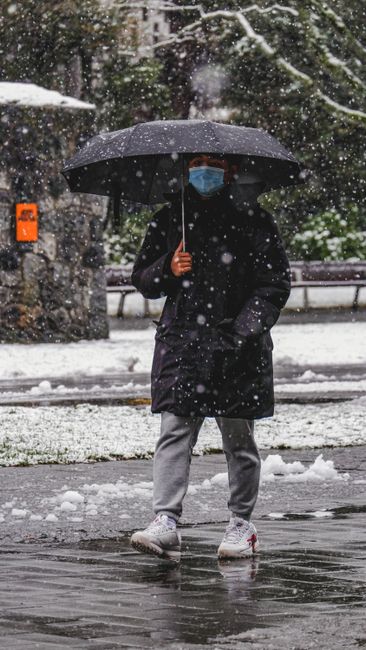
Rain, Snow, and Winter Storms: Navigating the Spectrum of Cold-Weather Precipitation
The transition from autumn’s vibrant foliage to the stark beauty of winter is often marked by a dramatic shift in precipitation patterns. Rain, a ubiquitous form of atmospheric moisture, can persist through cooler months, bringing with it a different set of challenges than its frozen counterpart: snow. Winter storms, encompassing a broad spectrum of severe weather events, represent the most potent manifestation of this cold-weather precipitation, capable of disrupting daily life, impacting infrastructure, and posing significant risks to safety and well-being. Understanding the nuances of rain, snow, and the multifaceted nature of winter storms is crucial for effective preparation, mitigation, and adaptation. This comprehensive exploration delves into the meteorological underpinnings, societal impacts, and actionable strategies related to these essential, yet often formidable, weather phenomena.
Rain, in its simplest definition, is liquid water droplets that have condensed from atmospheric water vapor and then become heavy enough to fall to the Earth’s surface. While often associated with warmer seasons, rain is a critical component of the hydrological cycle throughout the year, including winter. In regions experiencing moderate winter temperatures, precipitation may fall predominantly as rain. This can be attributed to a variety of atmospheric conditions. The freezing level, the altitude at which temperatures drop below 0°C (32°F), plays a pivotal role. If the freezing level is sufficiently high, or if the air mass reaching the surface is warm enough, even if clouds are producing ice crystals at higher altitudes, those crystals will melt as they descend, transforming into raindrops. The intensity of winter rain can vary from a light drizzle, characterized by very small droplets, to heavy downpours capable of causing flash flooding, particularly when the ground is already saturated or frozen, impeding infiltration.
The impact of winter rain, though perhaps less visually dramatic than snow, can be significant. Persistent rain can lead to prolonged periods of damp and cold conditions, increasing the risk of hypothermia for exposed individuals and exacerbating existing respiratory conditions. Infrastructural challenges include waterlogged roads, which can reduce traction and visibility, increasing the risk of traffic accidents. Drainage systems can become overwhelmed, leading to localized flooding in urban and rural areas alike. In agricultural contexts, excessive winter rain can delay planting and harvesting cycles, negatively impacting crop yields and potentially leading to soil erosion. Furthermore, prolonged periods of cold rain can contribute to infrastructure deterioration, such as the rusting of metal components and the warping of wooden structures. The psychological impact of extended periods of grey skies and incessant rain, often referred to as "winter blues," can also contribute to a decline in overall well-being. Effective management of winter rain involves robust drainage infrastructure, public awareness campaigns regarding driving safety, and appropriate clothing and shelter for individuals to prevent cold-related illnesses.
Snow, in stark contrast to rain, is frozen precipitation in the form of ice crystals. These crystals form in clouds when atmospheric temperatures are below freezing. The intricate and unique hexagonal structure of each snowflake is a testament to the specific temperature and humidity conditions during its formation. As these ice crystals grow, they aggregate with others, forming snowflakes, which then fall to the ground. The form and density of snow vary considerably, influenced by factors such as atmospheric temperature, humidity, and wind. Light, fluffy snow typically forms at colder temperatures with lower humidity, while heavier, wetter snow is associated with temperatures closer to the freezing point and higher humidity. The accumulation of snow, measured as snow depth, is a direct consequence of snowfall rate and duration, as well as wind conditions that can cause drifting and uneven distribution.
The societal and economic impacts of snow are widely recognized and often substantial. Heavy snowfall can paralyze transportation networks, making roads impassable and grounding air travel. This disruption can impact supply chains, leading to shortages of essential goods and services. Businesses may experience closures, resulting in lost revenue and decreased productivity. Snow removal operations, including plowing, salting, and de-icing, represent a significant financial burden for municipalities and private entities. Residential snow removal also requires considerable effort and resources from homeowners. The weight of accumulated snow can cause structural damage to buildings, particularly roofs, leading to collapses. Power outages are also a common consequence of heavy snowfall, as ice-laden power lines can snap, and fallen trees can disrupt electrical infrastructure. In addition to the logistical and economic challenges, snow presents significant safety hazards. Slippery surfaces increase the risk of falls and injuries, and the cold itself poses a threat of frostbite and hypothermia. However, snow also brings recreational opportunities, such as skiing, snowboarding, and sledding, contributing to local economies through tourism and outdoor recreation. Effective management of snow involves timely and efficient snow removal, strategic use of de-icing agents, public safety advisories, and robust infrastructure designed to withstand snow loads.
Winter storms represent the most severe and complex manifestations of cold-weather precipitation. The term "winter storm" is an umbrella classification that encompasses a range of hazardous weather events, including blizzards, ice storms, sleet storms, and heavy snowfalls. These storms are characterized by a confluence of factors, including low temperatures, significant precipitation (in liquid or solid form), and often strong winds. The formation of winter storms is driven by specific atmospheric dynamics, typically involving the interaction of cold air masses with moisture-laden air masses. The presence of a strong low-pressure system is a common precursor, drawing in significant amounts of moisture and energy.
A blizzard is a severe snowstorm characterized by strong sustained winds (typically 35 mph or greater) and considerable falling and blowing snow that reduces visibility to a quarter mile or less for an extended period (usually three hours or more). Blizzards are particularly dangerous due to the combination of heavy snowfall and reduced visibility, creating whiteout conditions that make travel extremely perilous, if not impossible. The extreme cold associated with blizzards, coupled with the wind, can lead to dangerous wind chills, rapidly increasing the risk of frostbite and hypothermia.
An ice storm occurs when freezing rain falls and freezes on contact with surfaces. This creates a coating of glaze ice, which can be extremely hazardous. The weight of accumulated ice can cause significant damage to trees, power lines, and structures. Roads and walkways become incredibly slippery, making travel extremely dangerous. Ice accumulation can also impede the functionality of various mechanical systems.
Sleet, also known as ice pellets, is another form of frozen precipitation. Sleet forms when snowflakes melt as they fall through a layer of warmer air and then refreeze as they pass through a subsequent layer of sub-freezing air closer to the ground. Sleet appears as small, translucent ice pellets and can accumulate on surfaces, creating slippery conditions similar to ice, though often less severe than a true ice storm.
Heavy snowfalls, while not always accompanied by the high winds of a blizzard or the extensive icing of an ice storm, can still be profoundly disruptive. Snowfall rates exceeding 1 inch per hour are considered heavy, and accumulation of several feet can occur over a short period, overwhelming snow removal capabilities and causing widespread travel disruptions.
The impacts of winter storms are far-reaching and multifaceted. Economically, they can cause billions of dollars in damages and losses due to disruptions in commerce, transportation, and agriculture. Public safety is severely compromised, with increased risks of traffic accidents, power outages, and exposure-related health emergencies. Infrastructure is particularly vulnerable, with roads, bridges, power lines, and buildings susceptible to damage from snow load, ice accumulation, and high winds. Emergency services can be stretched to their limits, responding to a surge in calls related to accidents, medical emergencies, and stranded individuals. The psychological toll on communities experiencing prolonged and severe winter storms can also be significant, leading to feelings of isolation and helplessness.
Effective preparedness and response to winter storms are paramount. This includes monitoring weather forecasts diligently, heeding official warnings and advisories, and having emergency kits with essential supplies such as food, water, blankets, flashlights, and batteries. For individuals, securing homes against the cold, ensuring vehicles are winter-ready with appropriate tires and emergency supplies, and having alternative heating and communication methods are vital. For communities, robust emergency management plans, well-maintained snow removal equipment and personnel, and clear communication strategies are crucial. Public education campaigns on winter storm safety are also a critical component of preparedness. The ability to accurately forecast and communicate the timing, intensity, and potential impacts of winter storms is a cornerstone of mitigating their adverse effects and safeguarding public well-being. The interplay of rain, snow, and the more severe manifestations of winter storms necessitates a comprehensive understanding of meteorological principles and a proactive approach to preparedness and response, ensuring resilience in the face of these powerful natural forces.
