A transatlantic summer reunion: The logistical and social dynamics of hosting international family visitors in New York City

The phenomenon of hosting international relatives during the summer months remains a staple of the New York City tourism experience, blending familial obligation with the complex logistics of urban navigation. In a recent case study of cross-border family engagement, siblings and cousins from the United Kingdom successfully completed a week-long excursion to Brooklyn, marking a consecutive second year of travel between the two regions. This exchange highlights broader trends in post-pandemic international travel, where families prioritize extended, immersive stays over traditional sightseeing tours to foster interpersonal connections.

The Itinerary: Navigating the Urban Landscape
The logistical management of a teenage or pre-teen visitor in a metropolitan environment requires a balance between structured activity and autonomy. During the most recent visit, the young travelers—Nick and Jimmy—assumed primary responsibility for their own itinerary, a common strategy used by hosts to mitigate the fatigue associated with managing younger guests in a high-density city.
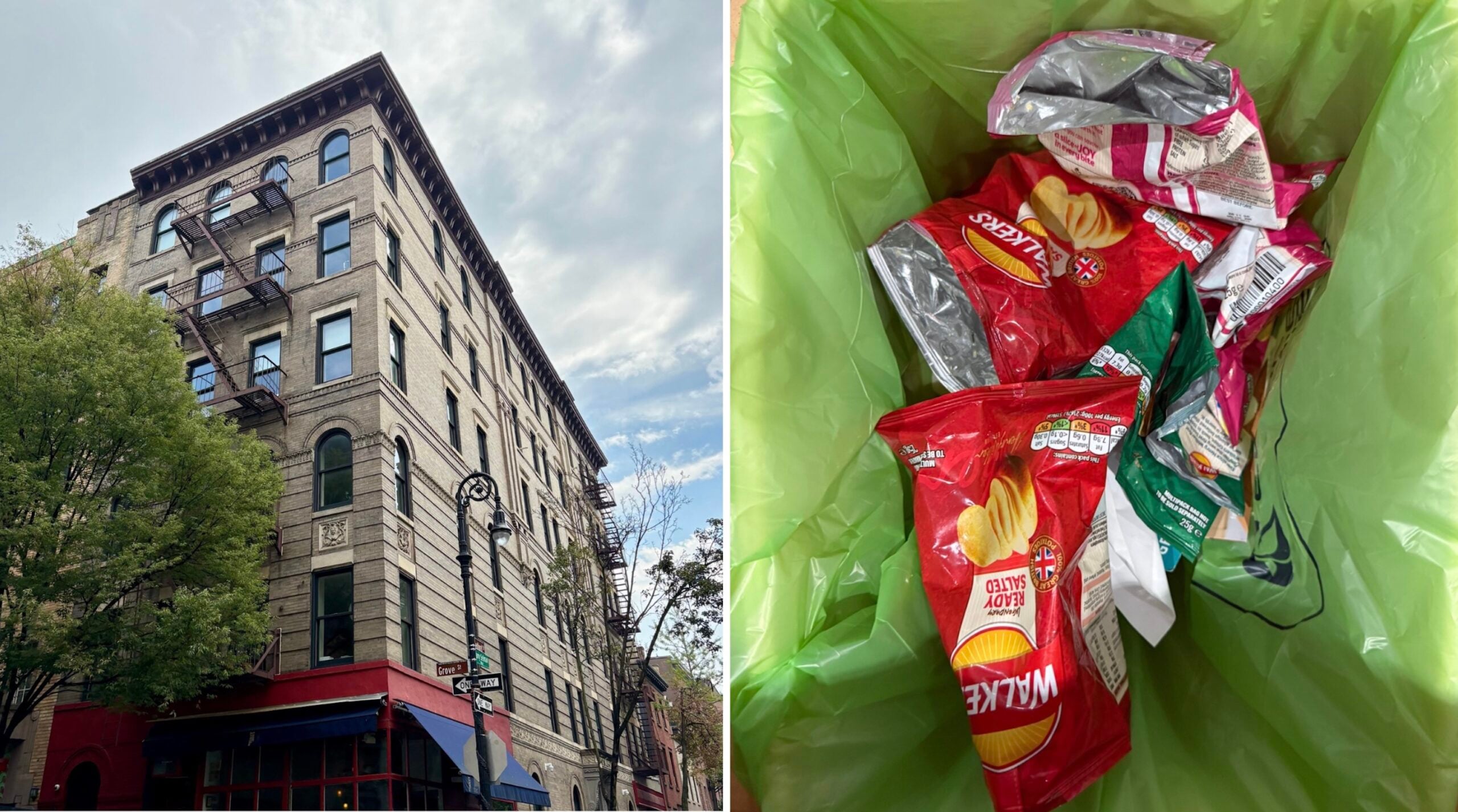
The group’s selection of activities reflected a blend of pop-culture tourism and athletic engagement. Central to their week was a pilgrimage to the iconic apartment building featured in the television series Friends, located in Manhattan’s West Village. This site continues to be a major draw for international visitors, serving as a landmark for global cultural exports. Following this, the group utilized public recreation spaces in Central Park for soccer, emphasizing the importance of accessible urban green space for youth engagement. Dietary choices during the week focused on regional staples, including a notable consumption of Walkers crisps—a brand synonymous with British snack culture—underscoring the importance of comfort foods when traveling abroad.

Rural Retreats and Domestic Leisure
While the urban portion of the visit provided high-intensity activity, the latter half of the week shifted to a residential setting in Connecticut. This transition from high-density urban living to the more suburban, expansive environments typical of the Connecticut landscape is a frequently observed pattern for New York residents hosting visitors.
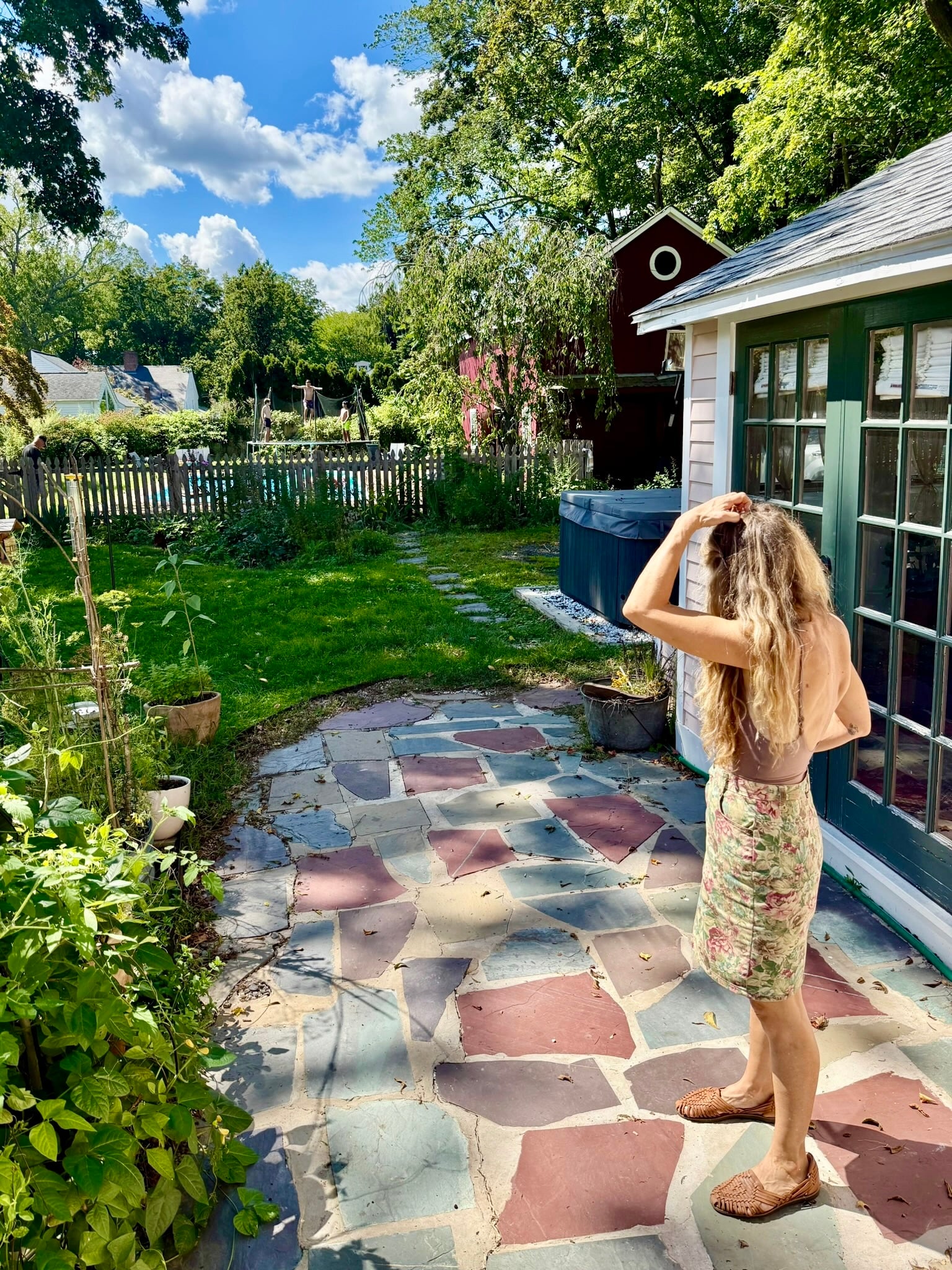
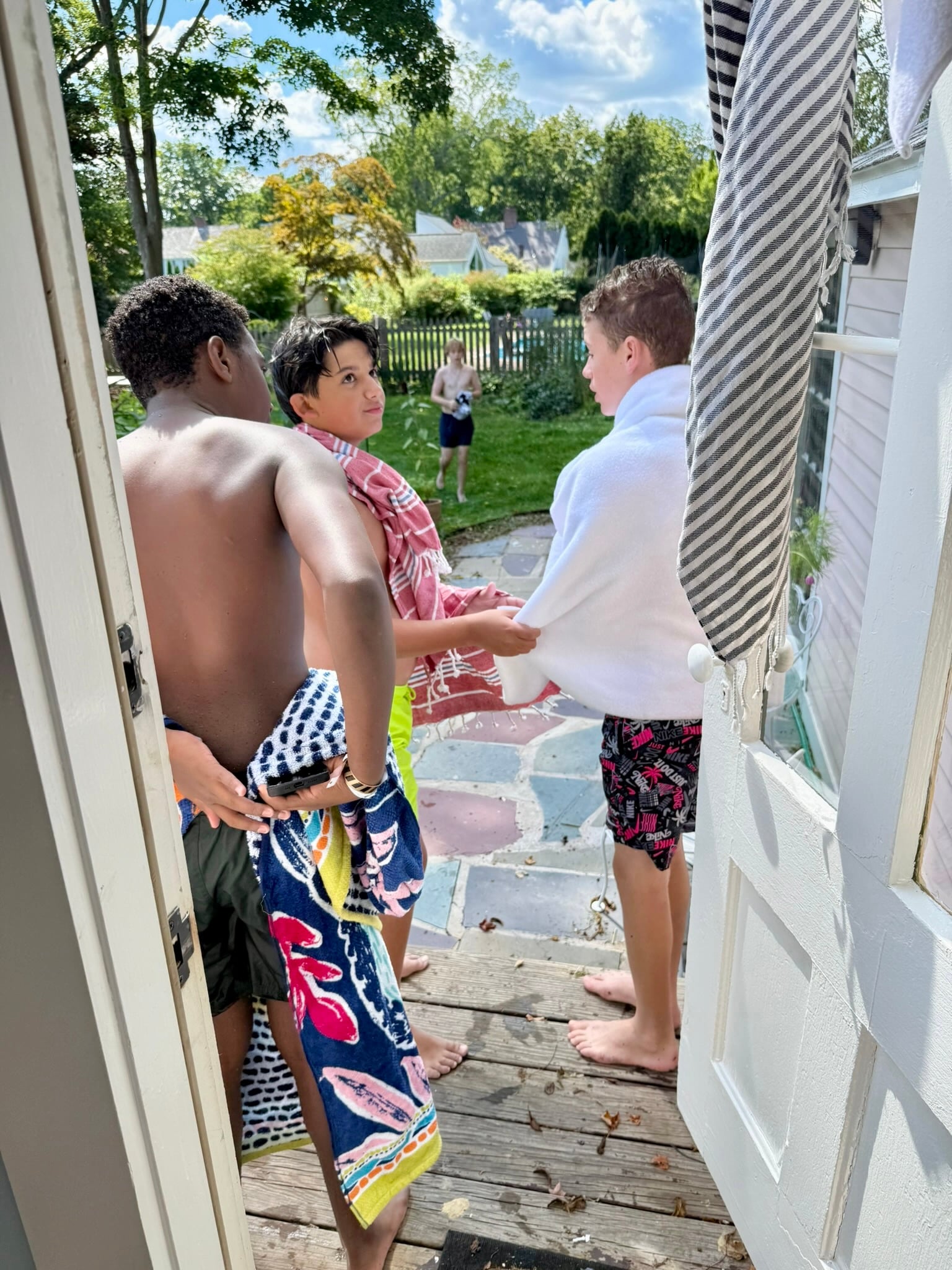
The residential visit included access to private recreational facilities, specifically a swimming pool and trampoline, which provided a necessary physical outlet for the visiting adolescents. The integration of outdoor landscaping, characterized by high-maintenance, aesthetic-focused gardening, served as a point of focus for the hosts. Such environments are increasingly valued in the regional tourism market, as they offer a stark contrast to the infrastructure of New York City.
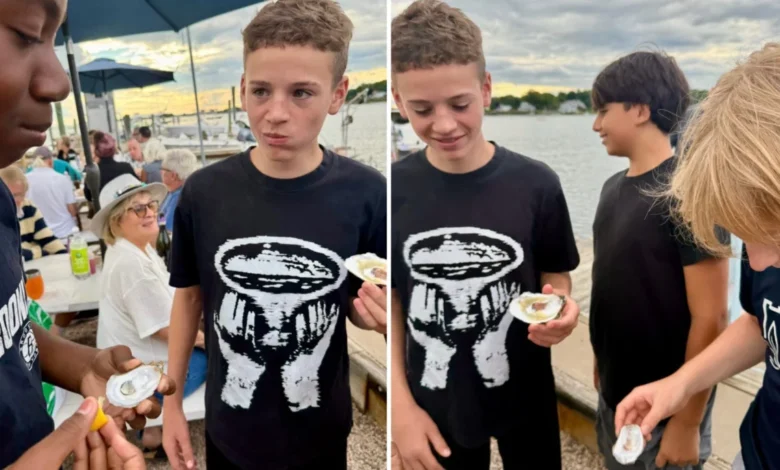
The social dynamics of this period were marked by a communal approach to leisure, involving shared meals and traditional tabletop gaming. The inclusion of activities such as Rummikub illustrates a shift toward low-tech social interaction, which serves as a balance to the digital saturation experienced by younger generations. Furthermore, the introduction of regional culinary experiences—notably the consumption of oysters—served as a cultural milestone for the visitors, providing a sensory connection to the coastal geography of the Northeast United States.
Socio-Economic Implications of Transatlantic Visits
The recurring nature of this visit—returning for a second consecutive summer—points to the stabilization of international travel patterns following the volatility of the early 2020s. According to recent data from the U.S. Travel Association, the recovery of international arrivals to New York City has been bolstered significantly by repeat visitors who utilize private residences rather than hotels, thereby reducing the direct economic impact on the hospitality sector but increasing the localized spending within neighborhood retail and transit systems.

From a sociological perspective, these visits function as a mechanism for maintaining transnational family bonds. For families separated by an ocean, the investment in airfare and the dedication of time off work represent a significant commitment to cultural continuity. The "noisy, funny, wonderful" nature of such gatherings, as described by those involved, highlights the emotional value that outweighs the inherent stress of hosting.
The Role of Media and Cultural Consumption
The conclusion of the week, characterized by a transition back to solitary media consumption, offers a snapshot of modern household rhythms. The act of viewing streaming content, such as Love Is Blind, serves as a communal "debriefing" period after the intensive social engagement of hosting.
The integration of global media—specifically British-produced reality television content being consumed in an American household—reflects the borderless nature of modern entertainment. This consumption pattern is not merely a leisure activity but a reflection of the shared cultural language that defines the relationship between the two visiting parties.
Analytical Overview: Sustainability of Family Travel
The sustainability of such cross-continental reunions depends on several factors, including the flexibility of remote work environments and the availability of affordable air travel. As the cost of living in New York City remains elevated, the ability of residents to provide a home-based experience for their relatives remains a vital component of the city’s social fabric.

The logistical success of this week-long visit—from the navigation of Manhattan’s transit systems to the management of downtime in Connecticut—demonstrates that the most successful family trips are those that manage expectations through collaborative planning. By empowering the visiting youth to dictate their own activity schedules, the hosts were able to facilitate a high-engagement experience that minimized the friction often associated with multigenerational or cross-cultural domestic cohabitation.
As the summer season concludes, the departure of the visitors leaves behind a quieter domestic environment, yet the impact on the family unit is likely to endure. The creation of shared memories, the introduction of new culinary experiences, and the reinforcement of family traditions across borders are the primary drivers of this enduring travel trend.
The case of these visitors underscores a broader, fundamental human need: the desire to bridge the geographical divide through sustained, in-person interaction. While technology allows for constant communication, the physical presence of relatives in one’s daily space remains an irreplaceable component of familial health. The meticulous coordination required to pull off such a week is, by all accounts, a logistical challenge that remains a deeply valued priority for families globally. As travel trends continue to evolve, the preference for these long-form, residential-style visits is expected to persist as a primary method for maintaining connections in an increasingly mobile world.