Alaska Senate race turns chaotic as dual Dan Sullivans and election integrity concerns grip the Last Frontier

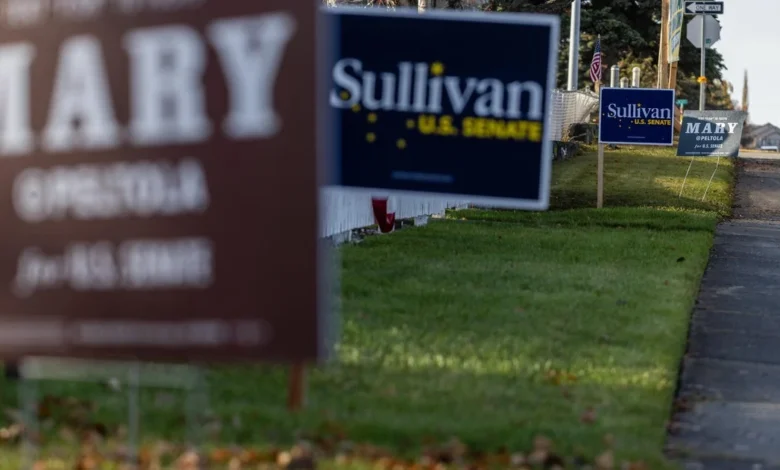
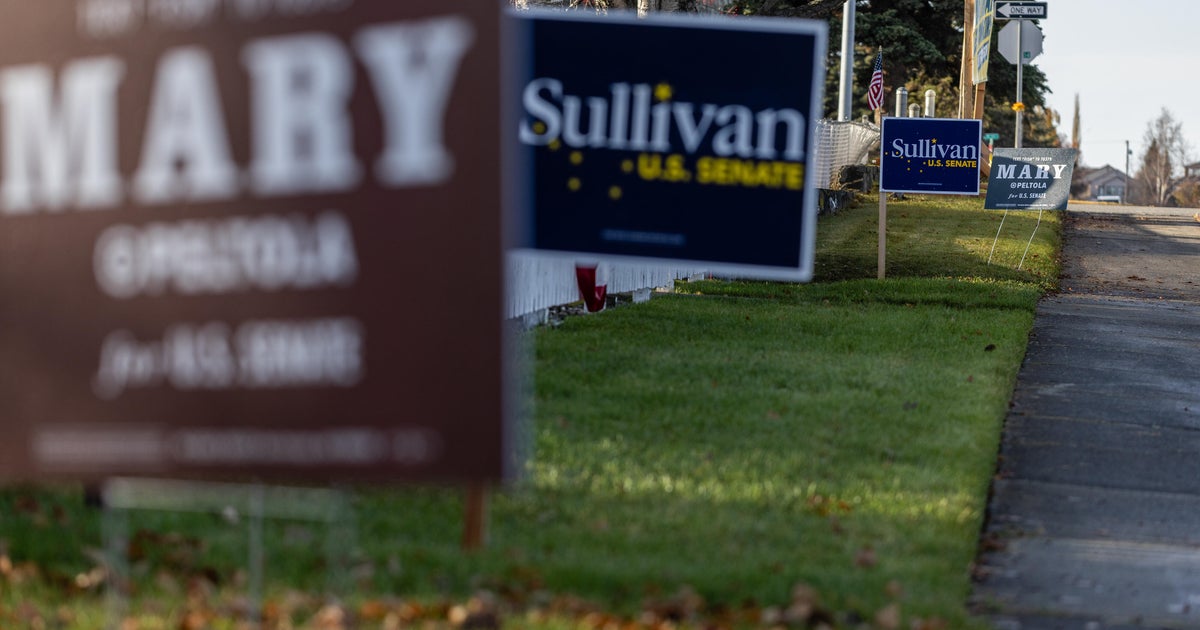
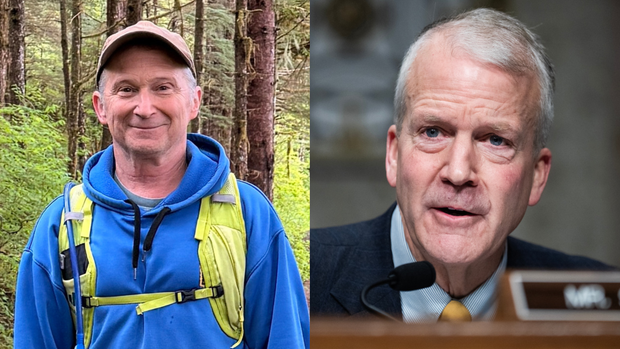
The political landscape in Alaska has reached a boiling point as voters prepare to head to the polls in a Senate contest defined by a bizarre, high-stakes naming coincidence that has prompted investigations, lawsuits, and a fierce war of words. Incumbent Republican Senator Dan S. Sullivan is locked in a competitive reelection bid against Democratic challenger Mary Peltola, but the presence of a second candidate named Daniel J. Sullivan on the ballot has transformed the race into a case study in electoral confusion and the volatility of the state’s ranked-choice voting system.
The controversy centers on whether the second Sullivan—a retired teacher from rural Alaska—is a legitimate candidate or a "spoiler" planted by Democratic-aligned operatives to siphon votes from the Republican incumbent. While the challenger maintains he is a serious candidate exercising his democratic right to run, the Trump administration and Alaska state Republicans have characterized the situation as a calculated act of election interference.
A Chronology of the Ballot Dispute
The seeds of this electoral standoff were sown in June 2026, when Daniel J. Sullivan filed to run for the U.S. Senate. His entry was almost immediately challenged by the incumbent’s legal team, who petitioned the Alaska Division of Elections to remove him from the ballot. The state’s Elections Director, Carol Beecher, initially granted the request, ruling that the challenger’s candidacy was a "deliberate attempt" to mislead the electorate. Beecher pointed to several factors, including the candidate’s attempt to list his middle initial as "S" to match the incumbent’s ballot designation and the striking visual similarities between the two campaigns’ digital platforms.
However, the legal battle was far from over. The challenger successfully appealed the decision in state court. A judge overturned the Division of Elections’ ruling, determining that the state lacked the authority to subjectively judge the "good faith" of a candidate’s intent to run. The Alaska Supreme Court upheld this ruling later in June, effectively locking both Sullivans onto the November general election ballot and ensuring that the confusion would reach the voters.
The Mechanics of Alaska’s Ranked-Choice System
To understand the intensity of the current alarm, one must examine the nuances of Alaska’s unique election system. Adopted in 2020 and first implemented in 2022, the system replaced traditional party primaries with a nonpartisan "top-four" primary, followed by a general election that utilizes ranked-choice voting.
In this system, voters rank candidates in order of preference. If no candidate secures more than 50% of the first-choice votes, the candidate with the fewest votes is eliminated. Their supporters’ ballots are then redistributed to their second-choice candidates. This process repeats until a majority winner emerges.
Because the race between the incumbent Senator and Mary Peltola is tighter than initially projected—in a state that favored Donald Trump by double digits in 2024—every fraction of a percentage point carries immense weight. If a segment of the Republican base is misled into ranking "Daniel J. Sullivan" instead of "Dan S. Sullivan," the incumbent risks losing critical first-round support, potentially triggering an elimination process that could tilt the outcome in favor of the Democratic candidate.
The Role of Alleged Campaign Ties
The controversy escalated significantly following investigative reporting by The New York Times, which suggested that a Democratic operative linked to the Peltola campaign had provided guidance to the second Sullivan during his candidacy filing process. These revelations sparked immediate outrage from the GOP.
Alaska Governor Mike Dunleavy responded by ordering an official investigation into the Peltola campaign. In a public statement, the Governor cited the report as "disturbing new evidence of an organized effort to manipulate Alaska’s elections." He has directed the Department of Public Safety to determine if any state laws were violated, raising the specter of potential criminal charges or civil litigation.
The Peltola campaign has remained steadfast in its denials. Peltola has dismissed the allegations as a "distraction" intended to generate headlines, while the Democratic Senatorial Campaign Committee (DSCC) has explicitly denied any institutional involvement with the second Daniel J. Sullivan. Democrats have countered that the Republican Party has historically utilized similar tactics in other jurisdictions to fragment the vote, characterizing the current GOP outrage as hypocritical.
Federal Intervention and Legal Implications
The dispute has reached the federal level, with the U.S. Department of Justice filing a lawsuit aimed at preventing the certification of the Alaska Senate results should the incumbent lose due to what the government deems "voter confusion."
Attorney General Todd Blanche has defended the move as a measure to establish "guardrails" for the electoral process. The lawsuit does not seek to stop the voting itself but rather attempts to create a legal pathway to challenge the final tally if it appears that voters were deceived by the ballot design. Former President Donald Trump weighed in via social media, calling the incident "ELECTION FRAUD" and suggesting that Peltola should be disqualified from the race entirely.
This intervention has faced sharp criticism from both sides of the aisle. Alaska Senator Lisa Murkowski, a Republican not facing reelection this cycle, publicly opposed the DOJ’s lawsuit. She emphasized that the state of Alaska has already addressed the issue through its judicial system and that Alaskans are fully capable of discerning their choices on the ballot. While she expressed disapproval of the alleged "culture of deception" surrounding the Peltola campaign, she maintained that the federal government should respect state-level electoral authority.
Broader Impact and Expert Analysis
Legal scholars and election experts have noted that the situation, while highly contentious, sits in a gray area of election law. David Becker, an expert in election law and a CBS News contributor, observed that while the incident is "unfortunate," it is unlikely that any criminal statute has been breached. "The Alaska courts have already considered whether or not this might be shenanigans, and they’ve ruled on this under Alaska state law," Becker noted, adding that the DOJ’s lawsuit lacks a clear legal precedent to halt the certification of a state-run election.
The implications of this race extend beyond the Senate seat. The conflict highlights the vulnerabilities inherent in electoral systems that prioritize open access and nonpartisan participation. When voters are faced with identical or near-identical names on a ballot, the burden of information falls heavily on the campaigns and the voters themselves.
As Election Day nears, the Alaska GOP has launched an intensive voter education campaign, including radio spots and digital outreach, specifically designed to help voters distinguish between "Dan S." and "Daniel J." The effectiveness of this campaign will likely be the deciding factor in the election.
Ultimately, the Alaska Senate race has become a barometer for the broader national mood regarding election integrity. Whether the result is viewed as a triumph of the ranked-choice system’s capacity to handle candidate diversity or a failure of the system to prevent deceptive practices, the fallout will almost certainly influence future legislative debates on how states manage ballot access and candidate qualifications. For now, the eyes of the nation are fixed on the Last Frontier, where the final vote count will be scrutinized not just for the winner, but for the clarity of the process itself.