When Rachel Décoste, an Ottawa-born professional with a background in United States congressional tech policy, touched down in the Republic of Benin in August 2018, her intentions were rooted in ancestral inquiry rather than romantic pursuit. Having spent her career navigating the complex halls of Washington D.C., the Canadian expatriate found herself at a professional crossroads in her early 40s. With her U.S. work visa nearing its expiration, she opted for a five-month period of remote work, utilizing the opportunity to trace the lineage of her Haitian parents—a journey that would take her across the West African nations of Senegal, Ivory Coast, Togo, Ghana, and ultimately, Benin. Little did she realize that a simple request for directions in the port city of Cotonou would lead to an international marriage and a complete transformation of her life trajectory.
The Ancestral Pilgrimage and the Roots of Discovery
For descendants of the transatlantic slave trade, the search for ancestral origins is often more than a historical project; it is a psychological reclamation. Rachel had recently received the results of a DNA ancestry test, which identified her roots in the coastal regions of West Africa. This data provided the primary catalyst for her five-month sabbatical.
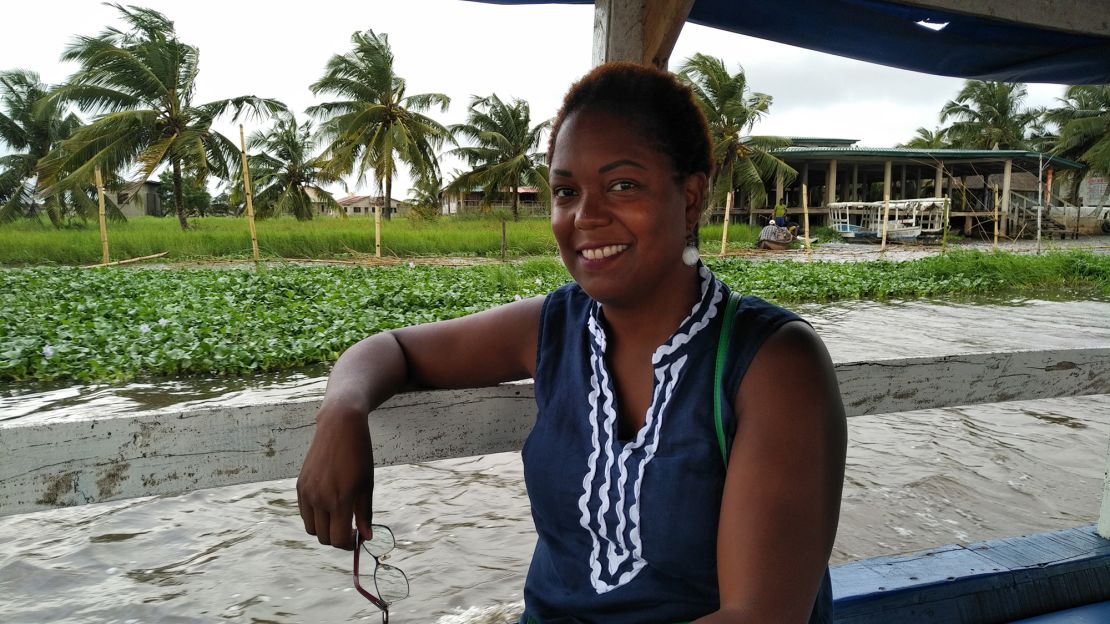
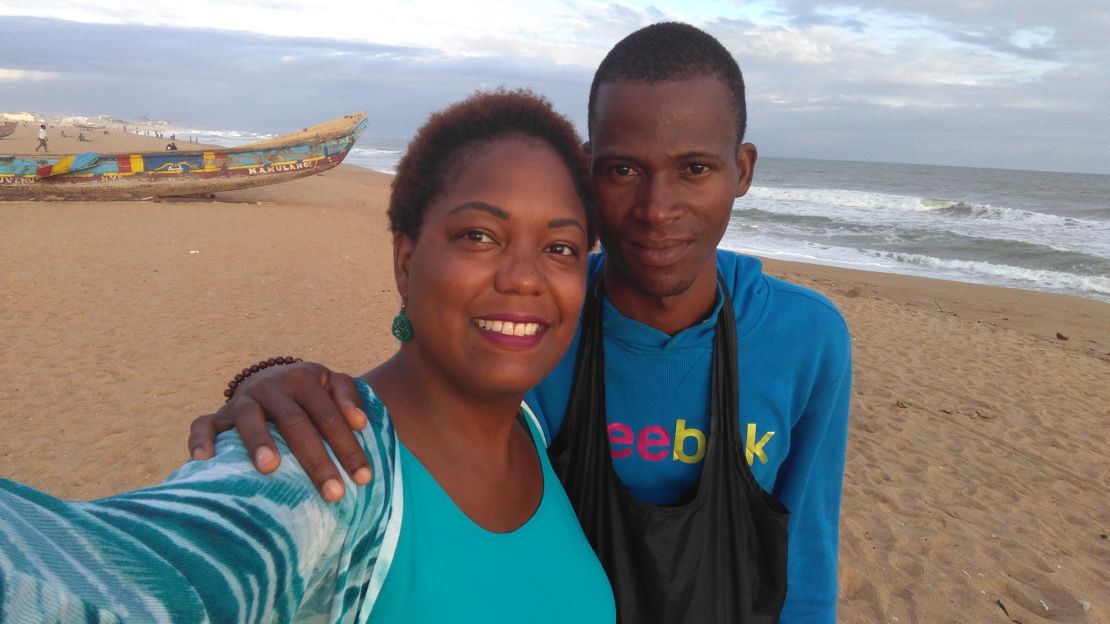
The historical context of Benin is significant for those of the African diaspora. Known historically as the Dahomey Kingdom, the region was a central hub for the Trans-Atlantic Slave Trade. The port of Ouidah, in particular, served as one of the most active embarkation points for enslaved people. For Rachel, visiting Ouidah was a solemn obligation, a way to bear witness to the resilience of those who survived the Middle Passage. "DNA tests for a descendant of enslaved Africans has very deep significance for us," she noted during her reflections on the journey. "Even though it’s not a precise science, when you get the map of where your ancestors came from, it’s an emotional journey."
A Chance Encounter in Cotonou
The chronology of this life-altering meeting began on a morning in August 2018. Rachel, staying at a bed and breakfast in Cotonou, found herself in need of transportation to Ouidah. When the facility’s staff were unavailable to assist, she stepped outside to seek help from a local.
The man she approached was Honoré Orogbo, a local businessman and single father in his thirties. Initially, Honoré mistook Rachel for the proprietor of the residence. When she clarified her status as a visitor seeking directions to a bush taxi station, Honoré—familiar with the logistical complexities of local transit—offered an alternative. Recognizing that the public taxi service was unreliable and likely to leave her stranded, he offered to drive her on his motorcycle.
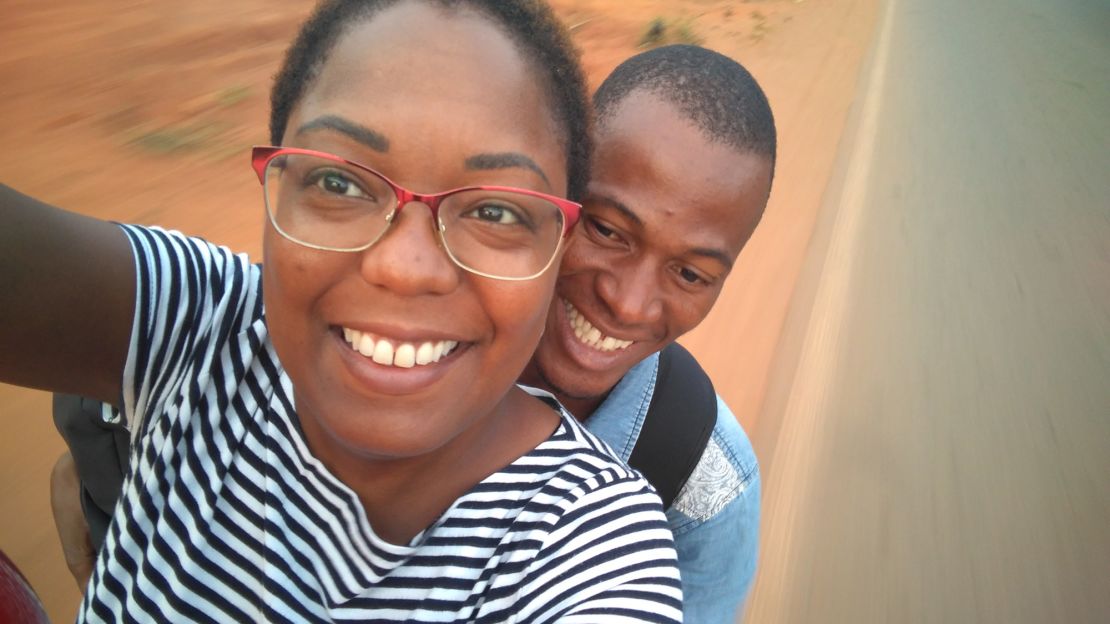
What began as a ten-minute transit assistance evolved into a day-long excursion. Upon reaching the station and finding the transport options limited, Honoré volunteered to drive her the full distance to Ouidah. The rapport between the two was immediate, fueled by a shared sense of curiosity and, on Rachel’s part, a need for a reliable guide.
Building Bridges: A Timeline of Connection
The development of their relationship followed a rapid but meaningful trajectory:
- August 2018: Rachel and Honoré meet by chance in Cotonou. After spending the day visiting the historic slave forts of Ouidah, they agree that he will serve as her driver for her remaining time in Benin.
- Late August 2018: The pair travels to Lomé, Togo, for a weekend trip. During this time, the nature of their relationship shifts from professional to personal.
- September 2018: Rachel returns to North America, but the pair maintains contact, solidifying their commitment to one another despite the geographical distance.
- January 2019: Rachel returns to Benin, where she and Honoré are married in a traditional ceremony.
- 2020–2021: The couple navigates the complexities of international immigration during the COVID-19 pandemic, eventually reuniting in Canada.
Cultural Exchange and Economic Integration
The relationship was built on a foundation of mutual values. During their initial week of travel, their conversations moved beyond logistics to deep discussions about family, life philosophy, and personal ethics. Rachel was particularly struck by Honoré’s dedication to his son’s education, noting that he prioritized his child’s future over personal material upgrades, such as a newer vehicle. This alignment of values—specifically the importance of familial stability and education—mirrored the values instilled in Rachel by her own parents.
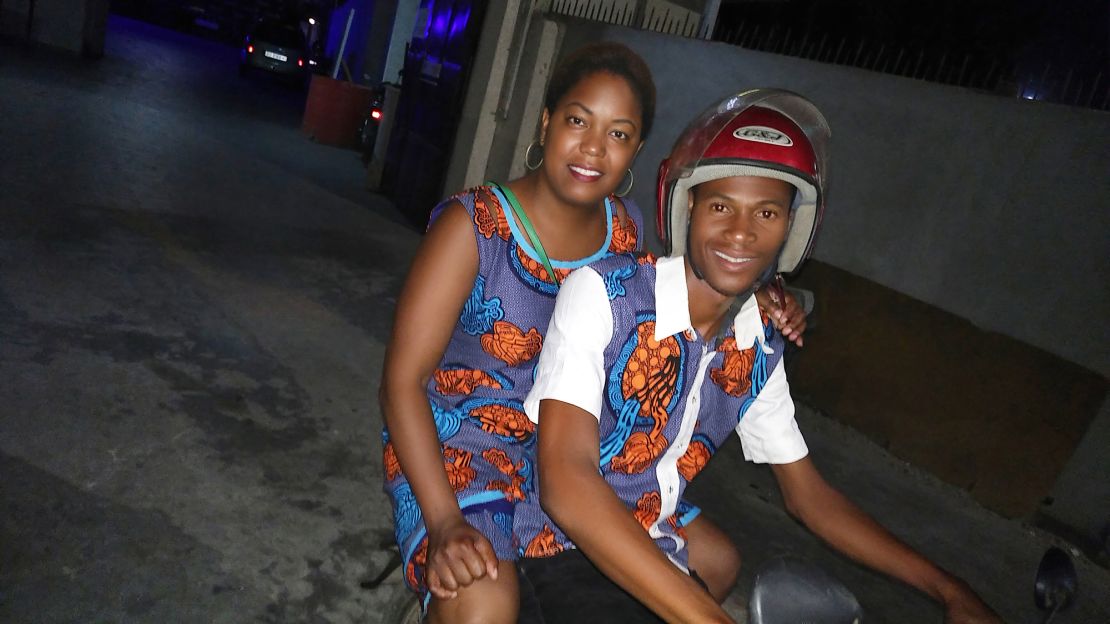
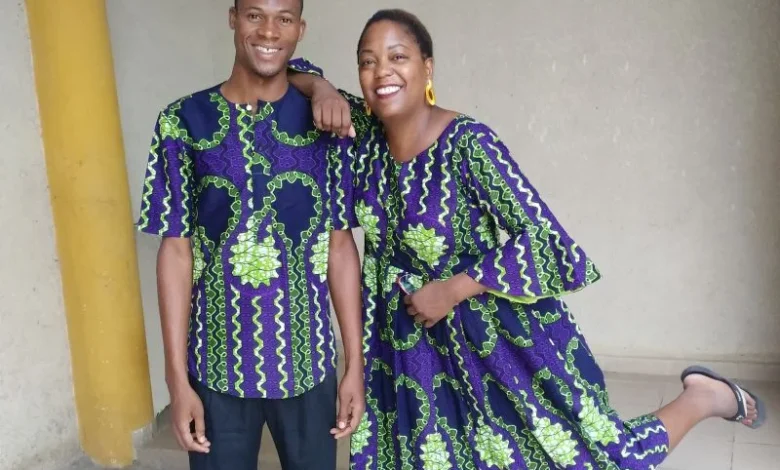
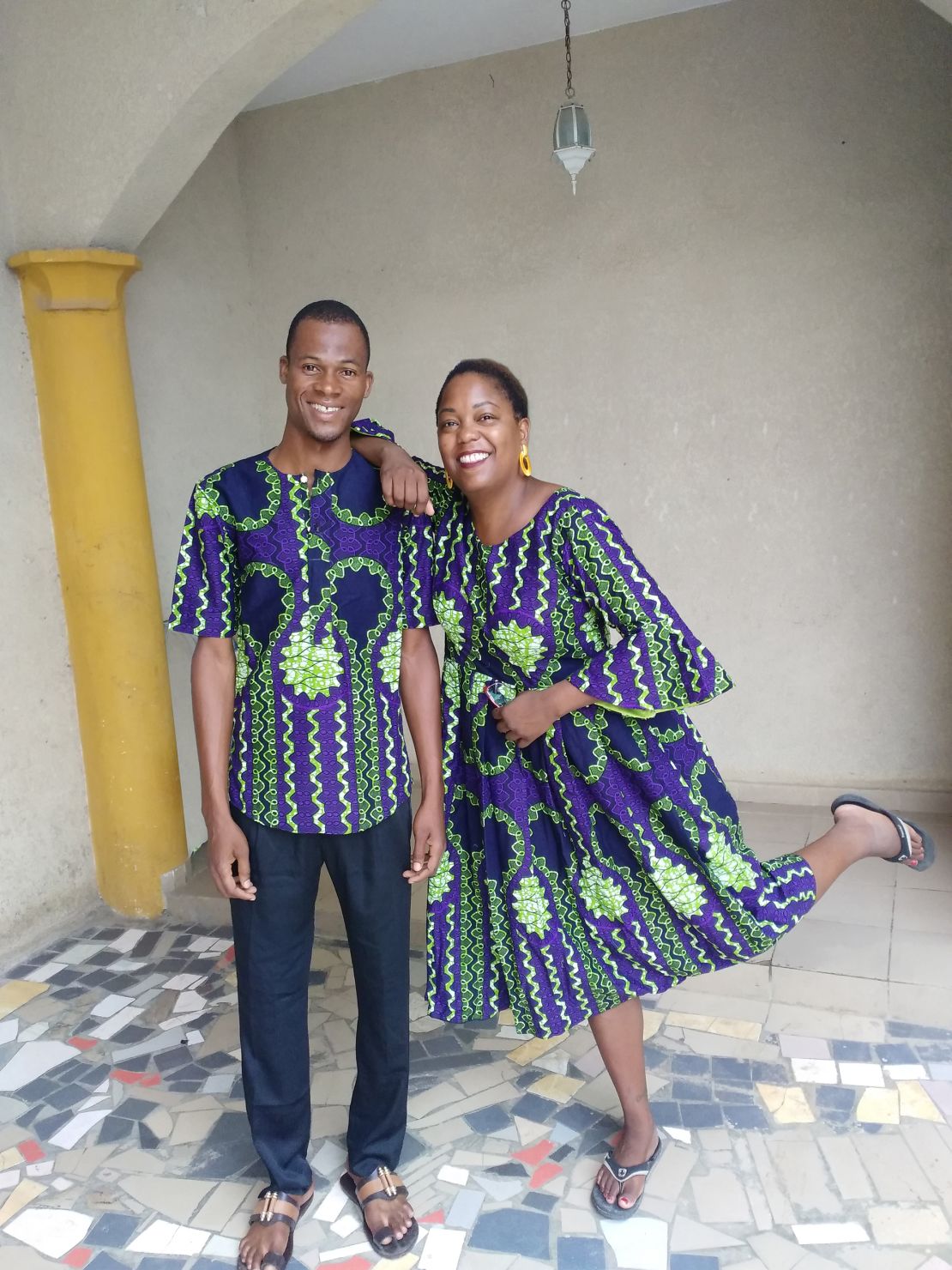
Their integration also involved the textile arts of Benin. Under the guidance of Honoré’s brother, a tailor, the couple selected traditional fabrics—Ankara and lessi—to create custom clothing. This act of commissioning local artisans was a symbolic bridge between their two worlds. Today, the couple continues to honor this connection through "Woke Apparel," a business they operate together that produces Canada-winter-appropriate clothing featuring African prints.
The Challenges of Transatlantic Migration
The decision to relocate Honoré and his son to Canada was not one taken lightly. Immigration involves significant bureaucratic hurdles, and the transition from a tropical climate to the harsh Canadian winter presented both physical and psychological challenges.
"I took the time during the separation to start preparing myself mentally and psychologically for a big move," Honoré stated. The cultural adjustment, particularly the Canadian winter, was a shock, but the couple approached the transition as a partnership. For Honoré, the move was a testament to his belief in following one’s heart, regardless of the difficulty of the path.
Societal Implications: Love and Global Mobility
The story of Rachel and Honoré offers a micro-case study in the complexities of modern, cross-border relationships. While their narrative is one of personal triumph, it also highlights the realities of international migration. The couple’s experience underscores the role of personal agency in navigating global systems that often prioritize economic status or professional background.
Furthermore, Rachel’s experience as a Black woman traveling solo through West Africa serves as a subversion of traditional travel narratives. By documenting her journey in her book, "Year of Return: a Black Woman’s African Homecoming," she challenges the notion that such travel is inherently risky or that it cannot lead to life-altering outcomes.
Professional and Personal Evolution
Today, the couple resides in Ottawa. Rachel, utilizing her background in public service and technology, works as a diversity and inclusion expert. Honoré is pursuing further education, and together they are raising their son. Their life is characterized by a blend of their respective cultural heritages—a fusion that informs both their business practices and their family life.
Reflecting on their journey, both emphasize that their union was an act of deliberate choice rather than mere happenstance. "Sometimes you shouldn’t force fate," Honoré noted, reflecting on the serendipity of their initial meeting. Rachel, meanwhile, views their story as a broader message for others: "There is no expiration date on opportunity. And grab life by both hands. If I can do it, you can."
As they continue to navigate life in Canada, the couple remains committed to bridging the gaps between their two worlds, proving that even in an era of digital disconnection, physical, human connection remains the most potent force for change. Their narrative remains a testament to the idea that, regardless of age or circumstance, the pursuit of a meaningful life often begins with the willingness to step into the unknown.
Related posts: