The Multi-Billion-Dollar Wildfire Litigation Boom Is Reshaping the American West


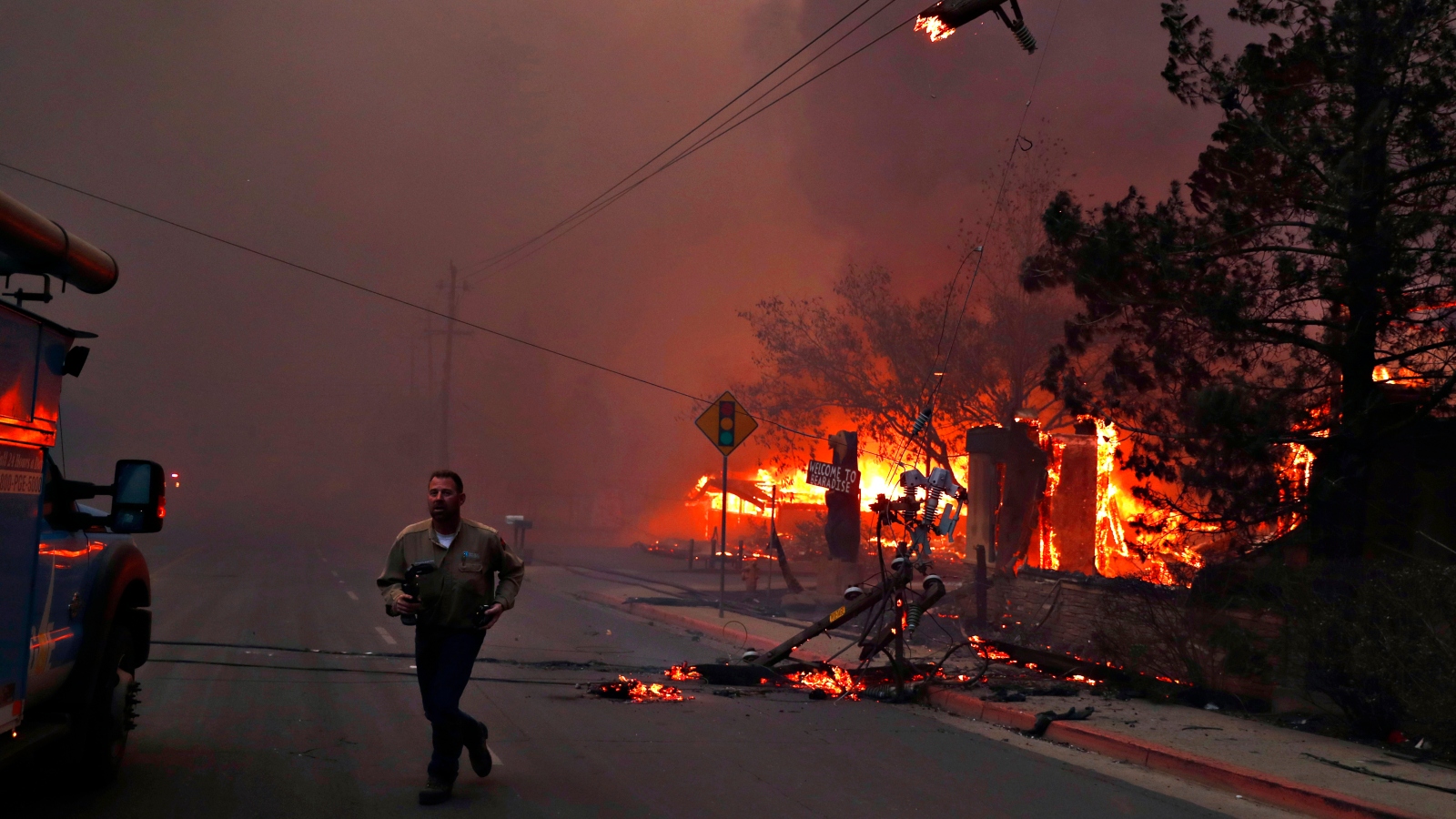
On a dry November morning in 2018, the foothills of the Sierra Nevada were primed for catastrophe. Northern California had experienced an unseasonably dry autumn, leaving the grasses, brush, and timber surrounding the town of Paradise bone dry. Humidity levels plummeted to dangerously low thresholds as intense winds gusted downslope at speeds reaching 40 miles per hour, barreling directly toward the 26,000-person community.
When a heavily weathered, 99-year-old transmission tower owned by Pacific Gas and Electric Co. (PG&E) suffered a structural failure, a live wire broke free. The resulting electrical arc ignited the dry brush below, giving birth to the Camp Fire. Within a matter of hours, the inferno consumed entire neighborhoods, displaced tens of thousands of residents, and tragically claimed 85 human lives. It cemented its place in history as the deadliest wildfire in California’s modern records.
Yet, the tragedy in Paradise did more than leave a physical and psychological scar on the region; it established a monumental legal precedent. Thousands of displaced victims and surviving family members filed sweeping lawsuits against PG&E. Under intense legal pressure, the utility ultimately agreed to a staggering $13.5 billion settlement to compensate victims of the Camp Fire and several other major Northern California blazes ignited by its aging infrastructure between 2017 and 2018.
The settlement was one of the largest civil recoveries for an environmental disaster in United States history. It forced PG&E into Chapter 11 bankruptcy and delivered a clear, unvarnished message to the energy sector: utility companies would be held financially accountable for catastrophic losses when faulty equipment sparks massive conflagrations.
The Evolution and Scale of Modern Wildfire Litigation
The cascading financial fallout from the Paradise settlement unleashed an entirely new legal frontier. Across the American West, wildfire litigation has rapidly transformed into a high-stakes, multi-billion-dollar enterprise. Since 2017, more than $18 billion has been awarded or agreed to in civil settlements for wildfire victims across California, Hawaii, Colorado, and Oregon. Investor-owned utilities and rural electric cooperatives—including PG&E, PacifiCorp, Xcel Energy, and Southern California Edison—have borne the brunt of these astronomical legal claims.
This legal surge mirrors an escalating ecological crisis. The National Interagency Fire Center reported that recent years have ranked among the most destructive on record for U.S. wildfires. Following mild winters characterized by low snowpacks across major mountain ranges like the Rockies and the Sierra Nevada, vast swaths of the American landscape have become exceptionally vulnerable to combustion. More than 9 million acres burn annually in typical seasons, far outpacing historical decadal averages.
Legal challenges have closely tracked this environmental devastation. In Colorado, residents filed lawsuits against the San Isabel Electric Association, a non-profit rural electric cooperative, after an aspen tree fell onto energized powerlines, triggering the Aspen Acres Fire. The blaze grew to become the seventh-largest wildfire in state history, destroying more than 320 homes and forcing emergency evacuations.
The Shift from Ignition to Escalation: A Climate-Driven Reality
As the frequency and intensity of climate-fueled wildfires accelerate, legal scholars, scientists, and policymakers are increasingly questioning whether a purely litigious model can sustainably address mounting losses. Climatologists point out a fundamental paradox: while the financial damages are skyrocketing, the actual number of annual wildfire ignitions has remained relatively steady over the decades.
"California hasn’t seen a big increase in the number of fires," explains Chris Field, a prominent climate scientist at Stanford University. "What’s really changed is the probability that a little fire grows into a gigantic, devastating one."
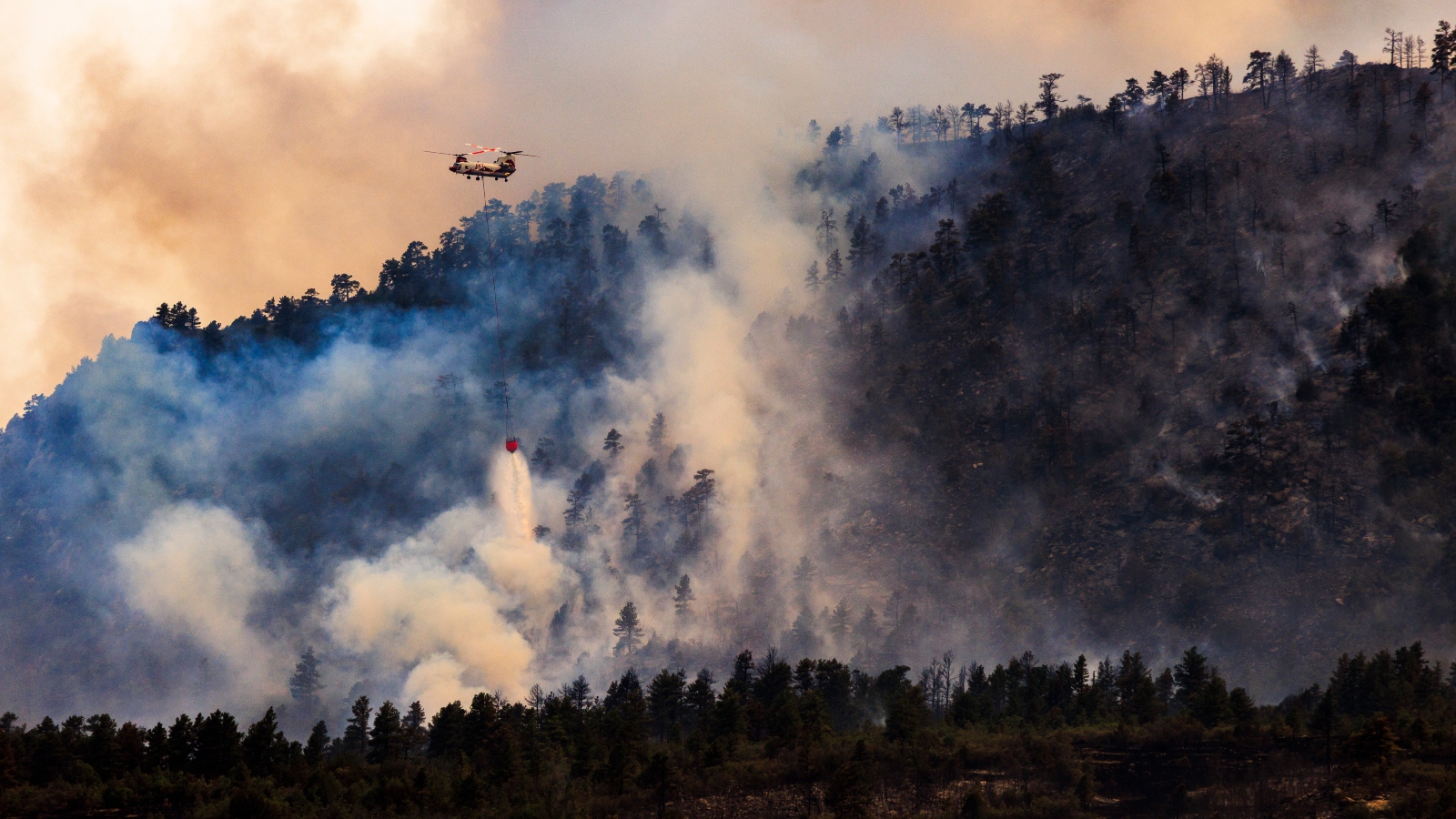
This escalation is driven by a convergence of human factors and changing climate dynamics. As global temperatures rise, regional landscapes have grown increasingly flammable. Simultaneously, decades of residential expansion have pushed millions of homes directly into the wildland-urban interface (WUI)—the transitional zone between unoccupied land and human development—substantially increasing the exposure of private property to extreme fire behavior.
In response to these compounding risks, private insurance companies have rapidly retreated from high-risk regions, leaving property owners with skyrocketing premiums or outright policy cancellations. Consequently, utility lawsuits have effectively emerged as a state-sanctioned mechanism for climate resilience. For homeowners whose properties are reduced to ash, recovering financial stability often depends entirely on whether a heavily capitalized utility can be tied to the initial spark.
"The people in the Palisades Fire, they’re just out of luck," notes Richard Bridgford, a California trial attorney who has represented nearly 12,000 wildfire victims across California and Hawaii.
His assessment highlights a glaring disparity in the justice system. Following the devastating Southern California fires that tore through Los Angeles County, investigators arrested a suspect in connection with one of the blazes. However, after a federal judge declared a mistrial due to a deadlocked jury, victims found themselves without a corporate defendant to sue. Left without a legally definitive source of corporate liability, thousands of displaced residents pivoted their legal strategy, filing a $10 billion lawsuit against the city of Los Angeles, the Los Angeles Department of Water and Power, and the state of California. Plaintiffs alleged gross negligence, citing failures to fully extinguish hot spots from prior flare-ups and an inability to maintain adequate water pressure for firefighting efforts.
The Mechanics and Profitability of Mass Torts
Wildfire litigation is overwhelmingly structured as mass tort litigation, where large pools of plaintiffs consolidate claims against one or more corporate defendants over a shared disaster. Because individual homeowners rarely possess the capital required to battle multi-billion-dollar utility corporations, specialized law firms finance these complex operations through contingency fee structures.
Typically, these agreements allocate between 30 percent and 40 percent of any eventual settlement or jury verdict directly to the legal representation, though state statutes frequently impose specific caps. For instance, following the catastrophic 2023 wildfires in Lahaina, Maui—which ultimately yielded a $4agros billion settlement involving Hawaiian Electric Industries and the state government—local courts stepped in to regulate legal compensation. While plaintiff attorneys initially pursued a $1 billion payout, a state judge capped attorneys’ fees at $222 million, citing statutory limits designed to protect survivor recovery funds.
The immense profitability of these mass torts has also captured the attention of Wall Street. Investment banks and hedge funds, including Jefferies Financial Group Inc. and Oppenheimer Holdings Inc., have increasingly moved to finance California law firms. These third-party litigation funders provide multi-million-dollar capital loans to cover the extensive operational costs of managing massive caseloads, often charging annualized interest rates exceeding 20 percent.
The involvement of financial markets has drawn sharp criticism from established trial lawyers and consumer advocates alike. Gerald Singleton, a managing partner at the San Diego-based firm Singleton Schreiber, expressed outright disdain for Wall Street’s financial intrusion into disaster recovery.
"I think it’s awful," Singleton said, adding that he would actively support legislative bans on such financing arrangements. "Hedge funds don’t come out and say, ‘We care about the community. We’re trying to make the world a better place.’ There’s none of that. It’s, ‘We are here to make a profit.’"
The Broader Socioeconomic and Legal Implications
As wildfire litigation expands beyond California into states like Oregon, Colorado, and Hawaii, legal experts anticipate that utilities will increasingly favor negotiated settlements over public jury trials to avoid establishing damaging legal precedents. This trend was exemplified by Xcel Energy’s handling of litigation surrounding the 2021 Marshall Fire in Colorado.

Yet, this reliance on corporate liability is generating severe macroeconomic friction. The constant threat of multibillion-dollar judgments and settlements has driven up electricity rates for everyday consumers, prompted preemptive public safety power shutoffs during high-wind events, and drained public coffers when municipal governments are found liable. Furthermore, legal liabilities have complicated vital mitigation efforts, such as prescribed burns and forest thinning projects, as agencies and contractors fear the legal fallout if a controlled burn accidentally escapes containment.
Beyond economic strain, legal analysts raise profound questions regarding systemic justice and climate accountability. Attributing a continent-spanning environmental crisis to a single broken utility wire or fallen tree oversimplifies a complex reality. Decades of aggressive federal fire suppression policies, historic fossil fuel consumption, and uninterrupted residential development in high-risk zones have all collectively engineered the modern wildfire crisis.
While climate lawsuits against major oil and gas corporations have historically struggled to secure victories in U.S. courtrooms, utility companies remain uniquely vulnerable targets—effectively forced to shoulder the financial burden of a warming planet.
As state legislatures across the American West grapple with the soaring costs of disaster recovery, policymakers are actively reviewing legal frameworks to balance consumer protection, utility solvency, and victim compensation. Until systemic reforms are enacted, however, the parallel rise of catastrophic wildfires and the specialized legal industry built to monetize their aftermath shows no signs of slowing down.