Alaska Bear Award Highlights Nature’s Grim Realities as Forest Rangers Document Severe Parasitic Infection at Anan Creek

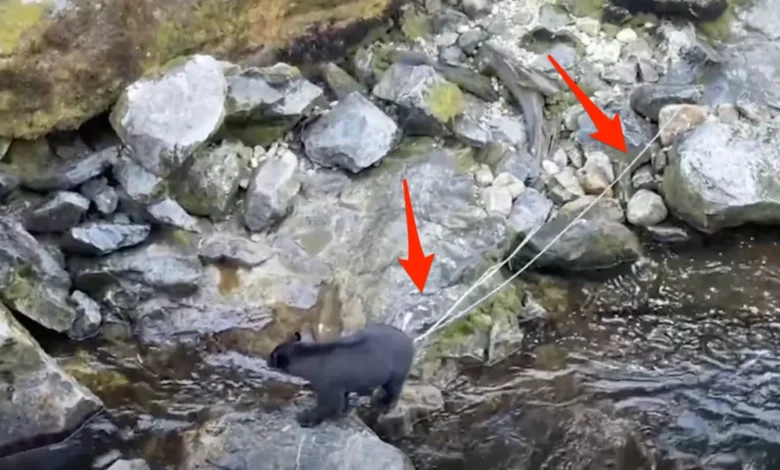
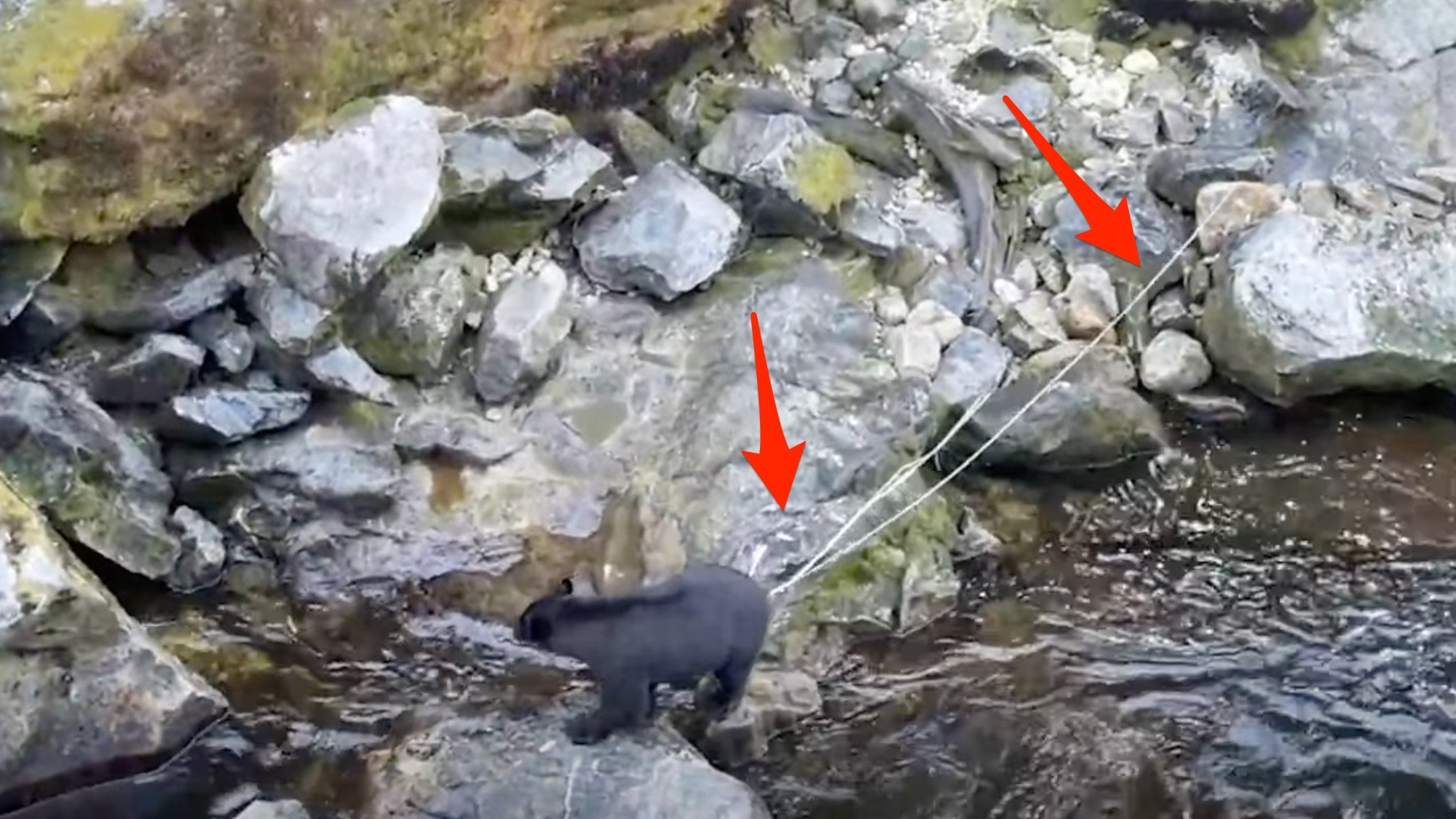
Deep within the sprawling expanse of Southeast Alaska’s Tongass National Forest, wildlife officials have captured a stark reminder of the unsparing realities of wild ecosystems. During routine summer monitoring at the Anan Wildlife Observatory, United States Forest Service rangers documented an unnamed bear navigating a creek while visibly suffering from an advanced tapeworm infestation. Multiple long parasites were observed protruding from the animal’s lower region, an unusual and severe manifestation of a common biological phenomenon that led rangers to humorously, yet grimly, bestow upon the mammal the "2026 Host with the Most Award."
While intestinal parasites are a standard fixture of wildlife biology, the severity of this particular case has drawn significant attention from conservationists and science communicators alike. The documentation serves as a vivid window into the complex web of host-parasite interactions that govern wilderness areas like the Tongass, highlighting the constant physiological burdens carried by apex predators even during seasons of abundance.
Understanding Tapeworm Biology in Mammalian Hosts
Tapeworms, scientifically classified as cestodes, are flat, segmented, ribbon-like parasitic worms that inhabit the digestive tracts of a wide variety of vertebrates, including mammals, birds, and fish. In extreme biological cases, certain species of tapeworms can stretch to lengths exceeding 80 feet, though their bodies often remain remarkably narrow, frequently measuring less than an inch in width.
These organisms lack a digestive system of their own; instead, they absorb nutrients directly through their body walls from the partially digested food of their hosts. While many mammals live with low-level parasite loads with minimal clinical signs, heavy burdens can lead to nutrient malabsorption, lethargy, and secondary health complications.
For bears—particularly coastal populations that rely heavily on a high-protein diet of raw fish—encountering intermediate hosts such as crustaceans or fish infected with larval tapeworms is an occupational hazard. When a bear consumes raw salmon containing these encysted larvae, the parasites mature inside the predator’s gastrointestinal tract, beginning a new cycle of feeding and reproduction. The sight of multiple long tapeworms being expelled or hanging from a bear, as documented at Anan Creek, is an extreme visual indicator of a heavy parasite load, demonstrating the relentless physiological challenges these animals face behind the scenes of picturesque wilderness viewing.
The Ecological Significance of Anan Creek
The setting for this discovery, the Anan Creek drainage, is one of the most ecologically rich salmon-spawning habitats in the Pacific Northwest. Located within the Tongass National Forest—the largest national forest in the United States, covering roughly 17 million acres of Southeast Alaska—Anan Creek hosts one of the largest runs of pink salmon (Oncorhynchus gorbuscha) in the region.
Every summer, this massive influx of marine-derived nutrients draws a concentrated population of predators. According to monitoring data compiled by the U.S. Forest Service and local conservation groups such as the Friends of Anan, a known community of approximately 39 individual bears regularly congregates at the site. This population consists of roughly 31 coastal black bears (Ursus americanus) and eight brown bears (Ursus arctos).
Much like their famous counterparts at Katmai National Park further to the north, the bears of Anan Creek gather at the waterfalls and rapids to feast on the migrating salmon. These seasonal gatherings are crucial not only for individual survival and fat accumulation ahead of winter hibernation but also for social learning. Mother bears use the rich fishing grounds to teach their cubs essential survival skills, including efficient fishing techniques and territorial navigation.
The Monitoring Infrastructure and the Anan Bear Awards
The high concentration of bears at Anan Creek, combined with heavy human visitation and wildlife tourism, necessitates rigorous management and monitoring by the U.S. Forest Service. Rangers and biologists track individual bears through physical identification, behavioral patterns, and continuous observation.
In recent years, forest management teams have utilized public outreach campaigns, including the lighthearted "Anan Bear Awards," to engage the public in wildlife conservation and education. By highlighting individual bears—giving them nicknames, tracking their seasonal habits, and documenting their quirks—officials foster a deeper public appreciation for the nuances of wildlife management.

Furthermore, partnerships with organizations like explore.org enable real-time visibility through high-definition live-stream cameras positioned at strategic viewpoints, such as the Lower Falls and surrounding caves. These cameras allow researchers and wildlife enthusiasts worldwide to observe the daily lives of the bears without disrupting their natural behaviors. It was through this meticulous monitoring infrastructure that the heavily parasitized bear was spotted, prompting both professional documentation and public engagement.
Broader Implications for Wildlife Health and Conservation
The documentation of the tapeworm-laden bear at Anan Creek opens a broader conversation regarding wildlife health, parasitology, and the impact of environmental changes on disease dynamics in apex predators. Parasites play a critical, albeit often overlooked, role in natural ecosystems. They act as top-down regulatory forces, influencing host population dynamics, behavior, and evolutionary adaptations.
Biologists note that parasite loads often fluctuate in response to environmental pressures, food availability, and population density. When salmon runs are exceptionally strong, as they frequently are at Anan Creek, bear populations density increases as animals crowd into prime fishing locations. Higher densities and concentrated feeding can potentially elevate the rate of parasite transmission, particularly if intermediate hosts are abundant in the local aquatic food web.
While seeing a bear trailing multiple tapeworms can be jarring to casual observers, wildlife veterinarians and ecologists emphasize that parasitism is a normal, natural component of wild ecosystems. Healthy apex predators often manage these internal infections while continuing to hunt, forage, and raise offspring. However, persistent monitoring allows researchers to establish baseline health data, helping them detect any anomalous spikes in disease or parasite prevalence that could signal broader environmental stressors, habitat degradation, or shifting climatic conditions affecting intermediate host species.
As the U.S. Forest Service continues its seasonal tracking and public education initiatives at Tongass National Forest, stories like that of the Anan Creek tapeworm bear serve as a potent reminder of nature’s complexity. Far beyond the postcard-worthy glaciers and scenic wilderness cruises of Southeast Alaska lies a dynamic, raw, and fiercely interconnected biological community where survival requires resilience against both visible predators and invisible internal challenges.