Genomic Sequencing Reveals Trapdoor Spider Named After Stephen Colbert Possesses A Genome 50 Percent Larger Than Humans

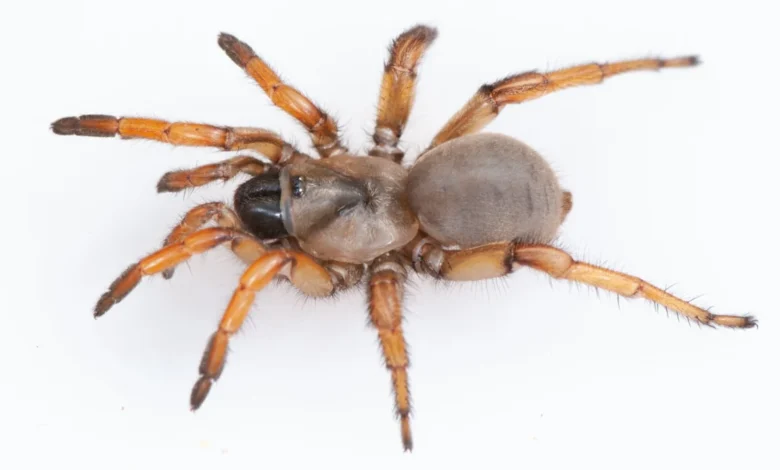
Nearly two decades after entomologists formally named a newly discovered species of Northern California trapdoor spider in honor of television personality Stephen Colbert, scientific advancements have finally unlocked the arachnid’s microscopic secrets. Researchers have successfully sequenced the complete genome of Aptostichus stephencolberti, revealing a biological marvel: despite measuring roughly the size of a quarter, this tiny creature boasts a genetic blueprint approximately 50 percent larger than that of a human being.
The findings, recently published in the peer-reviewed Journal of Heredity, offer a fascinating look into arachnid evolution, chromosomal architecture, and the complex natural history of coastal dune ecosystems. While the scientific community celebrates the breakthrough, the discovery also highlights the persistent threats facing the spider’s delicate and shrinking natural habitat along the Pacific coastline.
Main Facts and Genomic Discoveries
When researchers first identified and categorized Aptostichus stephencolberti in 2008, the technology required to sequence its massive and intricate genome was not readily accessible or cost-effective for this specific class of organisms. Nearly twenty years later, advanced genomic sequencing technologies have allowed a team led by University of California, Davis entomologist Jason Bond to map the spider’s entire genetic code.
The results stunned researchers. A. stephencolberti features a genome spanning 4.6 gigabases, translating to roughly 4.6 billion DNA base pairs. To put this into perspective, the human genome is roughly 3 billion base pairs in length. Furthermore, the spider possesses 53 distinct chromosomes, compared to the standard 23 pairs found in humans.
However, sheer size is not the only notable characteristic of the spider’s genetic makeup. Detailed analysis revealed that more than three-quarters of the organism’s genomic sequence consists of repetitive DNA elements rather than protein-coding genes. Additionally, like many other arachnid species, A. stephencolberti lacks telomere repeats—the protective caps found at the ends of chromosomes in vertebrates. Biologists theorize that the absence of these standard telomere structures may contribute to the rapid evolutionary rate observed in spider chromosomes compared to vertebrate lineages.
Chronology of a Celebrity Naming
The unique moniker attached to the arachnid carries a rich backstory rooted in the golden age of late-night political satire. In the mid-2000s, Stephen Colbert was dominating the cultural conversation as the host of Comedy Central’s The Colbert Report, where he played an over-the-top, egotistical conservative pundit.
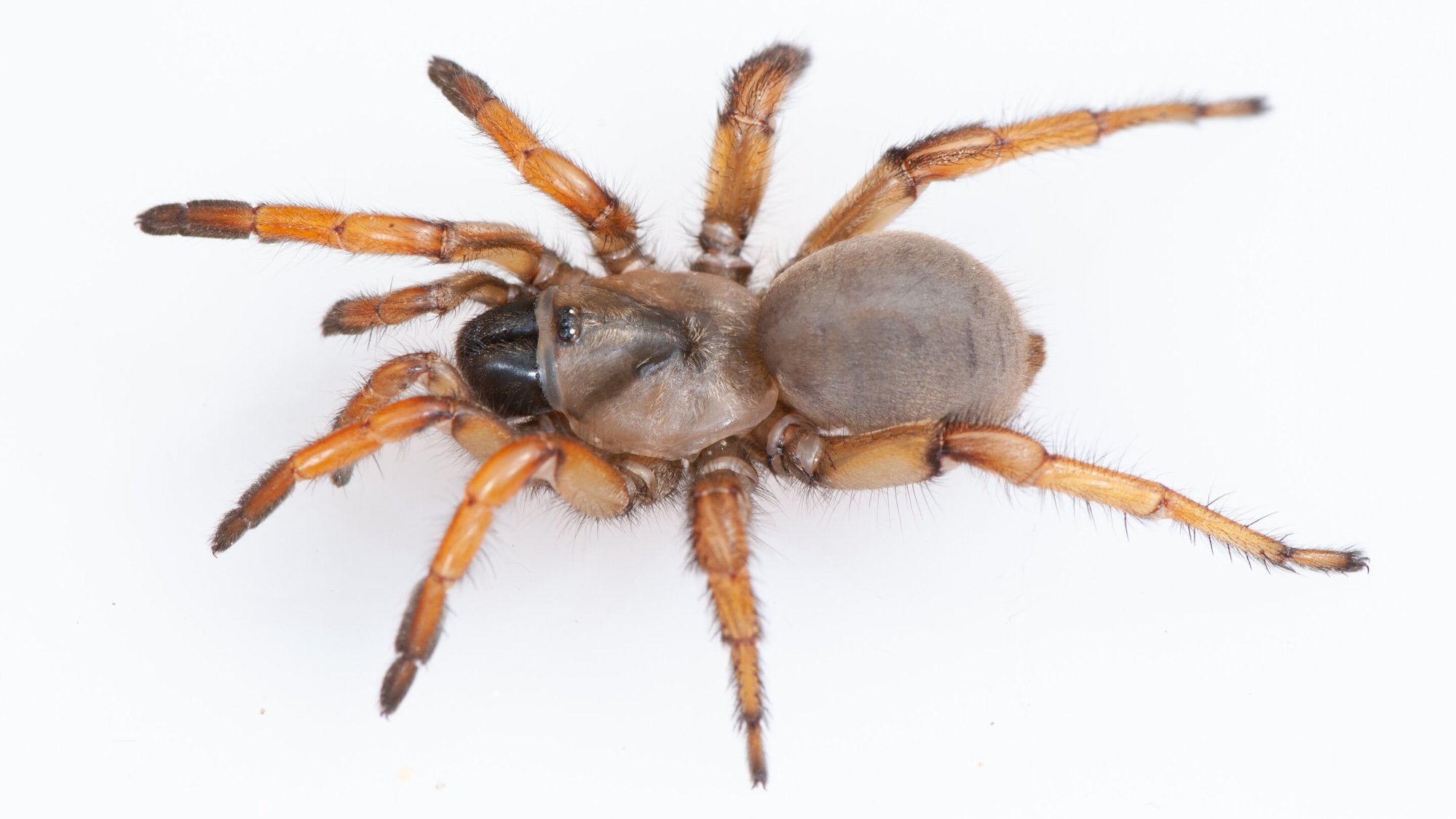
In 2008, Jason Bond and his research team were actively describing and naming several new species of trapdoor spiders native to California. During this period, Bond named one newly discovered spider species, Aptostichus neilyoungi, after legendary rock musician Neil Young.
Upon learning that he had been passed over in favor of a rock star, Colbert seized the opportunity for comedic gold. During a segment of his show titled "Who’s Not Honoring Me Now?", Colbert jokingly and shamelessly appealed to the scientific community on national television, demanding his own namesake species.
Responding to the playful public petition, Bond and his colleagues obliged, officially christening the California dune-dwelling spider Aptostichus stephencolberti. In true comedic fashion, even the formal nomenclature carries a linguistic quirk: the "t" in stephencolberti is entirely silent, mirroring the pronunciation of the comedian’s surname.
Ecology and Habitat of Aptostichus stephencolberti
Beyond its famous namesake and oversized genome, Aptostichus stephencolberti is a specialized predator perfectly adapted to its localized environment. The species is predominantly distributed along the coastal sand dunes stretching from Monterey County northward to the San Francisco Bay area.
The lifestyle of A. stephencolberti is characterized by patience and stealth. While males eventually wander in search of mates, adult females spend the vast majority of their lives sequestered within silk-lined burrows dug directly into the sand. These subterranean hideaways are capped with a carefully constructed, hinged trapdoor made of silk, soil, and vegetation.
The spider relies on physical vibrations transmitted through the sand to detect the footsteps of passing prey, which typically includes beetles, crickets, and other ground-dwelling arthropods. When an unsuspecting insect wanders too close to the threshold, the trapdoor springs open, and the spider launches a swift ambush before retreating back into the safety of its burrow.
Although A. stephencolberti is technically venomous, like the vast majority of spiders, its venom is specialized for subduing small invertebrates and poses no significant medical threat to humans.

Broader Impact and Scientific Implications
While the connection to a prominent television host generated significant media attention in 2008 and again upon the release of the genetic sequencing data, the scientific community emphasizes that the research holds profound value for evolutionary biology.
According to Jason Bond and fellow co-authors, mapping the genome of A. stephencolberti contributes essential data to the broader understanding of spider genome composition. Because arachnids possess unique chromosomal structures and evolutionary trajectories that differ sharply from mammals and birds, comparative genomics helps scientists reconstruct how complex genomes have evolved across the entire animal tree of life.
Furthermore, the research underscores the hidden complexity within seemingly ordinary invertebrates. Giant genomes—organisms with DNA content vastly exceeding their physical or functional complexity—pose long-standing evolutionary questions regarding why certain species accumulate massive amounts of repetitive DNA sequences over millions of years.
Conservation Challenges
Despite their resilience and evolutionary uniqueness, Aptostichus stephencolberti and its fellow dune-dwelling arachnids face mounting environmental pressures. The coastal dune habitats of central and northern California are fragile ecosystems heavily impacted by human encroachment, urban development, and recreational use.
Furthermore, broader global environmental changes present severe long-term risks. Rising sea levels driven by climate change threaten to erode and eventually inundate the low-lying coastal dunes that serve as the spider’s exclusive natural habitat. Alongside habitat loss, the proliferation of invasive plant and animal species disrupts the delicate ecological balance of the dunes, threatening both the spiders and the prey populations they rely upon for survival.
As researchers continue to analyze the genetic architecture of A. stephencolberti, conservationists hope that heightened public awareness—boosted in part by its pop-culture connections—will draw attention to the urgent need to protect California’s fragile coastal dune ecosystems before unique species like A. stephencolberti are lost to history.
Related posts: