The Toxic Legacy of Redlining: How Environmental Injustice and Gun Violence Intersect in Jacksonville

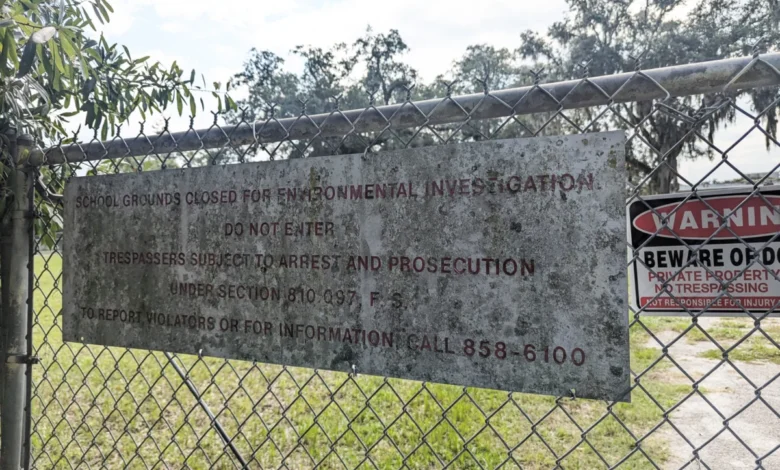
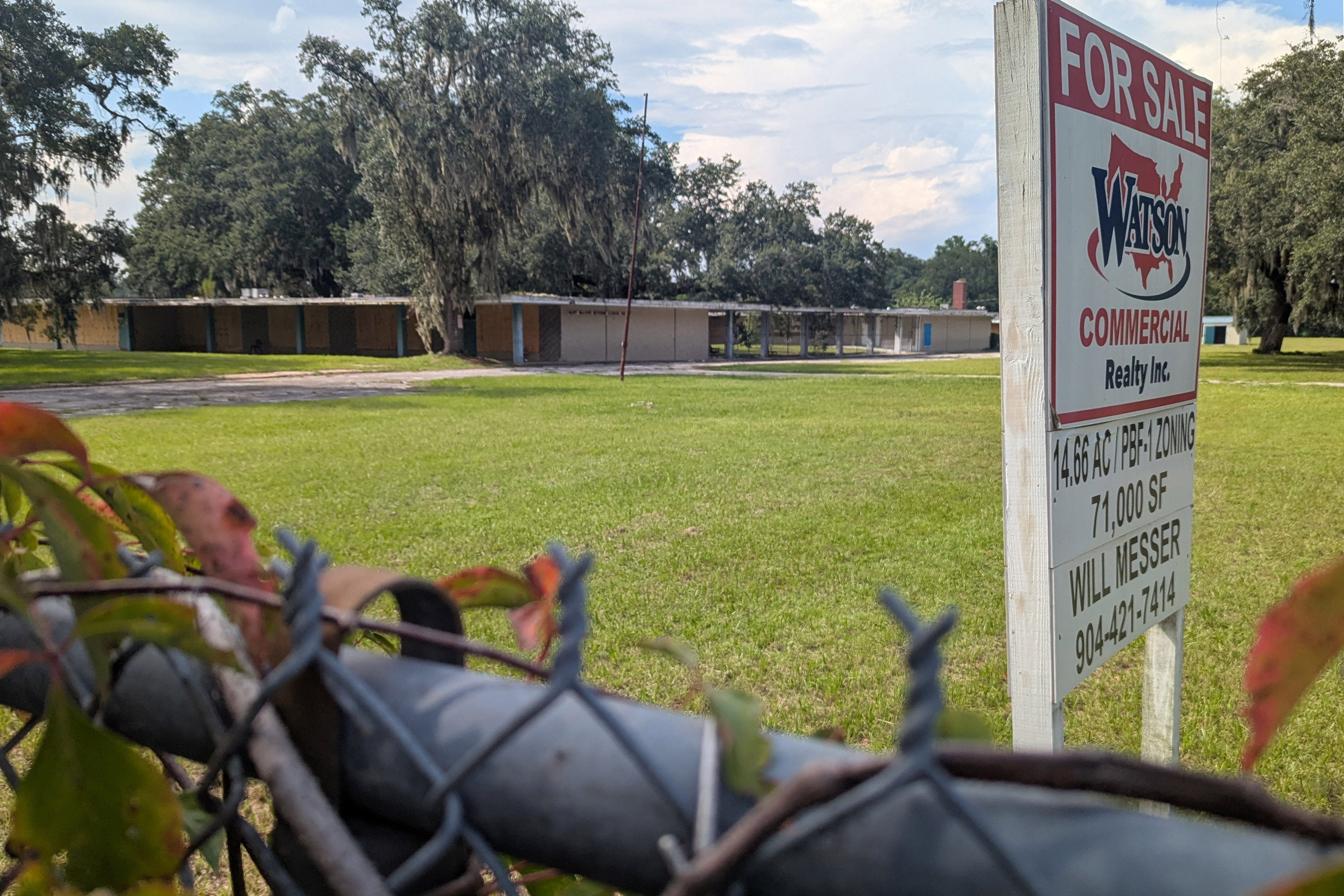
JACKSONVILLE, Fla. — In a Duval County zip code grappling with some of the most alarming child firearm injury rates in Florida, the boarded-up skeleton of the Mary McLeod Bethune Elementary School stands as a silent monument to a half-century of environmental racism. The school sits squarely within a 250-acre parcel historically known as Brown’s Dump, a former municipal landfill where toxic ash from city incinerators was systematically heaped from the late 1940s through the mid-1950s.
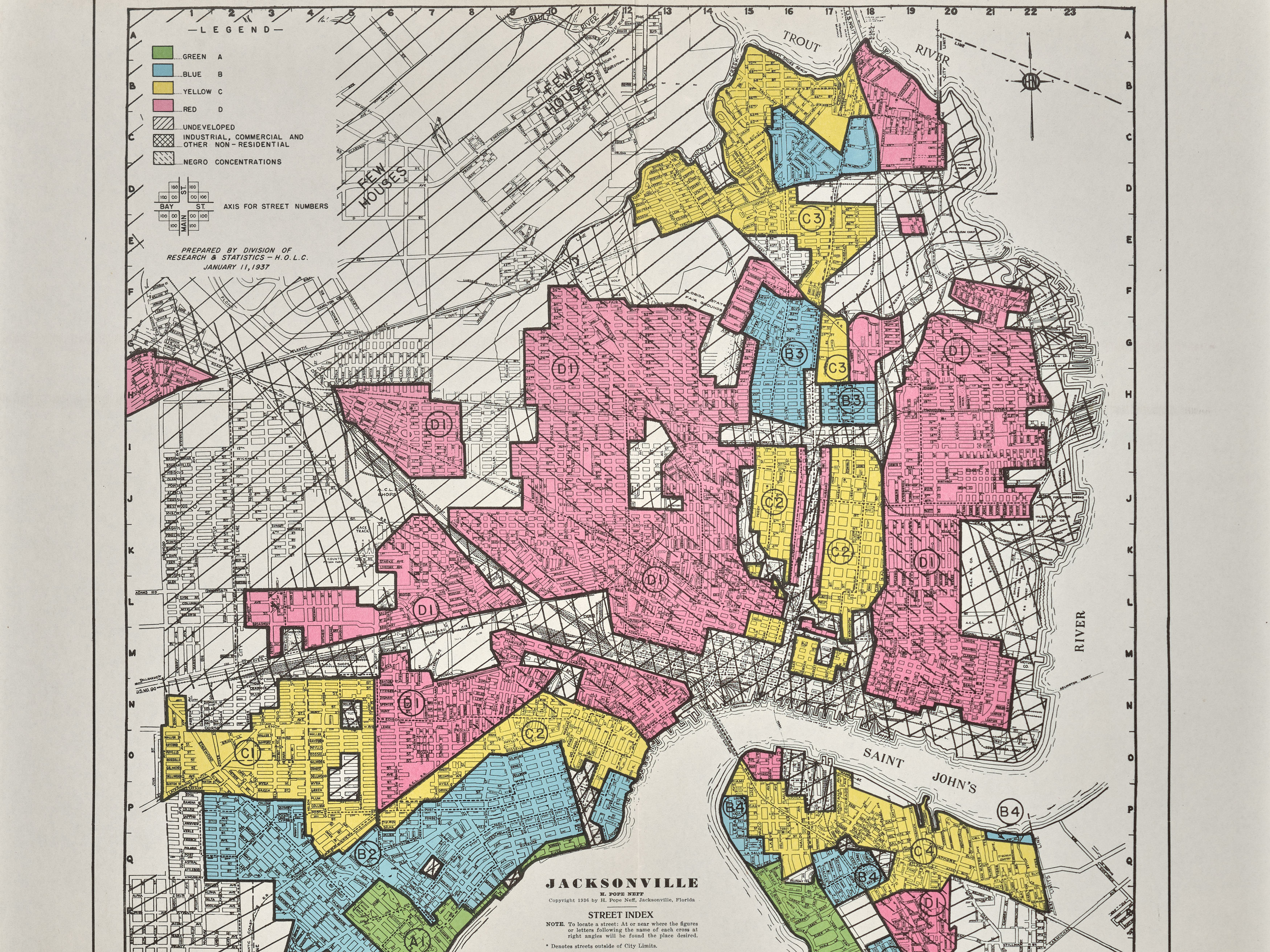
This devastating environmental hazard did not emerge in a vacuum. It was the direct product of mid-century redlining—a federally sanctioned system of systematic racism that explicitly divided American cities by declaring minority neighborhoods undesirable for mortgage lending and municipal investment. While affluent, predominantly white neighborhoods were coded green and showered with infrastructure funding, Black communities were outlined in red, left vulnerable to toxic dumping, industrial encroachment, and generations of systemic disinvestment.
Today, public health experts, community organizers, and researchers are drawing a straight line from the toxic soil of sites like Brown’s Dump to a contemporary public health emergency: soaring rates of youth gun violence. Decades after the formal outlawing of discriminatory housing practices, the intersecting crises of heavy metal contamination and neighborhood disinvestment continue to shorten lives, ravage communities, and trap families in a cycle of poverty and trauma.
A Chronology of Institutional Neglect
The trajectory of environmental and social degradation in northern Jacksonville follows a documented historical timeline that spans nearly a century:
- 1930s: The federal Home Owners’ Loan Corporation drafts residential security maps of Jacksonville, systematically redlining neighborhoods north and northwest of downtown by marking them hazardous for mortgage lending purely because Black residents lived there.
- Late 1940s – Mid-1950s: The city operates a landfill at Brown’s Dump, depositing tons of toxic municipal incinerator ash containing high concentrations of lead, arsenic, mercury, and cadmium.
- 1950s: Ignoring the inherent toxicity of the land, the Duval County School Board constructs Mary McLeod Bethune Elementary on the dump site, while private developers build surrounding homes and apartment complexes where generations of Black children live, learn, and play.
- 1985: Brown’s Dump is formally assessed for the first time as a potential federal Superfund site.
- 1999: Federal and Florida state health officials officially declare that the soil at Brown’s Dump poses a "potential public health hazard."
- 2001: Amid mounting health and environmental concerns, the elementary school is finally shuttered.
- 2008: Officials initiate the laborious and costly process of cleaning up lead, arsenic, and other persistent poisons from the site, though the psychological and biological damage to residents has already been deeply entrenched.
- 2023: The U.S. Department of Justice announces a $9 million redlining settlement with Ameris Bank, resolving allegations that the institution engaged in a pattern of discrimination against predominantly Black and Hispanic neighborhoods in Jacksonville.
- 2024: The Jacksonville City Council approves a $60 million medical examiner’s office and morgue in the historically Black neighborhood of Brentwood, sparking intense community backlash amid ongoing inaction regarding local gun violence and economic equity.
Data Reveals Stark Disparities in Child Firearm Injuries
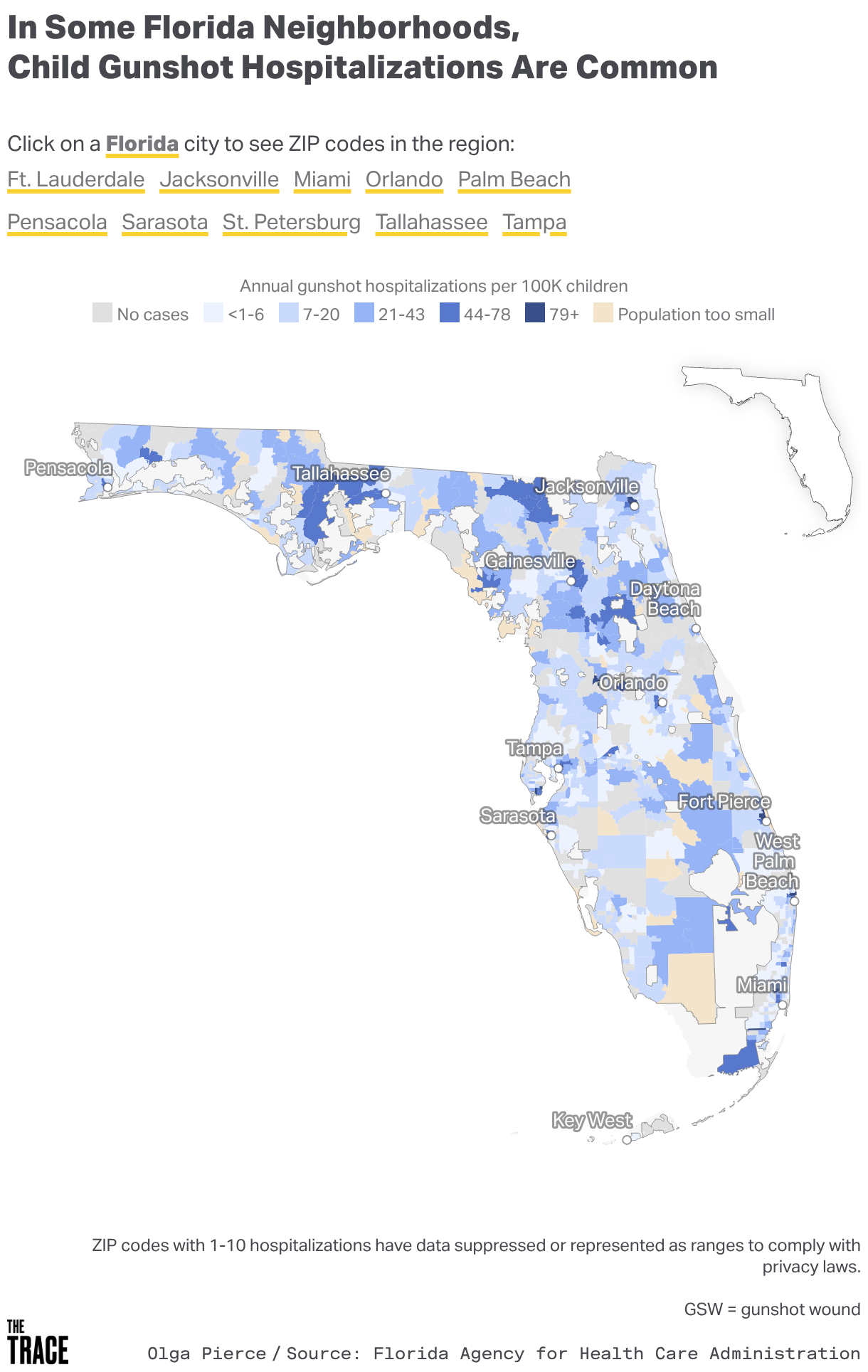
The human cost of this compounding historical neglect is laid bare in hospital billing data obtained exclusively by KFF Health News and The Trace from the Florida Agency for Health Care Administration. Analyzing records from 2018 through 2024, the newsrooms discovered that more than 4,000 children across Florida were hospitalized for firearm injuries during this period—averaging roughly 1.5 children every single day.
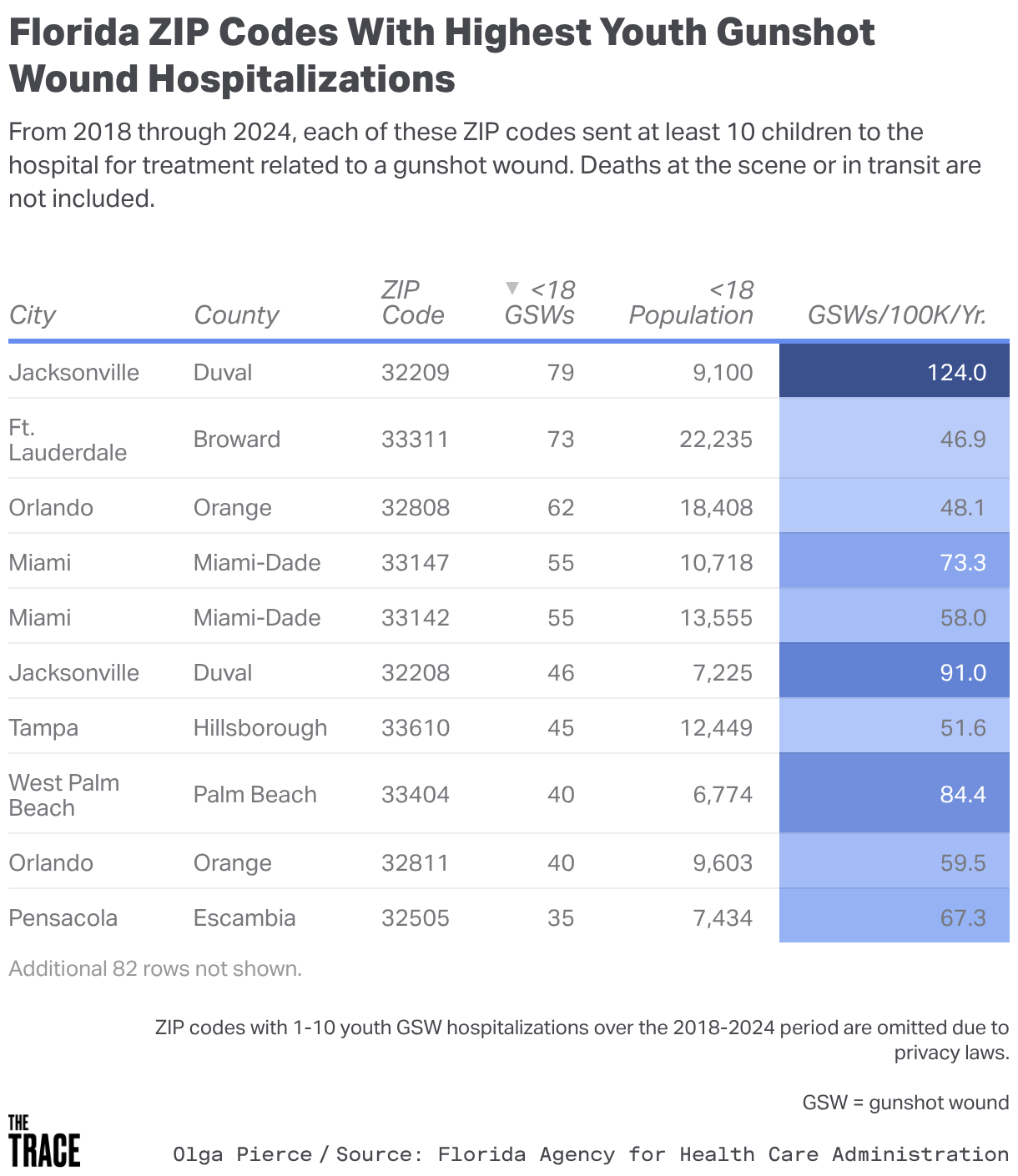
In Jacksonville, the crisis is acutely concentrated. At least 375 children under the age of 18 have been hospitalized for gunshot wounds since 2018. Over 150 of those victims hail from just three specific zip codes (32206, 32208, and 32209)—the exact geographic footprint that encompasses Brown’s Dump and the city’s historically redlined northern districts. Consequently, Jacksonville claims three of the ten worst zip codes in the entire state for child firearm injury rates.
"We have to work hard to make sure our kids get home safe," said A.J. Jordan, a local community organizer who regularly works with families of gunshot victims. "Anytime we let them out in this society, they could be killed."
The Biological Link Between Lead and Gun Violence
For years, policymakers viewed environmental pollution and community violence as entirely separate issues. However, an expanding body of peer-reviewed public health research indicates that early-childhood exposure to heavy metals like lead acts as a powerful catalyst for neurological impairment and behavioral disruption later in life.
A landmark study led by researchers at the University of Wisconsin-Milwaukee examined more than 89,000 individuals tested for lead exposure by age six. The findings revealed a definitive positive association between early childhood lead poisoning and an increased risk of perpetrating or falling victim to firearm violence in early adulthood, even when controlling for race, sex, and socioeconomic status.
Lead is a potent neurotoxin with no known safe human threshold. When ingested or inhaled by young children, it disrupts brain development, impairs impulse control, lowers cognitive function, and heightens aggression.
"If somebody came to me and said, ‘What’s among the most important things you can do to impact gun violence on the Black community,’ I’d say, ‘Get the lead out of the environment,’" said Dr. Jeffrey Goldhagen, a professor emeritus of pediatrics at UF Health Jacksonville and former county health director. Goldhagen noted that while the ash at Brown’s Dump was deeply buried, widespread lead-based paint in aging, substandard housing throughout Jacksonville’s redlined neighborhoods created an ongoing, pervasive health crisis.
Sara Baldwin, a forensic social worker who investigates defendants’ backgrounds for mitigating factors in criminal sentencing, summarized the systemic pipeline bluntly: "I always say the school-to-prison pipeline is lined with lead."
Community Outrage Over the Brentwood Morgue
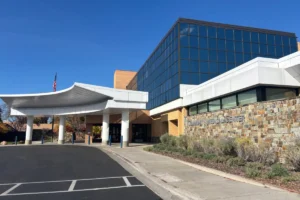
The tension between historical disenfranchisement and contemporary municipal decision-making reached a boiling point following the city’s construction of a state-of-the-art medical examiner’s office and morgue in Brentwood, a predominantly Black neighborhood north of downtown.
Despite unanimous City Council approval in 2024 for a symbolic resolution aiming to "redress the effects of redlining still felt today," residents argue that actions continue to contradict rhetoric. Neighborhood families had long petitioned local government for urgently needed resources, such as an accessible urgent care center or a pharmacy. Instead, the city authorized a regional morgue serving five counties, positioning it directly across the street from a public charter school.
Local activists view the placement of the morgue as a profound psychological blow—a constant, grim reminder of the high volume of young lives lost to gun violence and a symbol of municipal disregard.
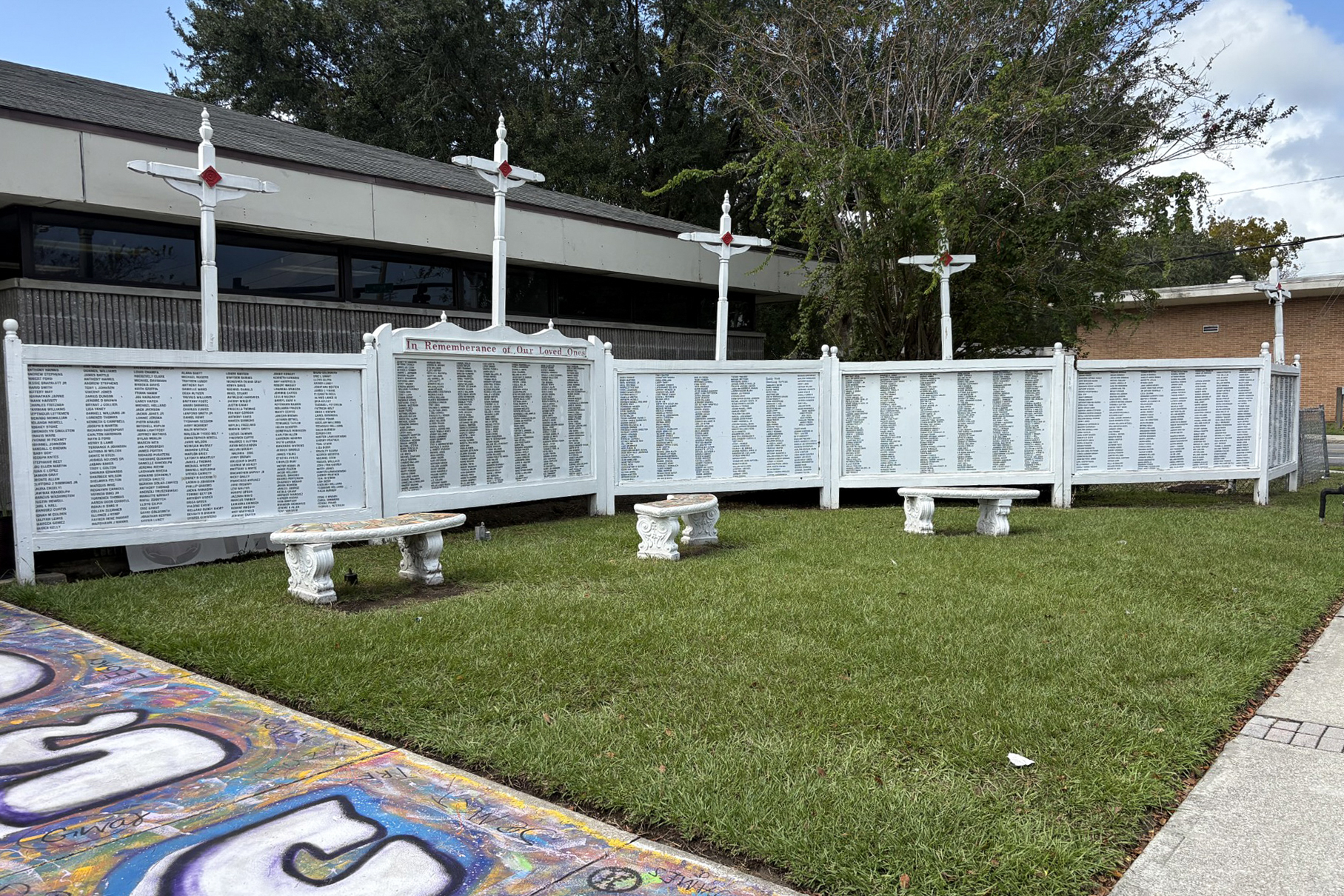
"They have so much disrespect for Black people," said Lydia Bell, a lifelong Jacksonville resident and grandmother. "I saw this as a child, and now I am fighting it when I’m supposed to be enjoying being a grandmother."
Anthony Brown, founder of the Red Alliance for Justice, noted that while the city found more than $60 million to fund the morgue facility, it has repeatedly failed to establish a dedicated, ongoing funding source to revitalize disinvested, redlined neighborhoods. "We need something that has teeth," Brown said. "We want some tangible action."
Official Responses and the Erosion of Public Health Infrastructure
A spokesperson for Jacksonville Mayor Donna Deegan declined to field questions regarding the intersection of gun violence and racial inequality. Meanwhile, out of the 19 members serving on the Jacksonville City Council, only Council members Jimmy Peluso and Ju’Coby Pittman responded to media inquiries.
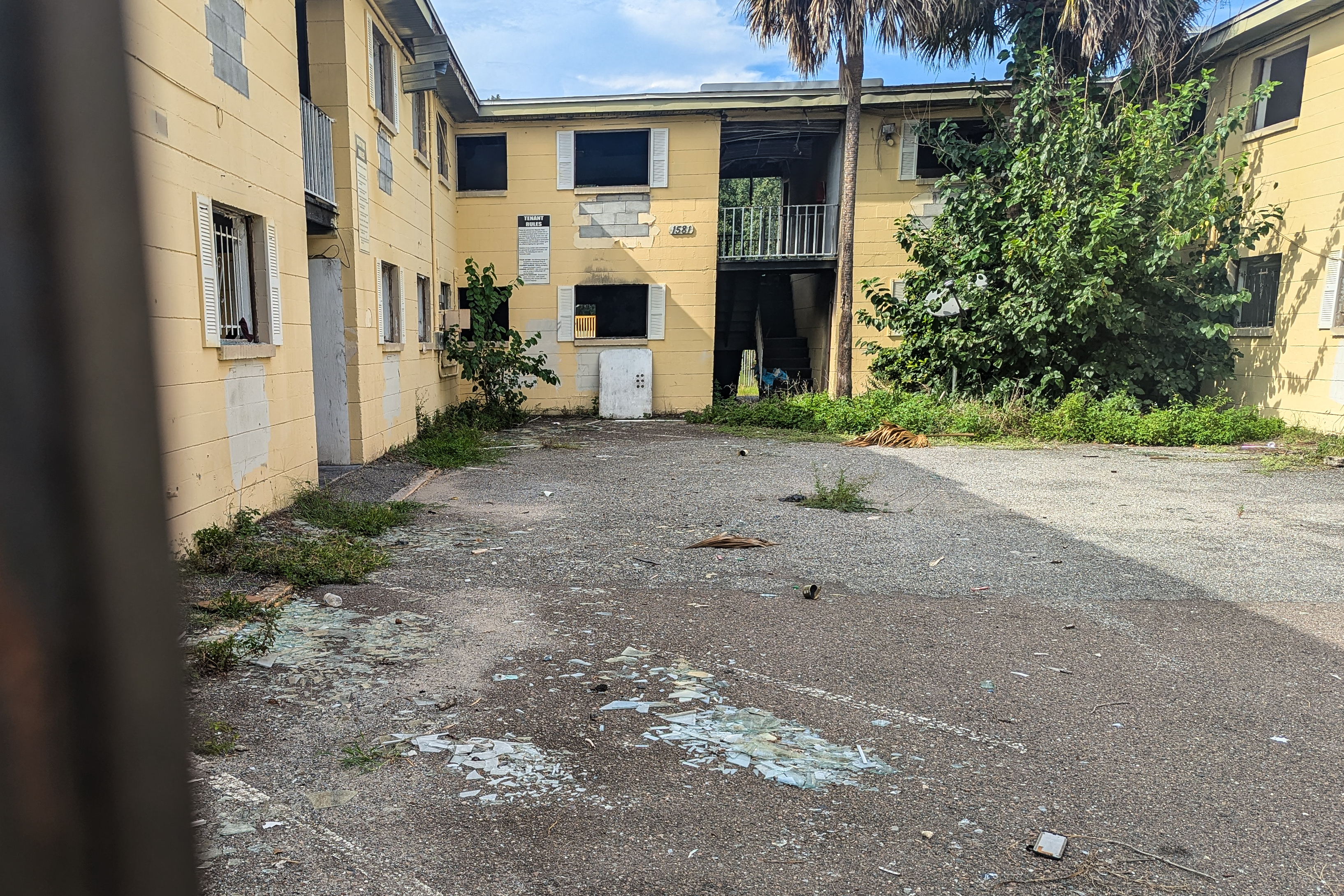
Peluso, who co-sponsored the council’s redlining resolution, acknowledged the historical devastation inflicted upon the city’s north side. "The north side has really kind of been ravaged over the years," Peluso admitted, noting that many areas still lack the fundamental water, sewer, and road infrastructure denied to them nearly a century ago.
Councilwoman Pittman, whose district includes Brown’s Dump, emphasized that physical soil remediation is insufficient on its own. "Remediation of contaminated soil does not, by itself, repair generations of neighborhood disinvestment," Pittman stated. "Our responsibility today is to determine what we are going to do about the conditions that continue to affect our youth and families."
Public health advocates argue that local efforts are further handicapped by the systematic dismantling of Florida’s county health departments. A joint analysis by KFF Health News and the Associated Press revealed that the Duval County Health Department experienced severe budget and staffing contractions, dropping from 852 full-time employees ($91 per resident) in 2008 to just 422 workers ($34 per resident) by 2019. Critics point out that the state’s official health improvement plans largely omit gun violence and childhood lead exposure, leaving local communities to navigate compounded health crises with dwindling institutional support.
As grieving families continue to add names to the city’s makeshift "Walls of Compassion"—memorial boards that have expanded into adjacent parking lots due to a lack of space—experts insist that solving Jacksonville’s youth gun violence epidemic requires more than policing. It demands treating violence as a preventable disease rooted in environmental injustice, historical segregation, and the enduring poison of neglect.