Kaitlan Collins Notes Real Time Absence Due To White House Press Conference

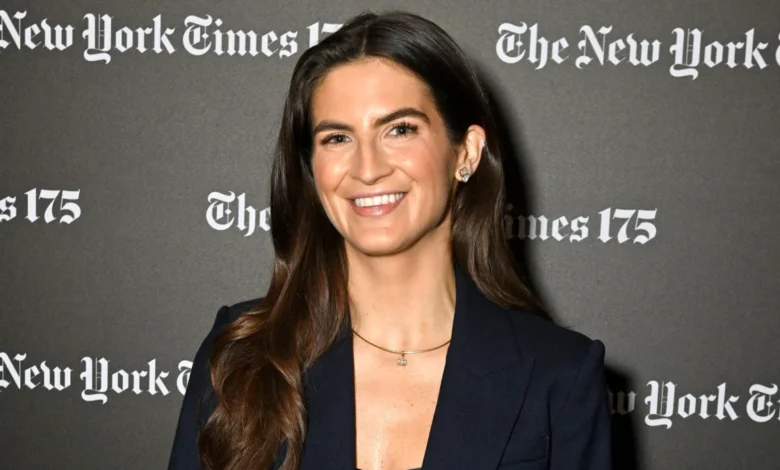
The high-stakes intersection of live television production and breaking political journalism collided dramatically as CNN anchor Kaitlan Collins found herself at the center of an unexpected scheduling conflict. Collins was forced to miss her highly anticipated scheduled appearance on the Season 24 finale of HBO’s hit political talk show, Real Time with Bill Maher. Rumors quickly swirled across digital media platforms and industry blogs suggesting that the prominent journalist had been quietly dropped from the program’s guest lineup. However, Collins swiftly took to social media to set the record straight, clarifying that her absence was entirely professional and driven by a last-minute, breaking-news assignment in Washington, D.C.: covering a high-level White House press conference involving President Donald Trump.
The eleventh-hour substitution forced the producers of Real Time with Bill Maher to rapidly pivot their panel composition for the final episode of the show’s twenty-fourth season. While the program successfully adapted to the sudden change by welcoming alternative journalistic voices, the incident highlighted the unpredictable nature of modern political broadcasting, where the relentless news cycle of the nation’s capital can effortlessly disrupt the carefully laid plans of late-night television.
The Chronology of a Scheduling Conflict
The sequence of events leading up to the Season 24 finale unfolded rapidly on a Friday afternoon in Washington, D.C. Collins, who anchors her own nightly CNN program and serves as one of the network’s chief White House correspondents, had been slated to fly to Los Angeles or participate remotely to sit on the Friday night panel alongside newly elected Texas Democratic Congressman Bobby Pulido.
However, late-day developments at the White House demanded intense journalistic scrutiny. President Trump scheduled or extended a major press conference, requiring Collins to remain on the ground to fulfill her primary reporting duties. As word leaked that Collins would no longer be appearing on the HBO broadcast, speculative whispers quickly spread online, with some commentators questioning whether behind-the-scenes friction had led to her removal from the guest list.
Recognizing the need to quash any unfounded rumors, Collins addressed the situation directly on X, formerly known as Twitter. Responding to inquiries about her absence, she wrote that she was detained at the White House for a press conference with the president. She went on to praise the production staff of the late-night program, noting that Maher’s team was gracious and understanding regarding the abrupt cancellation, and expressed her enthusiasm for tuning into the season finale as a viewer. To substantiate her explanation and demonstrate the gravity of the journalistic obligation that kept her away, Collins subsequently shared a video clip from the briefing room. The footage captured her pressing the president on sensitive geopolitical matters, specifically grilling him about his personal and political relationship with Russian President Vladimir Putin and probing whether he considered the Russian leader to be an ally of the United States.
The Late-Night Adaptation: Panel Adjustments and Show Logistics
When a primary guest drops out of a live or weekly taped television broadcast mere hours before airtime, production crews face a daunting logistical scramble. For a program like Real Time with Bill Maher, which relies heavily on a timely, sharply focused panel discussion regarding the week’s major political headlines, securing a suitable replacement at the eleventh hour is a formidable test of industry connections and production agility.
With Collins anchored to the White House briefing room, Maher’s production team turned to alternative contributors from the Washington press corps. Jacob Soboroff, a prominent national correspondent for NBC News and a presence on MS NOW, was brought in at the last minute to fill the vacant seat on Friday night’s panel. Soboroff joined Congressman Bobby Pulido to provide analysis on the week’s political developments, while mentalist Oz Pearlman served as the featured one-on-one interview guest for the season-ending episode.

Despite the sudden shuffle, the broadcast proceeded smoothly, capturing the signature blend of political commentary, satire, and debate that has sustained the show’s longevity. The Season 24 finale marked another milestone for the program, coming on the heels of a major structural commitment from its network home. Earlier in the year, HBO signaled its long-term confidence in the franchise by granting Real Time a substantial two-season renewal, securing its place on the network schedule through 2028. Following the conclusion of the twenty-fourth season, the series is scheduled to return for its milestone Season 25 premiere on January 15.
The Broader Context of White House Relations and Journalistic Scrutiny
The location of Collins’ assignment—the White House press room—carries a heavy subtext given the complex historical relationship between the CNN anchor, the network she represents, and Donald Trump. Over the course of multiple political cycles, relations between the administration and prominent media outlets have frequently experienced periods of intense friction, public verbal sparring, and administrative pushback.
In previous instances, tensions had escalated to the point where attempts were made by political figures to restrict CNN and specific reporters, including Collins, from accessing White House press briefings or participating in cooperative media pools. Against this backdrop, Collins’ presence in the briefing room asking pointed, accountability-driven questions about foreign policy and adversarial nations underscores the enduring adversarial yet essential dynamic between the executive branch and the independent press.
Industry analysts noted that Collins’ choice to prioritize a contentious presidential press conference over a high-profile entertainment and public affairs talk show appearance reaffirms her commitment to hard-news reporting. In an era where media figures frequently balance journalistic credibility with the demands of personal branding and cross-platform appearances, the decision to remain at the White House highlighted the traditional hierarchy of newsroom priorities: breaking news and direct accountability reporting must always supersede scheduled media appearances.
Implications for Political Media and Late-Night Television
The intersection of late-night political commentary and hard-hitting daily journalism has become increasingly porous in recent years. Shows like Real Time with Bill Maher, along with late-night programs hosted by Stephen Colbert, Jimmy Fallon, and Seth Meyers, frequently draw their guest rosters from the pool of Washington journalists, cable news anchors, and elected officials who spend their weekdays embedded in the capital’s political theater.
When breaking news intervenes, it creates a fascinating ripple effect across the media ecosystem. Cable news networks rely on their star anchors to break major stories and hold power to account in real time, while entertainment-focused talk shows depend on those exact same figures to provide intelligent, articulate analysis to an audience looking to make sense of the political landscape.
The swift resolution of the Collins incident—marked by transparent communication from the journalist, an understanding response from the show’s production team, and a seamless on-air substitution—demonstrated a high level of professional maturity within the industry. Rather than allowing a minor scheduling disruption to morph into an ongoing public relations narrative, the prompt clarification on digital platforms neutralized speculation and redirected public attention back to the substantive issues being debated in both the White House briefing room and the television studio.
As the political calendar marches toward future legislative battles, elections, and administrative milestones, the relationship between Washington correspondents and cultural commentary programs will remain tightly interwoven. Incidents like the one surrounding the Season 24 finale serve as a reminder that in the fast-paced world of contemporary media, the news cycle waits for no one—and the journalist’s microphone must always remain pointed where the story is breaking.