The Secret Genetic Elixir of Limone sul Garda: How a Small Italian Village Became a Scientific Beacon

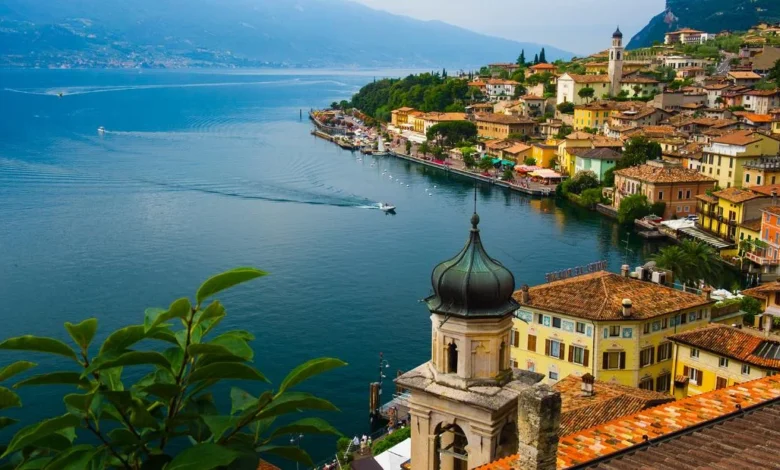
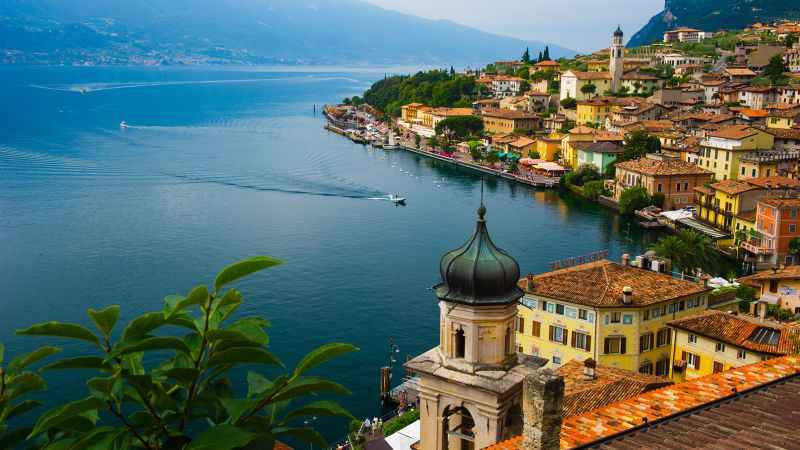
Tucked away on the shimmering, rugged shores of Lake Garda in northern Italy, the village of Limone sul Garda is far more than a picturesque tourist destination known for its terraced lemon groves and mild, Mediterranean-like climate. While the town’s name might suggest a citrus-centric heritage, the true legacy of this tiny municipality—home to barely 1,000 permanent residents—lies in the biological makeup of its people. For over four decades, this tranquil fishing village has served as a focal point for international medical research, centered on a rare genetic mutation that appears to grant a select group of residents an almost superhuman resistance to cardiovascular disease.
The phenomenon revolves around a specific protein, identified by researchers as A-1 Milano. This protein, a variant of the Apolipoprotein A-1, is a genetic anomaly that has piqued the interest of cardiologists and geneticists worldwide. Among the village’s population, a small subset of individuals carries a mutation that allows their bodies to metabolize fats and lipids with extraordinary efficiency, preventing the buildup of plaque in the arteries—the primary precursor to atherosclerosis and heart attacks.
The Chronology of Discovery
The discovery of the A-1 Milano protein was entirely serendipitous. In the early 1980s, a train driver from Limone sul Garda was involved in a serious industrial accident in Milan. Upon admission to a local hospital, attending physicians conducted standard blood panels as part of his emergency care. The results were immediate and baffling: the patient possessed an exceptionally low level of high-density lipoprotein (HDL) cholesterol—often colloquially termed "good" cholesterol—which, under normal clinical circumstances, would be a major red flag for cardiovascular health risks.
However, despite these concerning cholesterol levels, the patient showed no signs of arterial blockage or vascular damage. Intrigued by this physiological paradox, doctors launched a comprehensive investigation, tracing the patient’s lineage back to the remote village of Limone. This led to the initiation of a long-term, multi-generational screening program that has turned many of the village’s inhabitants into willing participants in one of the most unique longitudinal health studies in medical history.
The Science of the Limone Gene
Clinical research led by Professor Cesare Sirtori, a prominent figure in clinical pharmacology at the Università degli Studi di Milano, has been the driving force behind understanding how this mutation functions. Sirtori’s team discovered that the A-1 Milano protein is a dominant genetic trait, meaning it is passed down through generations with high frequency.
In a standard human physiology, low HDL levels are a precursor to strokes and heart attacks. In the carriers of the A-1 Milano protein, however, the mutation alters the structure of the protein in such a way that it becomes hyper-efficient at clearing lipids from the bloodstream. Sirtori has famously described this as an "inverse positive effect." While 99% of genetic mutations in proteins are associated with pathology or disease, the Limone variant appears to be a rare example of a beneficial, protective mutation.
By the year 2000, Sirtori’s team successfully synthesized the protein in a laboratory setting. Subsequent trials involving animal subjects—specifically rabbits—demonstrated that the introduction of the synthesized protein led to a rapid and significant regression of existing arterial plaque. This provided a concrete scientific foundation for the anecdotes shared by villagers, who have long claimed that they could consume high-fat diets—laden with butter, cream, and cured meats—without experiencing the typical cardiovascular consequences.
Life Under the Microscope
For the 60 or so residents currently confirmed to carry the gene, life has been characterized by a blend of normalcy and scientific scrutiny. Gianni Segala, a local shopkeeper and one of the most prominent carriers, has spent decades providing blood samples to research teams. "We are like blood bags for science," Segala notes, reflecting on a lifetime of monitoring. He recalls early tests where he was required to consume large quantities of high-fat, sugary substances to allow researchers to observe how his body processed the influx of lipids in real-time.
Despite the clinical nature of their lives, the carriers of the Limone gene remain deeply integrated into the fabric of the village. The gene is not limited by age or gender; it is found in the DNA of young children and the elderly alike. Many, like Segala’s 96-year-old mother, maintain active lifestyles, challenging the notion that their genetic "insurance" allows for a sedentary existence. Most residents who carry the mutation still engage in regular physical activity, including hiking the steep Alpine slopes that overlook Lake Garda, suggesting that the gene works in tandem with, rather than in place of, a healthy lifestyle.

Environmental and Cultural Context
While the genetic component is the primary focus of researchers, local observers and historians like Antonio Girardi have long pondered the influence of the environment. Limone sul Garda occupies a unique micro-climate, shielded from harsh Alpine winds by towering limestone cliffs. This allows for a year-round temperate climate, which historically enabled the cultivation of citrus fruits—a rarity at such high latitudes.
Girardi, who has meticulously documented the family trees of the gene carriers, suggests that the village’s diet—rich in local extra virgin olive oil, fresh lake fish, and citrus—may act as a secondary catalyst for the health of its population. The village’s history as a place of refuge for the Renaissance elite, who visited for the sake of the "sweet air" and the rejuvenating properties of the local environment, suggests that the town has long been associated with longevity.
Broader Implications for Cardiology
The implications of the Limone research extend far beyond the borders of the village. As global rates of cardiovascular disease continue to rise, the pharmaceutical industry has kept a close watch on the progress of A-1 Milano research. The ability to simulate the effects of this protein in a clinical setting offers the potential for new, revolutionary treatments for atherosclerosis, the world’s leading cause of death.
However, the path to a commercial drug is complex. While the protein works effectively in carriers, the human body is a delicate system of checks and balances. Researchers are currently navigating the challenges of how to safely introduce the A-1 Milano protein into the general population without triggering adverse reactions or unintended side effects. Professor Sirtori continues to advocate for further study, specifically focusing on the long-term outcomes for those who inherit the gene from both parents, a scenario that remains rare and under-studied.
A Legacy of Resilience
The story of Limone sul Garda serves as a fascinating intersection between folklore and modern medicine. What was once a simple fishing village has become a living laboratory, providing researchers with the keys to understanding human longevity and vascular health. For the residents, the "Limone gene" is a source of local pride and, for many, a sense of security against the health risks that plague the rest of the world.

As of the latest reports, the village remains a popular tourist hub, with visitors arriving from across the globe to walk the same narrow, cobbled alleys as the "super-human" carriers of the Limone gene. The villagers continue their daily routines, working in tourism, fishing, and agriculture, largely unfazed by their status as medical marvels. For them, the secret is not just in their blood, but in the harmony of their surroundings—a life lived in the shelter of the Alps, nourished by the bounty of the lake, and protected by a genetic quirk that has made them the most studied population in Italy.
As science progresses, the village of Limone sul Garda stands as a testament to the mysteries still hidden within the human genome. Whether or not the A-1 Milano protein leads to a medical breakthrough that reaches the wider world, the residents of this lakeside enclave continue to serve as a beacon of hope, proving that sometimes, the answers to our most complex health questions can be found in the most unexpected and tranquil of places.