Sam Brownback Attributes GOP Midterm Defeats to Donald Trump’s Leadership Style and Demands Party Soul-Searching Ahead of 2028

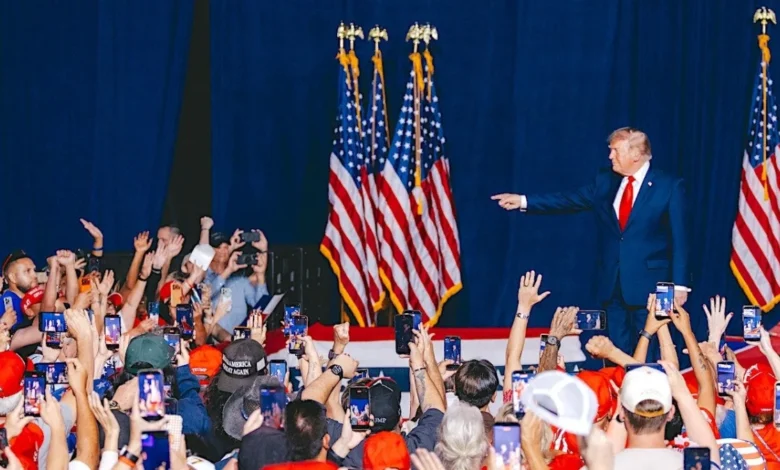
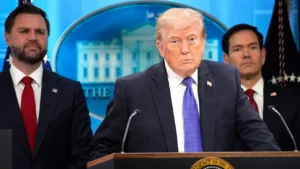
Former Kansas U.S. Senator and Governor Sam Brownback has openly diagnosed the root causes behind the Republican Party’s devastating losses in the 2026 midterm elections, attributing the "blue wave" not to a rejection of conservative policy platforms, but directly to President Donald Trump’s personal leadership style and approach to governance.
In a wide-ranging interview with political media following the election cycle, Brownback argued that the sweeping Democratic victories—which saw long-standing conservative strongholds fall and Democrats reclaim majorities in both the House of Representatives and the Senate—served as a referendum on the president himself rather than the economic or social policies championed by the administration.
The remarks from the veteran conservative statesman, who served as Ambassador-at-Large for International Religious Freedom during Trump’s first term, have ignited broader discussions within the Grand Old Party (GOP). As Republican strategists, lawmakers, and potential 2028 presidential contenders dissect how a red-leaning electorate swung so decisively toward the opposition, Brownback’s call for humility, kindness, and a recalibrated tone has established a prominent baseline for the party’s post-election reckoning.
The 2026 Midterm Rout: A Paradigm Shift in Traditional Strongholds
The 2026 midterm elections fundamentally altered the balance of power in Washington, delivering a stark surprise to political analysts who historically anticipated a traditional, albeit modest, second-term legislative pushback for the incumbent president’s party. Instead, Democrats orchestrated a coordinated rout, flipping competitive districts and shocking Republican leadership by capturing majorities in Congress.
According to political analysts, the severity of the GOP defeat extended far beyond standard historical trends. Traditional Republican strongholds—regions characterized by deep-seated conservative values, reliable voter turnout, and secure legislative margins—experienced unprecedented enthusiasm gaps among the conservative base alongside surging mobilization by the opposition.
While historical precedent suggests that a sitting president’s party nearly always loses ground during midterms due to voter fatigue and the natural pendulum swing of American politics, Brownback cautioned against dismissing the 2026 outcomes as mere historical routine.
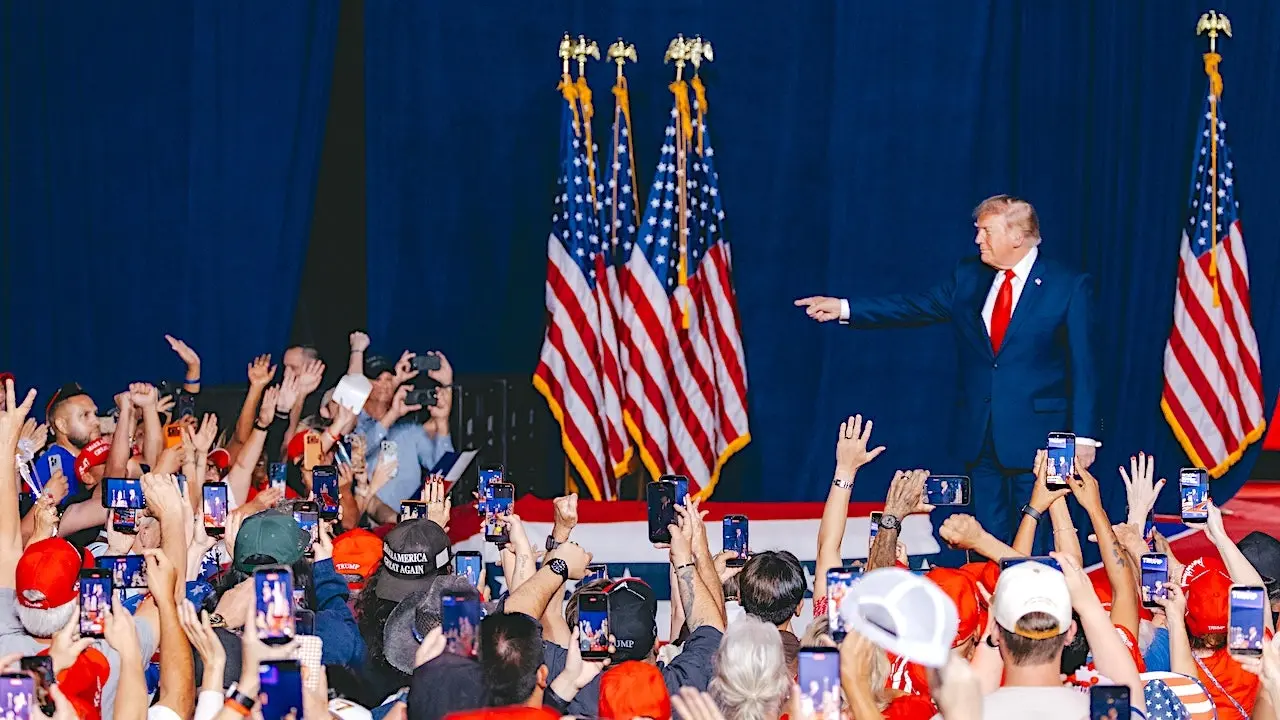
"I think the thing we’re missing is that it was really targeted at President Trump. I don’t think it was targeted at the policies so much," Brownback stated during his interview. Quoting classical wisdom, he added, "Pride comes before a fall and a haughty spirit before a stumble."
Economic Pressures and Voter Frustrations
The 2026 electoral landscape was undeniably shaped by mounting economic anxieties. Persistent concerns regarding the cost of living, stubbornly high inflation rates, and fluctuating gas prices weighed heavily on the minds of everyday Americans entering the voting booths.
Data compiled by the Fox News Voter Poll underscored the dominance of financial concerns during the election cycle. An overwhelming 89% of surveyed voters identified the cost of living as a crucial or major factor influencing their congressional vote. By comparison, 74% cited international conflicts—such as the ongoing war involving Iran—as a primary concern.
While these economic pressures created significant headwinds for the incumbent administration, political experts note that public dissatisfaction extended well beyond monetary policy. Brownback suggested that voters were sending a clear signal about their fatigue with the relentless political friction and aggressive tone emanating from the executive branch.
"People just saying I’m ready to move on past President Trump," Brownback explained, encapsulating a sentiment that many moderate and independent voters reportedly shared. He noted that while the electorate largely supported the administration’s core policy objectives regarding securing the international border, they simultaneously registered deep discomfort with the aggressive nature of interior immigration enforcement measures and the administration’s overall delivery style.
A Call for Cultural Correction: Humility and Kindness in Conservative Politics
Drawing upon his decades of experience in public service—which spans his tenure in the U.S. Senate from 1996 to 2011, his two terms as Kansas governor from 2011 to 2018, and his diplomatic posting under Trump—Brownback emphasized that the path forward for the Republican Party requires a fundamental shift in communication strategy rather than an abandonment of core conservative principles.
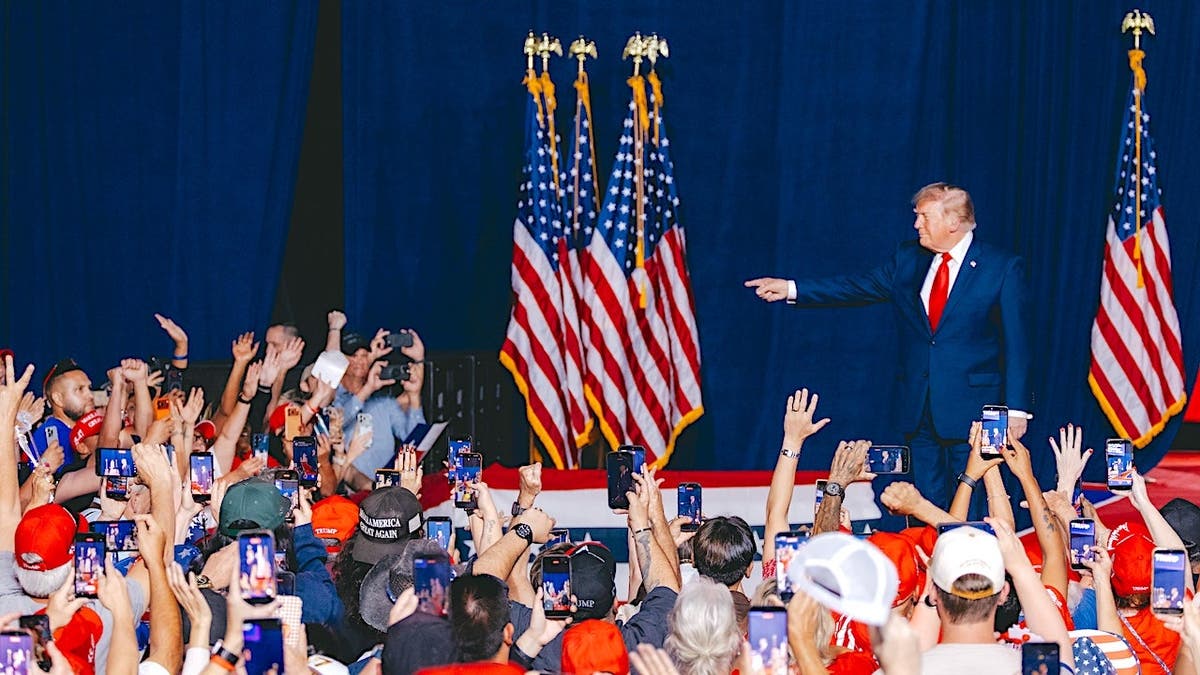
The former ambassador underscored the necessity of public officials projecting empathy, humility, and civil discourse when engaging with the American populace. He argued that aggressive rhetoric and political bravado, while occasionally effective at mobilizing a fervent base, ultimately alienate the broader coalition of independent and moderate voters required to secure national majorities.
"You just can’t be proud. You’ve got to come forward humbly," Brownback said. "And I think you have to do that with the American public."
Looking ahead to the political horizon of 2028, Brownback urged party leaders to adopt a receptive and listening posture. He advocated for a direct, reassuring message directed at working families: "We hear you, American public. We’re adjusting to the message that we heard."
Reiterating his foundational political philosophy, Brownback remarked, "America is great because it’s good. If it ever loses its goodness, it will lose its greatness. There has to be, as I keep doubling back to, a humility and a kindness about it as well."
Implications for the 2028 Republican Presidential Field
As the dust settles on the 2026 congressional shift, the Republican Party’s attention has already begun pivoting toward the rapidly approaching 2028 presidential election. The loss of congressional majorities has instantly transformed the internal dynamics of the GOP, accelerating discussions over who will ultimately inherit the mantle of leadership and carry the conservative movement forward.
Several prominent figures within the current administration and conservative movement have already emerged as potential front-runners for the 2028 Republican presidential nomination. Among them are Vice President JD Vance and Secretary of State Marco Rubio, both of whom command significant influence within the party’s evolving coalition.
Vice President Vance, who has maintained a robust national profile championing populist-conservative economic policies and robust border security, has indicated to associates that he plans to formally evaluate and announce his decision regarding a potential White House bid in the spring. Meanwhile, Secretary of State Rubio brings extensive foreign policy credentials and deep ties to the traditional wing of the party, presenting a distinct stylistic and strategic approach to governance.

Political analysts suggest that the debate sparked by figures like Brownback—contrasting the populist, confrontational style of current leadership with a call for traditional conservative civility and institutional stewardship—will form the core ideological battleground of the 2028 primary season.
Broader Political Analysis and Future Outlook
The aftermath of the 2026 midterms leaves the Republican Party at a critical strategic crossroads. While the legislative agenda championed by the administration successfully mobilized a committed base of voters on specific issues like national security and border enforcement, the subsequent loss of Congress highlights the perils of a polarizing executive leadership style in a closely divided nation.
For the GOP to successfully mount a competitive presidential campaign in 2028 and reclaim legislative authority, analysts observe that the party must navigate a delicate balancing act. It must retain the enthusiastic support of working-class voters drawn to populist economic and security platforms while simultaneously addressing the anxieties of suburban and independent voters who favor institutional stability, policy predictability, and a less contentious political tone.
Whether the party embraces Brownback’s prescription of institutional humility and cultural moderation or doubles down on the combative populism that has defined the modern era remains one of the most significant questions facing American politics today. As potential candidates begin positioning themselves for the 2028 cycle, the debate over tone, leadership, and public engagement will undoubtedly shape the trajectory of the conservative movement for years to come.
Related posts: