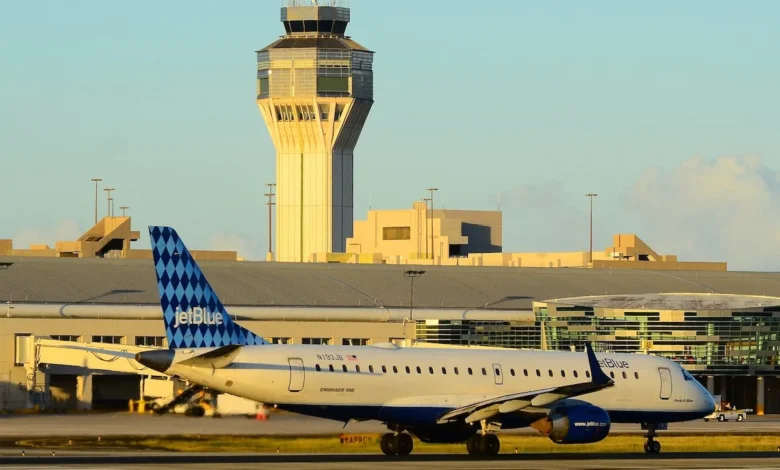
Airline ticket pricing and modern retail algorithms are once again under intense federal scrutiny following a sweeping regulatory directive issued by the United States government. Last week, the Federal Trade Commission (FTC) officially ordered three major domestic carriers—Delta Air Lines, United Airlines, and JetBlue—to surrender comprehensive internal data detailing how they calculate and establish consumer airfares. This aggressive administrative action forms a core component of a broader, multi-industry federal study designed to determine whether corporations are improperly harnessing personal consumer data, browsing habits, and digital footprints to tailor individual prices—a controversial practice increasingly known by economists and consumer advocates as surveillance pricing.
The federal inquiry marks a significant escalation in regulatory oversight regarding digital commerce and algorithmic transparency. Under the terms of the FTC orders, the targeted airlines, alongside a diverse group of major technology platforms, gig-economy operators, and traditional brick-and-mortar retail chains, have been given a strict 45-day window to comply with the agency’s demands. They must provide granular documentation regarding their algorithmic pricing methods, data collection practices, and the ways in which personal consumer profiles influence the final cost of goods and services.
The Scope of the Federal Inquiry
The reach of the Federal Trade Commission’s latest administrative orders extends far beyond the commercial aviation sector. Alongside Delta Air Lines, United Airlines, and JetBlue, the agency dispatched identical compulsory information requests to ride-sharing and delivery giants Lyft, Uber, DoorDash, and Instacart, as well as retail behemoths Target and Walmart. While the inquiries directed at airlines and retailers focus intensely on consumer-facing price discrimination and individualized rate-setting, the orders sent to gig-economy platforms also demand extensive transparency regarding how algorithmic systems determine worker compensation and gig-labor payouts.
FTC Chairman Andrew Ferguson emphasized the gravity of the investigation in an official statement released alongside the announcement of the orders. The agency, Ferguson noted, intends to shine a bright light into the traditionally opaque operational structures that modern corporations utilize to govern transactions in the digital age.
We intend to scrutinize the opaque methodology that some companies in these industries may be using to determine how much consumers pay or how much gig workers are paid for the same product or service, Ferguson said. The statement underscores a growing bipartisan concern among federal regulators that advanced data analytics and artificial intelligence are being deployed in ways that undermine market transparency and disadvantage everyday consumers who lack visibility into how digital marketplaces value their business.
Defining the Terms: Dynamic Pricing Versus Surveillance Pricing
To fully understand the significance of the FTC’s current investigation, consumer advocates and economists point to a crucial distinction between two pricing mechanisms that have come to dominate modern commercial landscapes: dynamic pricing and surveillance pricing.
Dynamic pricing is a well-established economic strategy that airlines, hotels, and event ticketing companies have utilized for decades. Under a dynamic pricing model, the cost of a good or service fluctuates in real-time based on broad market conditions, such as overall supply and demand, seasonal trends, historical buying patterns, time of purchase, and seat availability. For instance, a plane ticket from New York to Los Angeles will naturally cost more during the Thanksgiving holiday rush than on a quiet Tuesday morning in February. These price adjustments are generally applied uniformly to all consumers shopping in the same market at the same time, regardless of who is browsing.
Surveillance pricing, by contrast, represents a fundamentally different and far more controversial evolution in retail economics. This practice involves corporations leveraging vast quantities of personal data—harvested from browsing histories, purchase logs, device types, geographic locations, and demographic profiles—to calculate the maximum price an individual consumer is willing to pay. Under a surveillance pricing regime, two people sitting side-by-side using the same website might be quoted entirely different prices for the exact same airline seat or retail product, not because of market demand, but because algorithmic profiling suggests one buyer has a higher willingness or ability to pay.
A Chronology of Regulatory Escalation
The Federal Trade Commission’s decision to demand pricing data from airlines and retailers did not happen in a vacuum. It represents the culmination of years of mounting public frustration, academic research, and preliminary regulatory inquiries into the hidden mechanics of the digital economy.
The timeline of this regulatory push reveals a steady progression from observation to active enforcement:
- Early Digital Era: Airlines pioneered computerized reservation systems and dynamic yield management, gradually refining algorithms to maximize revenue per flight through seat-by-seat adjustments.
- The Rise of Big Data (2010–2020): As e-commerce expanded, companies across all sectors began aggressively collecting behavioral data, cross-referencing user profiles, and utilizing machine learning models to optimize conversion rates and profit margins.
- Congressional and Agency Hearings (2022–2023): Lawmakers and regulatory bodies, including the Consumer Financial Protection Bureau and the FTC, began holding workshops and issuing reports highlighting the potential risks of algorithmic bias, personalized pricing, and dark patterns in digital retail.
- Early 2024: Consumer protection groups filed formal petitions and published investigative reports highlighting instances where identical travel itineraries and retail goods yielded drastically different price quotes based on user cookies and device operating systems.
- Mid-2024: The FTC announced a series of market studies targeting deceptive practices, culminating in the formal issuance of 6(g) orders—a powerful legal mechanism allowing the commission to compel commercial entities to submit comprehensive data and corporate records for study.
- Present Day: The targeted corporations face a strict 45-day deadline to deliver their algorithmic methodologies and data usage policies to federal investigators, setting the stage for potential future rulemakings or antitrust actions.
Industry Background and the Unique Economics of Air Travel
The commercial aviation industry has long operated under unique economic pressures that make it a primary focus for pricing investigations. Airlines manage high fixed costs—including aircraft acquisition, maintenance, unionized labor, and volatile jet fuel prices—while attempting to monetize perishable inventory. Once an airplane departs the gate, any empty seat represents permanently lost revenue.
For decades, airlines defended their complex ticketing structures as a necessary mechanism to maximize capacity while keeping air travel accessible to budget-conscious travelers through advance-purchase discounts. However, the integration of big data analytics has allowed carriers to move beyond simple fare classes. Modern airline revenue management systems continuously ingest massive data feeds, tracking not only seat inventory and competitor pricing but also user search histories, loyalty program status, and digital identifiers.
Consumer advocacy groups argue that this level of technological sophistication crosses the line from efficient market clearing into predatory price discrimination. When airlines can identify a desperate traveler—such as someone booking a last-minute flight due to a family emergency or a business traveler whose company is footing the bill—critics contend that algorithmic pricing models exploit that vulnerability by inflating fares far beyond traditional supply-and-demand metrics.
Official Responses and Corporate Posture
As the 45-day compliance countdown progresses, representatives for the targeted airlines and corporate entities have begun formulating their responses to the federal mandate. Industry trade groups, including Airlines for America, have consistently defended airline pricing models, emphasizing that intense market competition ensures airfares remain relatively low on a historical, inflation-adjusted basis.
In preliminary statements released following the FTC’s announcement, airline spokespeople stressed that their pricing strategies are designed to optimize capacity and reward customer loyalty rather than exploit individual consumers. They argue that dynamic pricing benefits the traveling public overall by allowing airlines to offer lower introductory fares to budget-conscious consumers who plan ahead, while filling planes that might otherwise fly empty.
Similarly, retail and gig-economy giants targeted by the agency have maintained that their pricing and pay algorithms are proprietary trade secrets essential for maintaining efficient marketplaces, balancing driver and courier supply with consumer demand, and offering competitive retail discounts. Representatives for companies such as Uber, DoorDash, and Walmart have indicated that they intend to cooperate with the FTC’s information requests while safeguarding sensitive proprietary algorithms and competitive business strategies.
Economic Implications and the Future of Digital Commerce
The implications of the FTC’s investigation extend far beyond the immediate group of companies ordered to surrender their data. Should the agency’s study uncover widespread evidence of manipulative surveillance pricing, it could fundamentally alter how American businesses utilize consumer data and artificial intelligence.
Economists note that surveillance pricing introduces profound market inefficiencies. While traditional market economics rely on transparent price signals to guide consumer choice and foster healthy competition, individualized pricing obscures the true market value of goods and services. When consumers realize they cannot trust posted prices, overall market confidence declines. Furthermore, price discrimination can disproportionately impact vulnerable or low-income populations who may lack the technological savvy to circumvent digital tracking or clear browsing cookies.
Legal scholars suggest that the FTC’s current fact-finding mission could pave the way for several distinct regulatory outcomes:
- New Federal Guidance: The commission could issue formal enforcement policy statements defining unlawful surveillance pricing under Section 5 of the FTC Act, which prohibits unfair or deceptive acts or practices.
- Mandatory Disclosures: Regulators might push for mandatory transparency requirements, forcing e-commerce platforms and travel providers to clearly disclose when and how personal data is being used to determine individual price quotes.
- Antitrust and Competition Enforcement: Findings from the study could trigger targeted antitrust investigations or civil lawsuits against specific corporations accused of using algorithmic coordination or data monopolies to inflate prices artificially.
- Legislative Action: The findings will likely provide ammunition for federal lawmakers pressing for comprehensive federal privacy legislation and strict oversight of artificial intelligence and algorithmic decision-making systems.
As the 45-day response window draws to a close, all eyes remain fixed on Washington. The data delivered to the Federal Trade Commission by Delta, United, JetBlue, and their corporate counterparts will provide an unprecedented window into the hidden digital machinery driving modern commerce. Whether this sweeping inquiry leads to voluntary industry reform or landmark federal regulations, it signals a definitive turning point in the relationship between consumer privacy, corporate algorithms, and the cost of everyday goods and services in the United States.