A Chance Encounter in Benin Leads to an Unexpected Transatlantic Life Transformation

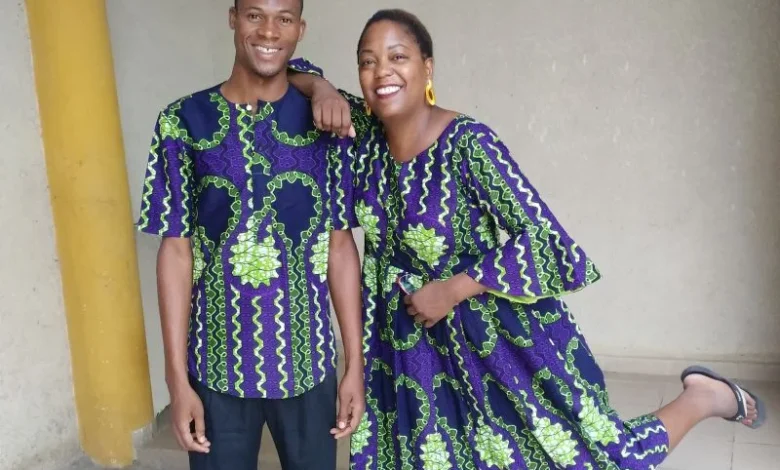
In August 2018, Rachel Décoste, an Ottawa-born professional with Haitian heritage, arrived in the Republic of Benin with the singular goal of tracing her ancestral roots. Having spent her adult life in Washington, D.C., working in high-level bipartisan technology policy, Décoste was accustomed to a structured, fast-paced professional existence. She arrived in the port city of Cotonou as part of a broader five-month journey across West Africa, following DNA test results that identified the region—specifically Senegal, Ivory Coast, Togo, Ghana, and Benin—as her ancestral homeland. Little did she anticipate that a simple request for directions on her first day would catalyze a life-altering sequence of events, culminating in a cross-continental marriage and a complete shift in her personal and professional trajectory.
The Chronology of a Whirlwind Romance
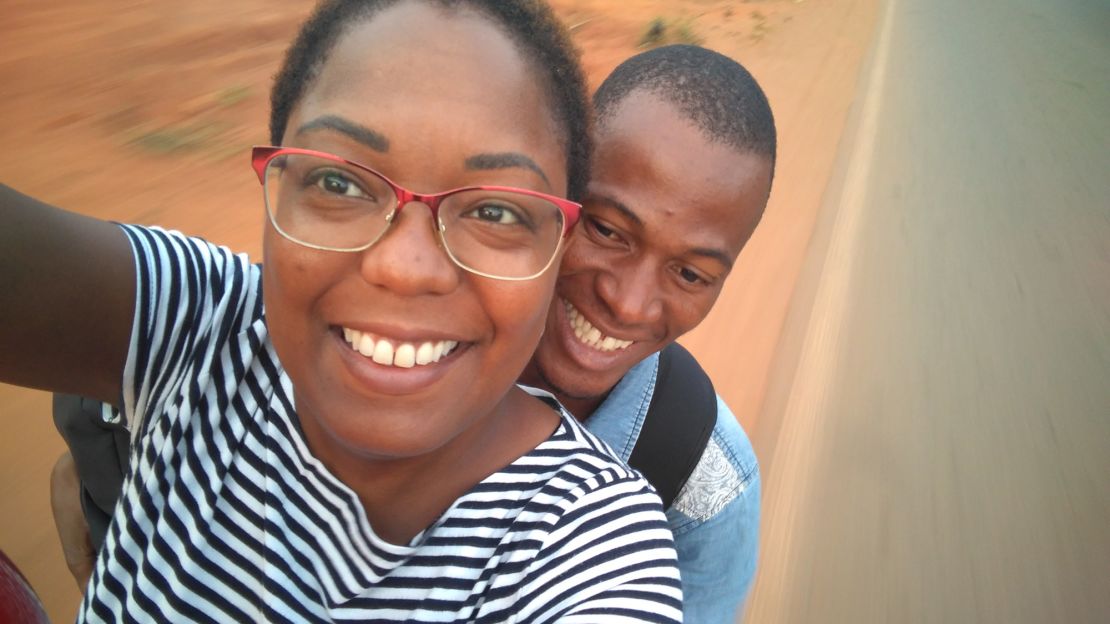
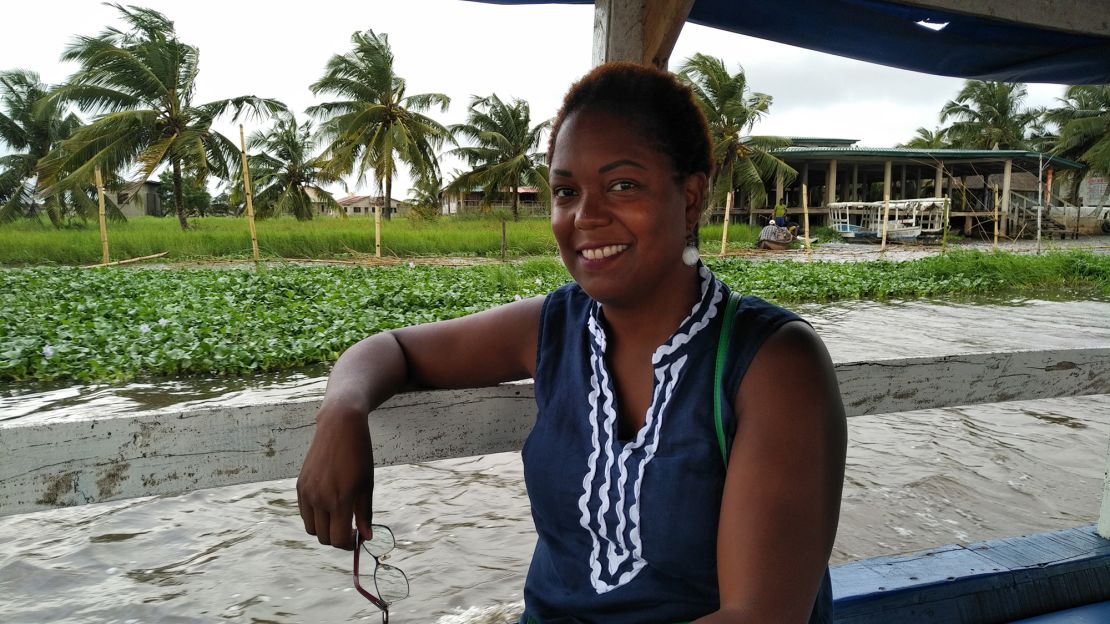
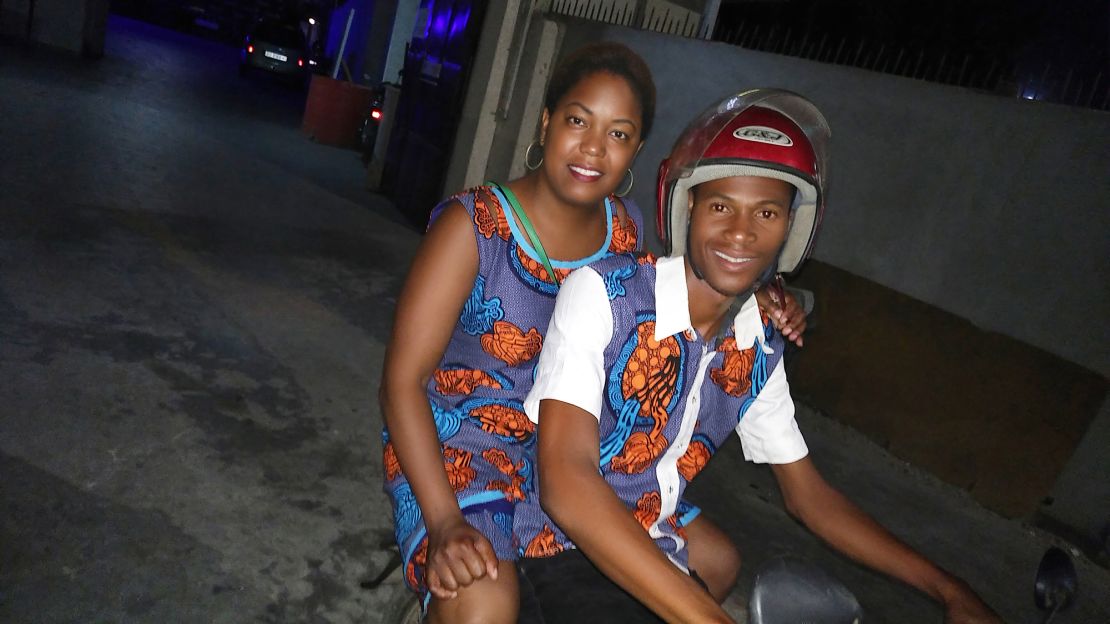
The narrative of this transformation began at a bed and breakfast in Cotonou. When the facility’s manager and security staff were unavailable to provide guidance on how to reach Ouidah—a historic site significant for its role in the transatlantic slave trade—Décoste sought assistance from a passerby. That stranger was Honoré Orogbo, a local businessman and single father in his thirties. What began as a ten-minute motorcycle ride to a local taxi rank quickly evolved into a multi-day partnership.
By the end of their first week of travel, the professional, yet burgeoning personal, connection had deepened. Décoste, who had previously been working remotely for her D.C.-based role, found herself confiding in Orogbo about her life, her family values, and her profound emotional journey as a descendant of enslaved Africans. Orogbo, in turn, shared the realities of his life in Benin, including his prioritization of his son’s education over his own material comforts.
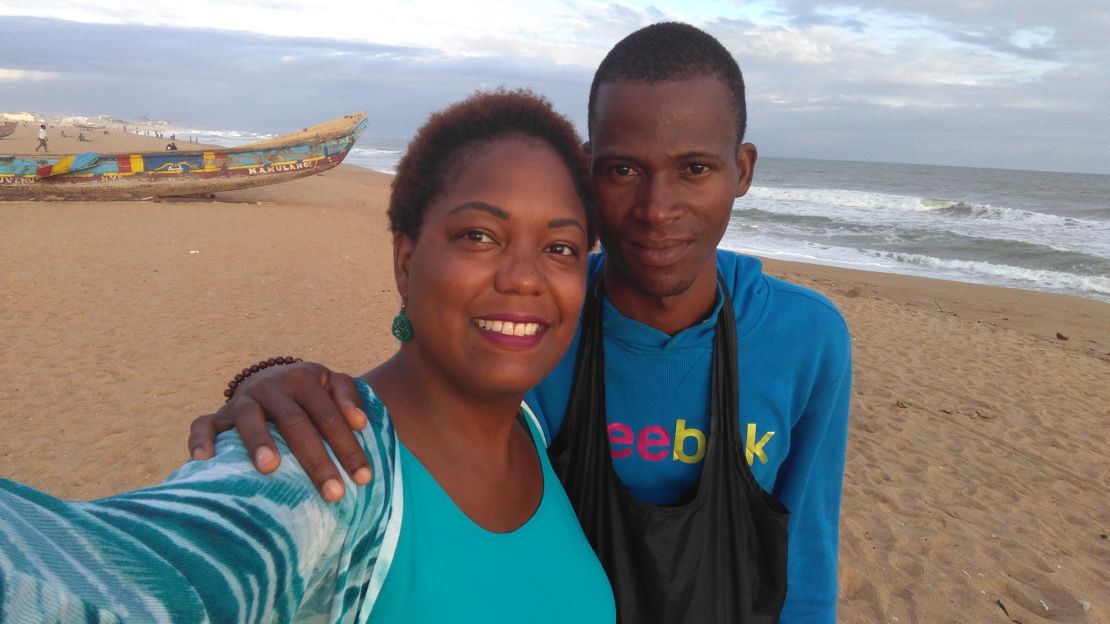
The relationship accelerated during a weekend trip to Lomé, Togo, where the couple attended a poetry slam and spent the night engaging in conversation. Recognizing the potential for a long-term partnership, Décoste made the decision to be candid about her marital status—having initially been guarded—which paved the way for a deeper romantic commitment. Within six months of their initial meeting, the pair were married in Benin. This was followed by a complex immigration process that saw Orogbo and his son relocate to Canada to join Décoste, marking the beginning of their new life together in Ottawa.
Contextualizing the African Diaspora and Ancestral Tourism
The rise in ancestral tourism, often described as "roots tourism," has seen a significant uptick in recent years, particularly following the 2019 "Year of Return" initiative in Ghana, which encouraged the global African diaspora to reconnect with their heritage. For individuals like Décoste, DNA testing provides a scientific starting point for a deeply personal, emotional quest.
Historically, the port of Ouidah in Benin served as a major point of embarkation for enslaved people during the 17th and 18th centuries. Experts note that for many African Americans and Canadians of African descent, visiting these sites is a form of "pilgrimage," providing a tangible connection to history that is often obscured by the trauma of the Middle Passage. Décoste’s reflection on being a "walking, talking miracle" highlights the profound psychological impact of these visits. Statistical data from the African Tourism Board suggests that this sector is a growing economic driver, with millions of diaspora members expressing interest in visiting West Africa to explore their heritage. However, such journeys often bring travelers face-to-face with the stark realities of post-colonial infrastructure and socioeconomic disparities, which can sometimes lead to unexpected interpersonal connections that transcend traditional tourist-local dynamics.
Logistics of International Migration and Cultural Integration
The transition from a short-term visit to long-term residency involved significant bureaucratic hurdles. The immigration of Orogbo and his son from Benin to Canada required navigating Canada’s rigorous immigration system, which assesses applicants based on criteria such as family sponsorship, economic contribution, and language proficiency.
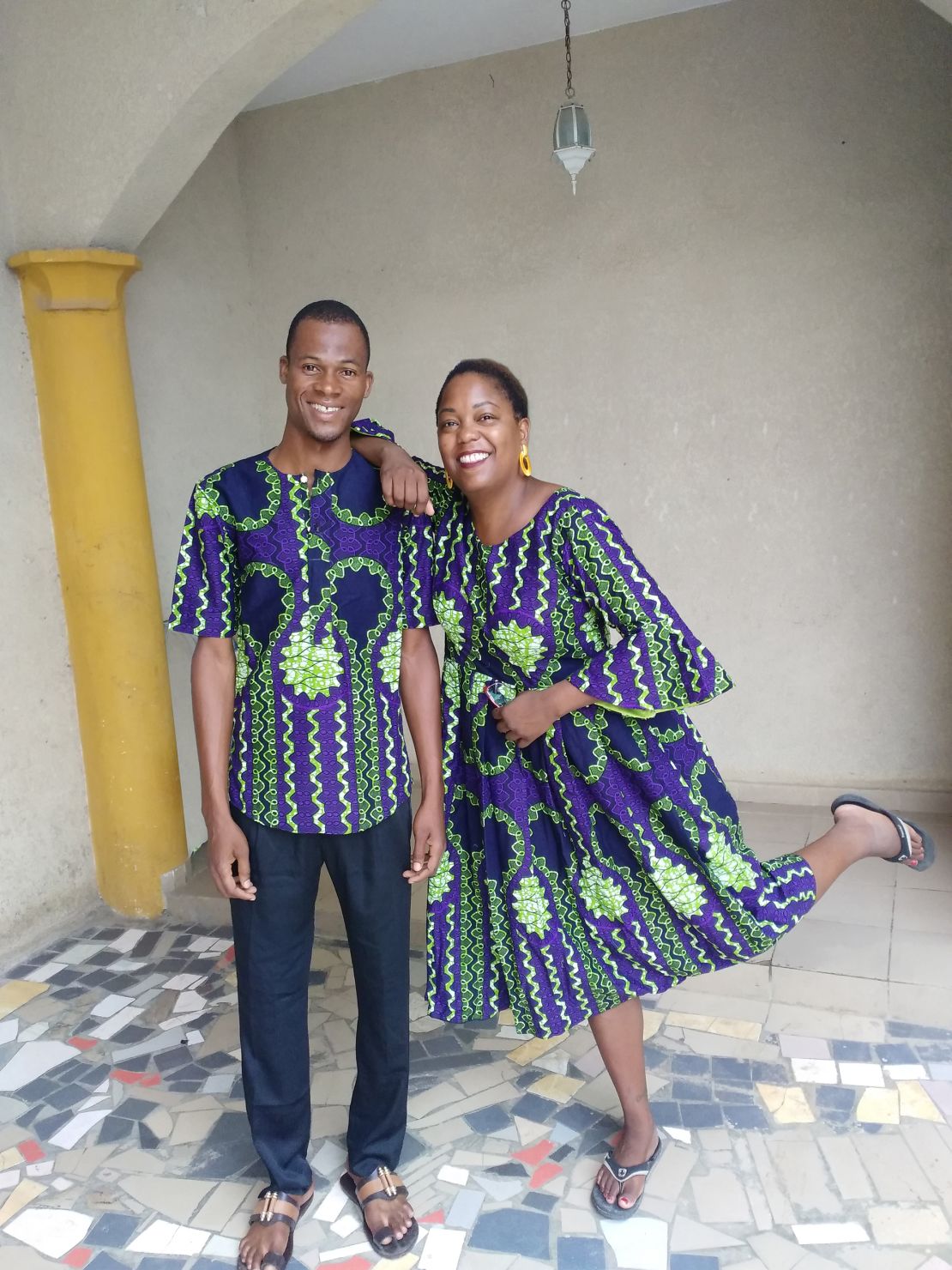
The cultural adjustment period for Orogbo was substantial. Moving from the tropical climate of Cotonou to the subarctic winters of Ottawa necessitated a complete lifestyle overhaul. Beyond the physical adaptation to the weather, the couple had to navigate the integration of their respective cultural backgrounds. Orogbo’s transition was facilitated by the couple’s shared commitment to their new life, though experts on immigrant integration note that such moves often entail significant "acculturation stress." To mitigate this, the couple focused on shared goals, including the establishment of Woke Apparel, a business venture that blends African textile artistry with the practical needs of the Canadian climate, providing a platform for both cultural preservation and economic stability.
Sociological Implications of Cross-Cultural Partnerships
The union of Décoste and Orogbo serves as a modern case study in how global mobility and digital connectivity influence personal relationships. Sociologists observing the trend of "globalized love" point out that the ease of modern travel and communication allows for the formation of bonds that would have been statistically improbable in previous decades.
Furthermore, the couple’s experience highlights the evolving nature of the "step-parenting" role within cross-cultural contexts. Décoste’s adjustment to motherhood and the family’s collective adaptation underscores the complexity of blending family units across international borders. According to studies on transnational families, the success of such arrangements often depends on the ability of the partners to maintain open lines of communication regarding their expectations, cultural traditions, and the long-term impact of relocation on the children involved.
Broader Impact and Future Outlook
The narrative of Décoste and Orogbo is not merely a human-interest story; it is a testament to the resilience of personal agency in the face of unpredictable circumstances. For Décoste, the transition from a policy-focused career in Washington to a more holistic life in Ottawa, enriched by her advocacy for diversity and inclusion, reflects a broader trend of professionals seeking greater alignment between their personal values and their daily lives.
Their story also provides a unique lens through which to view the "Year of Return" movement and its lasting impact on individual lives. It demonstrates that the benefits of such initiatives extend beyond macro-level economic growth for African nations; they facilitate a deeper, often intimate, dialogue between the diaspora and the continent.

As the couple continues their life in Ottawa, their story remains a focal point for those interested in the intersections of ancestral discovery, international immigration, and the pursuit of personal fulfillment. Their joint venture, Woke Apparel, and Décoste’s audiobook, Year of Return: a Black Woman’s African Homecoming, serve as mechanisms to share these experiences with a wider audience. Their journey reinforces the idea that there is no fixed timeline for life’s most significant transitions. Whether it is finding a partner, becoming a parent, or shifting one’s career focus, the couple’s experience suggests that remaining open to the unexpected can lead to outcomes that, while not originally planned, are deeply rewarding.
In conclusion, the intersection of Rachel Décoste’s ancestral pilgrimage and Honoré Orogbo’s life in Benin resulted in a profound realignment of both their futures. By navigating the complexities of international immigration, cultural integration, and the challenges of a cross-continental move, they have created a life that defies traditional expectations. Their story stands as a modern, factual account of how chance, combined with a willingness to embrace change, can fundamentally reshape the trajectory of two lives, ultimately resulting in a new chapter defined by shared values and mutual growth.