Southwest Airlines Overhauls Rapid Rewards Program with New Elite Tiers and Global Partner Integration

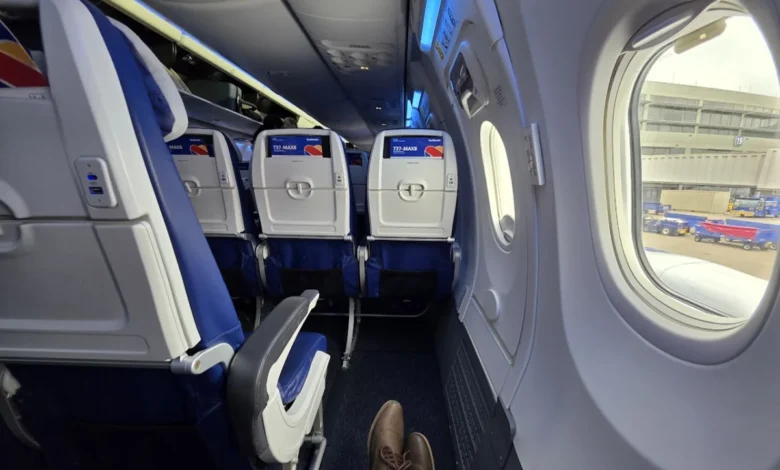
Southwest Airlines is undergoing a fundamental transformation of its loyalty program, Rapid Rewards, as part of a broader strategic pivot that aligns the carrier more closely with traditional industry models. The upcoming 2027 overhaul introduces a new top-tier status, "Platinum," alongside updated qualification metrics for the airline’s famed Companion Pass. This shift follows years of mounting pressure on the Dallas-based carrier to modernize its revenue management and passenger experience offerings. While the changes promise to unify elite qualification and introduce international award travel, industry analysts are closely watching whether these additions are substantive enough to compensate for the erosion of the airline’s historic operational differentiators.
The Evolution of the Southwest Model
For decades, Southwest Airlines stood as a singular outlier in the aviation industry. Its business model relied on high-frequency, point-to-point service, an all-Boeing 737 fleet, and a unique "open seating" policy that eschewed traditional fare classes and baggage fees. However, the post-pandemic travel landscape forced a re-evaluation of this strategy.
As the airline began distributing its fares through Global Distribution Systems (GDS) to compete for corporate and international travelers, the need for a more standardized product became apparent. The decision to abandon open seating in favor of assigned seating—and to introduce basic economy-style pricing—marked the end of the "Southwest difference." With these changes, the airline now finds itself in direct competition with legacy carriers like United, American, and Delta. Consequently, the Rapid Rewards program has been redesigned to mirror the competitive benefits offered by these rivals, ensuring that the airline remains a viable choice for high-value frequent flyers.

Rapid Rewards: The 2027 Program Structure
The centerpiece of the 2027 update is the introduction of the Platinum tier. This new level sits atop the existing structure, though current A-List Preferred members may find the immediate value proposition somewhat limited. The new tier includes a third checked bag, priority boarding, and a higher advertised earning bonus. However, because the base-earning structure has been adjusted to account for higher fare classes, the net gain for many legacy elite members remains a subject of debate.
The program’s simplification is perhaps its most significant technical achievement. By unifying the qualification criteria for elite status and the Companion Pass, Southwest is streamlining the path to rewards. Starting in the spring, the airline will also expand its footprint through new partnerships with Icelandair, China Airlines, and Etihad Airways. These partnerships will allow members to redeem Rapid Rewards points for travel on these international carriers, including in premium cabin configurations. While the specific redemption charts and potential carrier-imposed surcharges remain undisclosed, the move signals a clear intent to provide value to customers traveling beyond Southwest’s domestic and near-international route map.
Chronology of Strategic Shifts
- 2022: A series of calls from industry observers, including industry experts, began to mount, urging Southwest to integrate partner redemptions and improve credit card status-earning potential.
- 2024: Southwest confirms it will move away from its long-standing open seating model, acknowledging the necessity of assigned seating to support "revenue management" and "customer choice."
- 2026: Preparations for the 2027 overhaul are accelerated, with early renderings of the "Southwest Icon Lounge" in Nashville released to the public, signaling a shift toward premium ground experiences.
- 2027: The formal implementation of the unified Rapid Rewards structure, the launch of the Platinum tier, and the activation of global partner redemptions.
Analyzing the Competitive Landscape
The transition of Southwest into a conventional carrier has sparked significant discussion regarding the "unbundling" of services. As Southwest introduces assigned seating and potential ancillary fees, it is effectively moving toward a "Basic Economy" product structure. The challenge for the airline is to maintain its reputation for superior customer service—often cited as the company’s "secret sauce"—while operating under the same logistical constraints as its competitors.
From a data perspective, the airline’s decision to offer higher earning bonuses for Platinum members is an attempt to lock in high-spend travelers. However, the offset in base-earning potential suggests that the airline is prioritizing margin preservation. The introduction of Gold status as a replacement for A-List Preferred also suggests a rebranding effort aimed at making the tiers more intuitive for passengers accustomed to the gold/platinum/diamond nomenclature of legacy airlines.
Future Opportunities for Improvement
While the current overhaul addresses many long-standing requests, industry analysts suggest that further refinements could enhance the program’s competitive edge. Among the most cited recommendations are:
- Dynamic Middle-Seat Blocking: For Platinum members, implementing a policy where the adjacent middle seat is held vacant on non-full flights would provide a significant "soft product" upgrade that costs the airline little in terms of lost inventory.
- Lifetime Status Milestones: Unlike competitors that track flight segments for lifetime status, Southwest’s current model focuses on annual qualification. Introducing a lifetime status program based on flight segments—such as 1,000 one-way trips for Silver status—could foster long-term brand loyalty.
- Flexible Points Pooling: Following the lead of JetBlue, which allows groups to pool points, Southwest could drive engagement by allowing families or small business teams to combine points into a single account, increasing the velocity at which rewards are redeemed.
- Confirmed Day-of-Travel Changes: Allowing Gold and Platinum members to switch to any available flight on the same day without fare-class restrictions would offer a massive utility boost for business travelers, mirroring a perk currently reserved for high-fare purchasers.
- Reciprocal Elite Benefits: As the airline integrates with international partners, formalizing reciprocal status recognition—such as lounge access and priority check-in at partner hubs—will be essential to keep the loyalty program relevant for global travelers.
Official Stance and Market Reaction
Southwest leadership has maintained that these changes are necessary to ensure the company’s long-term financial health while preserving the "friendliness" of its crews. In various investor communications, the airline has emphasized that it is not looking to "be" another airline, but rather to "evolve" into one that provides modern amenities without sacrificing the efficiency of its operations.
Investors have reacted with cautious optimism, noting that the move to assigned seating and premium cabin inventory should theoretically increase the Revenue Per Available Seat Mile (RASM). Conversely, some loyalists have expressed concern that the "Southwest feel"—the sense of equality among passengers—is being compromised by the tiered nature of the new rewards structure.
Broader Implications
The shift at Southwest represents the end of an era in American aviation. For over 50 years, the airline served as a check on the pricing power of legacy carriers. By adopting similar revenue management techniques, Southwest is essentially signaling that the "low-cost carrier" model has reached its limit in the current market environment. The success of the 2027 Rapid Rewards overhaul will depend on the airline’s ability to prove that it can offer a premium experience through its elite tiers without alienating the core customer base that made it the most successful airline in American history.
As the industry moves forward, the focus will remain on whether these new elite benefits—such as the Platinum tier’s third bag or the expanded partner network—are sufficient to retain the loyalty of the modern traveler. With competitive pressure increasing, Southwest’s ability to execute this transition while maintaining its unique corporate culture will likely be the definitive story of the airline industry for the remainder of the decade.