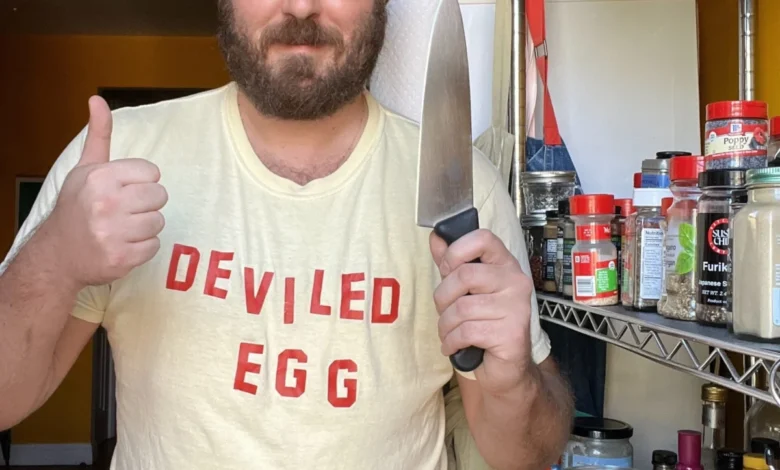
As the holiday season approaches, the influx of food preparation in domestic kitchens brings an increased reliance on culinary tools, specifically the chef’s knife. While many home cooks focus on recipe curation and ingredient quality, the mechanical efficiency of the primary cutting tool is often overlooked. Professional culinary organizations and kitchen safety experts emphasize that a well-maintained, sharp knife is not merely a convenience for speed; it is a fundamental requirement for accident prevention and food quality control.
The Correlation Between Blade Sharpness and Kitchen Safety
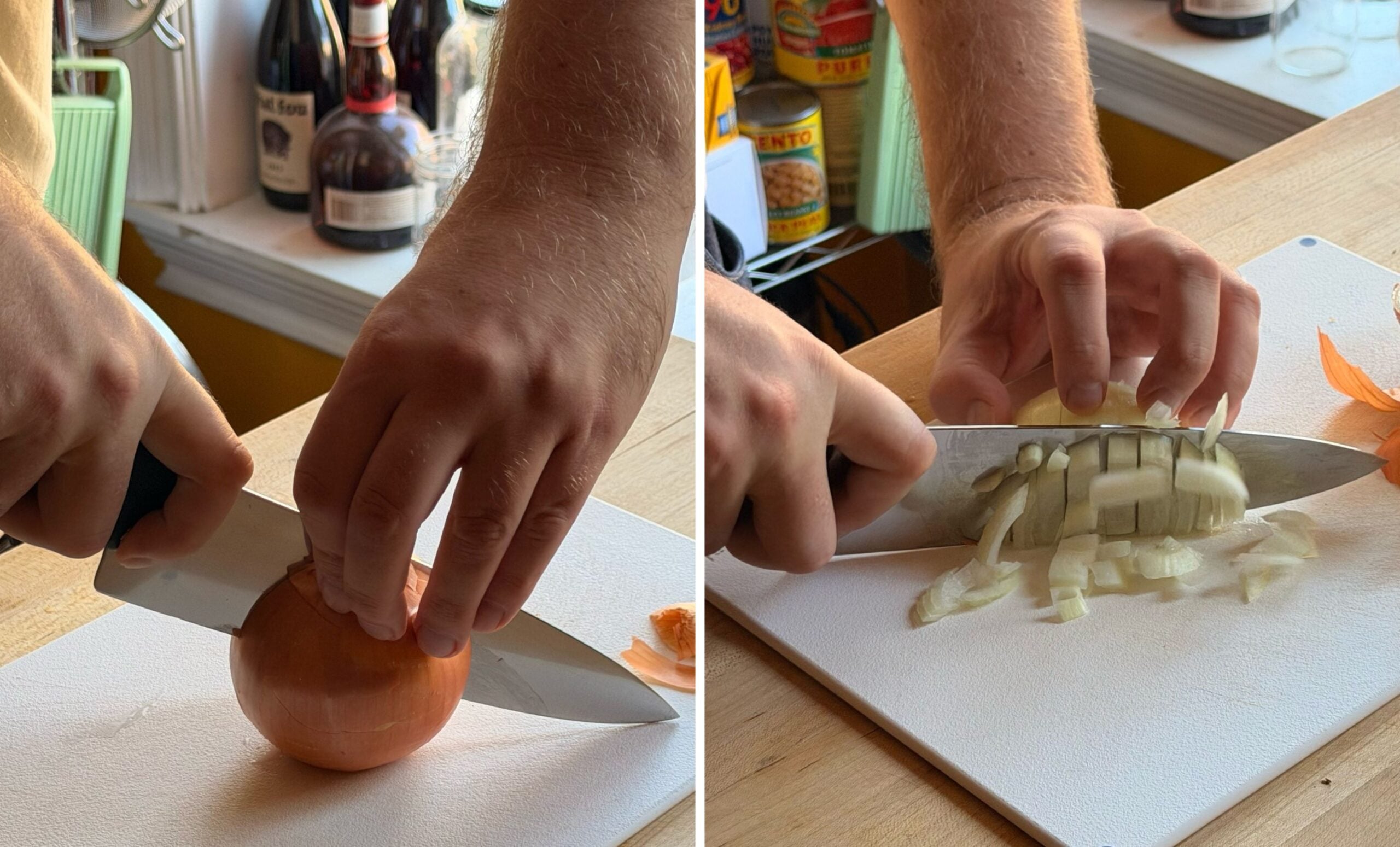
A common misconception among amateur cooks is that a sharp knife is inherently more dangerous than a dull one. Data from emergency room visits related to kitchen injuries suggest the inverse: dull knives are statistically more prone to causing lacerations. When a blade lacks a refined edge, it requires significant downward pressure to penetrate the surface of ingredients. This force increases the likelihood of the blade slipping off the food—particularly round or waxy produce like onions or potatoes—and striking the user’s hand.
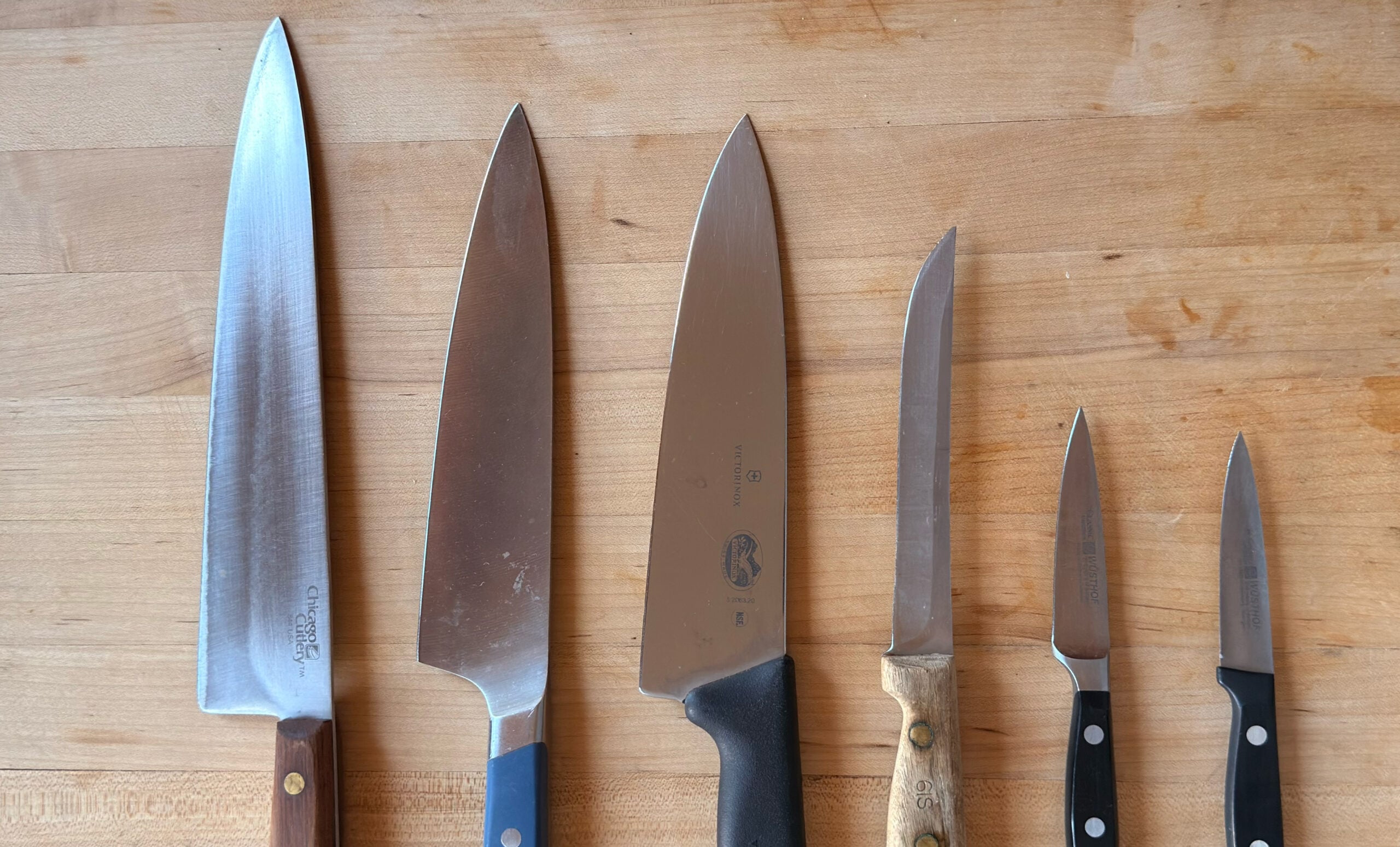
A sharp blade, conversely, glides through cellular structures with minimal resistance. This allows for superior control and precision, reducing the physical strain on the wrist and hand. Furthermore, the efficiency of a sharp edge minimizes the duration of exposure to potential hazards during labor-intensive tasks such as preparing mirepoix or large quantities of holiday produce.
The Science of Culinary Prep: Why Sharpness Matters
The impact of a dull blade extends beyond safety to the chemical composition of the food being prepared. For instance, the phenomenon of "crying" while chopping onions is a direct result of enzymatic reactions. Cutting through an onion with a dull, jagged edge ruptures more cell walls than a razor-sharp blade. This massive cell destruction triggers the release of higher concentrations of syn-propanethial-S-oxide, the volatile gas responsible for ocular irritation. By utilizing a sharpened blade, a cook maintains the integrity of the onion’s cell walls, significantly reducing the emission of this irritant.
Similarly, delicate herbs and leafy greens suffer from structural bruising when subjected to dull edges. A dull blade crushes the delicate stems and leaves rather than slicing them, causing rapid oxidation and browning. This diminishes the aesthetic quality and the flavor profile of the garnish or ingredient.
Distinguishing Between Honing and Sharpening
To maintain a professional-grade edge, one must distinguish between the two primary maintenance processes: honing and sharpening.
Honing is a routine maintenance task that involves using a honing steel—a long, cylindrical rod made of steel or ceramic—to realign the microscopic teeth (the "burr") of the blade. Over time, the edge of a knife rolls or bends due to contact with cutting boards. Honing restores this alignment, ensuring the edge is centered. This process does not remove metal; it simply straightens the existing edge. Experts recommend honing a knife as frequently as every time it is used for heavy prep work.
Sharpening, by contrast, is a restorative process. It involves the removal of metal from the blade’s bevel to create a new, acute edge. This is necessary when a knife has become too dull for honing to rectify. Depending on usage frequency, a knife may only require professional or deep-home sharpening a few times per year.

Methodologies for Home Maintenance
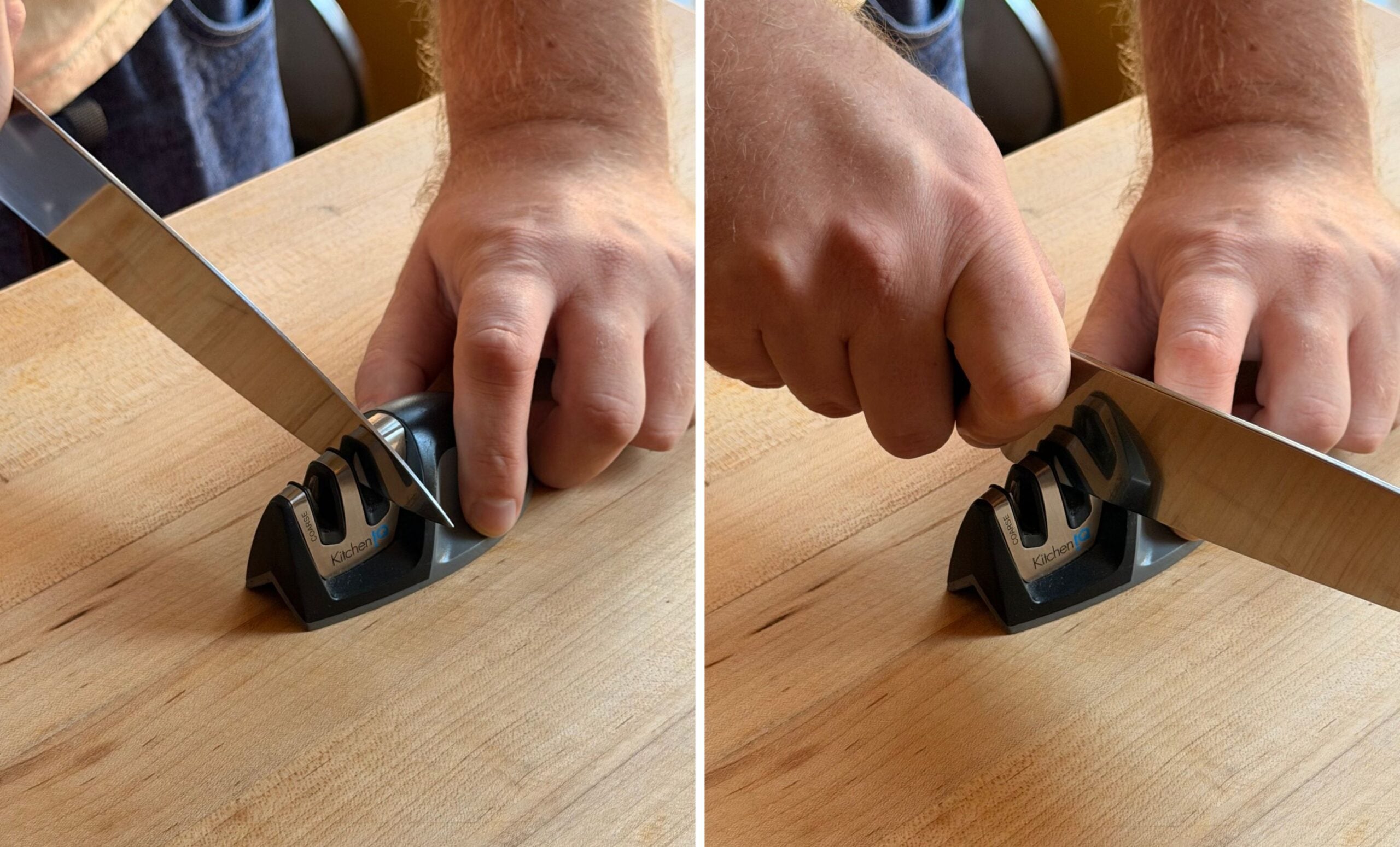
For the average home cook, two primary methods exist for maintaining edge geometry: the handheld sharpener and the traditional whetstone.
The Handheld Sharpener
Handheld sharpeners are designed for accessibility and consistency. They utilize pre-set angles, typically between 15 and 20 degrees, which eliminates the need for manual precision. Most models feature two slots: a coarse abrasive for reshaping a dull edge and a fine abrasive for polishing the finished edge. While convenient, these tools are less versatile than stones and can remove more metal than strictly necessary if used aggressively.
The Whetstone Technique
The whetstone, or sharpening stone, is the industry standard for longevity and precision. The process involves soaking the stone (if required by the manufacturer) in water to create a slurry that facilitates the grinding process. The user must maintain a consistent angle—typically 15 degrees—while sliding the blade across the abrasive surface. This method offers the highest level of control and allows for the customization of the blade’s edge based on the specific type of steel. It is a skill that requires practice but provides a superior result compared to mechanical devices.
Industry Guidelines for Knife Care
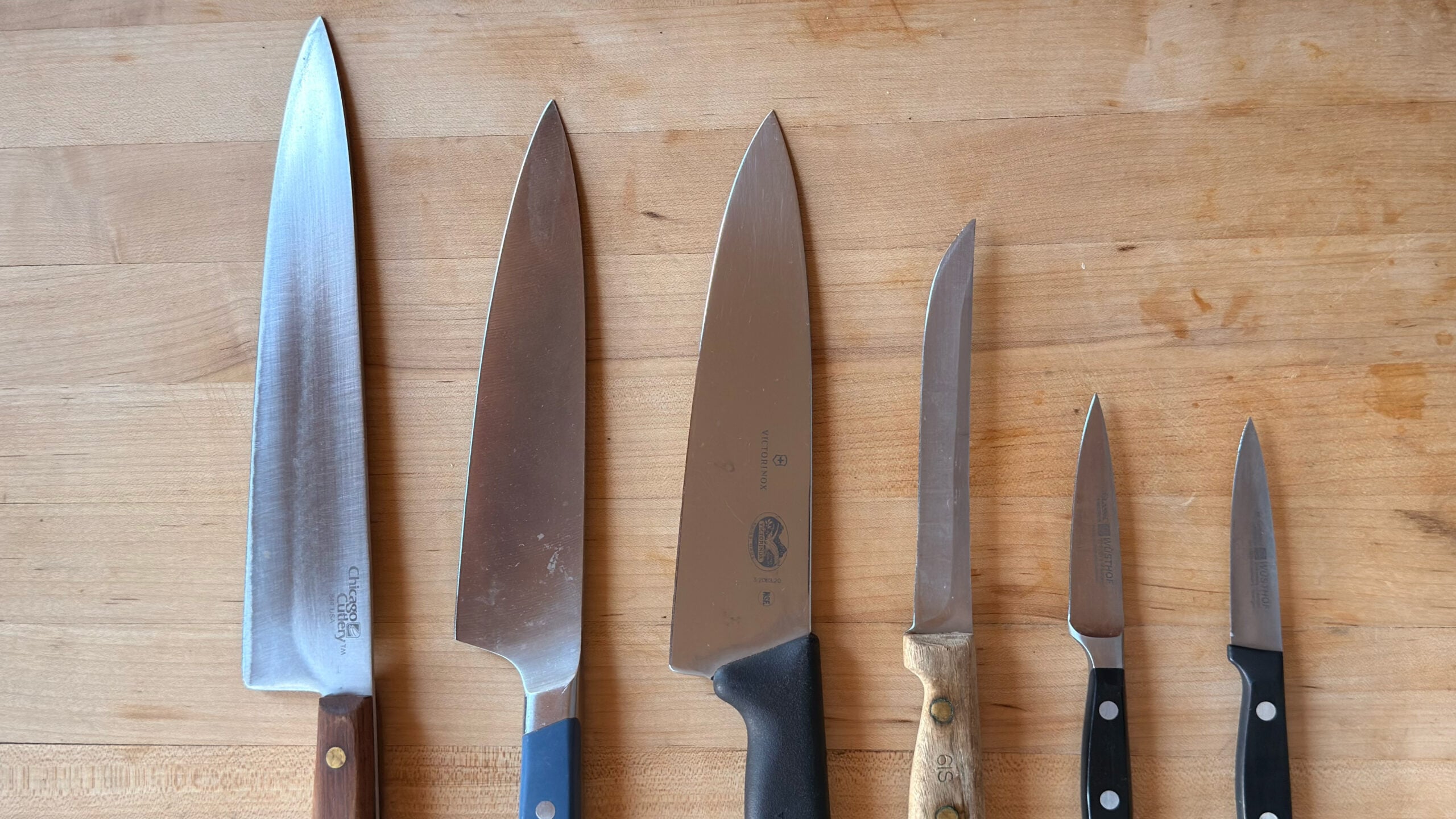
Not all knives are created equal, and maintenance protocols must be adjusted based on the metallurgy and design of the tool.
- Western-Style Knives: Typically constructed from softer steel with a thicker blade, these are well-suited for both handheld sharpeners and whetstones.
- Japanese-Style Knives: Often forged from harder, high-carbon steel, these blades are thinner and more delicate. They generally require a whetstone and a more refined touch to avoid chipping or damaging the brittle edge. Some traditional Japanese knives are single-beveled, requiring specific sharpening techniques that differ significantly from double-beveled Western blades.
- Serrated Blades: Bread knives and other serrated tools present a unique challenge. Because of their teeth, they cannot be sharpened on a flat stone. These should be maintained by a professional knife sharpener who possesses the specialized equipment to address each individual serration.
- Ceramic Blades: These require diamond-dust sharpening tools and are generally not suitable for standard steel whetstones.
The Broader Implications of Kitchen Maintenance
The professionalization of the home kitchen has led to an increased interest in proper equipment maintenance. Culinary historians note that the "back to basics" movement in home cooking—fueled by the rise of home-focused media and a post-pandemic shift toward self-sufficiency—has created a demand for vocational-level knowledge regarding tool care.
Industry analysts observe that proper knife maintenance is a cost-saving measure. A high-quality chef’s knife, when properly honed and occasionally sharpened, can last for decades. Neglecting this maintenance leads to premature degradation, requiring more frequent replacements. Beyond economics, there is the aspect of sustainability; reducing the churn of disposable or low-quality kitchen goods aligns with broader trends toward conscious consumption.
Conclusion: A Standard of Practice
As culinary activities peak during the holiday months, the standard of safety and efficiency in the kitchen should remain a priority. A routine that incorporates frequent honing and occasional sharpening not only facilitates a smoother, more enjoyable cooking experience but also ensures that the home kitchen remains a safe environment for all participants.
For those uncertain about their specific equipment, the most reliable course of action is to consult the manufacturer’s documentation. Whether utilizing a simple $10 handheld device or mastering the traditional art of the whetstone, the commitment to a sharp edge is a hallmark of the proficient home cook. Ultimately, the goal is to reduce unnecessary physical strain and minimize the risk of injury, allowing the focus to remain on the craft of cooking rather than the frustration of ill-maintained tools. Proper sanitation—washing and drying the blade thoroughly after any sharpening or honing process—serves as the final, vital step in this essential culinary practice.