AMC Entertainment Posts Strong Third Quarter Financial Results Driven by Box Office Rebound and Strategic Debt Restructuring

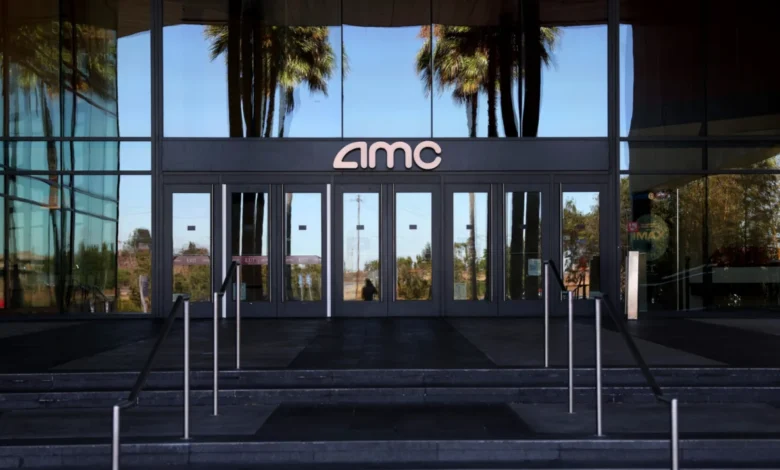
AMC Entertainment, the world’s largest theatrical exhibition chain, has reported a robust financial performance for the third quarter of 2025, signaling a potential turning point in its long-standing battle to recover from the industry-wide stagnation that followed the global pandemic. The company posted a significant surge in both revenue and box office returns, bolstered by a steady pipeline of blockbuster releases and a strategic overhaul of its corporate debt structure. This performance marks the second consecutive quarter of record-setting results, providing a much-needed boost of confidence for investors who have closely monitored the exhibitor’s ability to navigate high interest rates and substantial long-term debt obligations.
The reported figures for the third quarter show total revenue climbing 31 percent to $1.71 billion, a stark contrast to the $1.3 billion generated during the same period in 2025. This momentum builds upon the gains seen in the second quarter, where the company recorded a 14 percent revenue increase to $1.59 billion. Perhaps most significant to market observers was the return to profitability; AMC reported a net income of $109.3 million for the quarter, reversing a net loss of $298.2 million in the year-earlier period. This swing into the black was largely attributed to successful refinancing initiatives, specifically a July 2025 effort to redeem 2026 debt maturities, which eliminated the drag of previous non-cash charges.
A Strategic Pivot: Navigating the Debt Landscape
For years, AMC has operated under the shadow of a precarious balance sheet. The COVID-19 pandemic necessitated emergency financing measures that left the company with significant interest expenses and looming maturity dates. However, the company’s recent efforts to secure fiscal flexibility have begun to yield tangible results. By successfully pushing approximately $4 billion in debt maturities to 2031 and 2033, AMC has effectively bought itself the "breathing room" required to focus on operational efficiency rather than crisis management.
The process of restructuring has not been without cost. To exchange new debt for existing obligations, AMC has been forced to leverage core assets, including various theater locations and specific intellectual property. Despite these concessions, the management team asserts that the trade-off is essential for long-term survival. The reduction in interest expenses is expected to improve the company’s cash flow profile, allowing for continued investment in premium theater experiences—an area where AMC has seen consistent growth in consumer demand.
The Box Office Engine: Content and Premium Formats
The financial success of the third quarter was anchored by a resurgent slate of Hollywood tentpoles. The presence of high-profile films such as Christopher Nolan’s The Odyssey and the latest entry in the Spider-Man franchise, Spider-Man: Brand New Day, proved that audiences remain eager to engage with event cinema. Total admissions revenue rose to $953.5 million, up from $715.1 million a year prior, while food and beverage concessions reached $589.5 million, compared to $451.8 million in the previous year.
This uptick in spending is inextricably linked to AMC’s "premium screen gold rush." By heavily investing in immersive auditoriums—such as IMAX, Dolby Cinema, iSense, XL, and laser-projection-equipped screens—the exhibitor has successfully capitalized on a growing consumer preference for a superior movie-going experience. These premium formats command higher ticket prices and higher per-patron spending on concessions, which has contributed to what management described as "all-time record revenue per patron."
Attendance figures further underscore this trend. In the U.S. market, AMC welcomed 52 million patrons, while international venues added 22.7 million cinema-goers. The synergy between a strong film slate and the availability of high-end viewing environments appears to be the primary driver behind these robust attendance metrics.
Official Commentary and Corporate Strategy
In a statement addressing the quarterly results, AMC Theatres CEO Adam Aron credited a combination of disciplined financial management and a clear focus on the customer experience. "AMC turned audience enthusiasm into exceptional third-quarter financial results," Aron stated. "This success was driven by a resurgent box office, market share gains in both domestic and international markets, and the achievement of all-time record revenue per patron."
Aron emphasized that the company’s loyalty programs have been instrumental in maintaining this market share, noting that industry-leading incentives keep patrons returning to the multiplex even in an era of abundant at-home streaming options. He also highlighted the "operating leverage inherent in our business," suggesting that as attendance continues to climb, the company’s fixed costs will represent a smaller percentage of total revenue, further accelerating profitability.
The Road Ahead: Fourth Quarter Expectations
As the industry looks toward the final stretch of the year, all eyes are on the holiday season, which is traditionally the most critical period for theatrical exhibitors. The upcoming release schedule includes high-stakes titles that AMC expects will test the durability of the current box office recovery. Among the most anticipated films on the slate are The Hunger Games: Sunrise on the Reaping, the latest installment in the Avengers franchise titled Avengers: Doomsday, and the third chapter of Denis Villeneuve’s Dune saga.
Analysts suggest that the performance of these films will be a bellwether for the industry’s trajectory heading into 2026. If the momentum from the third quarter carries into the holiday period, AMC may be in a position to further improve its credit rating and lower its cost of capital. However, the reliance on tentpole blockbusters remains a structural risk; any delays in production or shifts in consumer behavior could disrupt the delicate equilibrium the company has worked to establish.
Broader Implications for the Exhibition Industry
The broader implications of AMC’s Q3 performance extend beyond the company itself. The exhibition industry has faced existential questions regarding the role of the physical theater in a post-pandemic landscape. AMC’s strategy of leaning into premium experiences suggests that the future of the movie theater lies not in mass-market commodity viewing, but in providing a distinct, "event-based" experience that cannot be replicated in a home setting.
Furthermore, the success of the company’s refinancing efforts demonstrates that lenders and investors remain willing to support the theatrical model, provided that operators can show a credible path toward deleveraging. The willingness of AMC to collateralize assets to achieve better terms is a clear indicator that the company views physical real estate as a long-term asset rather than a liability to be liquidated.
Conclusion and Market Analysis
AMC Entertainment stands at a critical juncture. The third quarter of 2025 has provided a clear blueprint for its path forward: a focus on premium screen experiences, aggressive debt management, and a reliance on high-quality content that drives consistent foot traffic. While the company is not yet entirely out of the woods regarding its debt obligations, the shift from a net loss to a net profit of over $100 million is a significant milestone that cannot be ignored by the financial markets.
As the company enters the next phase of its turnaround, the integration of international operations and the continued development of its loyalty programs will be key areas to watch. The "premium screen gold rush" is likely to continue, as exhibitors across the globe scramble to upgrade their infrastructure to meet the demands of modern audiences. For AMC, the challenge will be to maintain this high-performance standard while managing the volatility of the box office. If the momentum seen in this quarter is sustained, the company may finally be moving toward a more stable and sustainable future in the ever-evolving landscape of global entertainment. The coming months will be a decisive test, not just for AMC, but for the viability of the theatrical exhibition model in the face of rapidly changing media consumption habits.