Evil Genius: Courteney Cox’s Dramatization of the Erie Pizza Bomber Case Struggles to Transcend Its Source Material

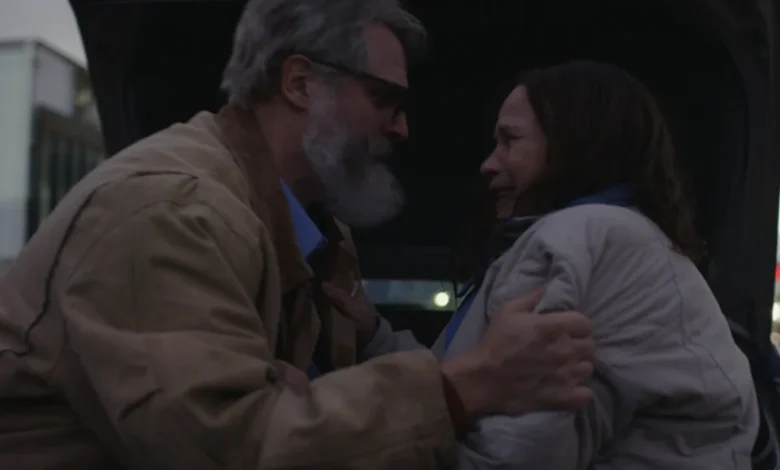
The 2003 “pizza bomber” case remains one of the most bizarre and macabre chapters in American criminal history, a sordid saga of incompetence, greed, and a fatal explosive collar. Now, over two decades after the death of Brian Wells, director Courteney Cox has adapted the notorious events into a feature-length film titled Evil Genius. While the 2018 Netflix documentary series of the same name provided a comprehensive, deep-dive examination of the investigation, Cox’s cinematic interpretation opts for a tone of heightened, mocking farce. The film, which premiered at the Toronto International Film Festival, attempts to pivot from the documentary’s procedural rigor to a character-driven black comedy, though it ultimately struggles to offer new insights into a story already etched into the public consciousness.
The Anatomy of a Tragedy: A Chronology of the 2003 Erie Heist
The central event of the film—and the tragedy that defined the original investigation—occurred on August 28, 2003. Brian Wells, a 46-year-old pizza delivery driver in Erie, Pennsylvania, was dispatched to a remote address on a bogus delivery call. Upon arrival, he was accosted by individuals who coerced him into robbing a PNC Bank branch. The perpetrators fitted Wells with a sophisticated, homemade explosive collar, claiming it would detonate if he failed to comply with their demands to secure $250,000.
Following the botched robbery, during which Wells emerged with only a small fraction of the requested cash, he was apprehended by local law enforcement. As police prepared to interrogate him, the device—a complex assembly of kitchen timers and wires—detonated, killing Wells instantly. The subsequent investigation spanned years, eventually drawing in the FBI, the ATF, and a complex network of local conspirators, most notably Marjorie Diehl-Armstrong and Bill Rothstein.
The cinematic timeline, penned by Courtenay Miles, diverges from the linear progression of the documentary. Rather than focusing solely on the heist, the film attempts to weave together a narrative that begins with an unrelated murder: the discovery of a body in a freezer, which eventually ties back to the broader, tangled web of Diehl-Armstrong and Rothstein. By jumping between the heist and these peripheral criminal activities, the film seeks to frame the entire sequence as a chaotic, interconnected farce, though the compression of a years-long investigation into a 97-minute runtime results in a fragmented narrative pace.
Characterization and Performance: A Polarizing Approach
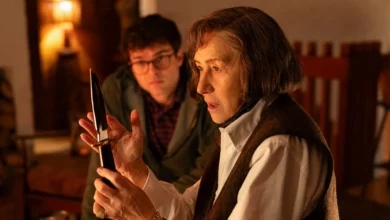
At the heart of the film’s narrative is the relationship between Marjorie Diehl-Armstrong, played by Patricia Arquette, and Bill Rothstein, portrayed by David Harbour. Arquette delivers an unmodulated, high-intensity performance, depicting Diehl-Armstrong as an embittered and volatile figure. The script attempts to provide psychological depth through flashbacks to the character’s youth, featuring Harlow Jane as a younger version of the protagonist, suggesting a path of lost potential. However, the disconnect between these early, ingenuous depictions and the abrasive, cynical caricature seen in the present day leaves a gap in character development that the film fails to bridge.
David Harbour’s portrayal of Bill Rothstein offers a more subdued, albeit shambling, counterpoint to Arquette’s performance. Yet, the dynamic between the two is presented primarily through a lens of toxic, shouty dysfunction. By casting these individuals as figures of mockery, the film leans heavily into the irony of its title. The accomplices, including characters played by Garret Dillahunt and Danielle Macdonald, are relegated to the periphery, functioning more as props in an elaborate, ragged sequence of events than as fully realized individuals.
Production and Stylistic Choices
Director Courteney Cox, in her first feature film since 2014’s Just Before I Go, adopts a stark, uncompromising visual style. Cinematographer Eigil Bryld employs harsh, high-contrast lighting and rough framing that emphasizes the grim, unpleasant nature of the subject matter. This visual approach is mirrored in an aggressive sound design, characterized by loud, blunt musical choices that frequently compete with the dialogue.
The film’s aesthetic choices reflect a desire to push away from the traditional, sympathetic storytelling often found in true-crime dramatizations. However, critics have noted that this aesthetic—while consistent—can feel alienating. By casting an already dark story in such an intentionally unflattering light, the film leaves little room for nuance, empathy, or the necessary human context required to understand the motivations of those involved.
Fact-Based Analysis and Public Reception
The fascination with the “pizza bomber” case has persisted for over 20 years, largely due to the sheer absurdity of the mechanics involved. From a forensic standpoint, the case remains a landmark in bomb disposal history; the device itself was so complex that it took investigators years to fully understand its construction and the roles of the various participants. The FBI’s eventual conclusion—that Diehl-Armstrong was a central, manipulative figure in a loosely organized group of conspirators—was based on thousands of hours of interviews, wiretaps, and forensic analysis.
Given this extensive public record, the film faces a significant hurdle: the audience’s preexisting knowledge. Many viewers have already engaged with the narrative through the 2018 documentary, which allowed for a more granular, evidence-based exploration of the conspiracy. As a result, the film serves less as a revelation and more as a stylistic reinterpretation. While it may appeal to a demographic interested in dramatized crime, its premiere at a gala setting like the Toronto International Film Festival has sparked debate about whether the story—as a piece of entertainment—possesses enough substance to stand apart from its nonfiction predecessor.
Broader Implications: True Crime in the Streaming Era
The decision to approach this case through a comedic, satirical lens highlights a growing trend in the true-crime genre. As streaming platforms continue to dominate the landscape, producers are increasingly tasked with finding ways to revitalize well-known cases. However, the shift from investigative documentary to broad farce raises ethical questions regarding the portrayal of real-world tragedies.
While the film attempts to distance itself from the victims of the case by focusing on the absurdity of the perpetrators, the loss of life remains a sobering reality that the film’s stylistic choices often overlook. The "Evil Genius" moniker, while accurate in describing the public’s perception of the heist’s planning, serves as a reminder of how quickly historical events can be distilled into tropes for consumption.
In the current media climate, the film’s greatest asset may indeed be its potential as streaming fodder. While it may struggle to justify a theatrical release for audiences already familiar with the story, it offers a high-profile performance from Arquette that could resonate with viewers seeking a stylized, punchy take on a familiar headline. Ultimately, the film stands as a testament to the enduring, if morbid, public interest in the Erie tragedy, even as it struggles to add meaningful value to the already exhaustive body of work surrounding the case. As the film moves toward wider release, its success will likely depend on whether audiences are willing to trade the empathetic, procedural depth of the original documentary for the abrasive, lurid glee of a dark comedy.
Related posts: