Michelangelo’s David Undergoes a Historic Transformation Through Revolutionary Lighting Technology

For over five centuries, Michelangelo’s David has stood as the quintessential icon of the Italian Renaissance, a towering marble manifestation of human perfection and artistic mastery. Housed in the Accademia Gallery in Florence, the sculpture has remained a stationary focal point for millions of international visitors. However, the post-pandemic era has brought a profound change to how this masterpiece—and its surrounding collection—is perceived. Through a sophisticated, state-of-the-art lighting overhaul, the Accademia has unveiled a new visual experience that reveals anatomical details previously obscured by decades of suboptimal illumination.
The transformation, which reached its completion in September, is part of a comprehensive, multi-year modernization project aimed at revitalizing one of Italy’s most significant cultural institutions. By integrating advanced LED technology and re-evaluating the museum’s interior aesthetics, the Accademia has successfully bridged the gap between its 19th-century architecture and 21st-century conservation standards.
A New Light on an Ancient Masterpiece
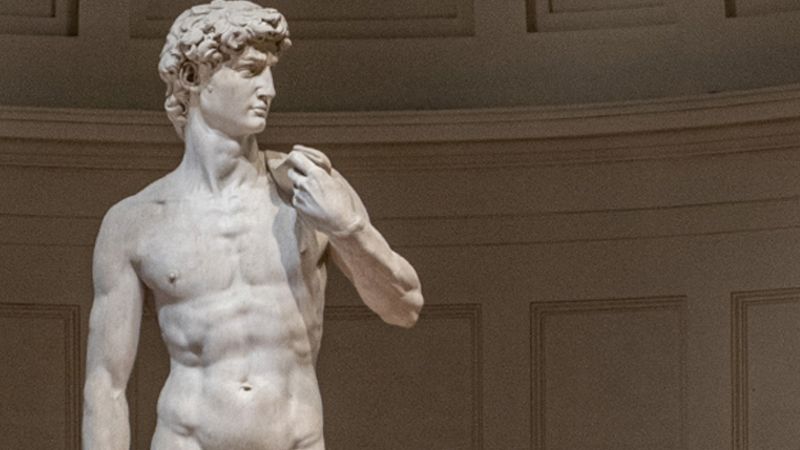
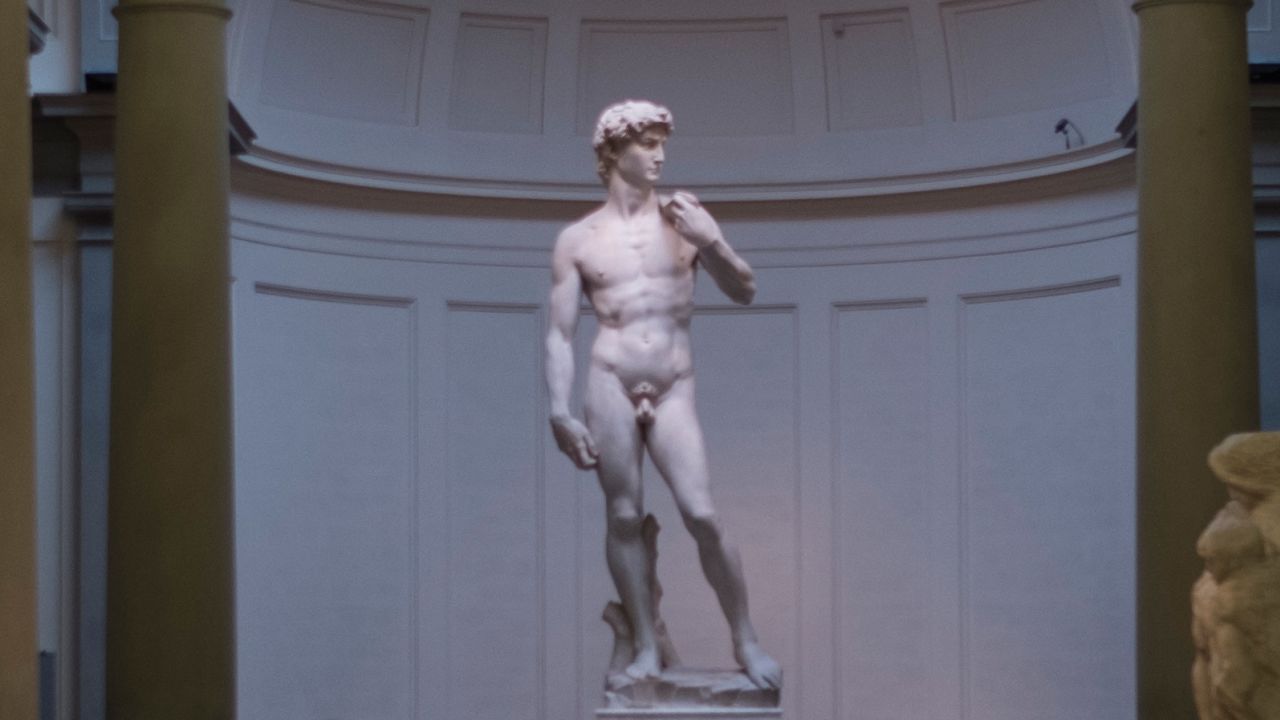
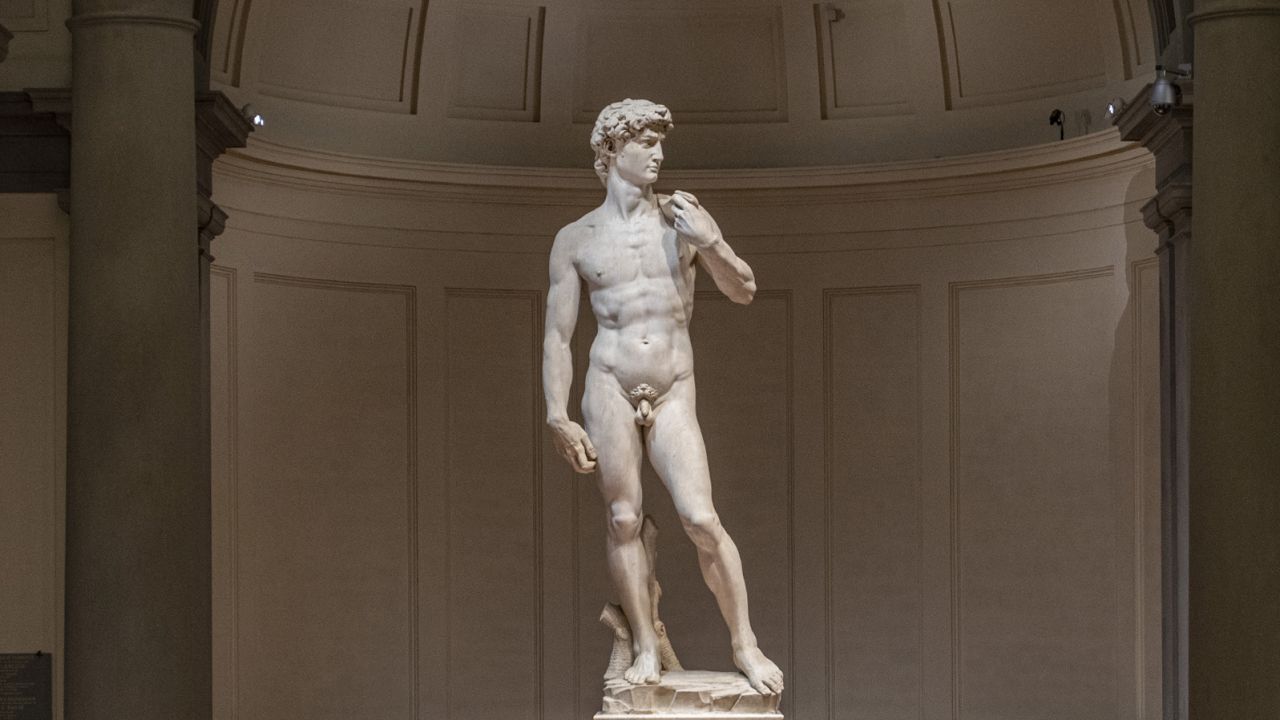
The core of this renovation focuses on the Tribuna, the domed, light-filled space designed specifically to showcase the David. Previously, the lighting in the hall was static, often failing to highlight the subtle nuances of the Carrara marble. The new system, however, utilizes a ring of LED spotlights positioned strategically above the statue. These lights are designed to mimic the natural, shifting quality of sunlight, creating a dynamic environment that changes imperceptibly throughout the day.
Lucia Lazic, a professional guide who frequents the Accademia, noted that the change is not merely technical but transformative for the viewer. "A few days ago, I noticed muscles on the body that I’d never seen before," Lazic remarked. "The lighting is much better on the David. I said, ‘What on earth? How have I never seen this?’"
The director of the Accademia Gallery, Cecilie Hollberg, has championed this project as a fundamental shift in the museum’s curatorial philosophy. According to Hollberg, the new illumination does more than simply brighten the room; it alters the visual perception of the marble, making it appear "whiter" and bringing out minute, previously invisible chisel marks that document the intensity of Michelangelo’s labor. By focusing the light solely on the statue, the system also serves to isolate the David from the background, creating a more intimate and singular experience for the spectator.
The Chronology of Modernization
The Accademia’s path toward this modernization began in the shadow of the COVID-19 pandemic. When global travel ground to a halt in 2020, museums were forced to close their doors. For the Accademia, which was Italy’s second most-visited museum in 2019, this hiatus provided a rare, uninterrupted window to conduct structural and aesthetic upgrades that would have been logistically impossible during peak tourist seasons.
The project was rolled out in phases. Initial efforts focused on the "prisoners corridor" (Galleria dei Prigioni), which houses Michelangelo’s four unfinished "Prisoners" (Slaves). These sculptures, trapped within the rough-hewn stone, were previously poorly lit, often appearing yellowish and dull. The new lighting array has effectively corrected the color temperature, aligning the visual appearance of these works with the pristine white of the David.
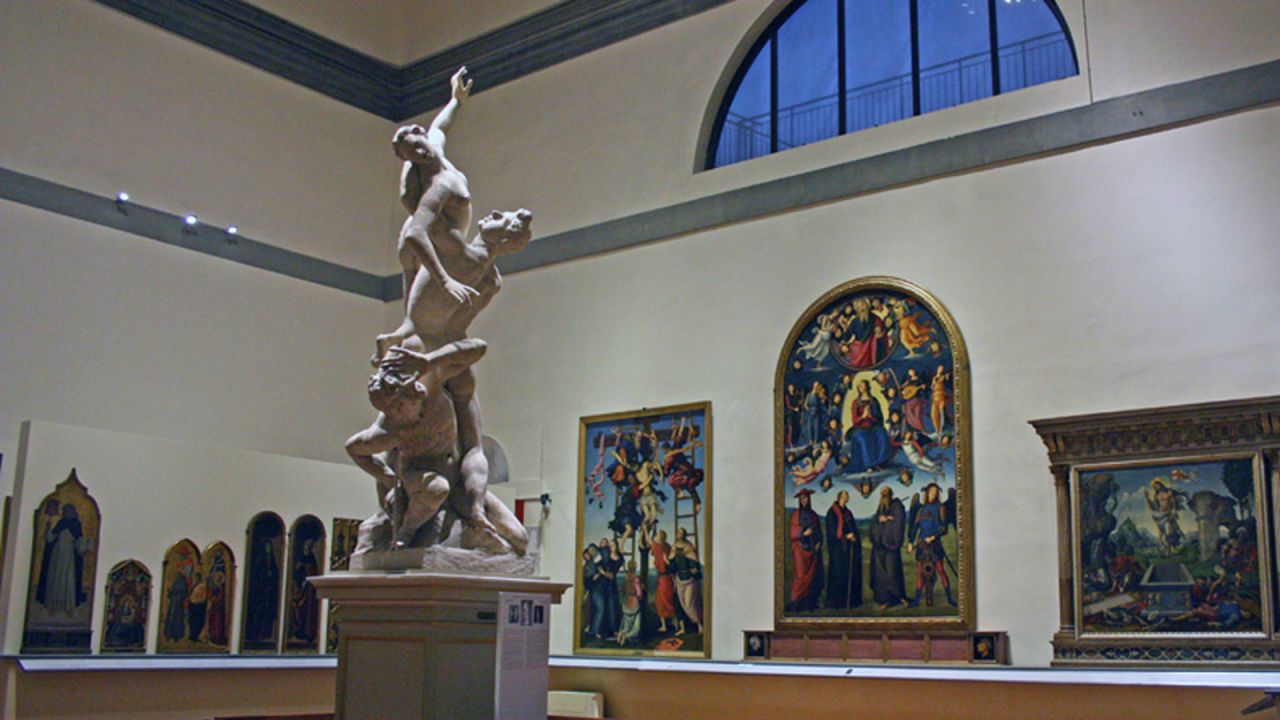
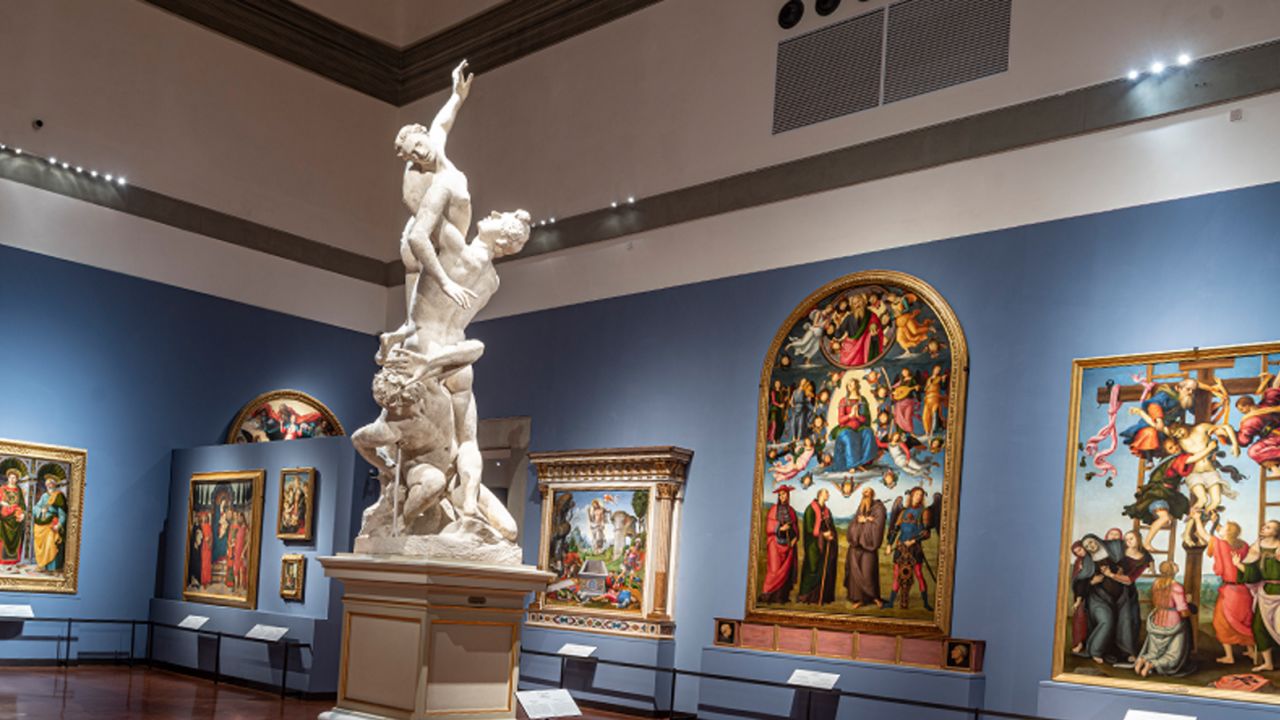
By 2022, the final phase of the project commenced with the renovation of the Gipsoteca, the museum’s plaster cast gallery. Historically, the Gipsoteca was a neglected space, often closing at midday during the summer months due to a lack of air conditioning and proper climate control. The modern renovation has equipped the gallery with climate regulation and a redesigned layout for its 414 plaster casts, largely created by the neoclassical sculptor Lorenzo Bartolini.
Data-Driven Aesthetics and Energy Efficiency
Beyond the visual improvements, the renovation serves a secondary, equally critical purpose: sustainability. The transition to advanced LED technology has resulted in a significant reduction in the museum’s carbon footprint. Hollberg estimates that the new lighting system consumes roughly 80% less electricity than the legacy systems it replaced. This efficiency aligns with the European Union’s broader mandates for heritage sites to reduce energy consumption without compromising the preservation or display of cultural assets.
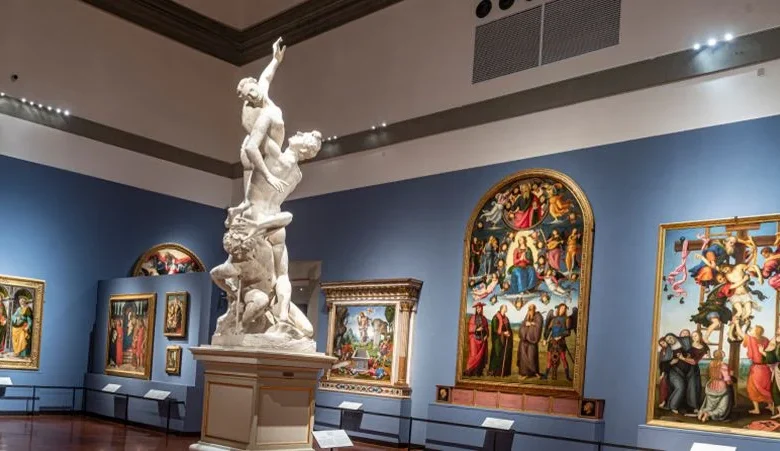
The museum’s strategy also involved a radical departure from the traditional "neutral" museum aesthetic. Previously, many of the gallery’s rooms featured beige walls that tended to flatten the depth of paintings and absorb natural light. In an effort to maximize the impact of the art, the Accademia has introduced color-coded walls. The Sala del Colosso, the museum’s entrance hall, has been repainted in a vibrant, deep blue, while the 13th and 14th-century rooms have been updated to a pale green.
The results of these color choices are tangible. In the works of Domenico Ghirlandaio, for instance, the gold in the saints’ halos—once muted by the beige backdrop—now shines with renewed clarity. "My job is to give value and visibility to all the works," Hollberg explained. "Every single work here is a masterpiece, but works die on a beige background—they need to be lifted and supported by color."

Redistributing the Crowds: A Societal Shift
One of the most unintended, yet welcome, consequences of the renovation is the redistribution of visitor flow. Historically, tourists tended to rush through the side rooms of the Accademia, treating the peripheral collections as mere corridors leading to the David. By enhancing the lighting and presentation of these secondary rooms, the museum has successfully encouraged visitors to linger.
"Now they stop and look," says Hollberg. "They’re not all in front of the David like before. I’ve followed groups, and they used to cut through the Sala del Colosso and never stop. Now I see that room full of visitors—it’s redistributing the crowds."
This observation is supported by onsite staff and guides who have noted a shift in visitor engagement. The "treasure hunt" aspect of the museum has been restored; where once a guide might have needed a phone torch to point out a specific detail in a dim corner, the current illumination makes the artistry accessible to all.
Official Responses and Future Implications
The Italian Ministry of Culture has lauded the project as a model for how heritage sites can evolve. Minister of Culture Dario Franceschini described the reopening of the Gipsoteca as a vital step in bringing the Accademia into the 21st century. The project is seen as a successful exercise in "non-intrusive modernization," ensuring that the historical integrity of the building is maintained while its operational and aesthetic capabilities are elevated.
The broader implications for Italian tourism are significant. As Florence continues to recover from the economic shocks of the pandemic, the Accademia is attempting to foster a more sustainable model of tourism. By creating a museum that encourages longer stays and deeper appreciation of the entire collection—rather than a "hit-and-run" visit to see a single statue—the institution is effectively managing its capacity and enhancing the quality of the visitor experience.
Furthermore, the efforts to engage local residents have shown early signs of success. Through initiatives like concert series hosted within the gallery, the Accademia is working to reclaim its status as a local cultural hub rather than solely a tourist destination. This community-focused approach ensures that the museum remains relevant to the people of Florence, fostering a sense of ownership that transcends the seasonal influx of international travelers.
Conclusion
The renovation of the Accademia Gallery serves as a testament to the idea that even the most famous artworks in the world can be rediscovered. By combining technological precision with a sophisticated understanding of art history and display, the gallery has revitalized the experience of encountering Michelangelo. The David remains the centerpiece, but through the judicious application of light and color, the museum has transformed from a place where people look, into a place where they truly see. As the project concludes, it leaves behind a legacy of innovation that will likely influence how other major museums approach their own collections in the coming decades. The "new" Accademia does not change the art; it simply ensures that the art is finally allowed to speak for itself, illuminated in all its intended glory.