
Modern society operates under the assumption of uninterrupted electrical power and ubiquitous telecommunications. From financial transactions and emergency services to basic daily coordination, people rely heavily on continuous digital connectivity. However, severe weather events, infrastructure aging, cyber threats, and physical accidents regularly expose the fragility of local power grids and cellular networks. When a localized grid collapse takes down Wi-Fi routers and local cell towers, individuals frequently find themselves isolated and uncertain of how to reach family members or obtain critical updates.
Preparing for such scenarios requires understanding both the built-in capabilities of modern consumer electronics and the external emergency equipment available on the market. By establishing proactive communication protocols and investing in reliable backup power systems, households can maintain vital lifelines even when standard municipal infrastructure fails.
Understanding Local Grid Failures and Infrastructure Vulnerabilities
Power grid outages typically fall into distinct categories, ranging from rolling brownouts lasting a few hours to severe infrastructural failures that can leave entire communities without electricity for days or weeks. When evaluating emergency preparedness, experts generally distinguish between global catastrophic failures—which remain statistically rare and would disrupt orbital satellites alongside ground stations—and localized disruptions. A standard localized grid failure usually compromises local substations, regional transmission lines, and internet service provider nodes, while leaving wider national and orbital communication networks functional.

Historically, natural disasters such as major hurricanes, severe ice storms, and wildfires have been the primary drivers of extended local grid collapses. According to data from the U.S. Energy Information Administration (EIA), the frequency of major power outages has risen steadily over the past two decades, driven by extreme weather patterns and increasing demand on aging electrical infrastructure. In these situations, cellular towers often rely on emergency backup generators or battery systems that typically exhaust their fuel reserves within hours to a few days, leading to total loss of local cellular coverage long before municipal power is restored.
Leveraging Built-In Smartphone Technology for Emergency Messaging
For individuals caught in a localized blackout with a modern smartphone acquired within the last three years, several native technologies can bridge the communication gap. Major manufacturers, including Apple, Samsung, and Google, have integrated direct-to-satellite communication capabilities into their flagship operating systems. Because satellite communication requires substantial power and bandwidth, these systems are intentionally restricted to text messaging rather than voice calls or heavy data transfers.
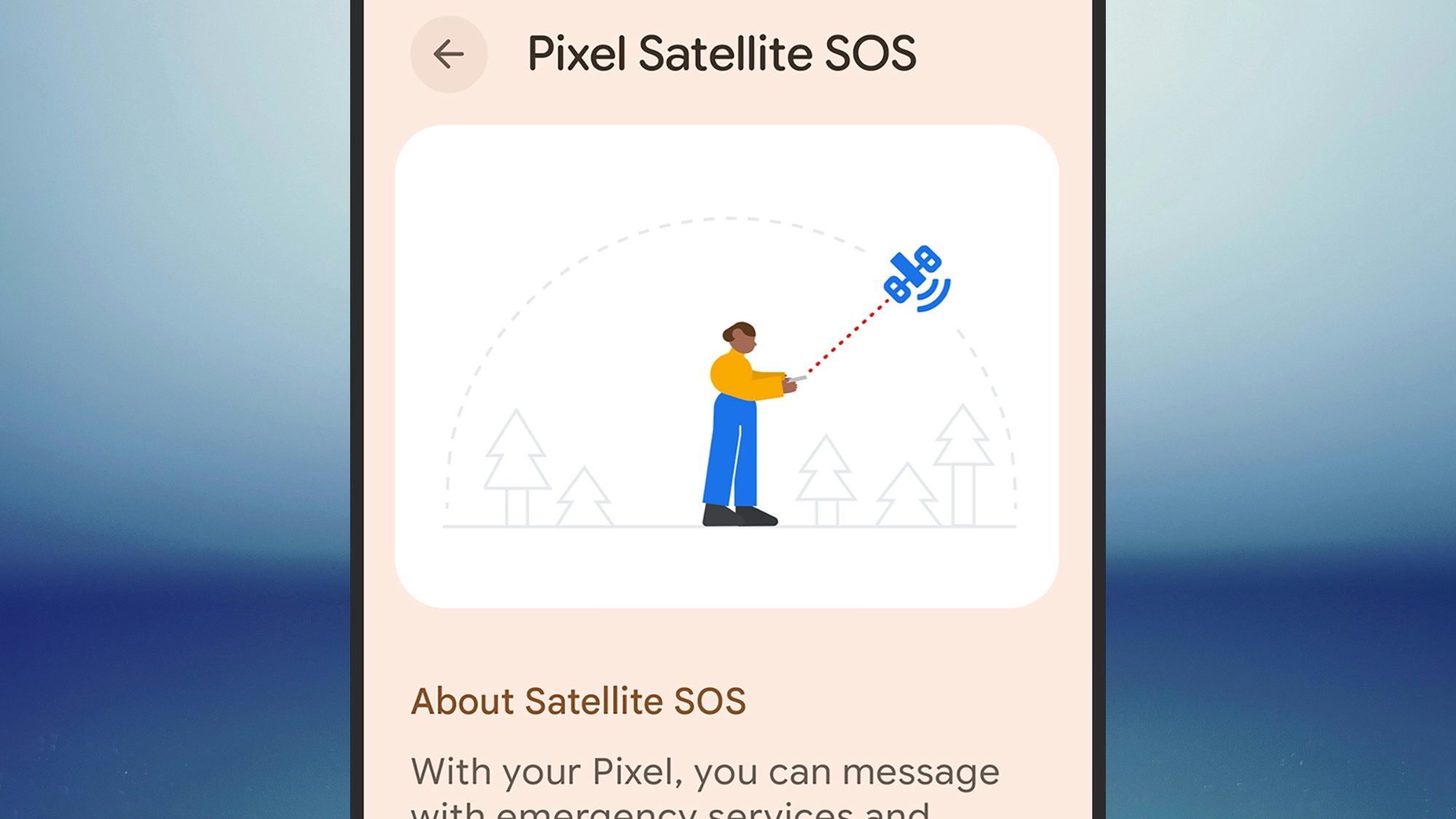
When standard cellular towers go offline, supported devices automatically prompt the user to establish a connection with passing low-earth-orbit satellites. Users do not need to activate special software beforehand; the operating system displays on-screen instructions guiding the user to point the device toward open sky to acquire a satellite signal. To ensure familiarity with the process before an emergency occurs, device owners can test the functionality in advance. On Apple devices, users can navigate to Settings, select Apps, choose Messages, and access the Satellite Connection Demo. Android users can verify functionality through Settings by navigating to Safety and Emergency and selecting Satellite SOS.
Beyond satellite connectivity, users can utilize peer-to-peer messaging applications designed to operate entirely independently of cellular networks and Wi-Fi infrastructure. These applications utilize Bluetooth mesh networking protocols, allowing devices to transmit data sequentially from phone to phone across a localized network. Applications such as Bridgefy, which is available for both Android and iOS platforms, enable users within a roughly 100-meter range to exchange text messages without an internet connection. While limited in geographic reach, mesh applications offer effective neighborhood-level communication during localized emergencies and can be tested during routine outdoor activities such as camping trips.
Alternative Communication Devices for Off-Grid Scenarios
Relying exclusively on smartphones during an extended power outage presents inherent risks, particularly if battery reserves deplete or hardware malfunctions. Consequently, emergency preparedness experts recommend incorporating dedicated off-grid communication devices into household disaster kits.
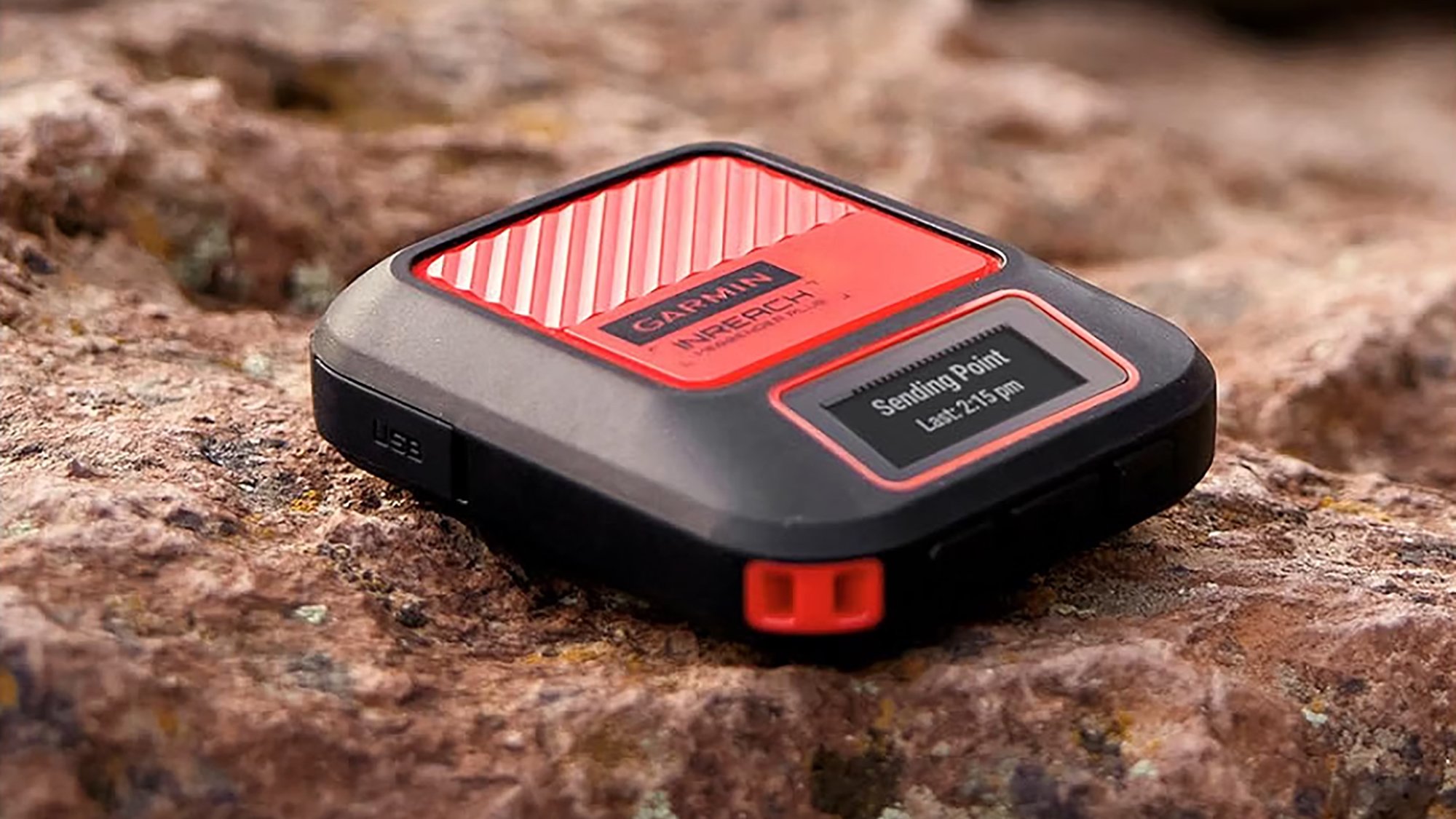
Satellite communicators represent one of the most reliable alternatives for long-range messaging. Devices such as the Garmin InReach Messenger Plus allow users to send text messages and distress signals via commercial satellite networks from virtually any location on Earth, provided the user maintains an active monthly service subscription. These compact units are designed to withstand harsh environmental conditions and boast battery lives that far exceed those of standard smartphones, making them valuable assets during prolonged infrastructure failures.
For shorter-range communication within neighborhoods or family groups, traditional two-way radios—commonly known as walkie-talkies—provide a reliable, subscription-free option. Devices like the Motorola T802 Talkabout operate over standard radio frequencies, offering communication ranges of several miles depending on terrain and environmental obstacles.
Additionally, battery-powered and hand-cranked emergency radios remain essential for receiving broadcast information from emergency management agencies. While these devices do not allow two-way communication, they ensure that households stay informed regarding evacuation orders, weather warnings, and estimated timelines for power grid restoration. Many modern emergency radios also feature integrated solar panels and hand-crank generators, ensuring operation indefinitely without access to electrical outlets.
Power Management and Backup Solutions for Critical Electronics
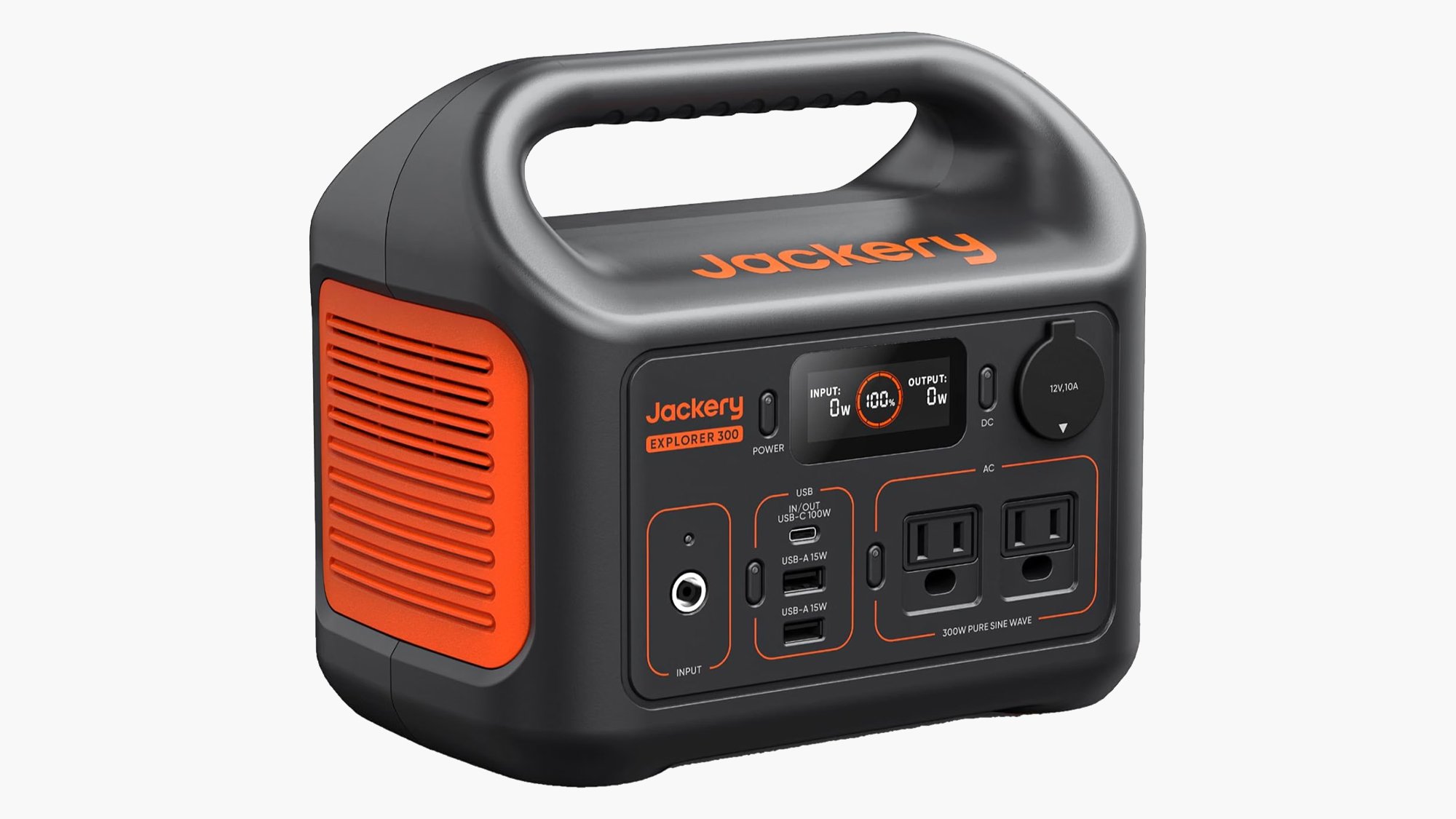
Communication hardware is ineffective without a reliable source of electrical energy. To prevent devices from shutting down during an extended blackout, households increasingly turn to portable power stations and solar generators. Units such as the Jackery Explorer 300 provide stable alternating current (AC) and direct current (DC) outputs capable of recharging smartphones, tablets, radios, and medical devices multiple times.
Experts emphasize that portable power stations must be maintained and charged prior to a predicted emergency event. To mitigate the risk of depleting stored energy during a multi-day outage, many manufacturers offer compatible portable solar panels that allow users to harness sunlight to replenish the power station’s internal lithium-ion batteries off-grid.
When utilizing backup power sources, energy conservation is critical. Users should actively implement power-saving measures across all electronic devices. Standard conservation techniques include lowering display brightness to minimum legible levels, reducing audio output, and enabling device-specific low-power or battery-saver modes. Furthermore, switching devices to airplane mode when active communication is not required prevents radios from continuously searching for absent cellular signals, which is a primary cause of rapid battery drain during outages.
Offline Data Preparation and Digital Readiness
Mitigating the impact of a communication blackout also involves proactive digital preparation during normal operating conditions. When municipal power and broadband internet are fully functional, users should download essential reference materials directly to their local device storage.
Navigational data represents one of the most critical categories of offline information. Major mapping services offer robust offline capabilities; both Google Maps and Apple Maps allow users to download comprehensive regional maps directly to device storage. On Google Maps, users can access this feature by navigating to Settings and selecting Offline Maps, while Apple Maps users can initiate downloads through their user profile picture under the Offline Maps menu. Having pre-downloaded maps ensures that navigation remains functional even when GPS-assisted cellular data networks are completely disabled.
Broader Implications and Institutional Preparedness
The increasing frequency of grid disruptions has prompted municipal governments, utility providers, and telecommunications companies to reevaluate disaster recovery frameworks. Telecommunications regulators in several jurisdictions are introducing stricter mandates for cellular providers to maintain minimum backup power durations at cell sites, aiming to prevent the premature loss of communication networks during severe weather events.
At the same time, emergency management agencies are placing greater emphasis on public education regarding decentralized technology. As reliance on cloud-based infrastructure grows, public awareness campaigns increasingly highlight the importance of hybrid preparedness strategies—combining modern satellite technology with traditional radio communication and robust personal power supplies. By adopting these multi-layered approaches, individuals and communities can significantly enhance their resilience against unforeseen infrastructure failures.
Related posts: