The Allure and Hazards of Vibe Coding: Why DIY AI Tinkering on Everyday Hardware Carries Serious Risks

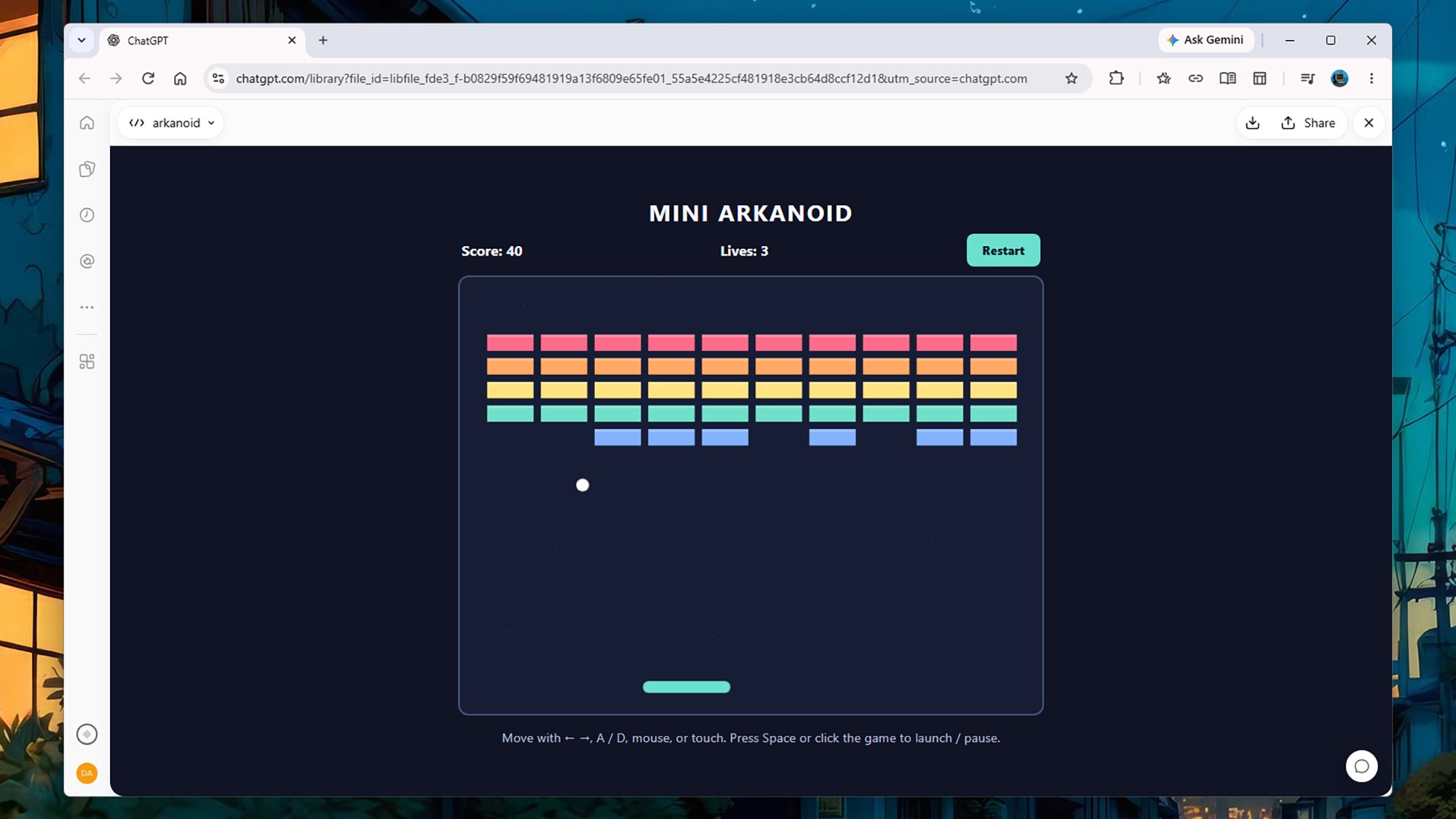
The rapid ascent of generative artificial intelligence models, including OpenAI’s ChatGPT, Google’s Gemini, and Anthropic’s Claude, has ushered in an era colloquially known as "vibe coding." By leveraging natural language processing, this phenomenon empowers individuals with little to no programming background to create functioning software applications simply by describing their desired outcomes in conversational English.
While the technique has democratized software creation—allowing non-programmers to rapidly prototype websites, browser games, and utility apps—the trend has increasingly spilled over into the physical world. Enthusiasts are utilizing AI-generated scripts to tinker with everyday hardware, from vintage vehicles like 1994 Jeep Cherokees to electronic readers like Amazon Kindles.
However, recent reports highlight a growing trend of users deploying AI code to alter modern smart televisions and household appliances. While these demonstrations showcase the remarkable generative capabilities of modern large language models, technology analysts and security experts warn that applying vibe-coded scripts to daily-use consumer electronics poses severe risks, ranging from software bricking to heightened vulnerability to malware.
The Evolution and Mechanics of Vibe Coding
The term "vibe coding" emerged within software development communities to describe a paradigm shift in how code is written. Traditionally, programming requires a meticulous understanding of syntax, logic architecture, debugging protocols, and platform-specific application programming interfaces (APIs). With vibe coding, human users act primarily as directors or product managers, specifying the "vibe" or functional requirements of a program while the AI model handles the backend code generation.
Over the past several years, iterative updates to foundational AI models have significantly reduced error rates in generated code, enabling users to spin up web apps, local database trackers, and customized digital interfaces in minutes. If the initial output contains bugs, users can input corrective prompts—such as "fix the alignment" or "handle null values"—until the application functions as desired.
This accessibility has fueled a surge of grassroots creativity. Non-technical hobbyists have built custom RSS aggregators, personal fitness dashboards, and automated news feeds. Yet, the frictionless nature of generating code has also emboldened users to bypass traditional software boundaries, extending AI-assisted hacking from sandboxed browser environments into physical operating systems.
Turning Smart Devices "Dumb": The TV Tinkering Trend
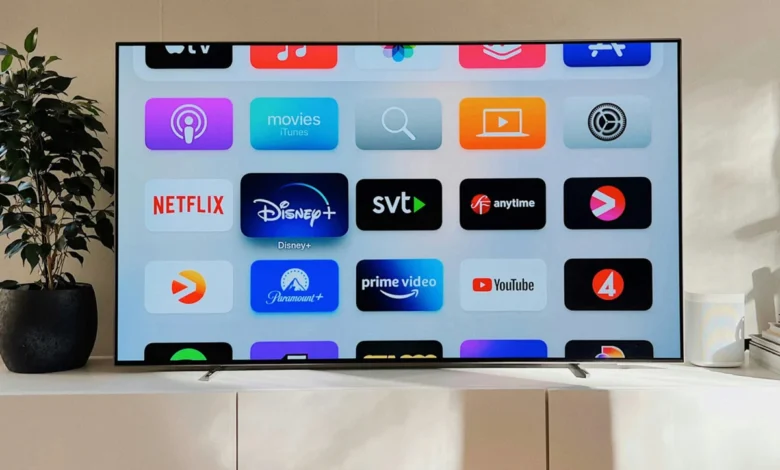
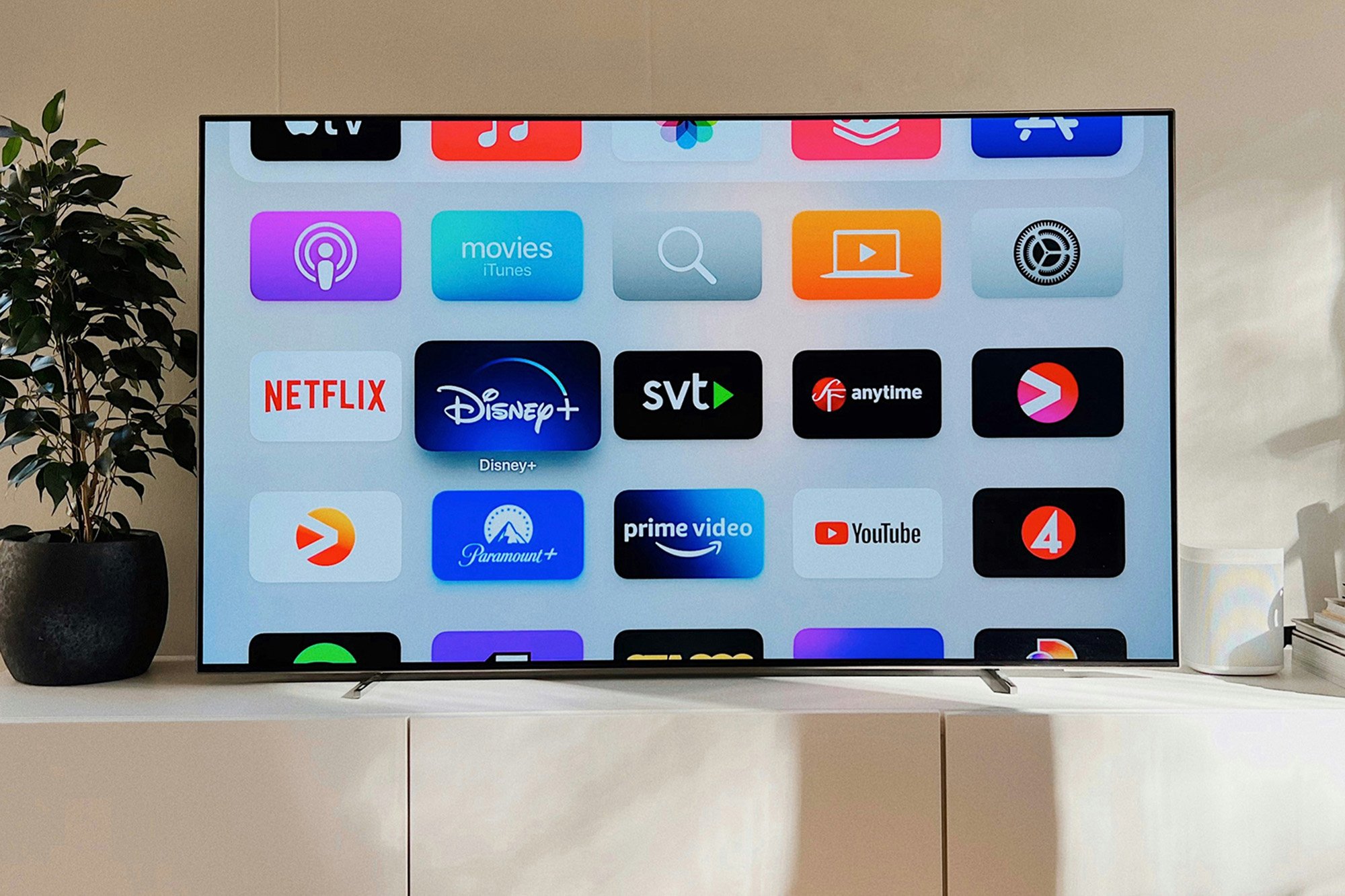
A prominent manifestation of hardware-level vibe coding involves modern smart televisions. According to recent industry reports, consumers increasingly utilize AI-generated code to purge their living room displays of aggressive advertising, sponsored content, and pervasive data-tracking algorithms embedded by manufacturers.
Modern smart TV platforms—such as Google TV, Roku OS, Samsung’s Tizen, and LG’s webOS—rely heavily on monetization strategies that prioritize user data collection and sponsored media placement on the home screen. Frustrated by sluggish performance and unwanted advertisements, users have turned to AI chatbots to write custom launcher scripts, disable telemetry features, and streamline device interfaces.
Despite the immediate satisfaction of achieving a cleaner, ad-free viewing experience, this practice introduces profound technical vulnerabilities. Unlike a simple web browser script, operating systems governing smart TVs, streaming boxes, routers, and smart speakers are highly complex, proprietary ecosystems. When an AI model is tasked with modifying a device it does not fully understand, it frequently hallucinates commands, relies on outdated libraries, or makes dangerous assumptions about system architecture.
Risks and Technical Implications: Bricking, Bugs, and Security Flaws
The primary danger of vibe coding physical hardware lies in the invisible debt of unverified code. When a professional software engineering team builds a firmware modification, it undergoes rigorous testing for memory leaks, security flaws, and regression bugs. Conversely, AI-generated scripts often contain logical inconsistencies that may remain dormant until triggered by a specific system update or hardware state.
Security researchers emphasize three primary risks associated with hardware-level vibe coding:

- Device Bricking: Hardware operating systems require precise initialization sequences. An incorrect script executed via a root shell or an unauthorized sideloaded application can corrupt the bootloader, rendering the device permanently inoperable—a phenomenon known as "bricking."
- Security Vulnerabilities: AI models are trained on vast corpuses of public code, which frequently include insecure programming practices, deprecated functions, and unpatched vulnerabilities. Introducing AI-generated scripts into networked devices—such as smart TVs or connected thermostats—can inadvertently create backdoors, allowing malicious actors on the local network to intercept data or execute arbitrary code.
- System Instability: Attempting to strip out native advertising modules can inadvertently disable core system dependencies. This often results in endless reboot loops, broken streaming application integrations, or catastrophic failures of hardware components like Wi-Fi modules and Bluetooth controllers.
Furthermore, because the user who prompted the AI does not understand the underlying syntax, they lack the diagnostic capability to repair the system when it fails, leaving them entirely dependent on the chatbot to generate a fix—which may only compound the underlying error.
Safer Alternatives for Hardware Customization
For consumers determined to optimize, secure, or streamline their electronic devices without exposing themselves to the perils of raw AI code generation, established community-driven projects offer a safer middle ground. These alternatives provide the desired customizations while maintaining stability, security, and ongoing developer support.
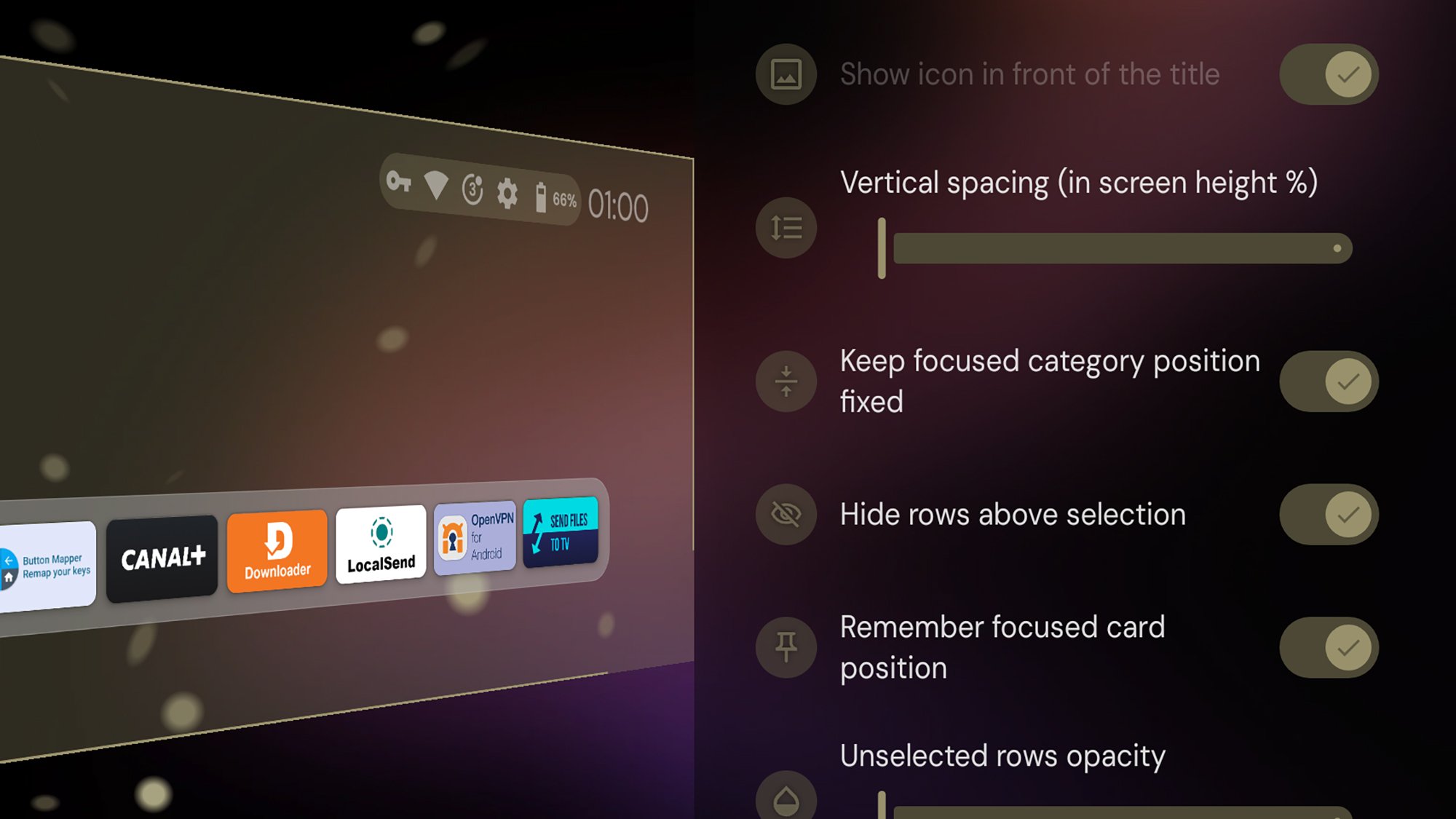
- Alternative Launchers: For users seeking to escape cluttered smart TV interfaces, dedicated third-party launchers offer a reliable solution. Applications like Projectivy Launcher for Google TV provide ad-free, highly customizable home screen replacements built and maintained by developers who specialize in specific platform architectures.
- Open-Source Router Firmware: Home network optimization is frequently sought via custom router modifications. Platforms like OpenWrt are developed by large, collaborative engineering communities that rigorously vet code for security vulnerabilities, ad-blocking efficiency, and network stability. OpenWrt allows users to manage bandwidth, enforce rigorous privacy controls, and integrate virtual private networks (VPNs) at the hardware level safely.
- Centralized Smart Home Management: Rather than writing disparate AI scripts for individual smart home appliances, platforms such as Home Assistant offer an open-source, highly capable hub for local automation. Backed by extensive documentation and active developer communities, Home Assistant grants users advanced control over connected ecosystems without compromising device security.
Broader Industry Impact and Future Outlook
The tension between consumer desire for device autonomy and corporate-controlled software ecosystems highlights a growing flashpoint in consumer technology. As manufacturers increasingly monetize hardware through user interfaces, subscriptions, and data harvesting, consumer resistance will likely intensify.
Simultaneously, the legal and ethical landscape surrounding AI-generated code continues to evolve. Major technology and media publishers—including Ziff Davis, the parent company of Popular Science, which filed a copyright infringement lawsuit against OpenAI in April 2025—are actively challenging the unauthorized ingestion of proprietary data used to train foundational AI models. These legal battles underscore the growing scrutiny facing artificial intelligence developers across all sectors of the digital economy.
Ultimately, while vibe coding represents a monumental leap forward in democratizing software development for digital playgrounds and web applications, its application to physical infrastructure remains a high-stakes gamble. Until AI models achieve infallible system comprehension, consumers are advised to channel their desire for customization through vetted, community-supported platforms rather than rolling the dice on unverified conversational code.