MIT Engineers Unveil BIOSENTER: A Soft Robotic Worm Designed to Revolutionize Small Intestine Diagnostics and Treatment

Navigating the intricate, tightly coiled labyrinth of the human gastrointestinal tract has long presented one of the most formidable challenges in modern gastroenterology. While medical imaging technologies such as computed tomography (CT) scans, magnetic resonance imaging (MRI), and traditional colonoscopies have transformed the landscape of early disease detection, the small intestine has stubbornly remained a blind spot for clinicians. Spanning roughly 20 feet in length yet compressed into a tight abdominal cavity, this vital organ is notoriously difficult to examine comprehensively.
To bridge this diagnostic gap, a team of biomedical engineers and roboticists at the Massachusetts Institute of Technology (MIT) has developed an innovative solution inspired by nature’s most efficient subterranean travelers: the earthworm and the snake. Detailed in a recent publication in the journal Science Robotics, their creation—a soft, autonomous robotic system named BIOSENTER—promises to replace cumbersome traditional procedures with a gentler, more efficient, and highly versatile method for evaluating and treating disorders deep within the human gut.
The Engineering Marvel of BIOSENTER
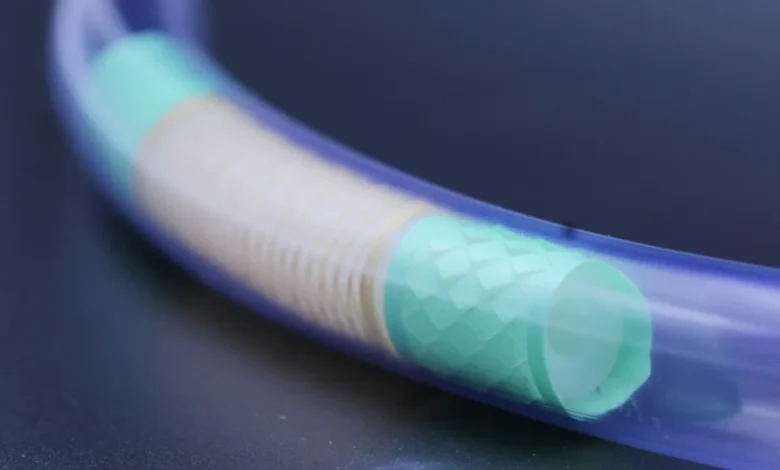
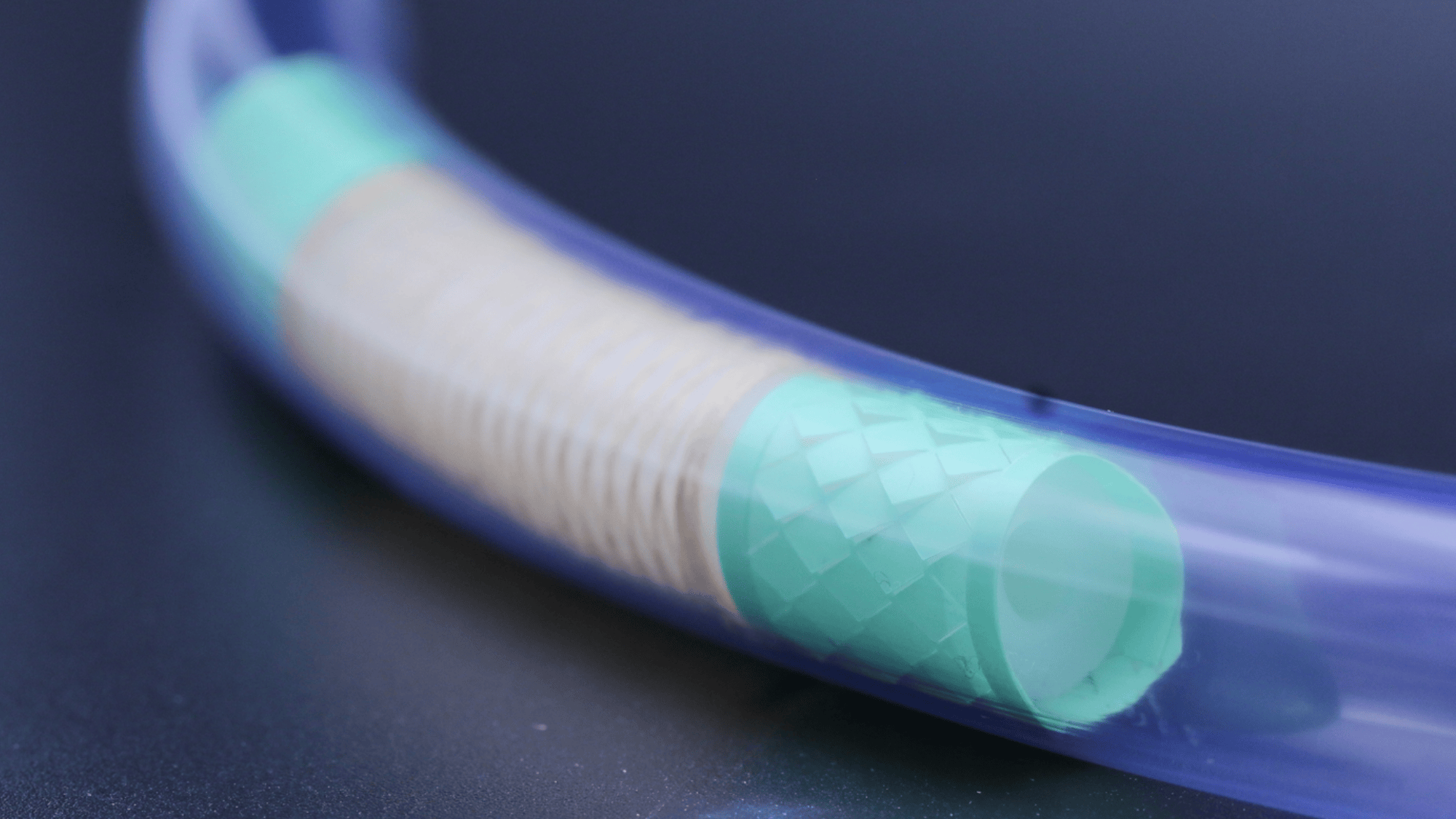
BIOSENTER is a soft, rubbery, hollow robot measuring approximately 3.7 inches in length with a diameter of roughly half an inch. Despite its modest dimensions, the device is packed with advanced engineering features designed to safely negotiate the delicate, slippery corridors of the human digestive system.
The mechanics of BIOSENTER draw heavily from biomimicry. Snakes and earthworms do not rely on rigid skeletons or wheels to move; instead, they generate forward momentum through the rhythmic, alternating contraction and relaxation of muscular chambers along their bodies. The MIT research team replicated this biological locomotion by integrating four distinct inflatable chambers into the walls of the robot’s tubular frame. By pumping air through these chambers in carefully coordinated sequences, the robot can gracefully inch forward, bend to navigate curves, and change directions without damaging surrounding tissue.
Furthermore, the exterior of the robot is engineered with a textured, scale-like coating designed to optimize surface friction. To solve the perennial problem of maintaining traction in a wet, mobile environment, the engineers incorporated expandable sections at the robot’s head and tail inspired by kirigami—the traditional Japanese art of paper folding and cutting. These inflatable anchoring segments alternately grip and release the intestinal walls, allowing the robot to brace itself and pull its body forward incrementally, much like a climber scaling a rope.
Housed within BIOSENTER’s hollow core is an array of clinical micro-instruments. The device carries high-resolution micro-cameras for real-time optical diagnostics, a fluid delivery system capable of spraying targeted therapeutics directly onto lesions, and miniature biopsy clippers designed to excise tiny tissue samples for pathological analysis. While the robot is engineered to navigate largely on its own, it can also be teleoperated by medical professionals using a precision handheld controller, offering a hybrid approach that combines autonomous pathfinding with human oversight.
Overcoming the Limitations of Double-Balloon Enteroscopy
The clinical necessity for a device like BIOSENTER becomes apparent when examining the limitations of current diagnostic standards. For decades, the primary method for investigating abnormalities in the small intestine—such as obscure gastrointestinal bleeding, Crohn’s disease lesions, inflammatory strictures, and early-stage malignancies—has been double-balloon enteroscopy.
This procedure requires a gastroenterologist to manually thread a long, flexible endoscope through the digestive tract by repeatedly inflating and deflating two specialized balloons attached to the scope. While double-balloon enteroscopy is effective, it is exceptionally labor-intensive, physically demanding for the operator, and time-consuming, often taking hours to traverse significant lengths of the small intestine. Moreover, the procedure carries inherent risks of patient discomfort and mucosal trauma due to the mechanical force required to advance the scope.
With rates of gastrointestinal diseases and early-onset colorectal and intestinal cancers steadily rising globally, healthcare systems face an escalating demand for faster, safer, and more scalable diagnostic tools. The ability to evaluate a 20-to-25-foot segment of the small intestine rapidly and autonomously could fundamentally transform clinical workflows.
“The fundamental challenge that we’re trying to overcome is how to evaluate that 20-to-25-foot segment of the small intestine in a way that can be more automated,” explained Dr. Giovanni Traverso, a mechanical engineer at MIT and co-author of the study, in an institutional statement.
Ahmad Mujtaba Jebran, an MIT graduate student involved in the research, emphasized the biomechanical advantages of the robot’s locomotion system. “By using kirigami sleeves to enhance surface friction, the robot can generate localized tissue engagement traction for locomotion without relying on excessive stretching of the delicate small intestinal tissue,” Jebran noted.
Preclinical Testing and the Evolution of Gut Robotics
To evaluate BIOSENTER’s safety and efficacy prior to human clinical trials, the MIT research team conducted comprehensive testing on sedated, living pigs. Because porcine gastrointestinal anatomy closely mirrors that of humans in terms of scale, tissue compliance, and environmental moisture, animal models provide a reliable benchmark for soft robotics in gastroenterology.
During the preclinical trials, BIOSENTER successfully navigated the pigs’ small intestines over test runs lasting approximately 11 minutes. Throughout these trials, the robot autonomously maintained stability, captured high-definition real-time imagery of the mucosal lining, collected precise tissue biopsies without causing structural damage, and successfully delivered localized fluid payloads to designated target zones.

BIOSENTER represents the latest milestone in a rapidly expanding field dedicated to ingestible and navigable medical robotics. In 2021, a separate research group from the University of Macau unveiled a pill-sized, magnetically controlled robot inspired by African spiders. That device utilized a cartwheel motion driven by external magnetic fields, traversing the gastrointestinal tract after being ingested as a capsule and eventually exiting the body naturally.
While capsule endoscopes—pill-sized cameras swallowed by patients—have been used for years to photograph the digestive tract, they suffer from a major limitation: they lack active locomotion. Once swallowed, capsule cameras are entirely at the mercy of natural peristalsis, meaning physicians cannot steer them backward to take a closer look at a suspicious lesion, nor can they administer treatments or take tissue samples on the spot. BIOSENTER bridges this technological gap by combining the maneuverability of an active robotic system with the therapeutic capabilities of a traditional surgical endoscope.
Clinical Implications and Future Outlook
The introduction of soft robotic systems into gastroenterology points toward a future where invasive exploratory surgeries and lengthy endoscopic procedures could be significantly reduced. By minimizing the physical trauma associated with scope insertion, devices like BIOSENTER could shorten patient recovery times, lower procedural costs, and expand access to preventative screenings.
However, transitioning from successful animal trials to widespread human deployment requires navigating significant regulatory, engineering, and clinical hurdles. Researchers must rigorously test the device’s durability, ensure fail-safe mechanisms for retrieval in the event of a tether failure, and conduct extensive human clinical trials to establish standardized safety protocols.
As multidisciplinary teams continue to refine soft robotics, materials science, and micro-instrumentation, the convergence of biology and engineering is unlocking unprecedented capabilities in modern medicine. While the concept of a worm-like robot slithering through the human gut may initially evoke hesitation, innovations like BIOSENTER underscore a transformative reality: sometimes, the most effective path to healing lies in embracing the ingenious mechanics of the natural world.