Historic U.S. Extradition to El Salvador: Dual Citizen Sent Back to Face Aggravated Femicide Charges in 2019 Brutal Slaying

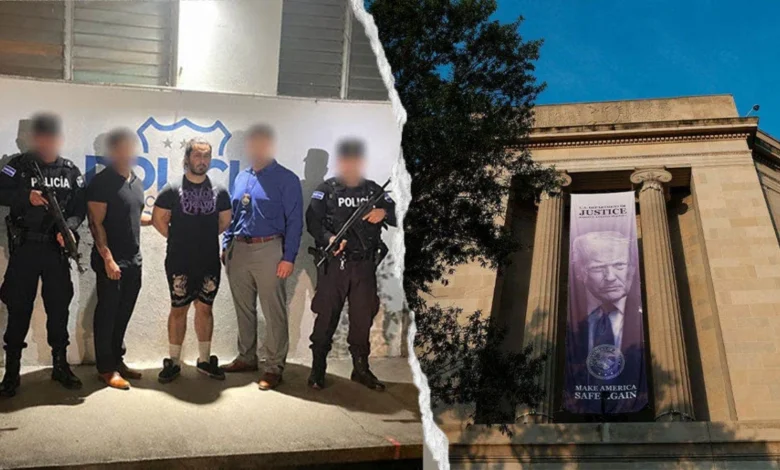
In a landmark legal development that establishes a historic precedent for international law enforcement cooperation, the United States Department of Justice announced the successful extradition of a dual U.S.-Salvadoran citizen to El Salvador. Michael Alejandro Castillo Murga, a 27-year-old resident of Beaumont, California, was transferred to Salvadoran authorities to stand trial for the 2019 murder of the mother of his young child.
The high-profile extradition marks the first time in history that the United States government has surrendered an American citizen to face criminal prosecution for offenses committed within the borders of El Salvador. The operation, executed with the logistical precision of the U.S. Marshals Service, signals a tightening framework of accountability for transnational crimes and underscores a growing commitment by Washington and San Salvador to deny safe havens to violent offenders.
Castillo Murga faces grave charges in his native country, including aggravated femicide and imperfect homicide. The case has drawn intense international scrutiny not only due to the brutal nature of the allegations—which involve the slaying of a 23-year-old woman in the presence of her toddler—but also because of the complex multi-year legal battle, alleged transnational cover-up efforts, and the ultimate diplomatic authorization that cleared the path for his return.
The Chronology of a Brutal Crime and Cover-Up
The tragic sequence of events began on January 31, 2019, in El Salvador. According to investigative findings released by Salvadoran authorities and corroborated by U.S. federal court filings, Castillo Murga visited the home of Melvi Fernanda Nájera Quezada’s mother under the pretense of reuniting their family. He picked up the 23-year-old victim and their young son, promising to embark on a fresh start together.
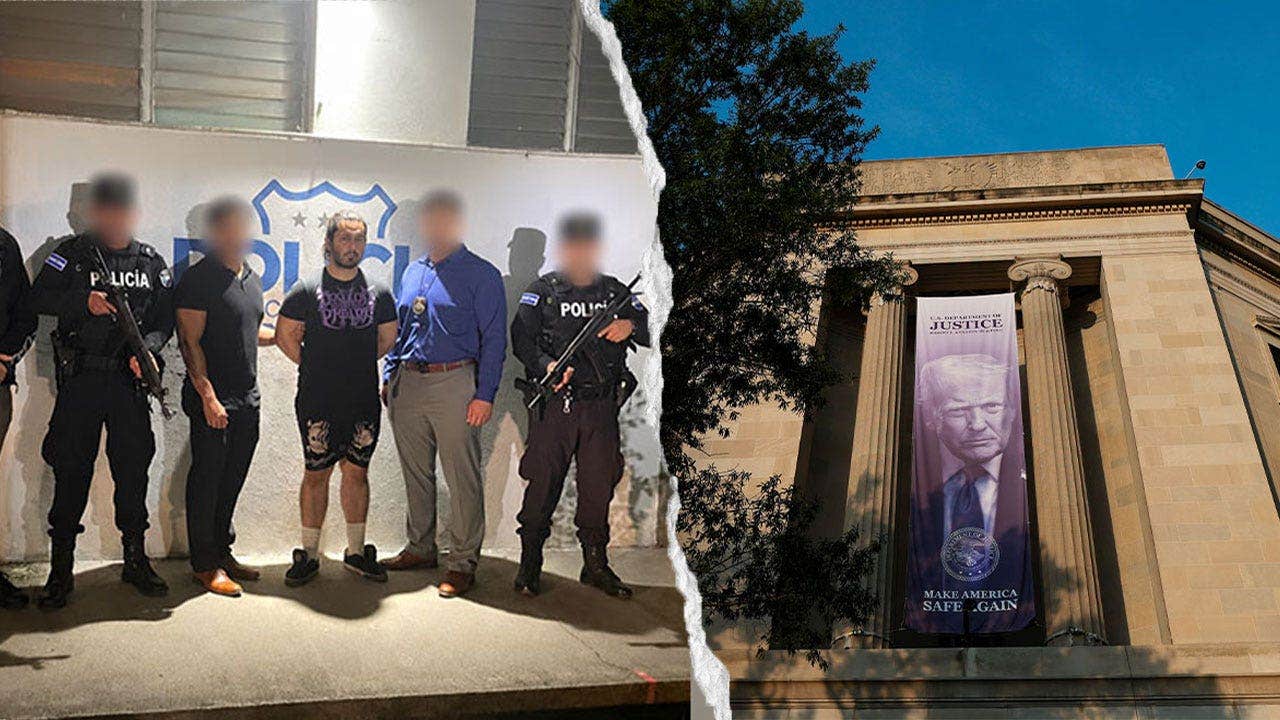
Instead of moving toward a shared future, prosecutors allege that Castillo Murga drove the victims to an isolated location, where he brutally attacked Nájera Quezada. An exhaustive autopsy report later revealed that the young mother suffered catastrophic injuries, dying from severe hemorrhaging caused by deep slash wounds to her neck and other trauma inflicted using a makeshift plastic weapon.
Following the murder, the perpetrator abandoned the couple’s toddler son alone near his mother’s lifeless body. The harrowing scene was discovered by passersby and local law enforcement the following morning, February 1, 2019, near a Salvadoran highway.
Investigators rapidly assembled a compelling chain of physical and digital evidence linking Castillo Murga to the crime scene. Cellphone location data placed him at the exact coordinates of the murder, corroborated by crucial witness testimony. Furthermore, prosecutors revealed that in the immediate aftermath of the killing, Castillo Murga transmitted a photograph to his girlfriend that clearly displayed distinct bloodstains smeared across his face and neck.
Realizing the closing net of law enforcement, Castillo Murga allegedly activated a network of domestic accomplices to thwart the investigation. According to the Department of Justice, Castillo Murga’s grandmother and a local attorney orchestrated an immediate cover-up. They allegedly hired two individuals to meticulously scrub and sanitize both the interior and exterior of Castillo Murga’s vehicle, employing a mixture of water, car shampoo, and household vinegar in an attempt to eradicate forensic traces of blood. Despite these calculated efforts, microscopic forensic evidence remained intact.
With the assistance of his grandmother and legal counsel, Castillo Murga successfully slipped across international borders, fleeing El Salvador for neighboring Guatemala on or around February 2, 2019. From there, he eventually managed to make his way into the United States, utilizing his dual citizenship status to blend into Southern California and evade immediate capture.
The Pursuit, Legal Battles, and Federal Arrest
For years, the case remained an open wound for the victim’s family, even as investigative agencies pursued leads across international boundaries. El Salvador ultimately issued a formal warrant and extradition request for Castillo Murga, prompting the U.S. government to act under bilateral treaty frameworks.
In October 2024, law enforcement closed in. Agents with the U.S. Marshals Service for the Central District of California successfully located and arrested Castillo Murga in Beaumont, California, initiating a protracted legal struggle over his removal.
Faced with the prospect of being sent back to face justice in El Salvador, Castillo Murga launched an aggressive defense, challenging the legality of the extradition in federal court. His defense attorneys argued various technicalities and raised procedural objections to stall the transfer. However, federal jurisprudence firmly rejected his arguments. In November 2025, a federal judge denied his habeas corpus petition, upholding the validity of the extradition request. A subsequent eleventh-hour emergency motion filed by his defense team to halt the physical transfer was definitively rejected in September 2026.
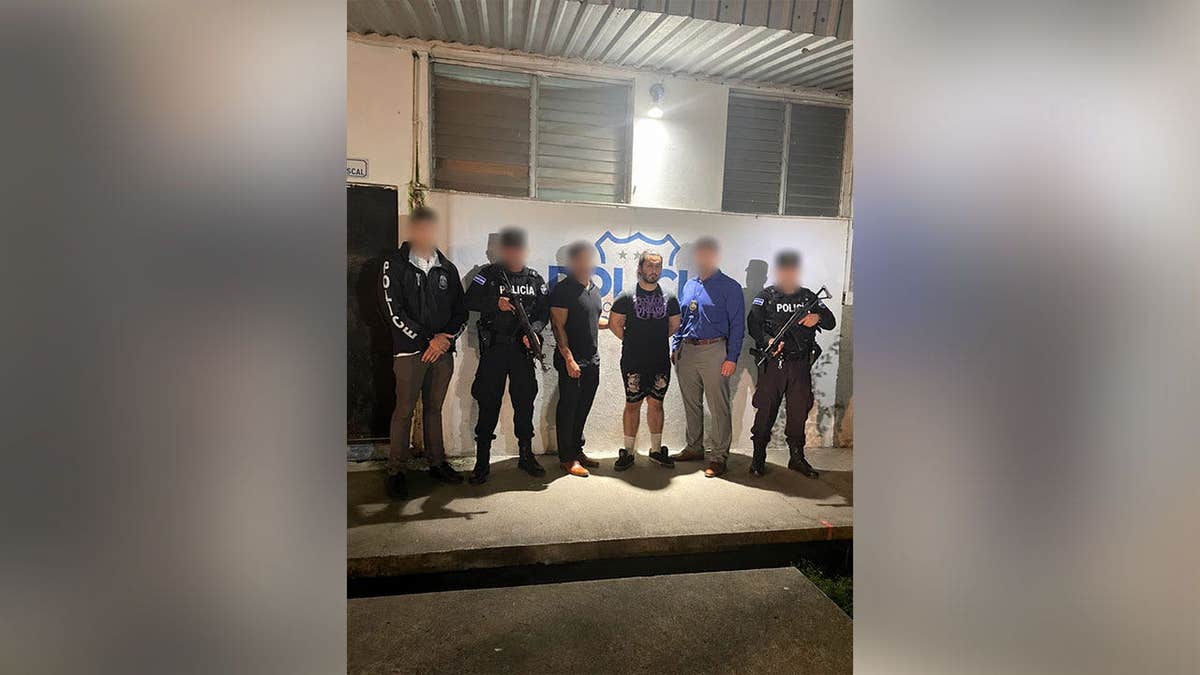
With all judicial avenues exhausted, the final bureaucratic barrier fell when the U.S. Secretary of State formally authorized the surrender. On a Wednesday morning, U.S. Marshals executed the final transfer, handing Castillo Murga over to Salvadoran law enforcement officials to face the long-delayed prosecution.
Broader Implications and Legal Precedents
Legal analysts and international relations experts have emphasized the profound significance of this case. Extraditing U.S. citizens to face trial in foreign jurisdictions has historically been a complex and rare diplomatic undertaking, strictly governed by constitutional protections, individual rights considerations, and bilateral extradition treaties.
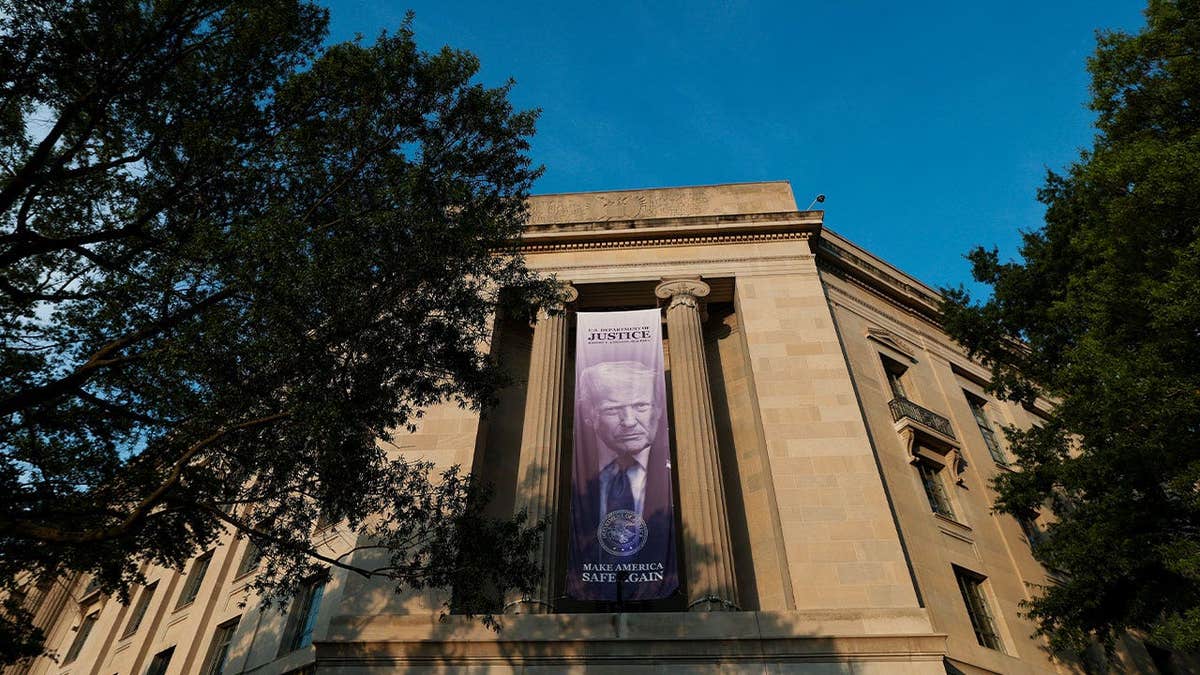
By surrendering a dual citizen holding U.S. nationality for a crime committed abroad, the Department of Justice has signaled a shifting paradigm in international criminal law. The move aligns with an intensifying global push against transnational impunity, where individuals who commit violent crimes in one nation can no longer easily use citizenship status in another to shield themselves from accountability.
Furthermore, the case highlights the expanding role of advanced forensic methodologies, cross-border digital data sharing, and enhanced cooperation between U.S. federal agencies—such as the Department of Justice and the U.S. Marshals Service—and foreign law enforcement bodies like those in El Salvador.
As Castillo Murga prepares to face the Salvadoran judicial system on charges of aggravated femicide and imperfect homicide, the extradition stands as a milestone in legal history. For the family of Melvi Fernanda Nájera Quezada, the transfer represents a crucial, hard-fought step toward securing closure and judicial accountability nearly seven years after a senseless tragedy unfolded on a Salvadoran roadside.