Kansas Senate race reveals deep fractures among farmers as economic crisis grips the heartland

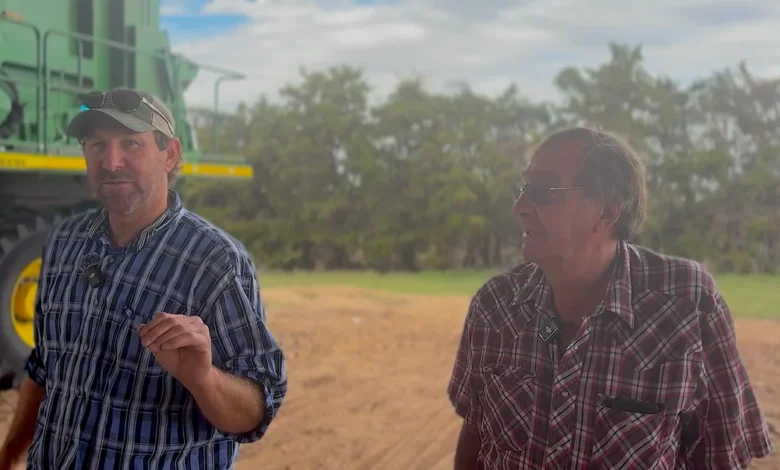
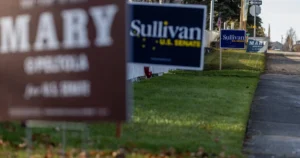
The final stretch of the Kansas Senate race between incumbent Republican Senator Roger Marshall and Democratic challenger Adam Hamilton has laid bare a profound sense of desperation among the state’s agricultural community. As rising operational costs, unfavorable trade conditions, and a prolonged legislative stalemate in Washington collide, the traditionally reliable base of Republican support in rural Kansas is showing signs of unprecedented fragmentation. For families like the Preissers, who have worked the soil for generations, the current economic climate is not merely a political talking point but an existential threat that has forced them to reconsider their long-standing partisan loyalties.
The Anatomy of an Economic Squeeze
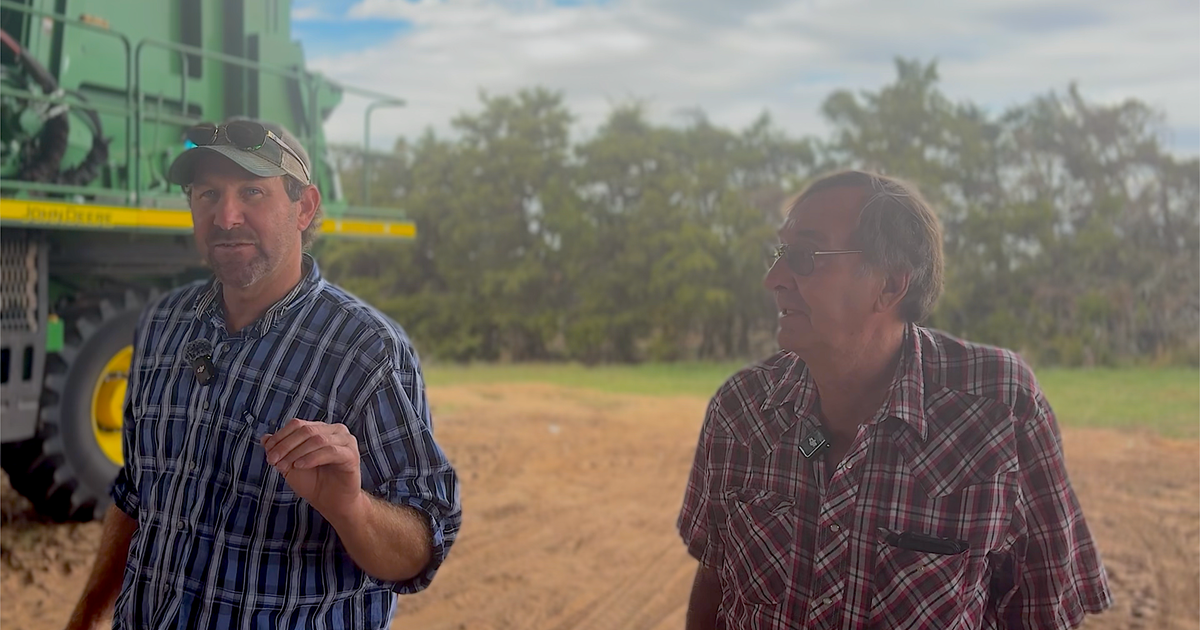
The financial burden facing Kansas farmers in 2026 is multifaceted and severe. For Jeff Preisser, who manages a 6,500-acre operation in Sylvia, Kansas, the math has become increasingly impossible. Internal records provided to CBS News indicate that his farm’s operational expenses surged by $737,375 between 2025 and 2026. This staggering increase is attributed to a volatile convergence of global and domestic factors: fertilizer costs ballooned by over $514,000, while diesel expenditures rose by $187,000, exacerbated by the ongoing conflict in Iran. Furthermore, steel tariffs have driven up the cost of essential machinery parts by $10,000.
Compounding these expenditures is a decline in revenue. A combination of persistent drought conditions has slashed crop yields by 20%, while trade wars have stifled agricultural exports, leading to a $325,000 deficit in year-over-year income. "There’s a lot of pissed-off farmers right now at Trump and Marshall," Jeff Preisser noted. "There’s no more collateral out there. There’s no more money."
A Legislative Stalemate
The frustration within the farming community is heavily directed at the failure of Congress to pass a new Farm Bill. The previous legislation, which served as a critical safety net for crop insurance and rural development, officially expired last month. The bill has been in legislative limbo since 2018, leaving farmers without a updated framework to navigate modern market volatility.
Larry Preisser, who founded the family farm, expressed a profound disillusionment with the Republican leadership. Having historically supported the GOP, he now intends to cast his vote for Adam Hamilton, a pastor whose moderate platform and background as a former Republican have gained traction among disillusioned rural voters. For Larry, the choice is a rejection of the gridlock in Washington. "Two years later, we got no farm bill, nothing," he stated. His decision to support a Democrat for the first time in his life underscores the gravity of the political shift occurring in rural precincts.
Divergent Perspectives in the Heartland
The political divide among Kansas farmers is not monolithic. While the Preisser family views the current administration’s policies as a failure, other producers remain steadfast in their support for Senator Marshall. Mick Roush, a soybean farmer, acknowledges the immense strain on his industry but views the current hardships as temporary sacrifices. For Roush, maintaining a Republican majority in the Senate remains the primary objective, as he fears that a Democratic-controlled Congress would be detrimental to agricultural interests in the long term.
"He’s from farm country," Roush said of Marshall. While acknowledging the rising costs of fuel and the impact of the Iran war, he views these as necessary costs of national security, prioritizing geopolitical stability over immediate domestic fiscal relief. This divide highlights a broader trend: while economic pain is universal across the region, the interpretation of its cause and the preferred solution remains deeply polarized.
Data and Trends: A National Crisis
The situation in Kansas is a microcosm of a national agricultural crisis. According to the National Farm Bureau, farm bankruptcies have continued to climb, rising 46% in 2025 alone. The U.S. Department of Agriculture (USDA) projects that total farm debt will reach a record $624.7 billion in 2026, a figure that signals systemic instability.
The demographic reality of the industry further complicates the outlook. The 2022 Census of Agriculture revealed that the average age of a U.S. farm producer is 58.1, with nearly 40% of farmers aged 65 or older. Many of these producers are reaching the end of their careers with diminished equity and no clear path to retirement, as the value of their land—the traditional "cushion" for bad years—is being eroded by refinancing and debt servicing.
Government Response and the "Band-Aid" Critique
In response to the mounting pressure, President Trump recently announced an $8 billion relief program aimed at providing temporary fuel subsidies to farmers. While the administration frames this as a necessary stopgap to alleviate the immediate burden of rising diesel prices, many in the agricultural community have dismissed the gesture.
"Here’s some money to make you feel better, but we’re not really going to fix the issue of crop prices and fertilizer prices," Jeff Preisser remarked. The sentiment among many farmers is that the relief program addresses symptoms rather than the root causes of the economic decline. Mandi Sieren, Jeff’s sister, echoed this frustration, noting that the priority should be structural reform rather than temporary financial injections. The consensus among these families is that the current system of agricultural pricing, input costs, and global trade instability requires a long-term, bipartisan solution that has yet to be presented.
Broader Implications for the Midterms
The Kansas Senate race serves as a critical indicator of how rural America is processing the current economic landscape. If traditional Republican strongholds begin to favor moderate Democrats—or abstain from voting altogether—it could signal a fundamental shift in the midterms.
A survey conducted by Farm Journal in April found that while farmers still express a higher baseline trust in Republicans regarding industry-specific issues, 73% believe that elected officials, regardless of party, do not understand the realities of their daily lives. This "trust deficit" suggests that the upcoming election may be decided not by traditional partisan loyalty, but by which candidate can more effectively articulate a path toward long-term economic sustainability for the rural sector.
As the election approaches, the fate of many family farms hangs in the balance. For the Preissers and others like them, the question is not just who will represent them in the Senate, but whether the institutions of American government are still capable of responding to the crisis unfolding in the fields. With banks becoming increasingly wary of extending credit and equity depleted, the window for intervention is rapidly closing. The 2026 election will likely be remembered as the moment the agricultural heartland forced a national conversation about the survival of the American family farm.
Related posts: