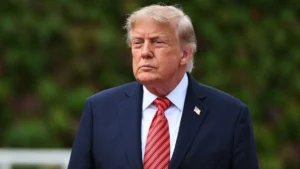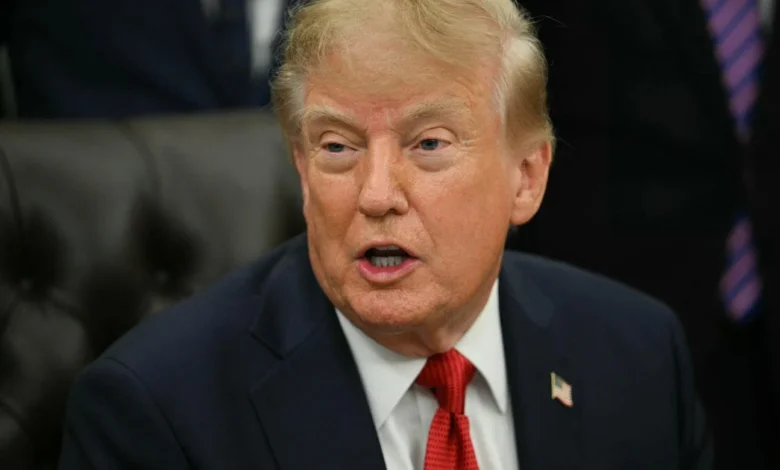
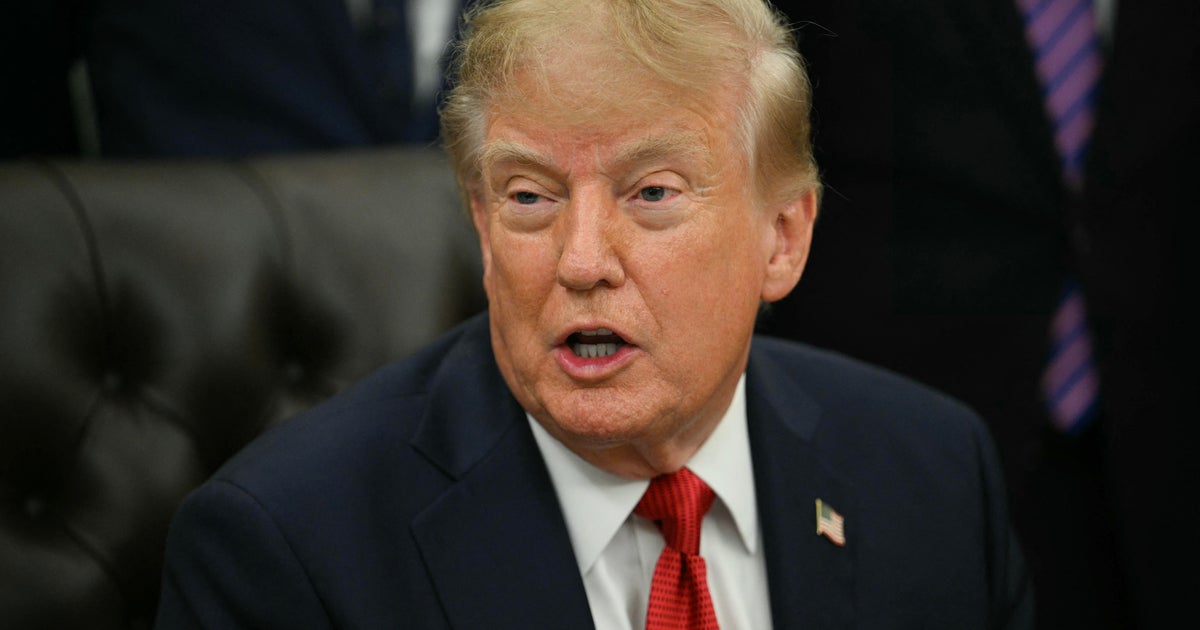
President Trump convened with leaders from the Gulf Cooperation Council (GCC) on the sidelines of the United Nations General Assembly in New York on Tuesday, marking a critical moment in the ongoing seven-month conflict between the United States and Iran. Amidst a backdrop of escalating regional hostilities, the meeting included representatives from Jordan, Saudi Arabia, Qatar, and Turkey. The President characterized the atmosphere as having "a lot of momentum" toward a potential diplomatic deal, emphasizing that his primary focus remains on neutralizing the nuclear threat posed by Iran, rather than political considerations surrounding upcoming midterm elections.
The diplomatic gathering followed a flurry of activity in New York, where U.S. and Iranian officials reportedly engaged in three hours of direct talks earlier in the day. President Trump confirmed the meeting, which included his son-in-law Jared Kushner and special envoy Steve Witkoff, noting that a follow-up session is already scheduled. While specific details of these discussions remain scarce, the engagement suggests a potential pivot from the bellicose rhetoric that dominated the weekend, during which the President publicly contemplated whether to reach a settlement or "annihilate" the Islamic Republic.
A Chronology of Escalation and Diplomacy
The current crisis traces its roots to late February 2026, when initial U.S. and Israeli strikes against Iranian targets triggered a systemic collapse of regional stability. Since that time, the Strait of Hormuz—a vital artery for global energy supplies—has been largely shuttered by Iranian forces, creating a global economic bottleneck.
The timeline of the past 48 hours highlights the volatile duality of current affairs:
- September 20: The U.S. State Department issued security alerts across the Middle East, citing the potential for unforeseen escalation as hostilities between Saudi Arabia and the Iran-backed Houthi movement intensified.
- September 21: Iran’s Revolutionary Guard Corps (IRGC) declared it was prepared for a long-term war, warning that any new U.S. aggression would result in a shift of the conflict’s "weaponry and geography." Simultaneously, reports surfaced that the U.S. had denied visas to members of the Iranian presidential communications team.
- September 22: In a significant development, global oil prices began a downward trend, with Brent crude dipping below $100 per barrel. This shift was fueled by reports that Saudi Arabia had partially restored its crucial East-West Crude Oil Pipeline and that Iran was allegedly floating a conditional proposal to reopen the Strait of Hormuz.
Economic Pressure and Aviation Sanctions
The diplomatic maneuvering occurs under the shadow of aggressive U.S. economic measures. U.S. Treasury Secretary Scott Bessent warned on Monday that Iranian airlines would face a global shutdown effective Wednesday. The sanctions regime is designed to isolate the Iranian aviation sector, with the Treasury threatening to cut off any foreign entity providing fuel, landing services, or ticketing support to Iranian carriers from the U.S. dollar system.
By Tuesday, local media reports indicated that flights from Iran to Baghdad and Muscat were being canceled in anticipation of these measures. While Iran’s state news agency IRNA initially claimed that Iran Air had not received official notification of such bans, the reality on the ground reflects the increasing difficulty for Tehran to maintain international logistical links. China, a key strategic partner for Iran, has publicly criticized these sanctions, terming them "illegal" and "unilateral," a stance that adds another layer of complexity to the upcoming high-level meetings between President Trump and Chinese President Xi Jinping.
The Regional Security Landscape: Yemen and the Houthis
The conflict has expanded significantly beyond the direct U.S.-Iran theater, with the Iran-backed Houthi rebels in Yemen acting as a primary destabilizing force. The Houthis have recently seized large swaths of the Yemeni Red Sea coast, including the strategic port city of Mokha, effectively threatening maritime traffic in the Bab el-Mandeb Strait.
The U.K. government announced on Monday that it would provide air-to-air refueling assistance to Saudi forces to help combat these Houthi advances. This follows a series of drone and missile attacks attributed to Iranian-aligned groups that have targeted Saudi infrastructure, including a recent strike on Riyadh that prompted a brief security alert in the Najran province.
The humanitarian impact of this expansion is severe. The International Organization for Migration (IOM) reported on Monday that nearly 130,000 people have been displaced in Yemen over the past few weeks, a figure that continues to rise as the front lines shift. The U.N. Secretary-General Antonio Guterres, speaking at the General Assembly, issued a stark rebuke to superpowers, noting that "military power alone cannot secure peace" and urging a return to interdependence.
International Mediation and Human Rights Concerns
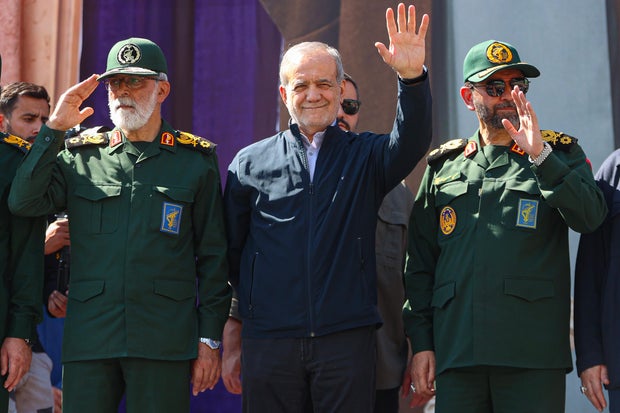
Diplomatic efforts are being mediated by several regional players, most notably Qatar and Pakistan. On Tuesday, EU foreign affairs leader Kaja Kallas met with Iranian Foreign Minister Abbas Araghchi in New York. During the meeting, Kallas voiced significant international concerns regarding the security of maritime transit through the Strait of Hormuz and the Bab el-Mandeb Strait.
Kallas also raised critical human rights issues, specifically citing a "sharp rise in executions and death sentences" within Iran. Araghchi, conversely, used the meeting to reiterate Iran’s narrative that U.S. aggression and European "appeasement" are the primary obstacles to regional peace, accusing Washington of a "repeated breach of agreements."
Analysis of Implications
The situation remains in a state of high-stakes flux. The simultaneous pursuit of military deterrence and back-channel diplomacy by the Trump administration indicates a "maximum pressure" strategy intended to force Tehran to the table before the U.S. midterm elections.
The economic implications are profound. If the Strait of Hormuz remains closed, global energy prices will likely remain hyper-volatile, threatening to drag down equity markets that have only recently begun to rally on news of potential diplomatic breakthroughs. Furthermore, the potential involvement of other regional powers—such as the recent defense pact signed between Saudi Arabia, Pakistan, and Turkey—suggests that the war is shifting from a bilateral U.S.-Iran dispute into a broader, entrenched regional realignment.
While President Trump continues to express confidence in a "developing relationship," the disparity between his optimistic rhetoric and the continued military posturing of the IRGC leaves the international community in a state of uncertainty. Whether the current U.N. meetings serve as a genuine turning point or merely a temporary pause in a widening conflict will likely be determined in the coming days, as the global aviation and oil sectors brace for the full enforcement of new U.S. sanctions.