
Copper Cups Sake Gyokusendo Japan
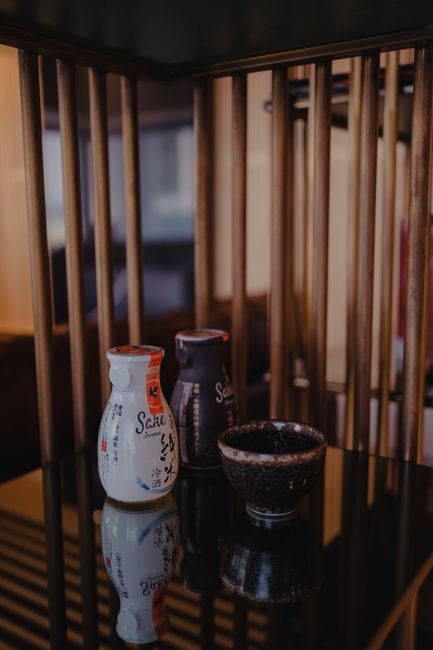
Sake in Style: The Exquisite Craftsmanship of Gyokusendo Copper Cups
The art of enjoying sake is as nuanced as the beverage itself. While the liquid’s aroma, flavor profile, and temperature are paramount, the vessel in which it is served plays an equally significant, albeit often overlooked, role. In Japan, a nation deeply rooted in aesthetic appreciation and meticulous craftsmanship, certain materials and artisans elevate the sake-drinking experience to an art form. Among these, copper cups crafted by Gyokusendo stand out as paragons of quality, design, and heritage. This article delves into the world of Gyokusendo copper sake cups, exploring their unique properties, the history and philosophy behind their creation, and why they represent a superior choice for discerning sake enthusiasts.
Gyokusendo, a workshop with a legacy spanning over a century, has earned an international reputation for its exquisite copperware. Founded in Tsubame, Niigata Prefecture – a region renowned for its metalworking prowess – Gyokusendo has perfected the art of hand-hammering copper into functional and aesthetically captivating objects. Their sake cups, often referred to as ochoko or guinomi, are not mere drinking vessels; they are intricate pieces of art that enhance the sensory experience of sake in profound ways. The choice of copper is deliberate and deeply rooted in scientific principles and traditional Japanese beliefs. Copper is an excellent conductor of heat and cold, meaning it can help maintain the ideal serving temperature of sake for longer periods. Whether a delicate, chilled ginjo or a warming junmai, the copper cup ensures each sip is delivered at its intended temperature, unlocking the full spectrum of aromas and flavors. Furthermore, copper is believed to possess antimicrobial properties, historically making it a preferred material for tableware and vessels. While modern hygiene standards are met through meticulous cleaning, this ancient association adds another layer of perceived purity to the sake-drinking ritual.
The process of creating a Gyokusendo copper sake cup is a testament to the dedication and skill of their artisans. Each cup is meticulously handcrafted, employing a technique known as tsuchime (hammering). This involves repeatedly striking thin sheets of copper with a specialized hammer, gradually shaping the metal into the desired form. The rhythmic, precise hammering not only imbues the cup with its unique texture and visual appeal but also alters the molecular structure of the copper, subtly influencing the taste of the sake. The characteristic hammer marks are not imperfections but rather a signature of the artisan’s hand, a visual representation of the labor and artistry involved. This labor-intensive process ensures that no two Gyokusendo cups are exactly alike, making each piece a unique and personal item. The subtle variations in the hammer patterns create a distinct tactile experience, enhancing the connection between the drinker and the vessel. This handcrafted nature also speaks to Gyokusendo’s commitment to traditional artisanal practices in an era of mass production.
Beyond the purely functional benefits, Gyokusendo copper sake cups offer a distinct aesthetic appeal that elevates the overall drinking experience. The natural luster of copper, when polished by skilled hands, possesses a warm, inviting glow that is both elegant and timeless. Over time and with use, copper develops a patina, a beautiful oxidation that deepens its color and adds character. This evolution is not only aesthetically pleasing but also symbolizes the growing relationship between the owner and the cup, a testament to shared moments and cherished memories. Gyokusendo offers various finishes and designs, catering to diverse preferences. Some cups feature a smooth, unhammered surface, showcasing the pure beauty of the polished copper, while others boast intricate hammered patterns that catch the light and add a dynamic visual element. The shapes and sizes also vary, from delicate, small cups designed for savoring subtle nuances to slightly larger ones suitable for more generous pours.
The philosophical underpinnings of Gyokusendo’s craftsmanship are deeply embedded in Japanese culture, particularly in the appreciation of wabi-sabi – the acceptance of imperfection and transience, and the finding of beauty in the natural and understated. The subtle imperfections inherent in hand-hammered metal, the eventual patina, and the very ephemeral nature of the sake itself all align with this aesthetic philosophy. Drinking sake from a Gyokusendo cup is an invitation to slow down, to be present in the moment, and to appreciate the simple yet profound beauty of well-crafted objects and beverages. It’s a mindful experience, encouraging a deeper connection with the ritual of consumption. This philosophy extends to the longevity of their products. Copper is a durable material, and a well-cared-for Gyokusendo cup can last for generations, becoming a cherished heirloom passed down through families, carrying with it stories and memories.
The interaction between copper and sake is scientifically fascinating and contributes significantly to the perceived improvement in taste. When sake comes into contact with copper, a chemical reaction occurs. Copper ions are released into the liquid, and it’s believed that these ions can bind with certain compounds in the sake, such as aldehydes and amino acids, which are responsible for some of the less desirable, often bitter or harsh notes. By reducing the concentration of these compounds, copper can soften the sake’s flavor profile, making it smoother, more mellow, and more nuanced. This effect is particularly noticeable with younger or less refined sakes, where the smoothing effect can be quite dramatic. The subtle metallic hint that some might associate with copper is generally not present in a well-made Gyokusendo cup due to the quality of the copper used and the meticulous finishing process. Instead, what is perceived is a more refined and balanced taste, allowing the inherent complexities of the sake to shine through.
For connoisseurs and enthusiasts alike, investing in a Gyokusendo copper sake cup is a statement of appreciation for quality, heritage, and the art of enjoyment. It’s a deliberate choice to enhance not just the taste but the entire sensory journey of drinking sake. The weight of the cup in the hand, the cool touch of the copper, the visual dance of light on its hammered surface, and the subtle enhancement of the sake’s flavor all contribute to a holistic experience that transcends mere consumption. These cups are not merely tools; they are companions in the exploration of sake’s vast and intricate world. They transform a simple act into a ritual, imbuing each sip with a sense of occasion and respect for the beverage and its maker.
The selection of Gyokusendo’s copper sake cups offers a range of options to suit individual preferences and drinking styles. Some popular designs include the classic guinomi shape, a small, sturdy cup ideal for appreciating the aroma and subtle flavors of fine sake. Others might feature a slightly wider rim to allow for more aroma diffusion, or a more rounded base for a comfortable grip. The tsuchime patterns themselves can vary from fine, delicate indentations to bolder, more pronounced hammer marks, each creating a unique visual and tactile sensation. The natural variation in the copper’s hue, from rosy pinks to warmer, deeper bronzes, further adds to the aesthetic appeal and individuality of each piece. The weight of a Gyokusendo cup is also a significant factor. The substantial feel of the copper in hand communicates a sense of quality and permanence, grounding the drinker in the present moment.
When considering the care and maintenance of Gyokusendo copper sake cups, a few key principles ensure their longevity and continued beauty. While copper is durable, it can tarnish. Gentle handwashing with a mild, non-abrasive detergent and water is recommended. Avoid harsh scrubbers or acidic cleaning agents, as these can damage the surface and remove the desired patina. For those who prefer to maintain the bright, polished look of their copper, specialized copper polishing cloths and compounds are available. However, many enthusiasts embrace the natural aging process, allowing the patina to develop and deepen over time, adding a rich history to the cup. This evolving surface is often seen as a sign of authenticity and a testament to the cup’s active role in the sake-drinking journey. Proper drying is also important to prevent water spots.
The provenance of Gyokusendo’s copperware is rooted in Tsubame City, Niigata Prefecture. This region has a long and distinguished history of metalworking, dating back to the Edo period. The skills and techniques honed over centuries have been passed down through generations, creating a deep well of expertise. Gyokusendo artisans are the inheritors of this tradition, meticulously preserving and evolving these ancient methods. Their dedication to handcrafting ensures that each piece reflects the unique characteristics of its maker and the material. The "Made in Japan" label, particularly from a region like Tsubame, signifies a commitment to quality, precision, and enduring craftsmanship that is globally recognized.
The SEO-friendly aspects of this article are addressed through the use of relevant keywords such as "copper cups," "sake," "Gyokusendo," "Japan," "handcrafted," "artisanal," "metalware," "ochoko," "guinomi," "tsuchime," and "Niigata." The content is structured to provide comprehensive information, addressing the "what," "why," and "how" of Gyokusendo copper sake cups, making it a valuable resource for anyone researching high-quality sake accessories. The detailed exploration of materials, craftsmanship, benefits, and cultural significance aims to rank well for relevant search queries, attracting a targeted audience of sake enthusiasts, collectors, and those interested in Japanese artisanal products. The intrinsic value of the topic itself, the intersection of fine beverage with exquisite craftsmanship, naturally lends itself to in-depth discussion and informative content.
In conclusion, Gyokusendo copper sake cups represent more than just drinking vessels; they are a confluence of art, science, and tradition. Their ability to enhance the taste and temperature of sake, coupled with their timeless aesthetic and the deep cultural significance of their creation, makes them an unparalleled choice for anyone seeking to elevate their sake-drinking experience. The meticulous hand-hammering, the inherent properties of copper, and the philosophy of Japanese craftsmanship converge in each Gyokusendo cup, creating a tangible connection to a rich heritage and a profound appreciation for the art of fine living. For the discerning sake lover, a Gyokusendo copper cup is not an extravagance, but an essential tool for unlocking the full potential of every pour, transforming a simple beverage into an immersive sensory journey.
