Sony and Alamo Drafthouse in Talks to Revive Iconic Cinerama Dome and ArcLight Hollywood

Sony Pictures Entertainment and Alamo Drafthouse Cinemas, the upscale cinema chain acquired by Sony in 2024, are reportedly engaged in discussions with the ownership of Los Angeles’ landmark Cinerama Dome and its adjacent ArcLight Hollywood multiplex concerning the potential reopening of these now-shuttered venues. The news, initially reported by Deadline and corroborated by sources speaking with The Hollywood Reporter, signals a significant potential turning point for two of Hollywood’s most storied cinematic locations.
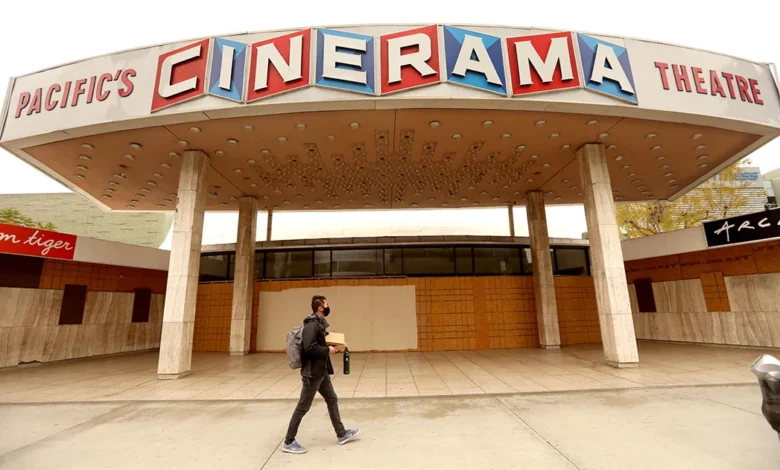
The iconic movie palaces fell silent at the onset of the COVID-19 pandemic in March 2020, a casualty of the widespread closures that befell the exhibition industry. Their operator, Pacific Theatres, subsequently filed for bankruptcy, leaving the fate of these beloved theaters uncertain. The properties themselves remain under the ownership of the family of Pacific Theatres’ founder, William R. Forman. Forman, a visionary entrepreneur in the exhibition space, was instrumental in the construction of the Cinerama Dome in 1963, a structure that has since earned its place as a Los Angeles Historic-Cultural Monument.
Sources indicate that the Forman family has been actively exploring options for the future of the venues, engaging in meetings with various cinema operators and studios. While other major players, including AMC Theatres and Amazon MGM Studios, are understood to have been approached, they have reportedly passed on the opportunity. Sony, which declined to comment on the ongoing negotiations when contacted by The Hollywood Reporter, appears to be taking a more proactive stance, potentially leveraging its recent acquisition of Alamo Drafthouse to re-enter the exhibition landscape in a significant way.
A Symbol of Hollywood’s Cinematic Heritage and Economic Woes
The prolonged "zombie status" of the Cinerama Dome and ArcLight Hollywood had, in recent years, become a focal point of concern and frustration within the film industry and the broader Los Angeles community. Their shuttered state was not merely an aesthetic loss but also a tangible symbol of the economic challenges facing both independent and major cinema operators, exacerbated by the pandemic. Numerous petitions were circulated, and public protests were organized, reflecting a deep-seated desire to see these cultural landmarks resurrected. Throughout this period of speculation and public outcry, the Forman family maintained a public silence regarding their plans for the properties.
The Cinerama Dome, with its distinctive geodesic dome architecture, is a marvel of mid-century design, reportedly inspired by the innovative geodesic domes of R. Buckminster Fuller. Its unique shape and impressive screen have made it a favored venue for studio premieres and special screenings for decades. Its exterior lighting, a beacon on Sunset Boulevard, has been immortalized in popular culture, most notably as a visual shorthand for the romantic allure of Hollywood in Quentin Tarantino’s critically acclaimed film, Once Upon a Time in Hollywood.
The adjacent ArcLight Hollywood multiplex, which opened in 2002, represented a different era of cinema exhibition, one that emphasized a premium viewing experience. It was at the forefront of pioneering modern multiplex amenities, including plush, reclining stadium-style seating, sophisticated in-house gourmet dining options, and the convenience of reserved seating. These features helped set a new standard for moviegoing in the digital age.
The Evolving Landscape of Cinema Exhibition
The potential involvement of Alamo Drafthouse, a brand known for its unique, hospitality-driven approach to cinema, adds an interesting dimension to these discussions. Alamo Drafthouse has built a strong reputation for its commitment to a distraction-free viewing environment, famously enforcing strict policies against phone use during screenings. However, the company has recently faced some public backlash regarding its implementation of mobile ordering for concessions, a move that some patrons perceived as a departure from its long-standing prohibition on phone usage during films. This development raises questions about how such operational considerations might factor into a potential revival of the Cinerama Dome and ArcLight.
The closure of these two prominent venues left a significant void in the Los Angeles cinematic landscape. However, the intervening years have witnessed a notable resurgence in the city’s cinema infrastructure, signaling a broader trend of reinvestment and revitalization. This renaissance includes the establishment of the state-of-the-art David Geffen Theater within the new Academy Museum of Motion Pictures, Quentin Tarantino’s personal restoration and triumphant reopening of the historic Vista Theatre, the rehabilitation of the former Eagle Theatre by the non-profit organization Vidiots, a significant upgrade of the Egyptian Theatre funded by Netflix, and enhancements to the Alex Theatre to enable it to screen first-run films. These developments underscore a renewed commitment to preserving and expanding Los Angeles’ rich cinematic heritage.
A Look Back: The Rise and Fall of Pacific Theatres
William R. Forman, the patriarch of the family that still owns the Cinerama Dome and ArcLight properties, was a prominent figure in the American film exhibition industry for decades. He founded Pacific Theatres in 1957, and under his leadership, the company grew to operate numerous theaters across California. The Cinerama Dome, commissioned by Forman, was a bold architectural statement and a testament to his commitment to offering audiences an immersive cinematic experience. The theater utilized the Cinerama process, a widescreen film format known for its multi-panel projection and stereophonic sound, which provided an unparalleled sense of depth and realism.
The ArcLight Hollywood, a more modern venture, was conceived as a flagship location that would redefine the multiplex experience. It was designed to appeal to a discerning audience, offering a curated selection of films and an environment that prioritized comfort and quality. The success of ArcLight Hollywood paved the way for the expansion of the brand to other locations, becoming a benchmark for premium cinema.
However, the inherent challenges of the exhibition business, including the rising costs of real estate, increasing competition from streaming services, and the significant capital investment required for technological upgrades, had begun to put pressure on Pacific Theatres even before the pandemic. The abrupt halt to operations in 2020 proved to be an insurmountable challenge, leading to the company’s bankruptcy filing in April 2021. This marked the end of an era for a company that had played a significant role in shaping the moviegoing experience in Southern California.
The Significance of a Potential Reopening
The potential reopening of the Cinerama Dome and ArcLight Hollywood under the stewardship of Sony and Alamo Drafthouse would represent a monumental victory for film lovers and a significant boost to Hollywood’s iconic status. The return of these venues would not only restore beloved cinematic landmarks but also inject new life into a vital sector of the entertainment industry.
The strategic implications for Sony are also noteworthy. By acquiring Alamo Drafthouse, Sony signaled its intent to invest in the theatrical exhibition side of the business, a move that diverges from the industry’s broader trend towards streaming dominance. The potential to operate such high-profile venues could provide Sony with a unique platform for showcasing its films, conducting premieres, and engaging directly with audiences in a way that streaming alone cannot offer.
For Alamo Drafthouse, the opportunity to manage these iconic spaces could represent a significant expansion of its brand and influence. The Cinerama Dome, in particular, offers a unique architectural canvas that could be revitalized to enhance its legendary status. The synergy between Sony’s film production capabilities and Alamo Drafthouse’s exhibition expertise could create a powerful combination, potentially ushering in a new chapter for these historic theaters.
Broader Implications for the Film Industry
The revival of the Cinerama Dome and ArcLight Hollywood could also have a ripple effect across the wider film industry. The return of premier theatrical venues in Los Angeles, a global hub for filmmaking and entertainment, reinforces the enduring importance of the theatrical experience. It sends a positive signal to filmmakers, studios, and audiences alike that the magic of cinema, experienced in a dedicated and immersive environment, remains a vital and cherished part of our cultural landscape.
Furthermore, such a reopening could inspire further investment in cinema infrastructure across the country. As the industry continues to navigate the evolving dynamics of content consumption, the successful revitalization of these iconic venues could serve as a blueprint for preserving and enhancing the theatrical experience for future generations. The challenges faced by Pacific Theatres serve as a cautionary tale, but the potential for a triumphant return of the Cinerama Dome and ArcLight Hollywood offers a powerful beacon of hope for the resilience and enduring appeal of the cinematic arts. The coming months will be crucial in determining whether these discussions translate into a tangible reality, but the prospect alone has already generated considerable excitement within the film community.