In a significant escalation of its national security pressure campaign, the Trump administration announced on Friday that it is offering a reward of up to $20 million for actionable intelligence regarding Iran’s nuclear program. The initiative, managed by the U.S. State Department’s "Rewards for Justice" program, seeks detailed information on Iranian nuclear facilities, specialized equipment, and key personnel within the country’s scientific community. The U.S. military’s Central Command confirmed that the offer includes the possibility of relocation for individuals who provide information that significantly disrupts or provides insight into the regime’s nuclear activities.
This move comes at a time of extreme volatility in the Middle East, characterized by an ongoing war that began in February 2026. The U.S. government’s latest intelligence assessment suggests that Iran’s uranium stockpile has reached 60% purity—a technical threshold that experts characterize as a narrow gap away from the 90% weapons-grade enrichment required for a nuclear device. The State Department highlighted that Iran remains the only non-nuclear-weapon state currently producing uranium at such high levels, noting that current inventories could, if further enriched, potentially provide the fissile material for multiple warheads.
The Broader Conflict and Strategic Impasse
The current geopolitical climate is defined by the aftermath of the significant U.S. and Israeli joint military strikes conducted in June 2025, which targeted key Iranian nuclear infrastructure. Since those strikes, Iran has suspended International Atomic Energy Agency (IAEA) inspections, leading to what international monitors describe as a dangerous "loss of continuity of knowledge" regarding the regime’s production and inventory of centrifuges and other critical nuclear components.
The war has caused widespread instability, impacting global energy markets and shipping lanes. While the U.S. military has attempted to maintain the security of the Strait of Hormuz, the region has seen a record number of attacks on commercial vessels throughout October 2026. On Thursday, an oil tanker, the MT Velos Sapphire, was hit by an explosion that resulted in the death of a crew member. This incident followed claims by the Iranian Revolutionary Guard Corps (IRGC) that several other tankers were immobilized after striking mines. These reports remain unverified by international maritime authorities, and President Trump has publicly dismissed these claims, suggesting they are fabricated to manipulate global energy prices.
A Diplomatic and Domestic Tightrope
President Trump’s recent outreach to regional partners, including a phone call on Friday with the Emir of Qatar, Sheikh Tamim bin Hamad Al Thani, underscores a delicate diplomatic effort to prevent a total collapse of regional stability. As a key mediator, Qatar has been instrumental in keeping lines of communication open between Washington and Tehran. The Emir emphasized the necessity of diplomatic dialogue, a sentiment that resonates with Gulf capitals concerned that the U.S. might launch a new, more destructive phase of its air campaign.
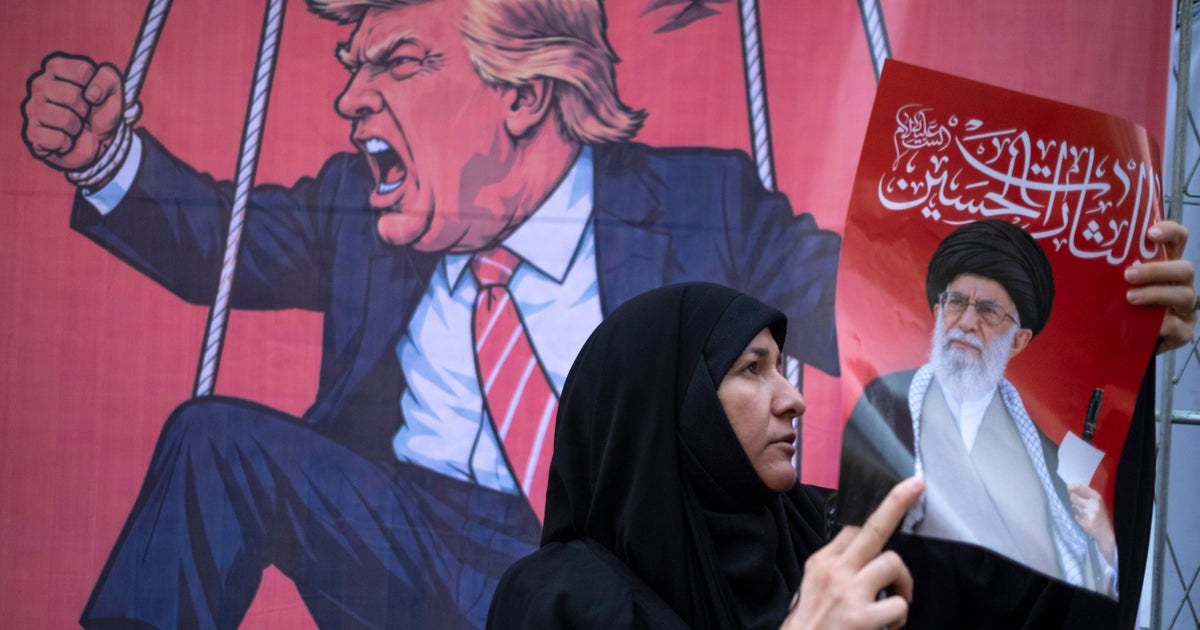
Domestically, the administration faces a shifting political landscape. Following significant Republican losses in the 2026 midterm elections, which have returned control of Congress to the Democrats, the President faces intense scrutiny regarding his foreign policy. Secretary of State Marco Rubio is scheduled to meet with G7 foreign ministers in Paris next week, where he is expected to face pointed questions about the administration’s long-term strategy for Iran. Analysts suggest that the election results reflect a public fatigue with the ongoing conflict, forcing the White House to balance military deterrence with the need for a potential diplomatic off-ramp.
Targeting Financial Networks
As part of a multi-pronged strategy to weaken Tehran, the U.S. Treasury Department announced new, coordinated sanctions on Friday targeting digital asset providers and firms facilitating the exchange of Iranian rials. Working in tandem with Canadian authorities, the U.S. is targeting individuals and entities based in Toronto and Vancouver who are allegedly assisting Iran in evading existing sanctions and funneling funds to regional proxies.
State Department spokesperson Tommy Pigott stated, "Anyone, anywhere in the world, who helps Tehran evade sanctions risks being held accountable." This focus on the financial backbone of the regime is intended to curb the resources available for both the nuclear program and the support of militant groups like the Houthis in Yemen.
Escalation in Yemen and the Red Sea
The regional conflict is further complicated by the ongoing proxy war in Yemen. On Friday, the Houthi movement accused the Saudi-led coalition of a "horrific massacre," alleging that airstrikes on a market in the Taiz governorate killed or wounded at least 30 civilians. The Houthis, who have maintained a steady barrage of missile and drone attacks against Saudi targets, vowed that the attack would not go unpunished.
Simultaneously, the Saudi-led coalition reported the interception of ballistic missiles and drones aimed at the Najran and Mecca regions. These exchanges highlight the persistent nature of the conflict, which continues to threaten civilian centers and religious sites. The Houthis have denied targeting holy sites, characterizing the coalition’s claims as "blatant falsehoods."
Strategic Alignment: The Russia-Iran Axis
A critical development in the regional power balance is the deepening cooperation between Moscow and Tehran. On Thursday, Russian President Vladimir Putin held high-level talks in Moscow with Mohsen Rezaei, the secretary of Iran’s Supreme National Security Council. The discussions focused on bolstering economic and military ties, specifically exploring the construction of a natural gas pipeline from Russia to Iran.
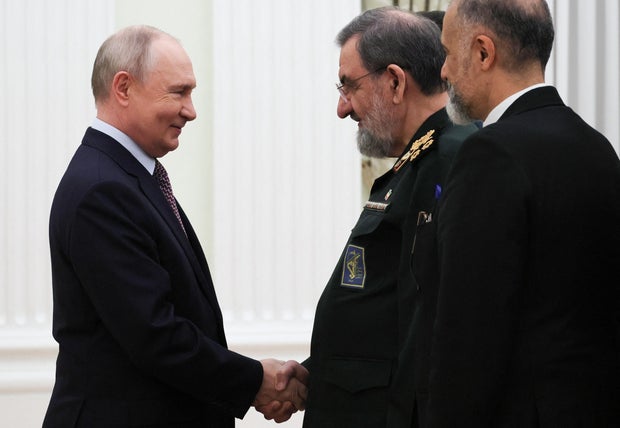
This proposed infrastructure project is aimed at addressing Iran’s chronic domestic gas shortages—a crisis exacerbated by the destruction of Iranian refineries during the early months of the U.S.-led war. By integrating their energy sectors, Russia and Iran are signaling a long-term commitment to a shared geopolitical front that seeks to circumvent Western influence and create an alternative regional order. Aliakbar Velayati, an adviser to Iran’s supreme leader, stated on Friday that Iran now views itself as a "main architect" of Middle Eastern security, warning that any attempt by the West to impose a transit or energy corridor that excludes Iran will face significant instability.
Economic Implications and Future Outlook
Amid the noise of war, U.S. motorists may soon see a reprieve at the pump. Energy analysts, including those at GasBuddy, project that gasoline prices could drop below $4 a gallon by next week, with diesel prices potentially falling below $6 by Thanksgiving. This trend is driven by market optimism that the midterm election results will force the Trump administration to seek a de-escalation of the conflict.
However, the path forward remains fraught with uncertainty. While President Trump has indicated that he has no immediate plans for new strikes, he has left the option on the table, noting that he may not have a choice if Iran continues its current trajectory. As the U.S. intelligence community continues to monitor the Iranian nuclear program, the administration’s offer of a $20 million reward signals a high-stakes effort to acquire internal intelligence that could either justify further military action or provide the necessary leverage for a negotiated settlement.
The coming weeks will prove decisive. With G7 ministers meeting in Paris and the U.S. domestic political landscape in transition, the international community is closely watching to see whether the current cycle of escalation—characterized by drone interceptions, tanker explosions, and financial warfare—will yield to a renewed effort at regional diplomacy or descend into a more profound, long-term conflict. The "continuity of knowledge" regarding Iran’s nuclear program remains the most critical variable, one that the U.S. is clearly willing to pay a high price to re-establish.
Related posts: