National Monument in Crisis: The Algae Crisis and Structural Failures of the Lincoln Memorial Reflecting Pool

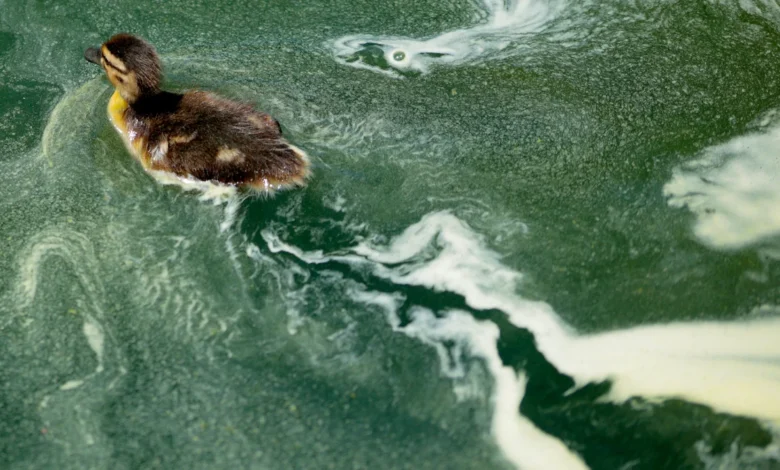
The Lincoln Memorial Reflecting Pool, one of the most iconic landmarks in the United States, has become the center of a mounting environmental and structural scandal as its waters have transitioned from a promised "American flag blue" to a stagnant, opaque green. This transformation, occurring just weeks before the nation’s 250th anniversary celebrations, has prompted intense scrutiny of a high-profile renovation project overseen by the administration of President Donald Trump. While the administration has publicly attributed the deterioration to acts of vandalism, technical experts and environmental scientists point toward systemic failures in the pool’s newly installed lining and filtration systems. As the National Park Service (NPS) struggles to contain an aggressive algal bloom, the crisis has evolved into a complex debate involving infrastructure integrity, climate change, and political accountability.
The Vision of a Blue Reflection
The current crisis follows an ambitious renovation project intended to revitalize the National Mall in preparation for the United States’ Semi-quincentennial. The Trump administration had promised that the renovation would ensure the pool remained "American flag blue," a aesthetic goal aimed at enhancing the visual appeal of the monument for the millions of tourists expected in the summer of 2026. However, by mid-June 2026, the reality on the ground stood in stark contrast to this patriotic vision. The pool, which holds approximately 6.5 million gallons of water, began to exhibit signs of a massive cyanobacteria and algae outbreak, rendering the water a thick, pea-soup green.
The aesthetic failure was quickly followed by reports of structural instability. Visitors and journalists began documenting large chunks of the pool’s new interior lining breaking away from the substrate and floating to the surface. This "peeling" effect suggests a fundamental failure of the bonding agents or the membrane system applied during the recent overhaul. Steve Goodale, an award-winning pool industry veteran known online as "Swimming Pool Steve," has become a primary voice of technical reason amid the chaos, describing the sight of the floating interior surface as a catastrophic "oh, crap" moment for any pool professional.
A Chronology of Failure
The timeline of the Reflecting Pool’s decline is a rapid sequence of events that began shortly after the completion of its multimillion-dollar renovation.
- Late 2025 – Early 2026: The National Park Service completes a comprehensive renovation of the pool, including the installation of a new membrane lining and upgraded filtration technology.
- May 2026: The pool is filled with water. Initial reports suggest the water is clear, though experts express concerns about the rising temperatures in the D.C. area.
- June 1, 2026: The first signs of a "green tint" are reported by National Mall visitors. The NPS increases the use of chemical treatments.
- June 10, 2026: The algal bloom intensifies. The "American flag blue" promise is officially replaced by a murky green expanse.
- June 14, 2026: Images emerge of NPS workers in waders using brooms to manually push algae, a move critics describe as "polishing the brass on the Titanic."
- June 16, 2026: Reports surface of the pool’s lining detaching. Chunks of the gray-blue membrane are seen floating near the Lincoln Memorial end of the pool.
- June 20, 2026: President Trump announces via social media that the pool will be drained, citing "radical vandals" as the cause of the damage, though no evidence of such activity is provided by the U.S. Park Police.
- Late June 2026: The U.S. Park Police begin enforcing a strict "no-touch" policy, treating the water as a potential biohazard while arresting individuals who attempt to collect water samples for independent testing.
Technical Analysis: Why the System Failed
The failure of a body of water the size of the Reflecting Pool is rarely the result of a single factor. Instead, it is typically the culmination of various mechanical, chemical, and environmental stressors.
The Membrane Failure
According to Steve Goodale, the peeling of the interior surface indicates a failure in the application process. For a membrane system to hold in a 2,029-foot-long pool, the substrate must be perfectly prepared, and ambient conditions—such as humidity, temperature, and moisture levels—must be strictly controlled during installation. If the material failed to bond to the concrete base, the weight and pressure of 6.5 million gallons of water, combined with chemical treatments like hydrogen peroxide or chlorine, could cause the lining to delaminate. While some administration officials have suggested that chemical treatments might have been too aggressive, Goodale notes that a properly installed system should be resilient enough to withstand standard pool chemistry.
The Algal Mechanism
The bloom itself is driven by a combination of heat and nutrients. The Reflecting Pool is a shallow, open-air environment, making it a "natural pond" in many respects. Algae thrive on phosphates and nitrates, which serve as primary food sources. Traditionally, the pool has drawn water from the nearby Tidal Basin. However, when the Tidal Basin is high in nutrients, the NPS is supposed to switch to municipal drinking water to limit the introduction of algae-promoting minerals. The administration has not clarified which water source was used leading up to the June bloom, but the presence of thick sediment suggests high phosphate levels.

The Role of Nanobubblers
The Department of the Interior has touted "nanobubbler" technology as the solution to the crisis. This technology involves an ozone injection system that increases oxygen levels in the water. In theory, an oxygen-rich environment suppresses the release of phosphorus from the sediment layer at the bottom of the pool, effectively "starving" the algae. However, experts argue that nanobubblers are a suppression tool, not a cure for a systemic filtration failure or a massive nutrient overload.
Official Responses and Public Reaction
The political fallout from the pool’s condition has been as murky as the water itself. President Trump has repeatedly claimed that the structural damage is the result of vandalism, suggesting that individuals have intentionally slashed the lining. However, professional pool contractors have pointed out that the damage visible in photographs—localized "bubbles" and peeling edges—is consistent with hydrostatic pressure and bonding failure rather than manual cutting.
The U.S. Park Police have taken a hardline stance on public interaction with the pool. In late June, several individuals were detained for attempting to dip bottles into the water. While the NPS claims these measures are for public safety due to potential toxins in the algal bloom, critics argue the administration is attempting to prevent independent lab analysis of the water’s phosphate and chemical levels, which could disprove the vandalism narrative.
In a statement, a spokesperson for the Department of the Interior stated, "We are committed to restoring the Reflecting Pool to its intended splendor. While we investigate the potential for malicious damage, our primary focus remains on the technical optimization of the filtration systems and the deployment of advanced aeration technology."
Environmental and Economic Implications
The decision to drain the pool carries significant logistical and environmental costs. Discharging 6.5 million gallons of chemically treated, algae-laden water into the city’s sewer system or the Potomac River requires careful management to avoid further environmental degradation. Furthermore, the cost of a second major renovation in less than two years could reach into the millions, a burden that will ultimately fall on American taxpayers.
The crisis also highlights the challenges of maintaining large-scale water features in an era of rising global temperatures. Washington D.C. has seen record-breaking heat in the early summer of 2026, which accelerates algal growth and puts additional strain on cooling and filtration systems. The Reflecting Pool, designed to be a static mirror of the nation’s democratic ideals, has instead become a reflection of the difficulties inherent in modern infrastructure management under environmental and political pressure.
Looking Ahead to the 250th Anniversary
As July 4, 2026, approaches, the pressure to resolve the situation is immense. The Lincoln Memorial Reflecting Pool is scheduled to be the centerpiece of a global broadcast celebrating the United States’ 250th birthday. If the pool remains empty or filled with green sludge, it will serve as a prominent symbol of a failed public works project at a time intended for national pride.
The path forward likely involves a complete forensic audit of the 2025 renovation. Engineers must determine if the "systemic issue" Goodale warns of is a result of inferior materials, rushed labor to meet a political deadline, or an fundamentally flawed design. Until then, the "American flag blue" remains a distant memory, replaced by a green reminder of the complexities of holding 6.5 million gallons of water in the heart of the nation’s capital.