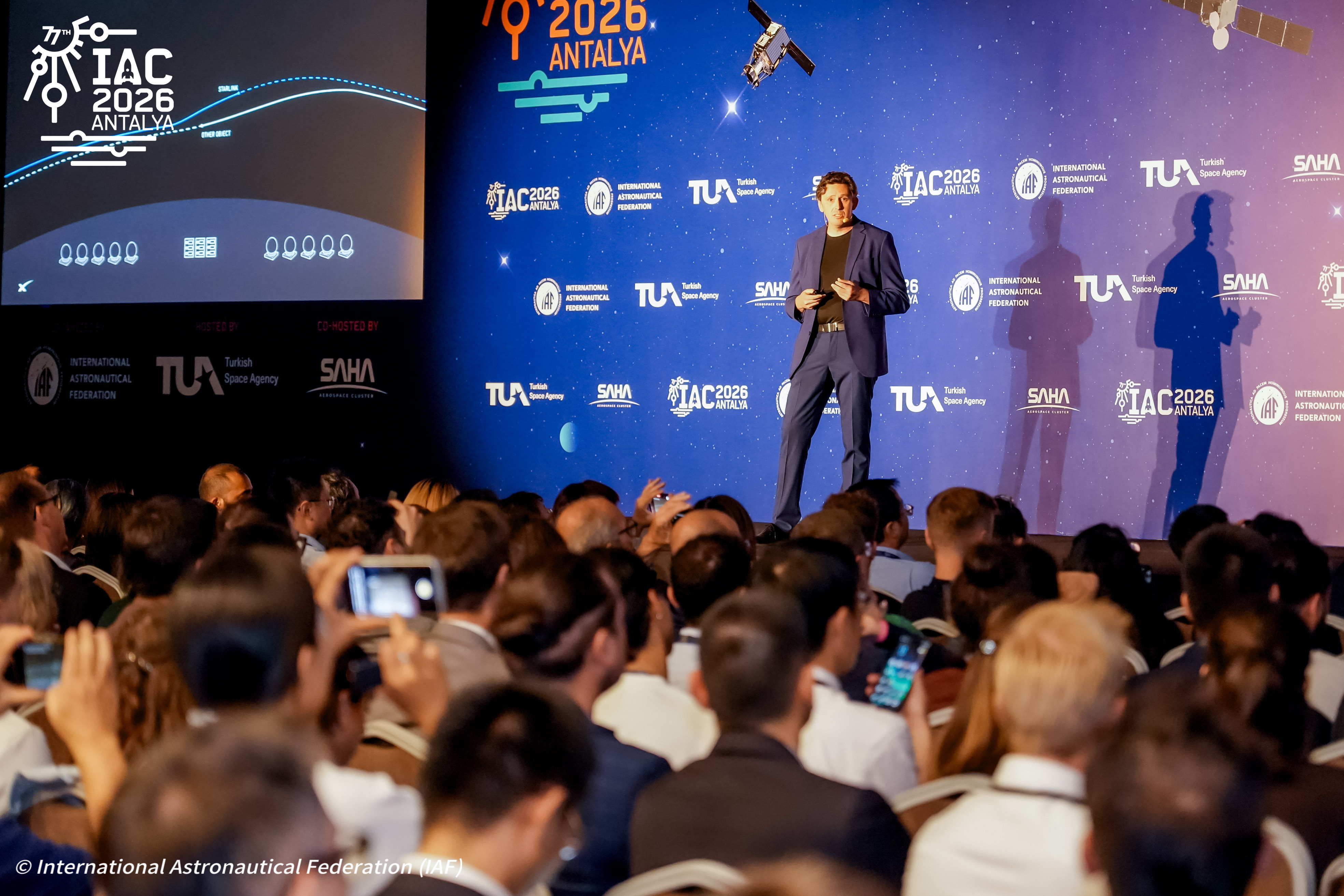
The rapid expansion of human infrastructure in low-Earth orbit (LEO) has reached a critical inflection point, forcing industry leaders to confront the escalating risks of orbital congestion. Michael Nicolls, the Vice President of Starlink at SpaceX and President of xAI, delivered a stark warning during his keynote presentation at the International Astronautical Congress in Antalya, Turkey, on October 6, 2026. As the architect of the world’s largest satellite constellation, Nicolls highlighted that while space remains vast, the lack of standardized, transparent communication between operators is creating "way too close to comfort" scenarios that threaten the long-term viability of the space environment.
The current orbital landscape is dominated by SpaceX, which now maintains a fleet of over 11,000 satellites. This figure accounts for approximately two-thirds of all active spacecraft currently circling the planet. However, the Starlink network is merely the vanguard of a broader trend toward massive, multi-thousand-satellite megaconstellations. With Amazon’s Kuiper project, emerging Chinese broadband networks, and SpaceX’s own proposed "Starmind" project—a vision for orbital AI computing clusters—the number of objects in LEO is poised to grow by orders of magnitude within the next decade.
The Collision Calculus and the Law of Large Numbers
The statistical probability of a catastrophic collision between any two satellites on a given day remains remarkably low. Space is an expansive vacuum, and the orbital shells utilized by these constellations are thousands of miles in circumference. Yet, as Nicolls noted during his presentation, the "law of large numbers" dictates that systemic risk is cumulative. Every uncoordinated maneuver or failed de-orbiting procedure increases the likelihood of a fragmentation event.
A single high-velocity collision in orbit does not merely destroy two expensive assets; it creates a "Kessler Syndrome" scenario, wherein the resulting cloud of shrapnel triggers a chain reaction of secondary impacts. This debris can persist for decades, rendering specific orbital planes unusable for future generations. While SpaceX and many Western commercial operators have adopted stringent "design for demise" standards—ensuring satellites automatically de-orbit at the end of their lifecycle—the lack of global, legally binding "rules of the road" remains a glaring deficiency in international space law.
Chronology of Growing Orbital Density
To understand the urgency of Nicolls’ message, one must look at the rapid acceleration of launch cadences. In the early 2010s, orbital traffic was largely confined to government-owned assets and a handful of commercial communications satellites. The transition began in earnest around 2019, when SpaceX initiated the first large-scale deployments of Starlink.
By 2024, Chinese state-backed entities began the full-scale deployment of their own broadband constellations, effectively ending the era of Western-dominated LEO infrastructure. Throughout 2025 and 2026, the frequency of conjunction alerts—instances where two objects are predicted to pass within a dangerous distance—surged. As of late 2026, Starlink satellites are performing approximately 1,000 collision avoidance maneuvers per day. These maneuvers are either triggered by the proximity of derelict space debris or by the unpredictable trajectories of active satellites from other operators.
The Ephemeris Gap: A Failure of Transparency
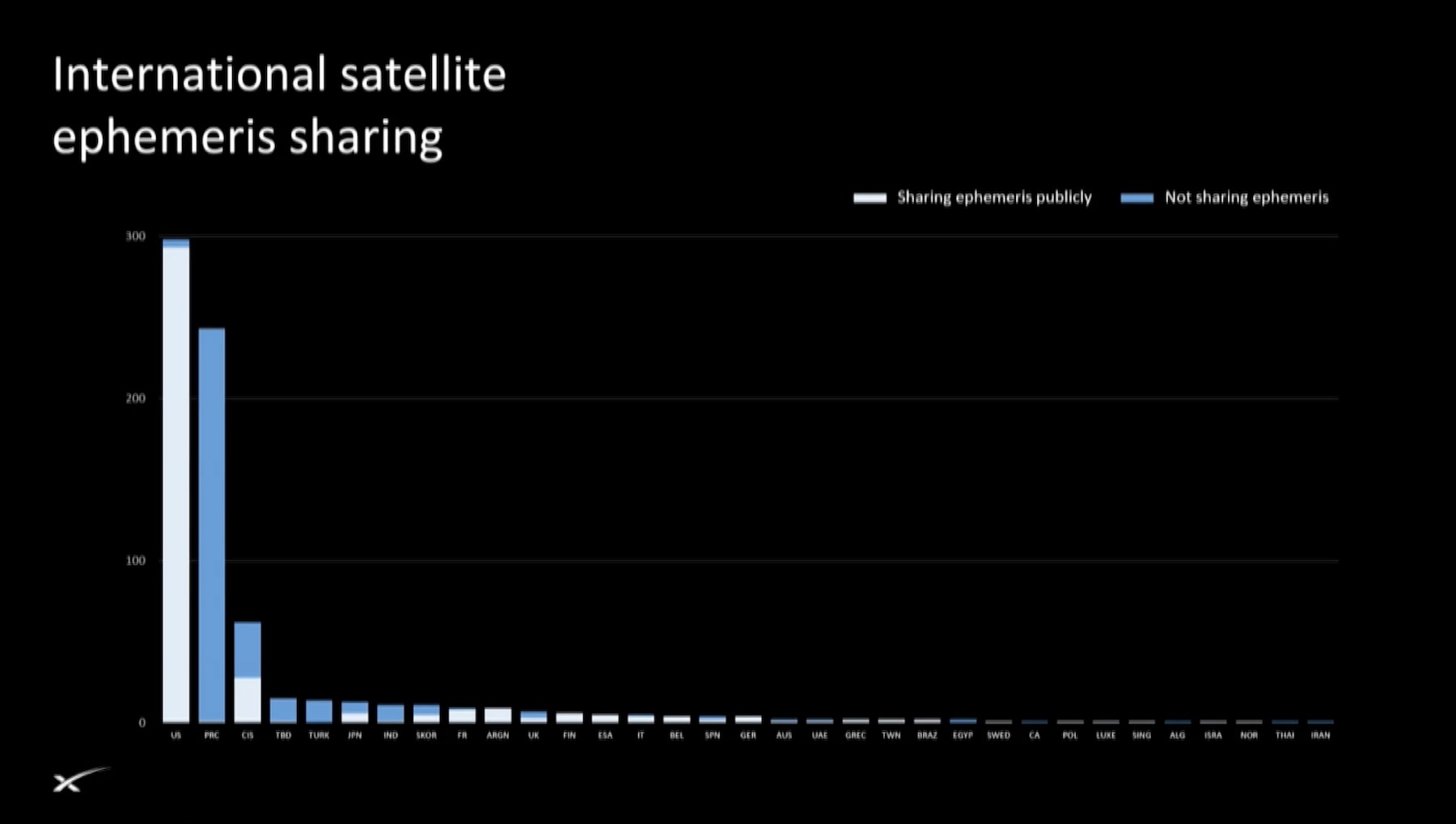
The crux of the issue, according to Nicolls, is the refusal of some operators to share "ephemeris data"—the precise mathematical coordinates and velocity vectors that allow other satellite operators to predict a craft’s future position.
In a professional and open ecosystem, operators exchange this data to calculate potential "conjunctions" well in advance. If a risk is identified, the operators can communicate to decide which vessel will maneuver and in what direction. However, Nicolls revealed that in the past several months, Starlink satellites have had to autonomously steer clear of roughly 650 active satellites from other operators. Strikingly, only half of those encounters involved entities that participate in voluntary ephemeris sharing.
"What you can’t avoid is other operators who maneuver without telling you where they’re going to go," Nicolls stated. He presented evidence of satellites from various nations changing their trajectories without notifying the broader space community, leading to encounters where the separation distance was measured in tens or hundreds of meters. These are not necessarily hostile acts, but rather a manifestation of a "siloed" mentality where companies or nations treat their satellite flight plans as proprietary or strategic secrets.
Technological Mitigations and the Stargaze System
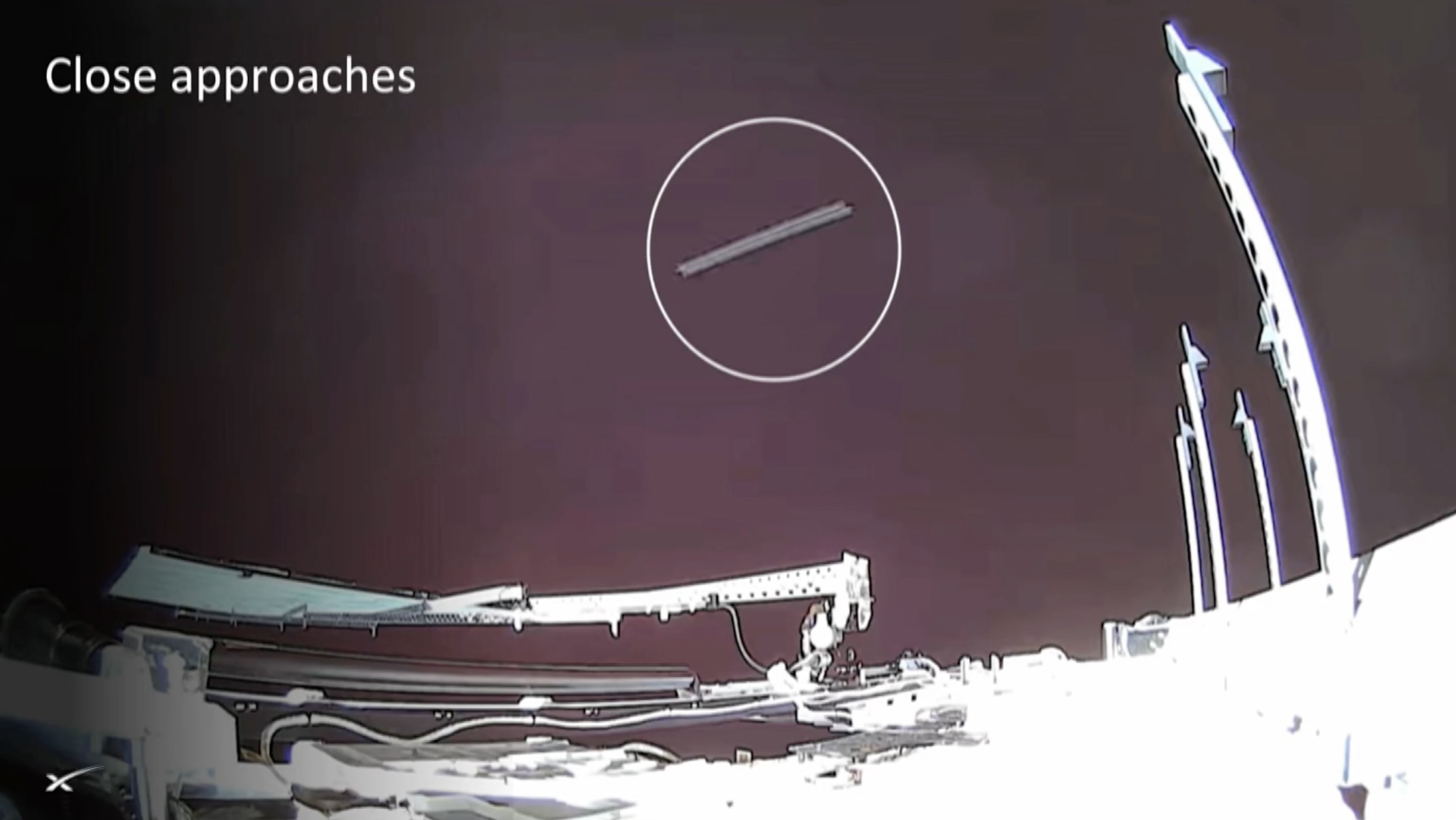
In response to this opaque environment, SpaceX has invested heavily in its own "situational awareness" technology. The company utilizes a proprietary suite of onboard sensors and navigation cameras dubbed "Stargaze." This system allows Starlink satellites to detect, track, and react to objects in their immediate vicinity in real-time, even when external data is unavailable.
When an autonomous encounter is detected, the satellites rely on two primary defensive strategies:
- Maneuverability: Using electric ion thrusters to alter the orbital plane or altitude, moving the satellite out of the path of the approaching object.
- "Ducking" Maneuvers: If the timing or fuel constraints prevent a full course change, the satellite can adjust its attitude—essentially changing its profile to present the smallest possible surface area to the oncoming object, thereby minimizing the cross-section for a potential collision.
While effective, Nicolls argued that these are stopgap measures. Relying on individual satellite sensors is reactive; true orbital safety requires a proactive, collaborative framework where data transparency is the default, not the exception.
Industry Perspectives: The View from Amazon
The push for greater transparency has found an ally in Amazon, which is currently developing its own Project Kuiper constellation. Rajeev Badyal, the head of Amazon’s satellite division, echoed Nicolls’ concerns regarding the necessity of a coordinated environment.
"Space safety is paramount to us," Badyal stated in an interview following the congress. "We coordinate with SpaceX and other operators for every launch. We inform them of our drop-off points and our orbit-raising maneuvers."
For Amazon, which has 396 satellites in orbit and plans for a massive, multi-generational fleet, the risk of a chaotic orbital environment is a direct threat to their business model. Badyal emphasized that for major commercial players, the "consequences of not doing so are significant for everybody." However, Badyal notably declined to comment on the behavior of state-run programs, particularly those from China and Russia, highlighting the geopolitical sensitivity of the issue.
Implications for Global Space Policy
The divide between those who advocate for open data and those who maintain operational secrecy presents a fundamental challenge to the United Nations Office for Outer Space Affairs (UNOOSA) and other regulatory bodies. Currently, there is no international treaty that mandates the real-time sharing of maneuver data.
The implications of this inaction are threefold:

- Economic Risk: Private investment in space is predicated on the reliability of orbital assets. If the risk of collision becomes too high, insurance premiums for satellite launches could skyrocket, potentially stifling innovation.
- Environmental Risk: The buildup of debris in LEO, known as the "tragedy of the commons," could render certain orbital shells unusable for generations, effectively closing off access to space for all nations.
- Geopolitical Tension: As demonstrated by the lack of data sharing from certain international actors, orbital proximity is increasingly being viewed through a lens of national security, where opacity is mistaken for protection.
Conclusion: A Call for Universal Standards
The message from the 2026 International Astronautical Congress is clear: the era of "wild west" orbital operations must come to an end. SpaceX’s call for universal ephemeris sharing is not just a plea for better cooperation; it is a pragmatic recognition that in a crowded, high-speed environment, the survival of the industry depends on a collective commitment to transparency.
Whether through new international accords, revised FCC licensing requirements, or industry-led consortia, the requirement for a global standard in satellite tracking and maneuver communication has moved from a technical preference to an existential necessity. As more companies and countries join the race to orbit, the ability to "see" and "be seen" will determine whether humanity successfully transitions into a space-faring civilization or remains grounded by the debris of its own making.