Avengers Endgame returns to theaters and bridges the gap to the highly anticipated Avengers Doomsday

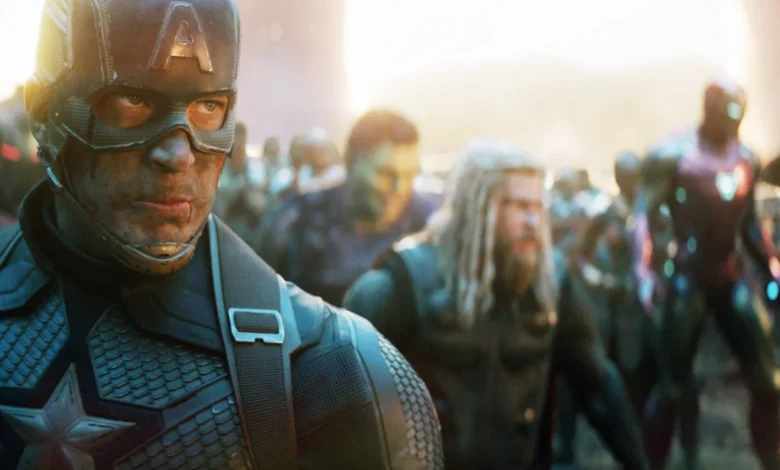
The cinematic landscape witnessed a nostalgic and strategic resurgence this past weekend as Disney and Marvel Studios re-released their 2019 juggernaut, Avengers: Endgame, back into global multiplexes. The move, branded as the "Avengers: Endgame Encore," proved to be a resounding commercial success, generating an impressive $86 million in total global box office receipts. This haul—comprised of $26 million from the North American market and $60 million from international territories—serves as a testament to the enduring cultural footprint of the Marvel Cinematic Universe (MCU) and the studio’s adeptness at leveraging its back catalog to generate momentum for future tentpole releases.
A Historic Box Office Trajectory
Before this weekend’s reissue, Avengers: Endgame had already cemented its legacy as the second-highest-grossing film in cinematic history, boasting a lifetime global gross of $2.79 billion. With the addition of this weekend’s earnings, the film’s staggering cumulative tally has reached $2.88 billion. This trajectory places the film within striking distance of the all-time global leader, James Cameron’s 2009 sci-fi epic Avatar, which currently holds the top position with $2.9 billion.
The gap, now reduced to a mere $39 million, invites renewed speculation regarding the potential for further re-releases or extended theatrical windows. Domestically, the film has further solidified its status as a titan of the North American box office, reaching $884 million in total earnings and maintaining its position as the third-largest domestic release of all time. Additionally, the film achieved a significant international milestone this weekend, becoming only the second motion picture in history to surpass $2 billion at the international box office, joining an elite tier of high-performing global cinema.
The Strategic Intent: Building Momentum for Avengers: Doomsday
The primary impetus for the "Endgame Encore" is the upcoming December release of Avengers: Doomsday. Disney has utilized the re-release as a platform to debut exclusive footage from the highly anticipated sequel, effectively transforming a retrospective viewing experience into a marketing engine for the next phase of the MCU.
Avengers: Doomsday represents a critical juncture for the franchise. Directed by the returning duo of Anthony and Joe Russo, the film is poised to be the 39th installment in the sprawling MCU. Perhaps most notably, the film marks the reintroduction of Robert Downey Jr. to the Marvel fold. However, rather than reprising his iconic role as Tony Stark/Iron Man, Downey Jr. will portray the formidable antagonist Doctor Doom. This creative pivot has generated significant discourse among fans and critics alike, signaling a bold departure from the established continuity of the Infinity Saga.
The anticipation surrounding the film is underscored by the current health of the MCU, which remains the most successful film franchise in history. With a cumulative global box office total of $35.07 billion across its entire library, the franchise continues to set benchmarks for long-term narrative and commercial viability. This legacy was recently bolstered by the success of this summer’s hit, Spider-Man: Brand New Day, which contributed $2.2 billion to the franchise’s overall coffers.
Technical Standards and the Introduction of Infinity Vision
Beyond the film itself, the re-release serves as a rollout vehicle for Disney’s new "Infinity Vision" certification. Rather than representing a novel hardware advancement, Infinity Vision functions as a rigorous technical quality assurance standard. Disney has stated that this certification guarantees that partner theaters meet specific, high-level technical benchmarks in projection, sound, and visual fidelity.
The rollout of this certification comes at a complex time for the premium large format (PLF) exhibition space. In an unusual turn of events, Avengers: Doomsday will not be available in IMAX, the industry’s most dominant premium format. This exclusion is a direct result of a scheduling conflict with Dune: Part III, which is set to debut on the same day. Dune: Part III has secured exclusive access to the entire global IMAX footprint for a three-week period, forcing Disney to rely on its Infinity Vision standard and other non-IMAX premium formats to ensure a high-quality presentation for its audience.
Industry Analysis: The Value of Re-engagement
Market analysts have praised the decision to re-release Endgame as a pragmatic approach to audience retention. Paul Dergarabedian, head of marketplace trends at Rentrack, highlighted the efficacy of this strategy. "Bringing Avengers: Endgame back to theaters with an exclusive look at Avengers: Doomsday is a smart way to give audiences a reason to revisit the film on the big screen and build excitement for what comes next," Dergarabedian noted. "Avengers: Doomsday is poised for one of the biggest opening weekend performances of all-time, and this bridge between the past and the future effectively sustains consumer interest during a period that might otherwise be a quiet gap in the release calendar."
The strategy of re-releasing legacy films is not new, yet its application here is uniquely integrated into the MCU’s ongoing narrative architecture. By presenting the film in a "premium" environment, Disney is not only driving revenue but also re-establishing the "event" nature of superhero cinema at a time when audience habits have shifted toward streaming platforms.
Timeline of the MCU’s Modern Era
To understand the significance of this current movement, one must look at the timeline of the franchise’s expansion:
- April 2019: Avengers: Endgame premieres, eventually reaching $2.79 billion globally and briefly holding the record for the highest-grossing film of all time.
- Summer 2024: Spider-Man: Brand New Day sets a new standard for recent franchise entries, earning $2.2 billion and pushing the total MCU franchise gross over $35 billion.
- Late 2024: Disney announces the "Endgame Encore" initiative to bridge the gap between the Infinity Saga’s conclusion and the upcoming Doomsday arc.
- December 2024: Avengers: Doomsday is scheduled for global release, serving as the 39th installment of the MCU and the first major Avengers project under the Russo brothers’ renewed direction.
Broader Implications for the Exhibition Industry
The success of the "Endgame Encore" serves as a case study for theater owners struggling to balance their programming with a mix of new releases and archival content. While the $86 million global gross is a significant figure, the long-term impact on the industry lies in the viability of the "re-issue" as a sustainable business model. By pairing legacy content with new promotional material, studios can minimize the marketing spend required to build awareness for new titles while simultaneously driving attendance to theaters during off-peak windows.
Furthermore, the "Infinity Vision" certification suggests that Disney is seeking to exert greater control over the theatrical experience. By establishing their own standards, the studio is effectively creating a branded experience that audiences can identify, potentially mitigating the reliance on third-party PLF providers like IMAX in the future.
As the industry prepares for the release of Avengers: Doomsday, the market remains highly attentive to how this transition will affect the competitive landscape. With $2.88 billion now on the board, Avengers: Endgame has firmly established itself as a historical anchor. Whether the film ultimately overtakes Avatar for the top spot remains a secondary concern to the primary objective: ensuring that the audience’s appetite for the Marvel brand remains insatiable as it moves into its next, highly anticipated chapter. The data indicates that the appetite is not only present but remarkably resilient, suggesting that the "Endgame Encore" has successfully achieved its dual purpose of financial gain and strategic marketing.