Bong Joon Ho’s "Mickey 17" Starring Robert Pattinson Set for March 29, 2024 Release

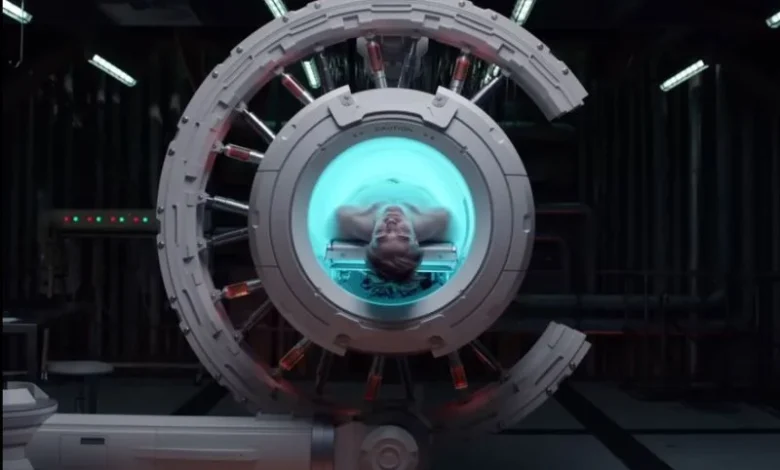
The cinematic landscape is buzzing with anticipation as director Bong Joon Ho, the visionary behind the Academy Award-winning masterpiece "Parasite," unveils his latest directorial endeavor, "Mickey 17." Based on the novel "Mickey 7" by Edward Ashton, the film is slated for a theatrical release on March 29, 2024, promising audiences another delve into Bong’s unique blend of genre-bending storytelling and profound social commentary. The first official image from the film, featuring a still that hints at the visually rich and potentially unsettling world Bong is known for, has been released, further fueling fan excitement.
From "Parasite" to "Mickey 17": A Look at Bong Joon Ho’s Esteemed Career
Bong Joon Ho achieved global acclaim with "Parasite" in 2020, making history by becoming the first non-English language film to win the Best Picture Oscar. The film also secured wins for Best Director, Best International Feature Film, and Best Original Screenplay, cementing Bong’s status as a leading figure in contemporary cinema. His directorial work is characterized by meticulous attention to detail, sharp social critiques woven into compelling narratives, and a masterful ability to balance tonal shifts between dark humor, suspense, and poignant drama. "Mickey 17" represents his return to directing after the monumental success of "Parasite," and the expectations are understandably sky-high.
The screenplay for "Mickey 17" has been penned by Bong Joon Ho himself, though reports suggest it may diverge in certain aspects from the source material. This creative freedom is a hallmark of Bong’s filmmaking process, allowing him to imbue his adaptations with his distinct authorial voice and thematic concerns. The novel, "Mickey 7," by Edward Ashton, introduces readers to a world where humanity is venturing to colonize the inhospitable ice planet Niflheim. The protagonist, Mickey 7, is a disposable employee, a clone tasked with undertaking hazardous missions that others are unwilling or unable to perform. The narrative hints at the potential for multiple iterations of Mickey, suggesting themes of identity, exploitation, and the human drive for survival in extreme environments.
Production and Creative Team Behind "Mickey 17"
The production of "Mickey 17" is being spearheaded by Plan B Entertainment, the production company founded by Brad Pitt, known for its involvement in critically acclaimed films such as "Moonlight," "12 Years a Slave," and "The Departed." This collaboration suggests a commitment to high-quality filmmaking and artistic integrity.
Adding to the film’s pedigree, the musical score for "Mickey 17" is being composed by Jae-il Jung. Jung is a frequent collaborator of Bong Joon Ho, having previously crafted the memorable and evocative scores for "Parasite" and "Snowpiercer." His ability to capture the emotional nuances and thematic undercurrents of Bong’s films through music is a vital component of their shared success. The reunion of Bong and Jung on "Mickey 17" is a significant indicator of the film’s potential to deliver a powerful and immersive auditory experience.
An Ensemble Cast Assembled for "Mickey 17"
The film boasts an impressive and diverse ensemble cast, led by the versatile Robert Pattinson in the titular role of Mickey. Pattinson has been on a remarkable career trajectory, transitioning from blockbuster franchises to critically lauded independent films and artistic collaborations. His previous work in films like "The Lighthouse" and "Good Time" has showcased his ability to deliver complex and compelling performances, making him an ideal choice to embody a character with potentially multiple facets and existential questions.
Joining Pattinson are a host of acclaimed actors, including Steven Yeun, known for his transformative performance in "Minari" and his iconic role in "The Walking Dead"; Naomi Ackie, who garnered significant attention for her portrayal of Whitney Houston in "I Wanna Dance with Somebody"; Toni Collette, a consistently brilliant actress recognized for her roles in "Hereditary" and "Little Miss Sunshine"; and Mark Ruffalo, a seasoned actor celebrated for his work in the Marvel Cinematic Universe and films like "Spotlight." The caliber of this cast suggests that "Mickey 17" will not only be visually spectacular but also rich in character-driven performances.
"Mickey 17": A Deeper Dive into the Narrative Potential
While specific plot details remain under wraps, the premise of "Mickey 7" offers fertile ground for Bong Joon Ho’s thematic explorations. The concept of a disposable clone tasked with dangerous missions on an alien world immediately brings to mind questions about labor, societal value, and the ethics of exploitation. Bong’s previous works have consistently probed the dynamics of class, the pressures of modern life, and the often-unseen struggles of individuals within larger systems. "Mickey 17" has the potential to engage with these themes in a science fiction context, offering a unique lens through which to examine contemporary societal issues.
The cyclical nature of Mickey’s existence, with six previous iterations having already met their demise, suggests a narrative that could explore themes of reincarnation, memory, and the search for meaning in a seemingly predetermined existence. Bong’s ability to blend the mundane with the extraordinary, and to find profound human drama in unconventional settings, makes this a particularly exciting prospect. The film could serve as a commentary on our own disposable culture, our willingness to sacrifice individuals for the perceived greater good, and the enduring human spirit in the face of overwhelming odds.
Historical Context and "Parasite’s" Impact
The success of "Parasite" cannot be overstated. Its Best Picture win at the Oscars was a watershed moment, signaling a potential shift in global perceptions of international cinema and challenging the traditional dominance of Hollywood. The film’s narrative, which intricately wove together themes of social inequality, class struggle, and the desperation born of economic disparity, resonated deeply with audiences worldwide. Bong Joon Ho’s masterful storytelling in "Parasite" demonstrated that compelling narratives with universal themes could transcend language barriers and cultural divides.
The Academy Awards achieved by "Parasite" are a testament to its groundbreaking achievement:
- Best Picture: The first non-English language film to win this prestigious award.
- Best Director: Bong Joon Ho became the first South Korean director to win this category.
- Best International Feature Film: A category specifically designed for films made outside the United States, which "Parasite" dominated.
- Best Original Screenplay: A recognition of Bong Joon Ho’s exceptional writing talent.
This unprecedented success created a heightened level of anticipation for Bong’s subsequent projects. "Mickey 17" is not merely another film; it is the next chapter from a director who has proven his ability to captivate and provoke on a global scale. The film’s success will likely be measured not only by its box office performance but also by its ability to spark dialogue and offer fresh perspectives, much like "Parasite" did.
The Novel "Mickey 7" as a Foundation
Edward Ashton’s novel "Mickey 7" provides the foundational narrative for the film. Published in 2022, the book introduced readers to the bleak yet compelling world of Niflheim and the resourceful, if morally ambiguous, Mickey 7. The story is known for its fast-paced narrative, dark humor, and exploration of the ethical dilemmas faced by colonists in a hostile environment. Bong Joon Ho’s decision to adapt this novel suggests a strong connection to its core themes and its potential for cinematic translation.
The presence of six previous "Mickey" iterations in the novel hints at a narrative that could delve into themes of identity, memory, and the psychological toll of repeated existence. It also opens up possibilities for exploring the corporate or governmental structures that would create and deploy such disposable agents. Bong’s adaptation is likely to expand upon these elements, adding his signature depth and complexity to the original story. The book’s narrative structure, focusing on a character who is essentially a tool for a larger mission, provides a rich canvas for exploring concepts of agency and sacrifice.
Broader Implications and Future Outlook
The release of "Mickey 17" on March 29, 2024, positions it as a significant cinematic event. In an era where the film industry is constantly evolving, Bong Joon Ho’s commitment to original storytelling and his proven ability to connect with a global audience make his projects highly anticipated. The film’s success could further solidify the growing acceptance and appreciation of international cinema, encouraging more studios to invest in diverse narratives and filmmakers.
Furthermore, the ensemble cast, particularly with a mix of established stars and rising talents, suggests that "Mickey 17" aims for broad appeal. The science fiction genre itself offers a powerful vehicle for social commentary, allowing filmmakers to explore complex issues in imaginative and engaging ways. The film’s premise, dealing with themes of colonization, expendability, and the search for identity, is timely and relevant.
As audiences eagerly await further details and trailers, the initial image and the confirmed release date provide a concrete glimpse into what promises to be another thought-provoking and visually stunning film from Bong Joon Ho. The combination of his directorial prowess, a compelling source material, and a stellar cast sets the stage for "Mickey 17" to be a major contender in the cinematic conversation of 2024. The film’s journey from the pages of Ashton’s novel to the silver screen under Bong’s direction is a testament to the enduring power of compelling storytelling and the global reach of visionary cinema.
Related posts: