Federal Court Rules U.S. Constitution Does Not Guarantee Clean Drinking Water in Landmark Jackson Crisis Decision

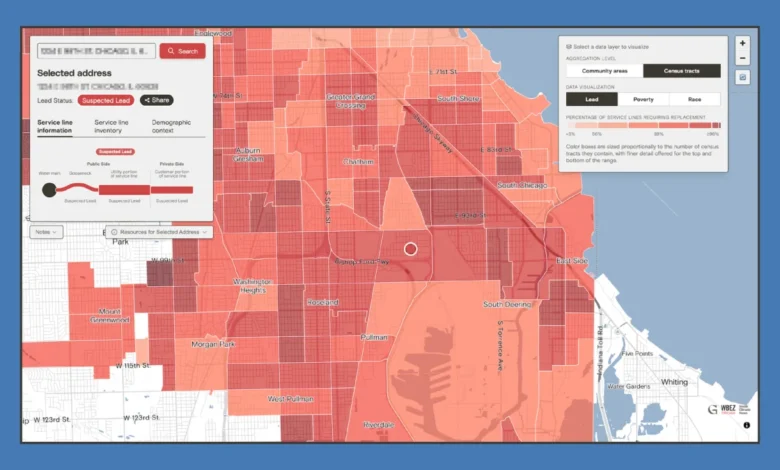
A federal appeals court has delivered a consequential ruling stemming from the decades-long water crisis in Jackson, Mississippi, determining that the United States Constitution does not guarantee citizens a fundamental right to clean and safe drinking water.
The September 4 decision by the Fifth U.S. Circuit Court of Appeals marks a major legal setback for residents of the capital city, which is more than 80% Black and maintains a poverty rate more than double the national average. Plaintiffs in the lawsuit had alleged that local officials knowingly distributed lead-contaminated water while falsely assuring the public it was safe for consumption. However, the appellate panel went a step further, ruling that the Constitution also fails to offer citizens a protected "right to truthful information from officials during a public health crisis."
The ruling underscores a stark reality for marginalized communities across the nation: while structural environmental failures disproportionately threaten Black and low-income populations, the federal judiciary offers limited constitutional pathways for legal recourse or accountability. This decision intersects with broader regulatory hurdles, including a prior determination by the U.S. Environmental Protection Agency (EPA) that Jackson could not secure administrative relief through Title VI of the Civil Rights Act of 1964 regarding systemic environmental discrimination.
The Jackson water crisis has long served as a national case study in infrastructure neglect, environmental injustice, and racial disparities in public health. Federal data consistently demonstrates that Black communities are statistically more vulnerable to health-based Safe Drinking Water Act violations than white communities. Furthermore, academic research highlights that water infrastructure improvements in majority-Black neighborhoods face prolonged delays compared to those in wealthier, predominantly white areas.
Anatomy of the Lawsuit and the Court’s Rationale
The legal battle originated in 2022 when a coalition of Jackson residents filed a federal lawsuit against the city and former Mayor Chokwe Antar Lumumba. The plaintiffs argued that the ongoing distribution of unsafe water, compounded by misleading public statements regarding its potability, violated their Fourteenth Amendment right to bodily integrity. They sought financial damages and court-ordered reforms to overhaul how the municipal water system was managed and communicated to the public.
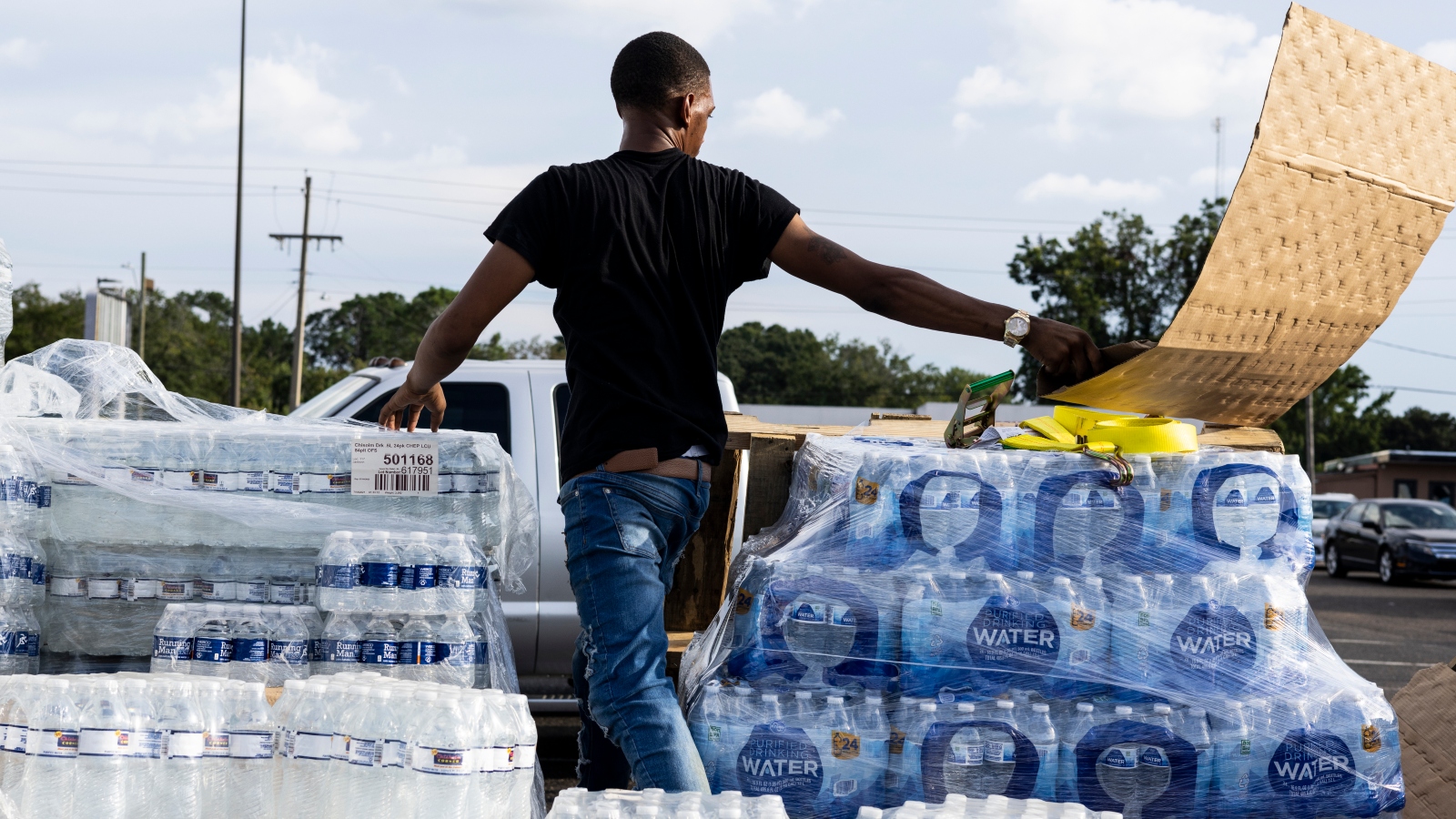
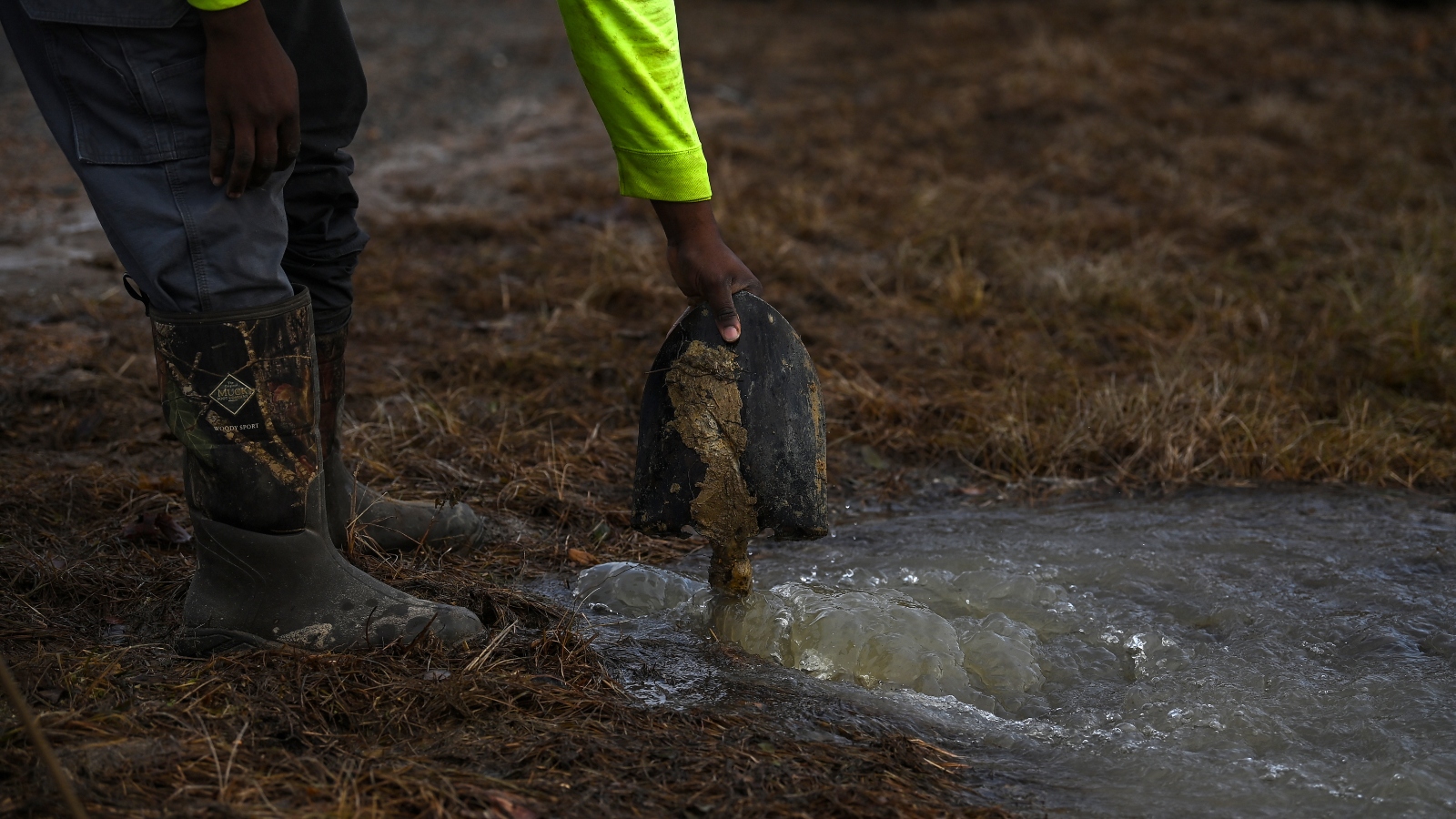
Residents detailed living under conditions where the water emerging from their taps was frequently discolored, brackish, impure, or nonexistent. Many reported enduring prolonged periods without running water entirely.
A lower court initially dismissed the case, prompting the plaintiffs to appeal to the Fifth Circuit. In the September 4 ruling, the appellate panel affirmed the lower court’s dismissal. Writing for the majority, Judge Kurt Engelhardt acknowledged that access to potable water is "important," but concluded it does not constitute a fundamental right "deeply rooted in our Nation’s history and tradition"—the legal standard required for substantive due process protection under the Constitution.
Addressing the claims regarding official misinformation, Judge Engelhardt rejected the notion that dishonest public health communication constitutes a constitutional violation. He wrote that "lying about the presence of lead in the water is a far cry from the state’s physically extracting evidence from a criminal suspect or conducting an invasive medical procedure without consent," ultimately concluding that the "Constitution does not provide redress for every governmental wrongdoing."
A dissenting opinion was filed by Judge Catharina Haynes, who argued that the plaintiffs had successfully presented plausible claims that city officials violated their right to bodily integrity by knowingly exposing them to severe environmental hazards.

Local officials responded cautiously to the decision. In an official statement, Jackson Mayor John Horhn noted, "We are pleased that the Fifth Circuit upheld the dismissal of these claims. The City remains committed to the health, safety, and well-being of every Jackson resident."
Conversely, community organizers condemned the ruling as an institutional abandonment of vulnerable populations. Danyelle Holmes, a senior national organizer with Mississippi’s Poor People’s Campaign, remarked, "Jackson residents did everything this country tells poor people to do. They organized, they testified, they boiled their water, they filed suit, they trusted the courts. And at every step the answer has been no… What it signals is that the law has told a majority-Black capital city that its suffering is real but its remedy does not exist."
A Chronology of Systemic Failure in Jackson
The water infrastructure challenges facing Jackson did not materialize overnight; they are the cumulative result of decades of deferred maintenance, structural racism, population loss, and declining municipal revenues.
- Pre-2020: Decades of underfunding leave Jackson’s two primary water treatment facilities—the O.B. Curtis Water Treatment Plant and the J.H. Fewell Water Treatment Plant—vulnerable to breakdowns. Generations of residents, including families of current activists, report recurring issues with water quality and pressure.
- March 2020: The EPA issues an emergency administrative order under the Safe Drinking Water Act, declaring that conditions at Jackson’s treatment facilities present an "imminent and substantial endangerment" to human health due to treatment deficiencies and distribution system failures.
- February 2021: A severe winter storm freezes critical infrastructure and ruptures water mains across the city, leaving tens of thousands of residents without running water for weeks and prompting emergency water distributions.
- August–September 2022: Heavy rainfall triggers flooding that exacerbates operational failures at the O.B. Curtis plant, precipitating a full-scale water system collapse. The city loses pressure, schools and businesses close, and the federal government intervenes, appointing a third-party manager (JXN Water) to stabilize and rebuild the utility under federal oversight.
- 2024–2025: Legal battles continue as community members pursue accountability through the courts, culminating in the September Fifth Circuit ruling. Meanwhile, the federally appointed utility implements rate hikes to fund necessary capital improvements.
Public Health Impacts and Demographic Realities
The human cost of Jackson’s water crisis is documented in numerous medical and scientific studies linking prolonged exposure to contaminated infrastructure with chronic health conditions. Lead, a potent neurotoxin that leaches from aging pipes into drinking water supplies, is particularly dangerous to children. Public health research indicates that early childhood lead exposure can cause irreversible cognitive impairment, lower IQ scores, and behavioral disorders that persist for decades.
Residents like Gwendolyn Reed-Davis have publicly linked their families’ medical hardships—including chronic kidney infections and learning difficulties in school-age children—to years of consuming and bathing in compromised water. Others, such as Brooke Floyd, have spent years navigating the daily burdens of hauling clean water, washing clothes outside the city limits, and managing the psychological toll of municipal neglect.
Studies consistently show that race is a stronger predictor of lead exposure and drinking water violations in the United States than poverty alone. Critics of the recent judicial ruling argue that the court’s decision insulates municipalities and state governments from liability in cases where environmental hazards disproportionately impact minority populations.
Economic Strain and Ongoing Oversight
As Jackson attempts to modernize its crumbling distribution network, the financial burden has increasingly shifted to the city’s residents, many of whom live below the federal poverty line.
JXN Water, the independent utility operating under federal oversight, has reported operational and revenue improvements. However, these upgrades come at a significant cost to consumers. In March, a court-approved 12% rate increase raised the average residential water and sewer bill by approximately $8.88, bringing the typical monthly cost to roughly $88. Projections from JXN Water indicate further rate hikes of 10% in spring 2027, followed by 9% in 2028 and 8% in 2029.
For a city where poverty is widespread, these escalating costs present an additional layer of hardship, forcing residents to choose between essential utilities and other basic needs.
Despite the legal setbacks in federal court, community leaders emphasize that grassroots mobilization will continue to drive the fight for environmental justice. "We are organizing, we are marching to the polls, and we are not waiting on a court to tell us our lives are worth clean water," Holmes stated. "As the Poor People’s Campaign teaches us, this is not about left and right. It is about right and wrong, and everybody knows which one Jackson has received."
Related posts: