The Hidden Environmental Cost of the AI Boom: Toxic Wastewater and the Battle Over Data Center Regulation

The rapid expansion of artificial intelligence infrastructure across the United States has ignited a fierce debate over the environmental footprint of the hyperscale data centers powering the digital revolution. As technology giants like Meta, Google, and Microsoft race to secure the computing capacity necessary to train large language models, communities from the high plains of Wyoming to the river valleys of Georgia are finding themselves on the front lines of an unexpected crisis: the contamination of local water systems.
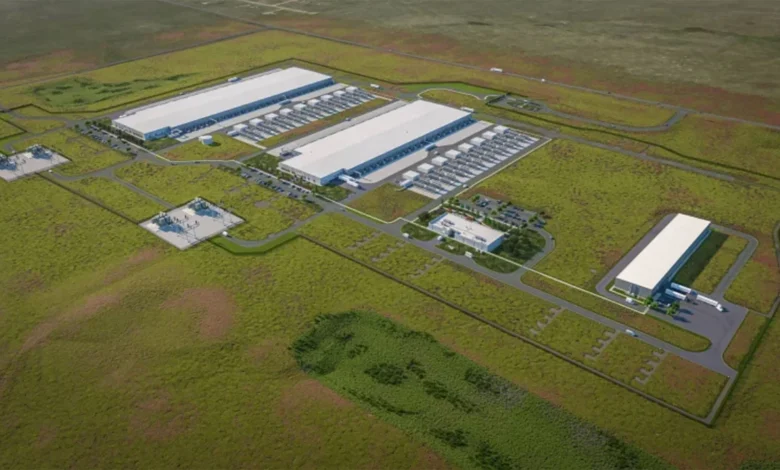
In Cheyenne, Wyoming, the recent discovery of the rare and potentially hazardous bacterium Cupriavidus gilardii in wastewater discharged from a massive, under-construction Meta data center has served as a flashpoint for this growing national concern. The incident, involving the release of 801,000 gallons of treated water, has forced a reckoning between local municipal officials and the multinational technology firms that promise economic prosperity in exchange for significant infrastructure support.
A Chronology of Contamination in Cheyenne
The sequence of events in Cheyenne began earlier this year during routine site maintenance. Contractors working for the $800 million Meta facility, which spans 960 acres, were engaged in "fill and flush" operations—a process designed to clean debris and scale from internal piping. During these operations, water is cycled through the facility and subsequently discharged into the municipal sewer system.
When municipal water officials conducted a routine check on this discharge, they were startled to find the presence of Cupriavidus gilardii. While the wastewater was not destined for the public drinking supply, the chemical and biological profile of the discharge raised immediate red flags regarding the safety of irrigation and local environmental health. Fearing that the evaporation of these droplets could pose an inhalation risk to residents, the Cheyenne Board of Public Utilities (BOPU) took the decisive step in July to halt the acceptance of wastewater from Meta’s primary contractor, Goat Systems.
The decision to sever the discharge agreement has since entered a contentious appeals process. Meta, maintaining its position as a "good neighbor," has challenged the findings of the city’s laboratories. The company asserts that its own independent testing—conducted by third-party environmental consultants—detected no such bacterium, calling into question the validity of the municipal methodology.
The Data Center Water Paradox
The situation in Wyoming is far from an isolated incident. Across the United States, the water-intensive nature of AI computation has created a systemic tension between the tech industry’s need for cooling and the public’s right to safe, sustainable water resources.
A mid-sized data center is estimated to consume approximately 300,000 gallons of water daily. This consumption is primarily driven by evaporative cooling systems, which are favored by the industry because they are more energy-efficient than traditional mechanical cooling. However, as these systems operate, they concentrate minerals and chemicals in the water. When this water is "blown down" or purged from the system, it often contains concentrated heavy metals, anti-corrosive agents, and in some cases, per- and polyfluoroalkyl substances (PFAS), known as "forever chemicals."
According to the Waterkeeper Alliance, a global network of environmental advocacy groups, approximately 55 of its affiliates are currently engaged in active campaigns related to data center operations. Notably, 80 percent of these campaigns are focused specifically on the discharge of pollutants into local river systems, streams, and wastewater treatment plants.
Regional Conflicts and Legal Challenges
The pushback against data center water management is evolving from local town hall disputes into high-stakes litigation. In Georgia, the Flint Riverkeeper has formally signaled its intent to sue the QTS data center in Fayetteville. The group alleges that over the past two years, the facility has discharged excessive concentrations of sediment and heavy metals into the Flint River, threatening downstream water quality.
In New York, the debate centers on the thermal pollution of sensitive ecosystems. At a converted gas-fired power plant now supporting AI operations, critics from the Seneca Lake Guardian have sounded the alarm over the discharge of water at temperatures as high as 108°F into the lake. This thermal shift poses an existential threat to local trout populations, which struggle to survive in water exceeding 70°F, and serves as a catalyst for harmful algal blooms that can render local water supplies toxic to humans and pets alike.
The conflict in West Virginia further highlights the infrastructural strain these facilities place on local communities. In recent years, runoff from an incomplete data center construction site has resulted in multiple flood events, damaging residential properties and forcing local authorities to re-examine the adequacy of current environmental oversight and stormwater management permits.
The Information Void
A recurring theme in the resistance against data center expansion is the lack of transparency. Environmental groups and concerned citizens frequently struggle to obtain basic data regarding water usage and effluent composition. In Wisconsin, a coalition of residents was forced to sue the city of Racine to compel the release of documentation regarding the projected water consumption of a $3.3 billion Microsoft facility.
Similarly, in The Dalles, Oregon, Google engaged in a protracted legal battle to block the public release of water usage data, arguing that such information constituted a trade secret. While the company eventually dropped the case, the incident served to deepen the public’s skepticism regarding the industry’s commitment to environmental stewardship.
"We need to know what is in this wastewater, but there is a void of information," says Chris Manganiello, water policy director at Chattahoochee Riverkeeper. As new facilities prepare to draw from the Chattahoochee River, the lack of granular data on chemical output—specifically regarding potential PFAS leaching—remains a primary driver of regional anxiety.
Political Implications and the "Golden Goose"
The backlash against data centers is increasingly manifesting as a bipartisan political issue. While many state-level officials initially welcomed these facilities as essential to the "AI arms race," the environmental and infrastructure costs are beginning to outweigh the promised economic dividends for some.
In Wyoming, Republican Congresswoman Harriet Hageman has taken a hardline stance, writing directly to Meta CEO Mark Zuckerberg to demand accountability for the bacterial contamination. "Water is a precious resource in our state," Hageman stated, emphasizing that the very systems marketed as water-efficient are those that have allegedly caused the contamination.
Conversely, federal leadership remains divided. Former President Donald Trump has consistently championed the industry, labeling data centers a "golden goose" for the economy. His administration has actively sought to streamline permitting processes, which critics argue would further restrict the public’s ability to challenge or even comment on the environmental impacts of new developments. "The only reason that communities should not want data centers is if they want to end up being backwards and poor," Trump stated via social media, advocating for a "Let Data Reign" approach to national infrastructure.
Analysis: A Path Toward Sustainable Computing
The current regulatory framework, which largely relies on outdated pretreatment permits designed for traditional industrial facilities, appears ill-equipped to handle the specific ecological risks posed by massive, high-density AI computing clusters. As the industry scales, the "greenwashing" accusations leveled by activists gain traction because the tangible evidence—polluted rivers, heated lakes, and contaminated wastewater—often contradicts the industry’s narrative of sustainability.
To bridge the gap between technological necessity and environmental protection, experts suggest a three-pronged approach:
- Mandatory Transparency: Establishing standardized, real-time reporting for water quality and quantity at all hyperscale sites. This would remove the current "void of information" that fuels local distrust.
- Modernized Oversight: Updating the Clean Water Act and similar state-level regulations to specifically address the unique chemical signatures of data center "blow down" water, including stricter limits on PFAS and heavy metal discharge.
- Collaborative Infrastructure: Encouraging data center developers to invest in advanced, on-site water reclamation and filtration systems that go beyond basic pretreatment, effectively turning the facilities into "closed-loop" systems that do not rely on municipal sewage networks for waste disposal.
As the US positions itself as the global leader in artificial intelligence, the resolution of the water issue will be a litmus test for the industry’s maturity. The tension between the insatiable demand for processing power and the finite nature of local water resources will continue to define the next phase of the AI rollout, ensuring that the debate over how we power our future remains as much about ecology as it is about technology.
Related posts: