The Tech Giants Financing Rural Texas: Data Centers Spend Millions to Win Over Skeptical Communities

Across the vast expanses of rural Texas, a quiet economic and infrastructure revolution is taking shape, funded largely by the tech industry’s insatiable demand for computational power. A new water tower in Turkey, Texas: $3 million. Upgrades for a historical museum in Stamford: $400,000. A first responders appreciation barbecue in Medina County: $10,000. These targeted expenditures represent a fraction of the more than $343 million that data center operators, tech behemoths, and digital infrastructure firms have poured into rural communities throughout the Lone Star State over the past year.
As digital infrastructure companies race to establish massive server farms to power artificial intelligence, cloud computing, and massive data storage, they are confronting an unexpected and formidable obstacle: intense local pushback. By leveraging their bottomless corporate bank accounts, these firms have transformed into accidental benefactors for cash-strapped small towns. From repairing crumbling municipal water pipelines to funding school STEM programs and upgrading emergency services, the industry’s unprecedented philanthropic push is a calculated campaign to secure public goodwill and municipal approval. Yet, this influx of corporate cash arrives amid a backdrop of deep skepticism, severe resource constraints, and fierce debates over whether these tech investments represent a lifeline for rural survival or a costly bargain that trades long-term autonomy for short-term relief.
The Scale of Investment and the Public Relations Challenge
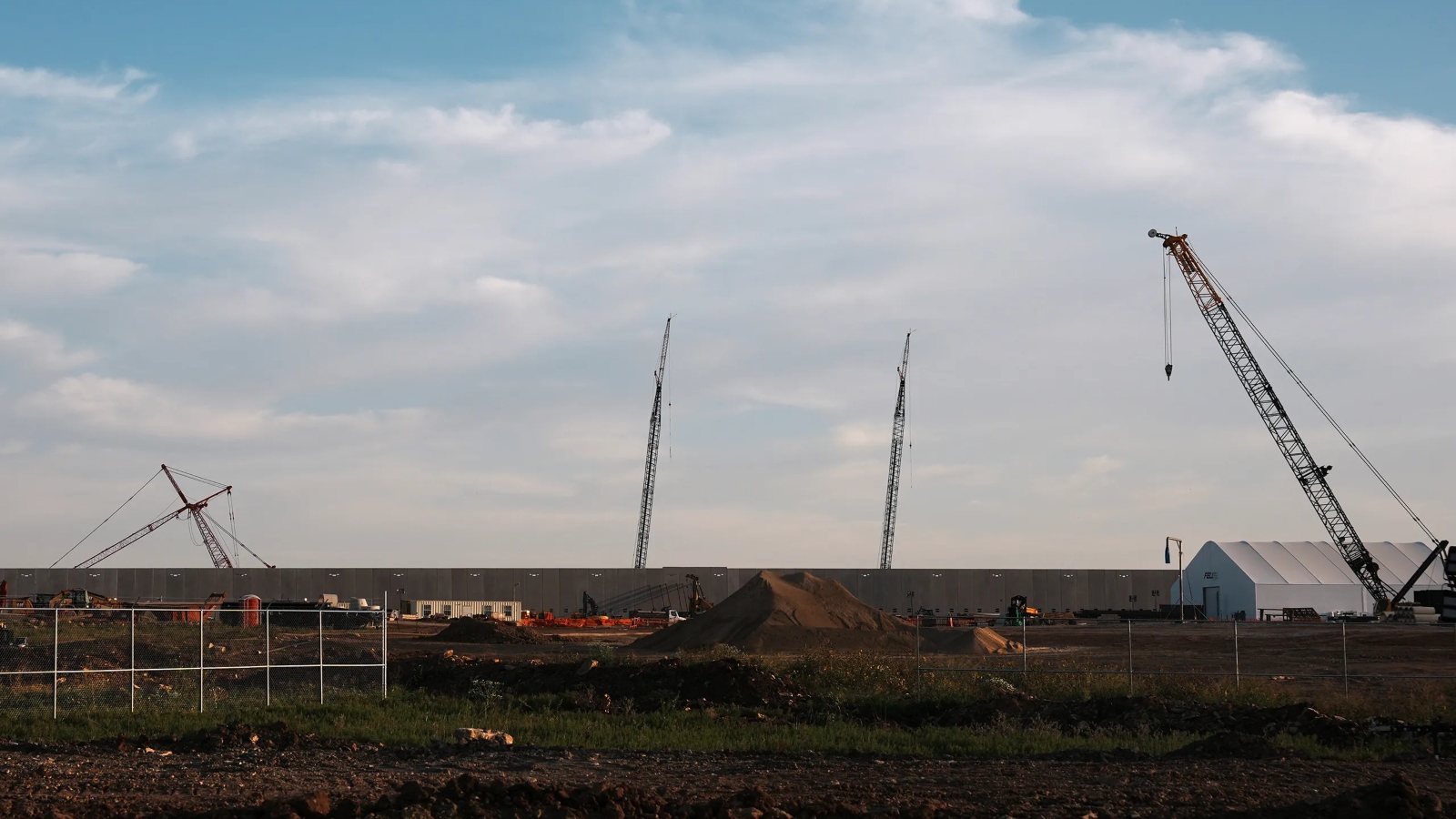
A comprehensive analysis of public meeting agendas, corporate press releases, and interviews with local officials reveals a staggering flow of capital into areas that have traditionally been overlooked by major corporate investments. Because many private donations and infrastructure agreements go undisclosed, the $343 million figure compiled in Texas represents a conservative undercount of the industry’s actual financial footprint.
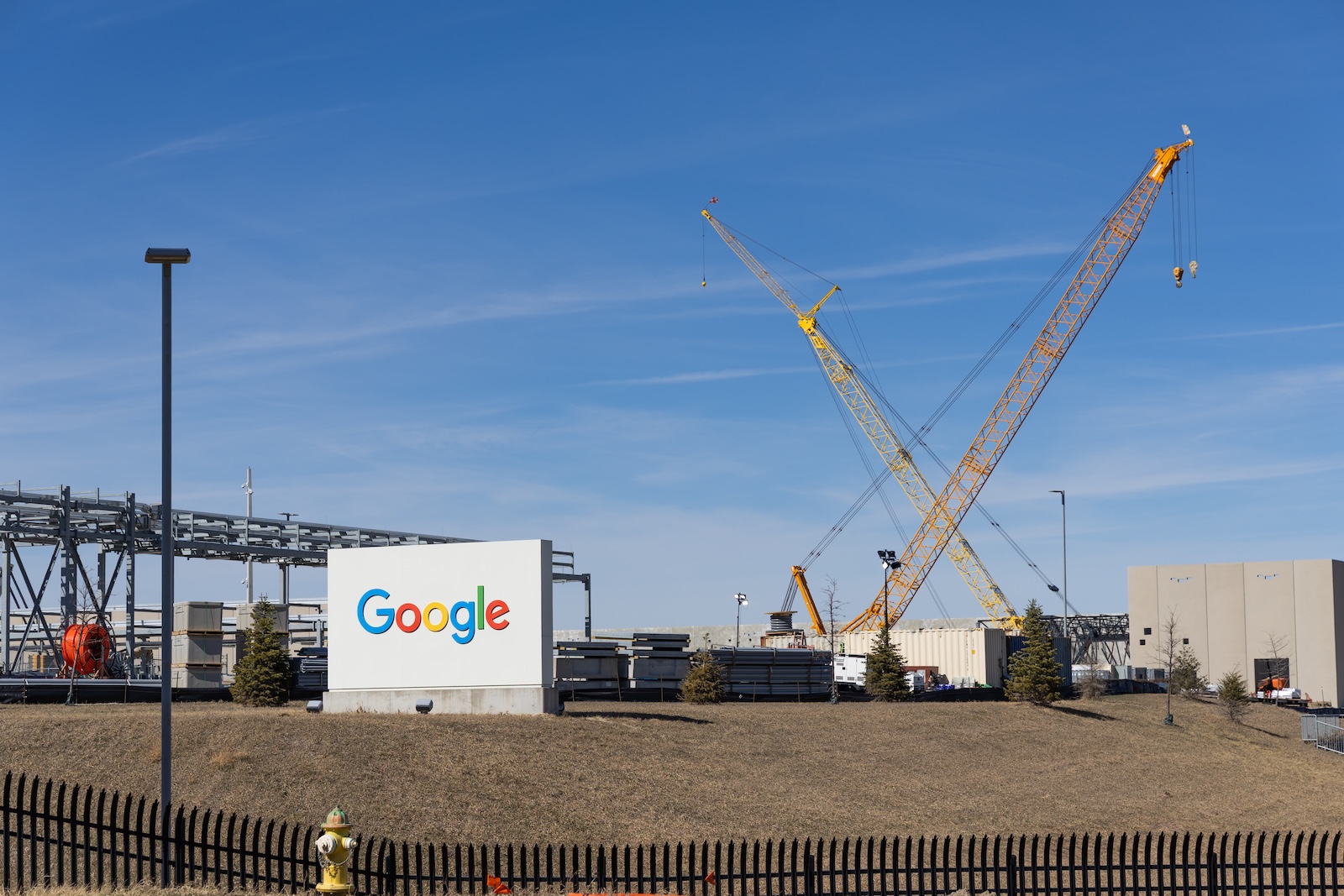
Tech giants and infrastructure developers have blanketed the state with capital. Google has channeled millions of dollars into the Haskell area to support local healthcare infrastructure, including hospitals and pregnancy centers. Rowan Digital Infrastructure committed a staggering $38 million to the city of Temple for public water infrastructure, alongside supplementary funding for STEM education centers in surrounding school districts.
Beyond lump-sum donations, companies have established recurring community action grants and specialized vehicles like Google’s Texas Water Impact Fund. These initiatives are designed to address acute local anxieties regarding the depletion of natural resources, particularly water—a precious commodity in drought-prone Texas.
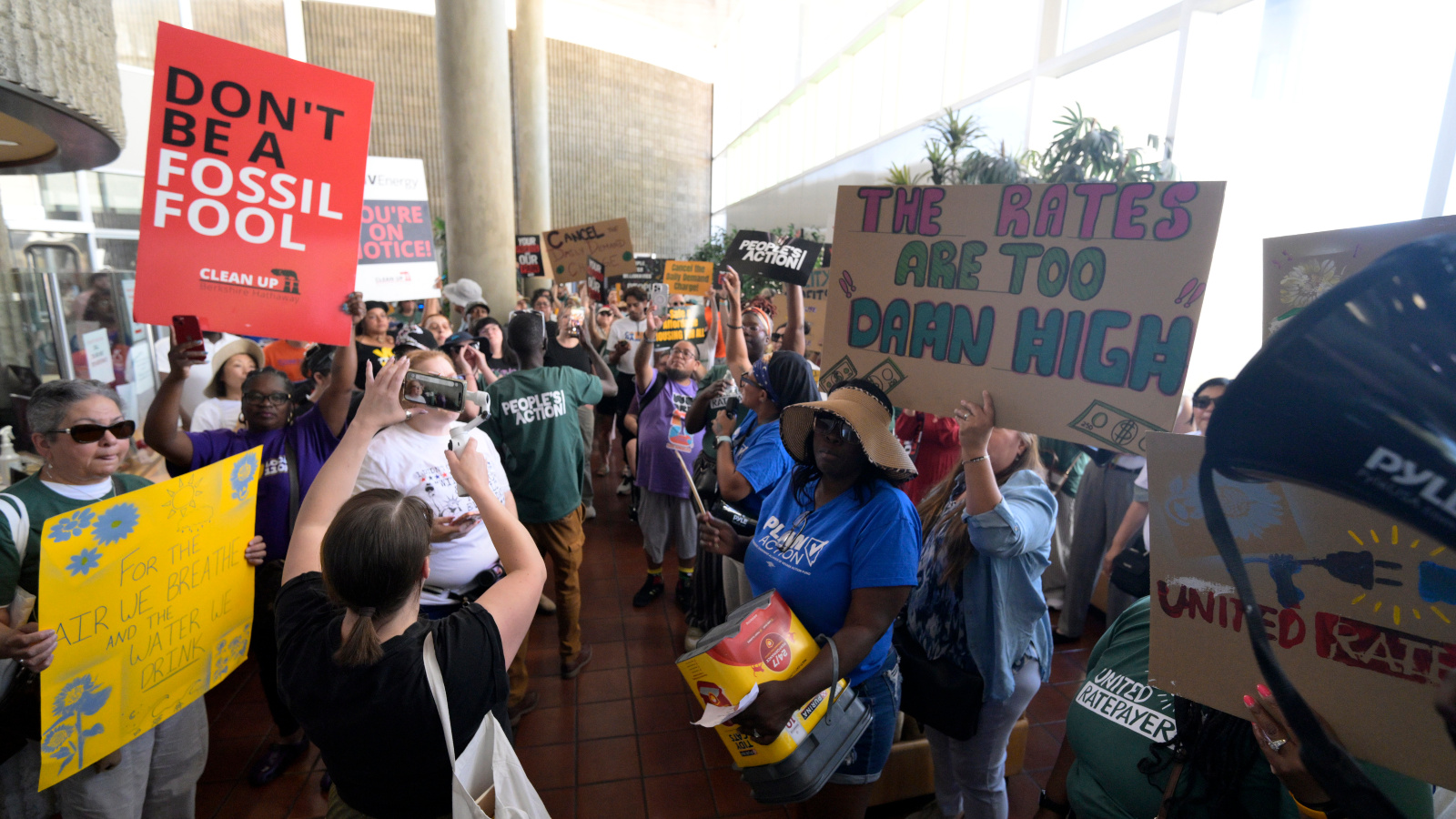
However, this generosity is counterbalanced by pervasive public warfulness. According to an August poll conducted by the Texas Politics Project, 57 percent of respondents voiced outright opposition to the construction of a data center in their local communities. Citizens frequently cite fears of soaring electricity bills, strains on limited municipal water supplies, and rapid housing inflation. Consequently, companies are finding that community integration requires more than just high-tech hardware; it demands intensive grassroots diplomacy.

Grassroots Diplomacy and Corporate Strategy
Recognizing the potency of public backlash—which has successfully derailed projects, such as an East Texas data center that was cancelled following community resistance and a 90-day moratorium passed by Lubbock leaders—tech firms have adopted aggressive community engagement models.
Rowan Digital Infrastructure, which is developing a massive $4.2 billion data center campus consisting of six facilities in East Temple, has leaned heavily into direct dialogue. Nathaniel Brown, director of public relations for Rowan, acknowledges that embedding a massive industrial facility into a tight-knit community is an uphill battle. To bridge the gap, Rowan instituted monthly neighbor dinners where residents can directly question construction teams, alongside hosting open houses and maintaining dedicated project update pages on social media.
"This development doesn’t happen in a vacuum," Brown noted. "It needs to be able to fit into the community’s vision for their area."
Google has deployed a similar playbook. Alongside traditional town halls and public forums, the tech giant hosted targeted community dinners to announce a $6 million philanthropic commitment directed at nonprofits across Haskell, Stamford, and Rule. Suzie Shin, manager of data center sustainability programs for Google, emphasizes that these investments are designed to demonstrate that the company is actively listening to local concerns. By funding modernization projects for municipal water and wastewater systems—such as a recent $4.5 million commitment to help the town of Vernon repair a leaking pipeline—Google aims to prove that its infrastructure improvements benefit the broader community rather than just corporate servers.
A Lifeline for Municipalities Facing a Fiscal Cliff
For many rural municipalities, the financial overtures from data center companies arrive precisely when local governments are facing a severe fiscal squeeze. Texas communities, particularly in rural regions, are navigating a difficult economic environment characterized by inflation, rising infrastructure maintenance costs, and ongoing property tax cuts mandated by the state Legislature.
Suzanne Bellsnyder, an editor and publisher of two Panhandle newspapers and a Substack focused on rural issues, points out the stark reality facing small towns. "There is no question that these data centers are an opportunity for rural communities that are living in the margin," Bellsnyder said. "Most infrastructure resources are paid with tax dollars, and there’s not a ton there."
The urgency of these investments is underscored by recent crises across the state. In Turkey, a small Panhandle town of roughly 275 residents, the municipal water tower failed completely, leaving households without running water for weeks and forcing residents to temporarily relocate. With an annual municipal budget of just $500,000, the city had no realistic means to finance the multi-million-dollar repair. QTS Data Centers, a major global developer operating within the county, stepped in to finance a replacement tower estimated to cost between $3 million and $5 million.
Similarly, in Childress—a town of approximately 5,834 residents—local authorities declared a state of disaster after a severe drought caused Greenbelt Lake levels to plummet, plunging the municipality into a month-long boil-water notice. While some residents initially blamed local data centers for water scarcity, companies like IREN and Lancium mobilized to assist. IREN employees stepped up to distribute bottled water to elderly residents and health services. Meanwhile, Lancium initiated plans to construct a 16-mile pipeline from its campus wells to the city’s storage tank, promising to treat and deliver one million gallons of water daily to Childress at zero cost to the municipality.
"They’re not taking," said Childress City Manager Kevin Hodges, referencing Lancium’s water infrastructure contributions. "They’re providing."
The Economic Paradox: Boom-and-Bust Fears
Despite the immediate relief provided by data center investments, local leaders and community advocates remain cautious, haunted by historical precedents of industrial exploitation. Rural Texas has long endured the cyclical volatility of the energy sector. Towns like Spearman, as Bellsnyder notes, were originally built to service the oil and gas industry; when those corporations eventually pulled out, many municipalities were left without a diversified economic foundation or a long-term sustainability plan.
"I don’t want our entire identities to be built around what one company can provide to us," Bellsnyder warned. "We still need to figure out ways to take care of our own business. Nobody likes taxes, but taxpayers will have to be invested in the community."
Furthermore, the data center boom occurs against a backdrop of sweeping state-level tax policies. A previous analysis by The Texas Tribune revealed that Texas will forgo at least $3 billion in sales tax revenue over a two-year period due to broad tax exemptions designed to lure the data center industry. While these tax breaks successfully attract multi-billion-dollar investments, critics argue they simultaneously starve state and local coffers of revenue that would otherwise fund public services through traditional taxation channels.
Balancing Risks and Rewards
As municipal leaders weigh the pros and cons of welcoming data center campuses, the calculus often boils down to financial survival versus long-term risk management. Temple Mayor Tim Davis views the incoming tax revenues and immediate corporate contributions as vital tools that allow municipalities to chart an independent financial course. Without such private-sector injections, Davis argues, cities would be forced to drastically curtail essential public services to cope with inflation and constrained revenue streams.
"If the ability to raise money is hampered, then those dollars have to come from somewhere," Davis said. "Or, a community simply delivers less services to its residents. And I don’t think that’s acceptable to them."
At the same time, local administrators emphasize the necessity of rigorous oversight. Cities must carefully negotiate development agreements to ensure that infrastructure burdens do not outweigh the financial windfalls provided by tech corporations.
For small-town administrators caught between public skepticism and desperate infrastructure needs, the arrival of data center capital is viewed with a mixture of pragmatism and cautious gratitude. Lynette Findley, the city manager of Turkey, encapsulates the complex sentiment shared by many rural officials facing infrastructural obsolescence.

"Data centers get a ton of negative publicity, so I’m sure it is a little self-serving on their end," Findley acknowledged. "But to be honest, I don’t know what we would have done without their assistance."
Related posts: