Separating Fact From Fiction: How the Data Center Boom Is Confronting Real-World Infrastructure Realities

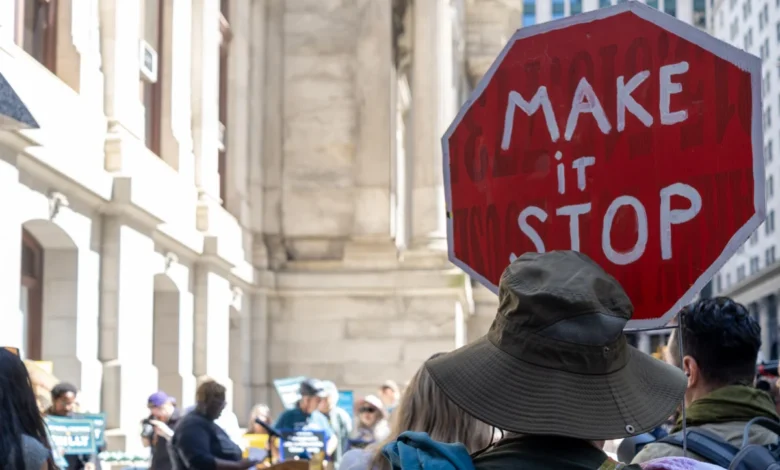
The rapid expansion of artificial intelligence infrastructure is colliding with severe operational boundaries, shifting the conversation from how quickly data centers can be announced to whether they can realistically be built. While industry headlines routinely trumpet multibillion-dollar investments in computing clusters, a deeper examination reveals a complex web of roadblocks. From localized regulatory resistance and protracted zoning battles to an unprecedented scramble for electrical generation capacity, the data center gold rush is facing a severe reality check. Before developers even confront permitting delays or community pushback, a more fundamental challenge looms: a significant percentage of the infrastructure projects currently making headlines may never break ground at all.
The Anatomy of the AI Infrastructure Rush
The generative AI boom has fundamentally altered the commercial real estate and energy landscapes. Driven by tech giants and specialized infrastructure funds racing to secure computing dominance, massive server farms have been proposed across North America and Europe. These facilities require unprecedented amounts of power and water, transforming quiet rural counties and suburban outskirts into high-tech industrial hubs.
However, the velocity of capital deployment has far outpaced the capacity of existing electrical grids and municipal planning boards. Announcements of multi-gigawatt facilities have become commonplace, yet many of these press releases represent speculative land grabs or preliminary placeholders rather than funded, shovel-ready projects. Analysts note that developers often secure grid interconnection queue positions long before they have finalized hardware procurement, water rights, or even the underlying real estate acquisition.
This disconnect between corporate ambition and physical reality has forced utility companies, regulators, and investors to adopt a more skeptical posture. As billions of dollars hang in the balance, distinguishing between viable infrastructure initiatives and speculative proposals has become paramount for market stability.
The Grid Strain and Regulatory Bottlenecks
The primary friction point for the data center boom is the electrical grid. Power generation and transmission infrastructure cannot be scaled overnight. Major power grids, such as PJM Interconnection—the largest grid operator in the United States—are experiencing unprecedented strain as the cumulative power demand of planned data centers outpaces the development of new generation sources.
In response to these localized crises, regulatory bodies and state governments are beginning to push back. For instance, regulatory measures and emergency halts, such as those seen in regions like Texas, highlight the growing friction between energy consumption and municipal stability. State officials are increasingly calling for comprehensive audits of power consumption, demanding that tech companies prove their facilities will not destabilize local electricity markets or trigger rate hikes for residential consumers.
Furthermore, local opposition has transformed from a nuisance into a formidable barrier. Communities near proposed sites frequently mobilize against developments due to concerns over noise pollution, water depletion, and strained public services. Permitting agencies, once eager to court high-tech investments for the sake of local tax revenues, are implementing stricter environmental reviews and mandatory community benefit agreements, dragging out project timelines by months or years.
Expert Insights on Navigating the Speculative Wave
To unpack the complexities of the infrastructure landscape, industry experts are closely evaluating the metrics that separate viable projects from speculative ventures. Analysts tracking energy markets point to specific indicators—such as executed power purchase agreements (PPAs), verified grid interconnection agreements, and secured capital backing—as the true litmus tests for data center viability.
Without these foundational elements, a project announcement remains little more than an intention. Financial institutions and venture capital entities are increasingly recognizing that speculative infrastructure plays carry monumental risks. If a developer cannot guarantee a stable, long-term power supply or navigate local environmental hurdles, the capital allocated to the project risks being stranded.
Broader Economic and Market Implications
The tightening scrutiny surrounding data center developments carries significant implications for the broader technology and energy sectors. For the AI industry, project delays or cancellations could create bottlenecks in model training and deployment, potentially slowing the pace of commercial innovation. Tech companies may be forced to look beyond traditional power markets, investing directly in novel energy technologies such as advanced nuclear, geothermal, or localized microgrids to bypass public utility limitations.
Simultaneously, the energy sector is experiencing a renaissance driven by the tech industry’s insatiable appetite for power. Traditional utilities are being forced to rethink resource planning, accelerating investments in grid modernization and generation capacity. However, this dynamic creates a delicate balancing act: utilities must accommodate high-paying industrial tech customers without compromising grid reliability or overburdening everyday ratepayers.
Ultimately, the current friction in the data center market marks a maturation phase for the AI infrastructure boom. As policymakers implement stricter oversight, utilities demand firmer commitments, and analysts separate speculative proposals from reality, the industry is transitioning away from unchecked expansion toward a more disciplined, resource-conscious approach. For investors and developers alike, navigating this landscape will require rigorous due diligence, a deep understanding of energy markets, and a realistic appraisal of what the physical world can actually support.