The Age of Electricity Global Energy Markets Pivot as Renewables Overtake Coal Despite Geopolitical Turmoil

The global energy landscape has reached a definitive crossroads as two landmark reports from the International Energy Agency (IEA) and the energy think tank Ember reveal that the world has officially entered the "Age of Electricity." This transition, characterized by a structural shift away from combustible fuels toward electrified systems, comes at a moment of intense geopolitical instability. While a significant conflict involving the United States, Israel, and Iran has disrupted approximately 20 percent of the world’s supply of oil and liquefied natural gas (LNG), the underlying data suggests that the global economy is becoming increasingly resilient to such fossil fuel shocks. The reports indicate that while the war has sent oil prices soaring, the path toward decarbonization has reached a point of no return, with renewable energy sources now meeting the entirety of the world’s growing demand for power.
The 2025 Milestone: Renewables Surpass Coal
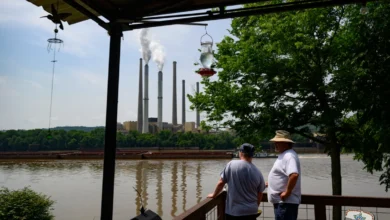
For the first time in over a century, the hierarchy of global power generation has been upended. According to the IEA’s World Energy Outlook and Ember’s Global Electricity Review, 2025 served as the year when renewable energy sources—primarily solar, wind, and hydropower—collectively generated more electricity than coal. This shift marks a historic departure from the Industrial Revolution-era reliance on carbon-heavy solid fuels.
The surge in renewable output was so substantial that it did more than just keep pace with the world’s increasing hunger for power. In 2025, the growth in carbon-free electricity generation, which includes nuclear power alongside renewables, actually exceeded the total rise in global electricity demand. This surplus meant that for the first time in a non-recessionary period, renewable energy began to actively displace existing fossil fuel generation rather than merely supplementing it.
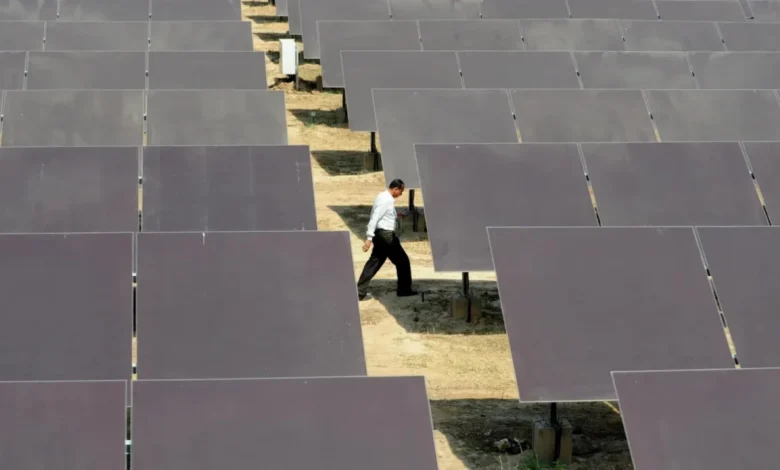
Solar power emerged as the primary driver of this transformation. In 2025, solar energy was the single largest source used to meet new electricity demand globally. This dominance is attributed to a combination of aggressive manufacturing scaling, particularly in Asia, and a continued collapse in installation costs. As the world transitions, the IEA notes that the "Age of Electricity" is defined by the electrification of sectors once thought to be tethered to oil and gas, such as residential heating through heat pumps and heavy industrial processes like steel manufacturing.
Economic Decoupling and the Battery Revolution
One of the most significant findings in the Ember report is the decoupling of economic growth from fossil fuel consumption. Historically, periods of stagnant fossil fuel use were the result of global economic downturns or recessions. However, 2025 saw healthy global economic expansion. Daan Walter, a lead researcher at Ember, noted that the economy boomed and electricity demand grew vigorously, yet all that growth was satisfied by clean energy. This indicates a structural change in the global economy rather than a temporary fluctuation.
Central to this structural shift is the plummeting cost of energy storage. The price of batteries fell by a staggering 45 percent in 2025, following a 20 percent decline in 2024. This rapid reduction in cost has solved one of the primary criticisms of renewable energy: intermittency. With cheaper storage, grid operators in major economies are now able to store solar and wind energy for use during peak demand or when weather conditions are unfavorable, making coal and gas-fired "peaker" plants increasingly redundant.
Geopolitical Turmoil and Energy Security
The reports were released against a backdrop of severe volatility in the Middle East. The conflict involving the U.S., Israel, and Iran has created a bottleneck in the Strait of Hormuz, threatening nearly a fifth of the world’s liquid energy supply. In previous decades, such a disruption would have likely paralyzed the global economy. However, the 2025 data suggests that the "Age of Electricity" offers a new form of energy security.
Analysts suggest that the current crisis is acting as a catalyst for many nations to accelerate their transition to domestic renewable energy. Unlike oil and gas, which are subject to the whims of global supply chains and maritime security, solar and wind energy are harvested locally. The IEA analysis implies that the vulnerability of fossil fuel prices during wartime is providing a powerful economic incentive for nations to "electrify everything," thereby insulating their economies from external geopolitical shocks.
The Leapfrogging Phenomenon in Developing Nations
A surprising trend highlighted in the IEA report is the "leapfrogging" occurring in developing economies. For decades, the prevailing theory was that developing nations would follow the path of Western economies, relying on cheap fossil fuels to build infrastructure before eventually transitioning to cleaner sources. The 2025 data refutes this, showing that countries like Indonesia, India, and Vietnam are skipping the fossil fuel phase in several sectors.
In Indonesia, for example, electric vehicles (EVs) accounted for more than 15 percent of new car sales in 2025. This is a higher adoption rate than that of the United States. Many Indonesian consumers are purchasing an EV as their first-ever vehicle, bypassing internal combustion engine (ICE) technology entirely.
China and India, which together represent 42 percent of the world’s fossil-based power generation, both saw their fossil fuel electricity generation decline in 2025. This is the first time in the 21st century that both nations have recorded a simultaneous drop in fossil fuel use while maintaining economic growth. Their massive investments in solar and wind infrastructure are now yielding dividends, allowing them to meet industrial demand without a corresponding increase in coal imports.
Anomalies in Advanced Economies: The U.S. Resurgence of Coal
Despite the global trend toward decarbonization, the reports highlight a concerning anomaly in the United States. While emissions from developing countries slowed, emissions from advanced economies grew faster than those of their developing counterparts for the first time since the 1990s. The U.S. was a primary driver of this trend, with coal demand rising by 10 percent in 2025.
Several factors contributed to this American regression. First, a spike in natural gas prices led many power utilities to switch back to coal-fired generation to maintain lower costs for consumers. Second, a particularly harsh winter across the Eastern United States drove up heating demand.
However, the most significant factor in the U.S. electricity surge is the rapid expansion of the digital economy. The massive rollout of data centers required to support new artificial intelligence (AI) applications has created a voracious new demand for 24/7 baseload power. In many regions of the U.S., the existing renewable grid was unable to scale quickly enough to meet the needs of these industrial-scale AI hubs, forcing a temporary reliance on mothballed or underutilized coal plants.
Broader Impact and the Climate Challenge
While the rise of the "Age of Electricity" is a milestone for the energy transition, the reports offer a sobering reminder that the climate crisis is far from resolved. Global carbon dioxide emissions reached a record high in 2025, increasing by 0.4 percent over 2024 levels.
The IEA warns that while renewables are dominating the electricity sector, they are not yet displacing fossil fuels quickly enough in other areas of the energy economy. Hard-to-abate sectors such as aviation, international shipping, and heavy chemical manufacturing still rely heavily on liquid fuels. Furthermore, the 0.4 percent rise in emissions, though slower than in previous years, indicates that the world is still adding to the atmospheric carbon load at a time when science dictates that emissions must begin a steep decline to meet the goals of the Paris Agreement.
The transition is also exposing weaknesses in global electrical grids. The IEA emphasizes that the "Age of Electricity" requires a total reimagining of how power is moved. Current grid infrastructures in many parts of Europe and North America are aging and were designed for centralized fossil fuel plants rather than decentralized renewable sources. To sustain the momentum of 2025, the report argues that global investment in grid modernization must double by 2030.
Chronology of the Transition
- 2020–2022: Initial surge in renewable investment driven by post-pandemic recovery funds and the European energy crisis following the invasion of Ukraine.
- 2023: Battery costs begin a significant decline (20%), and solar capacity installations break previous records.
- 2024: Global electricity demand rises sharply due to the "AI boom" and electrification of transport; renewables match 90% of new demand.
- 2025: The "Age of Electricity" is declared. Renewables surpass coal in global generation. Battery costs drop by another 45%. Geopolitical conflict in the Middle East bottlenecks 20% of oil/LNG supply, further incentivizing the shift to electric systems.
Analysis of Future Implications
The data from 2025 suggests that the energy transition has moved from a policy-driven ambition to a market-driven reality. The fact that renewable energy is now the cheapest form of new electricity in most of the world means that the "Age of Electricity" is being propelled by economics as much as by environmental necessity.
However, the resurgence of coal in the U.S. serves as a cautionary tale. It highlights that the transition is not a linear path and can be derailed by sudden shifts in commodity prices or the emergence of new, energy-intensive technologies like AI. For the world to capitalize on the milestones of 2025, policymakers will need to focus on the "integrated" energy system—ensuring that grid capacity, storage, and clean generation grow in lockstep.
Ultimately, the 2025 reports from the IEA and Ember provide a blueprint for a world less dependent on the volatile oil markets of the Middle East. While the path to net-zero remains fraught with technical and political hurdles, the "Age of Electricity" marks the beginning of a new chapter where the sun and wind, rather than extracted fuels, dictate the pulse of global commerce.